

Introduction
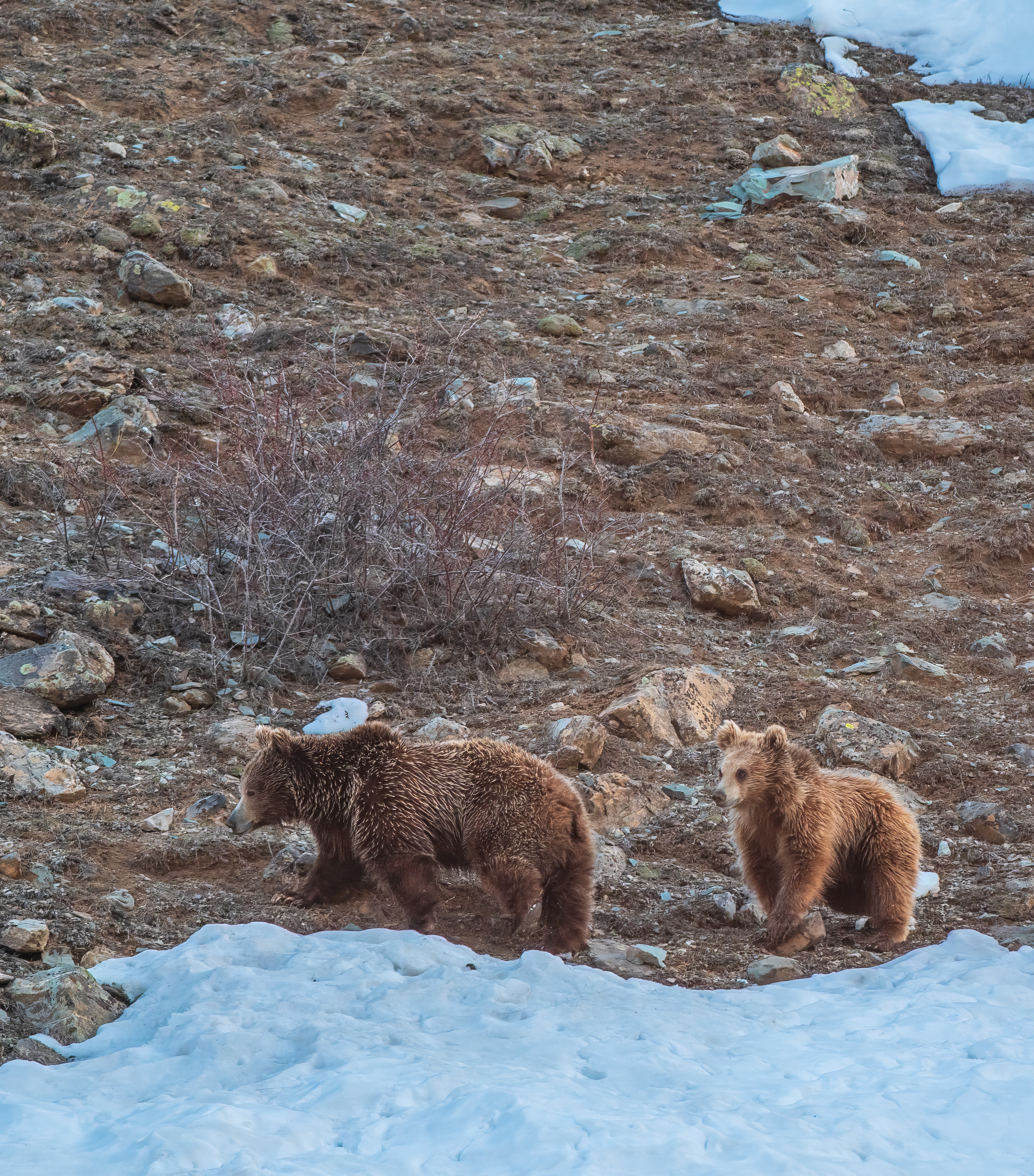
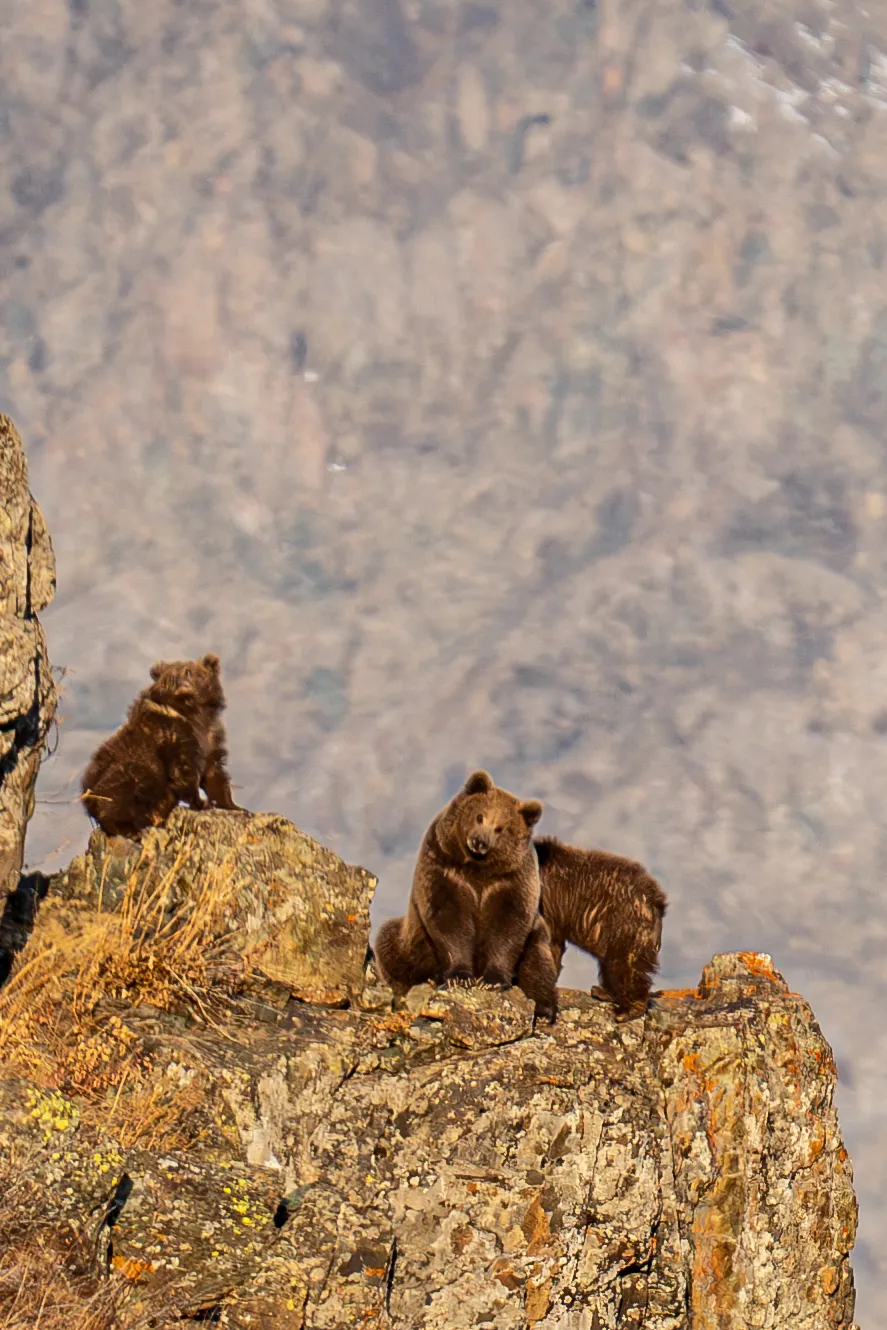
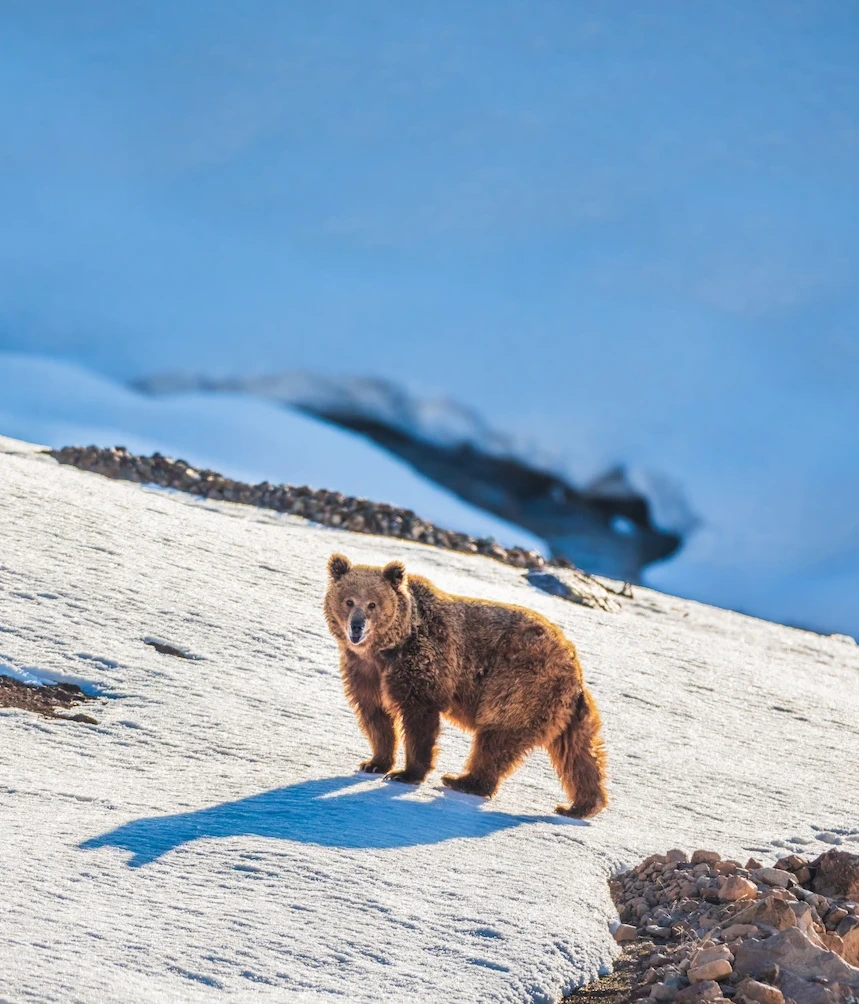
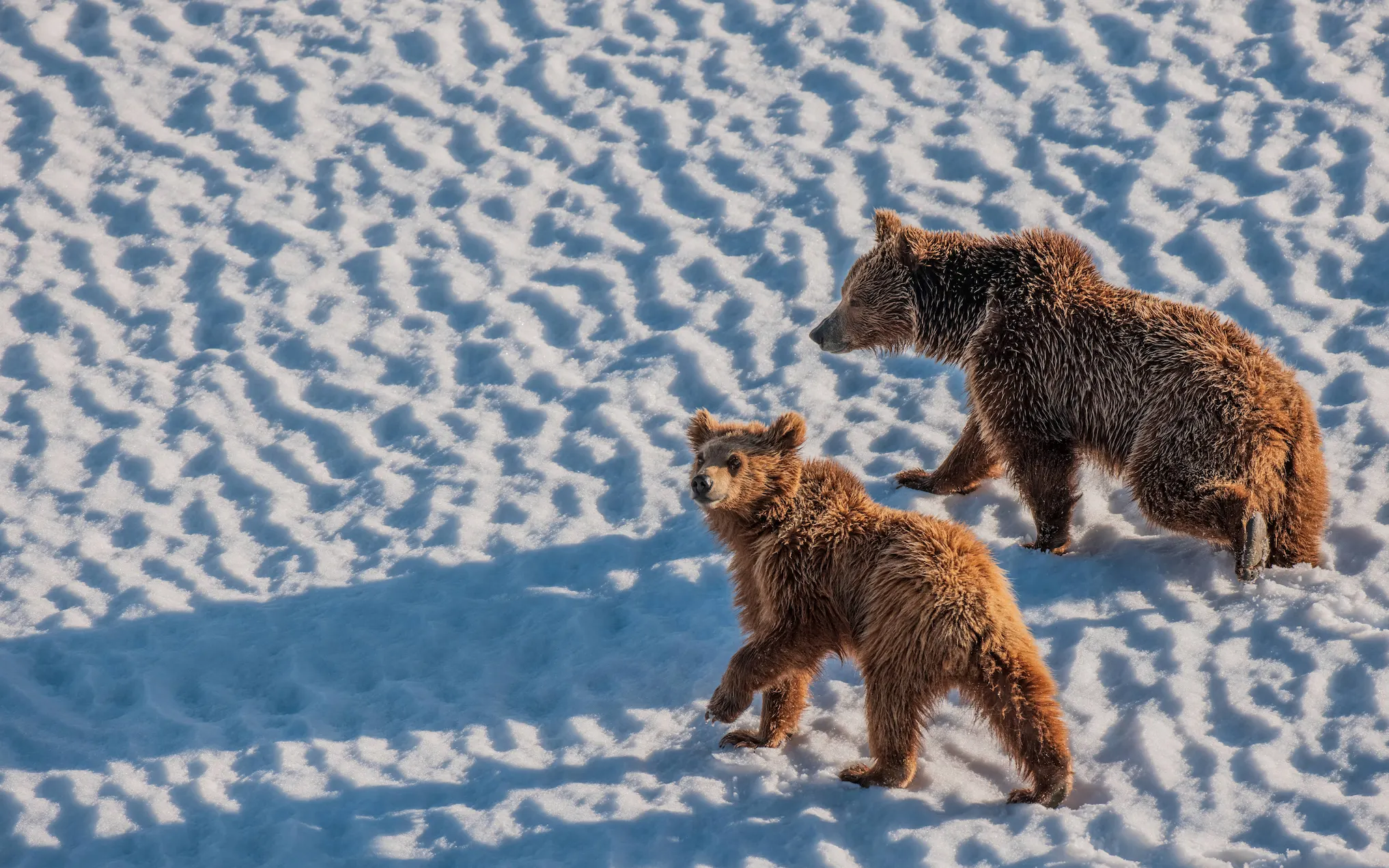
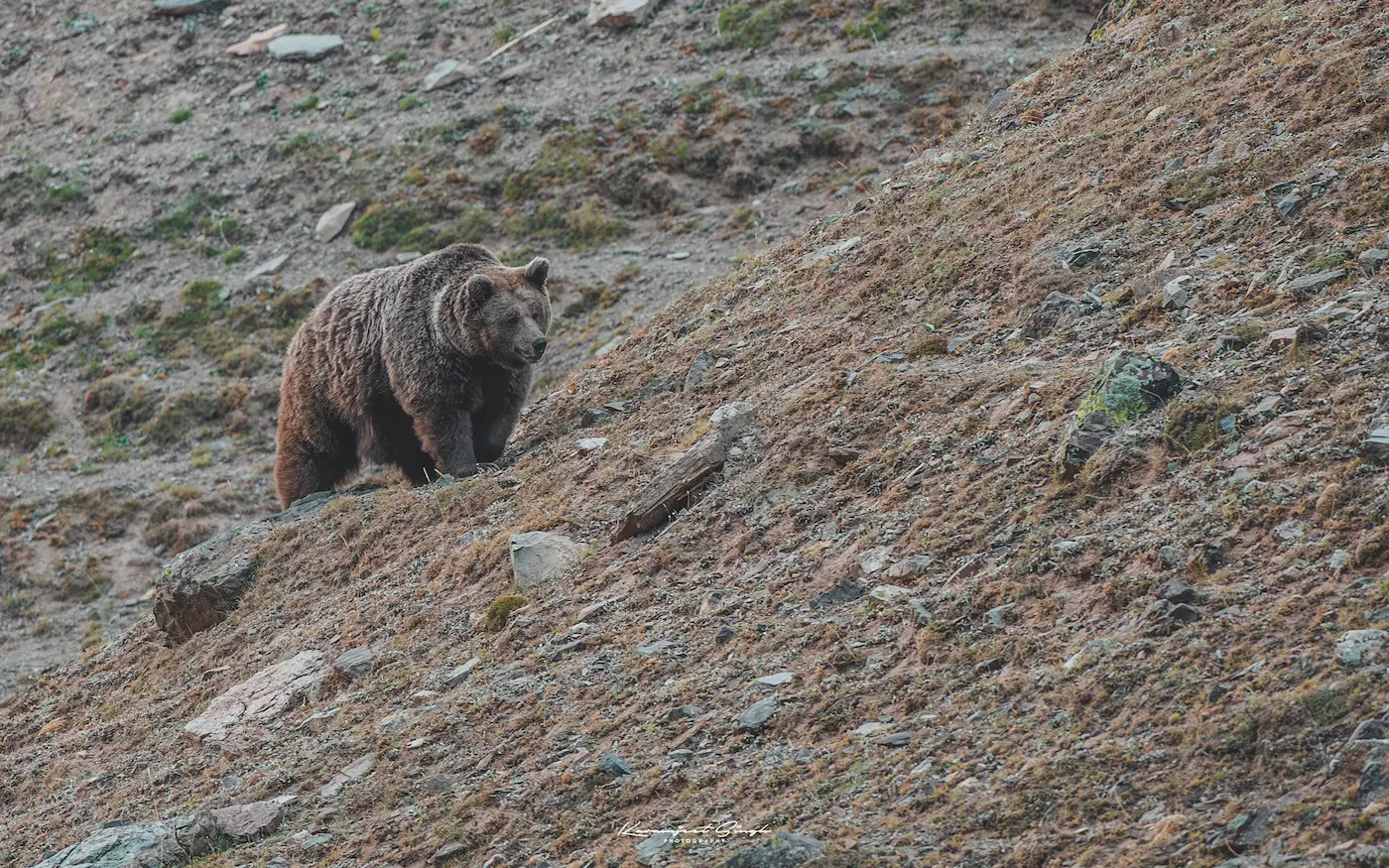
Welcome to the home of the Dzu-Teh | Drenmo. Often called the sumo wrestlers of the mountain. The Himalayan brown bear is the biological reality behind the Yeti legend. You are looking at a creature that has remained isolated in these peaks for over 650000 years - a truly ancient lineage that survives at altitudes where most animal can not. With fewer then 700 left in India, seeing this Isabelle titan in the wild is not just a safari, it is a witness to a vanishing world. Mushkoh valley of Drass the only place in India where sighting of this critically endangered species are highly reliable. Mushkoh valley serves as a vital corridor for bears as they descend from glacial zones into subalpine meadows to forage.
Conservation Impact: Expeditions in 2027 emphasise community-led conservation. A portion of tour revenue directly funds predator-proof corrals and motion-activated lighting to mitigate human-bear conflict.
Tracking phase: Bear tracking days begin at 6:00 a.m to catch bears at their most active. Expert local spotters lead 4x4 or foot excursions to vantage points overlooking the Mushkoh River.
Cultural & Nature Immersion: Between tracking sessions, guests visit Shina villages (like Goshen or Pandrass) or explore the Hundurman Border Museum to learn about the region’s Silk Route and war history.
Photography focused: This photography expedition provide on-field masterclasses for capturing the bears just as they emerge from hibernation in April and going to hibernation in November.
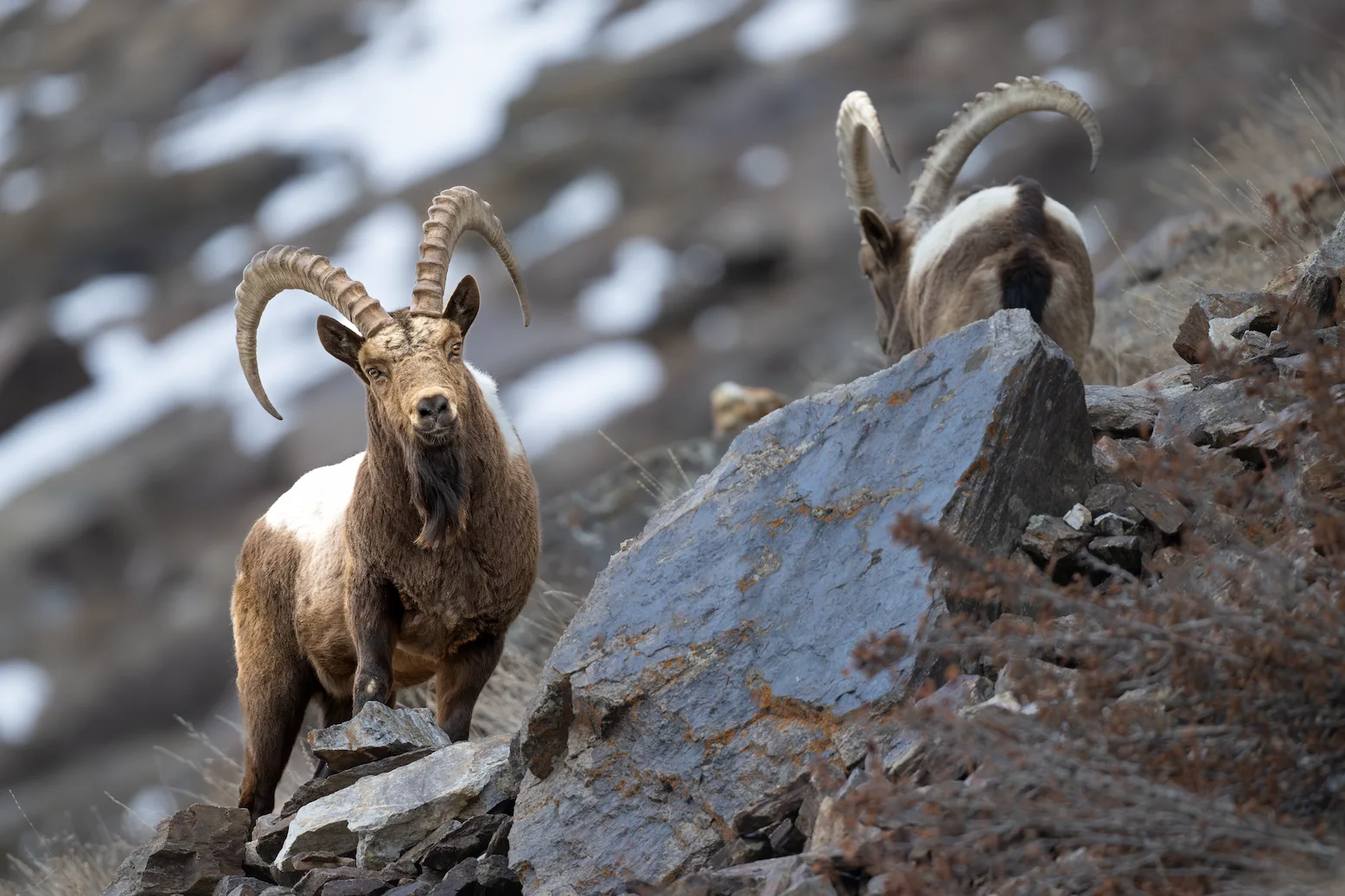
Beyond the bear: Guests frequently spot Tibetan wolves, red foxes, Asiatic ibex, and long-tailed marmots, along with over 30 varieties of high-altitude birds.
Prime Window: Early spring (April–May) is best for seeing bears on snow-covered slopes with new cubs, while autumn (October–November) offers sightings as they fatten up for hibernation.
Threats: Habitat loss, human-bear conflict (livestock loss, garbage feeding), and their critically endangered status are significant concerns.
Coexistence: Local communities are learning new ways to live with the bears, with tourism playing a role in conservation.
Know more about Himalayan Brown Bear
Top Tracking Team
Meet our expert tracking team, the finest local guides for winter wildlife expeditions in Ladakh. Born and raised in these high-altitude mountains, they possess an unmatched, lifelong knowledge of the rugged terrain and animal behaviour. Their exceptional tracking skills allow them to read the subtlest signs in the snow, ensuring you safely spot elusive creatures like the snow leopard.
Prime Habitat
Our wildlife tours take you directly into the world's absolute best habitats for spotting rare mountain wildlife. We operate exclusively in Ladakh's top tracking zones, including Hemis National Park, Ulley and Mangue region of Ladakh. These legendary landscapes offer the highest density of snow leopards and unique high-altitude wild animals on Earth. By exploring these pristine territories you maximize your chances of witnessing incredible wildlife encounters in their true wild element.
World-Class Equipment
For over a decade, we have used the world's best equipment to track snow leopards and rare mammals across Ladakh. We provide our guests with top-tier optics, including ultra-sharp Swarovski BTX spotting scopes and high-frequency radios and binoculars that reveal hidden wildlife from miles away. To navigate the rugged mountain terrain safely and comfortably, our expeditions rely exclusively on powerful 4x4 Toyota vehicles. This premium combination of advanced technology and reliable transport ensures you never miss a once-in-a-lifetime sighting.
Our Heated Stays
We ensure your winter expedition is perfectly warm by providing top-tier, insulated lodges with centrally heated rooms, bathrooms, and dining areas. Every accommodation is strategically located directly inside Ladakh's prime snow leopard habitats. This guarantees you enjoy ultimate comfort right in the heart of the wild.
Itinerary
Our airport representative will pick you from airport and transfer you to hotel for overnight. Hotel with breakfast.
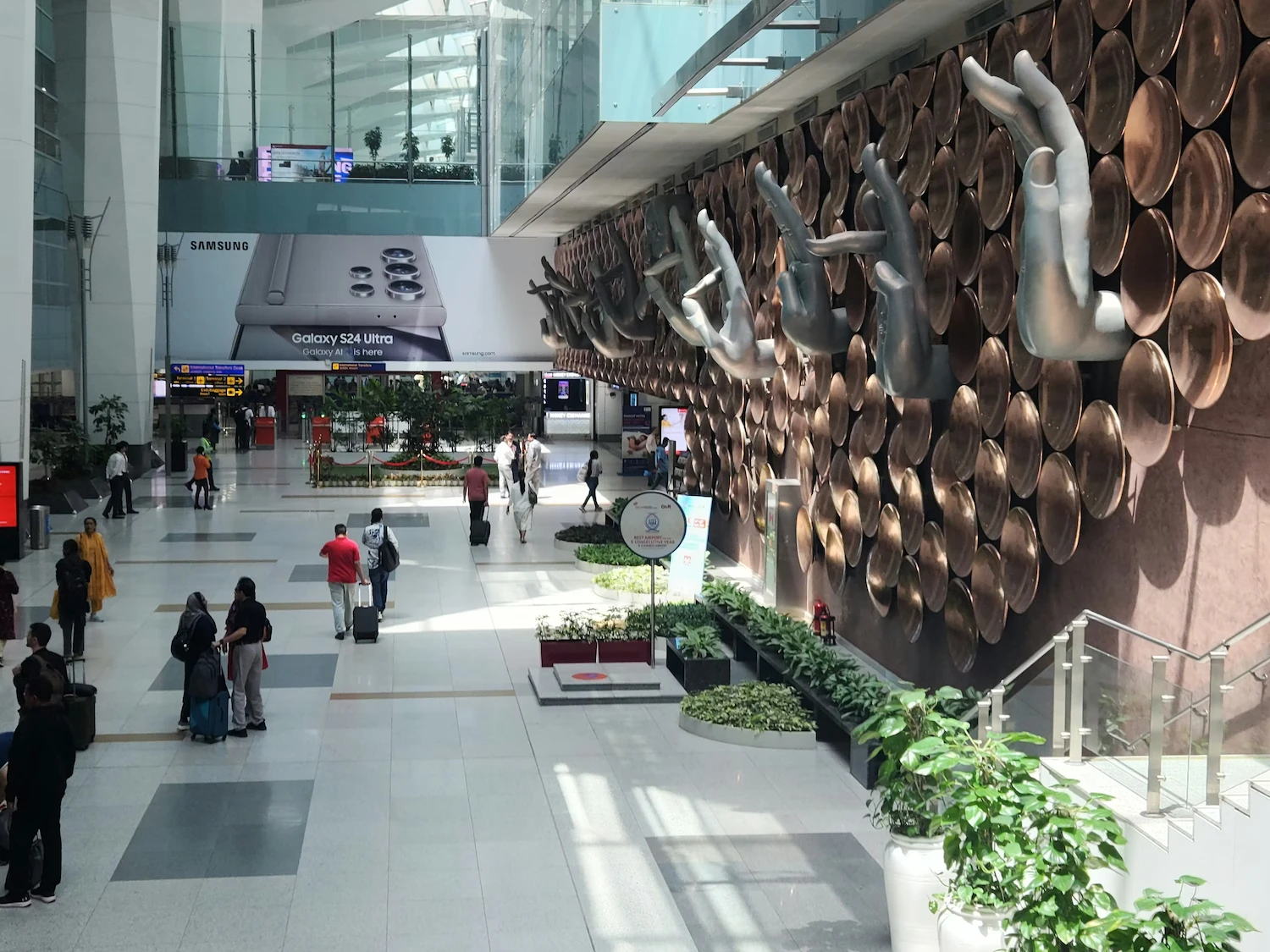

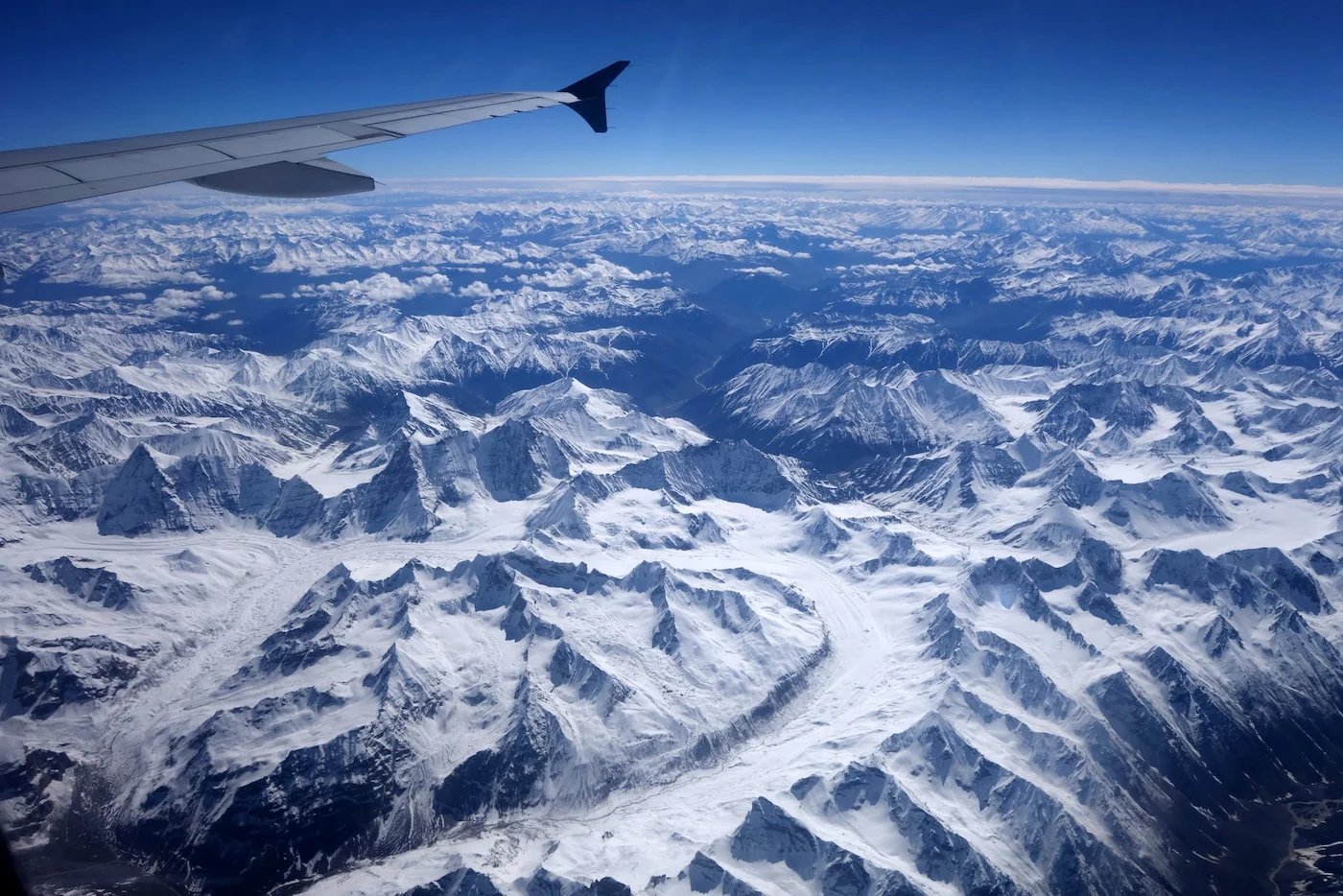
Checkout very early morning from hotel. Our airport representative will take you to airport for your one hour flight to Leh. You will have amazing view of the high Himalaya’s snow peaks mountains, its glaciers and valleys. On arrival at Leh airport you will meet your local guide and transfer to hotel. Leh is 3550 mtrs high above sea level. On breakfast guide will give you briefing of the entire tour and most importantly process of acclimatization for first two days. Day complete rest in hotel with all meals.
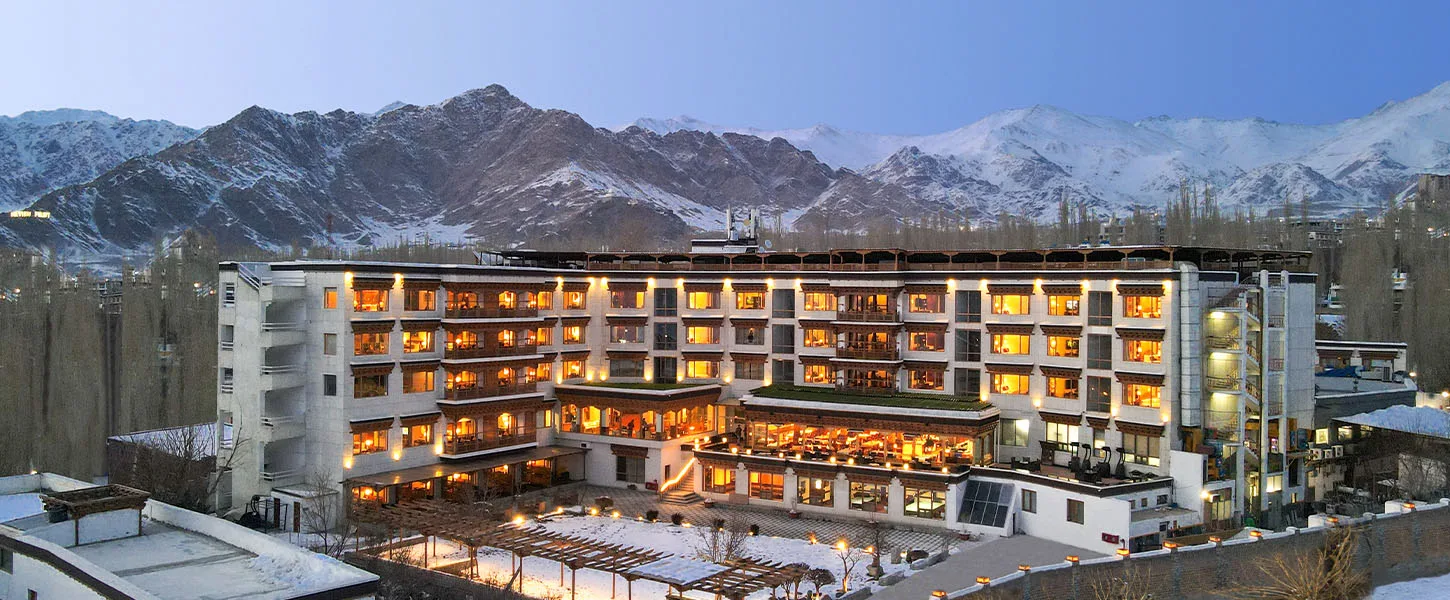
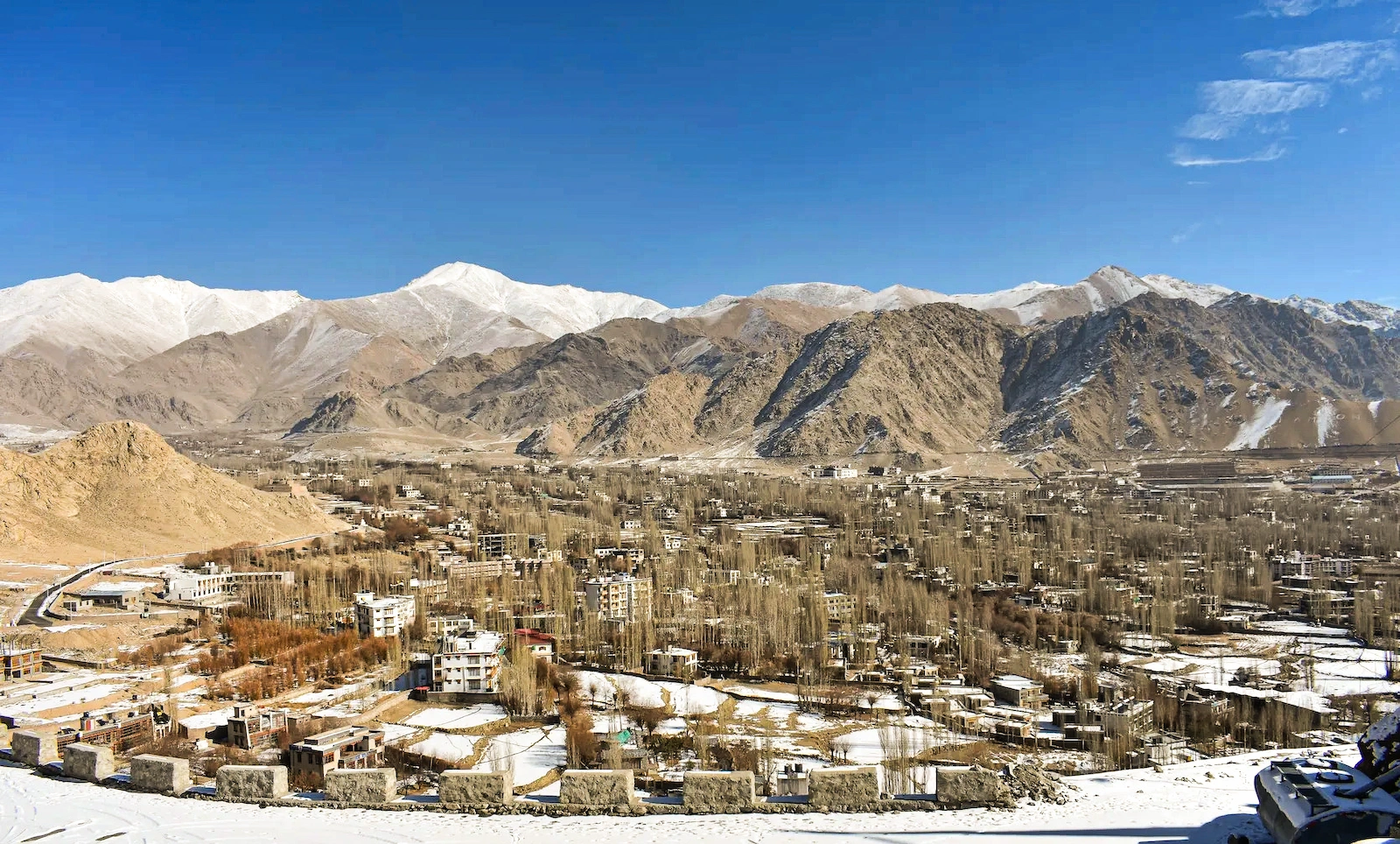
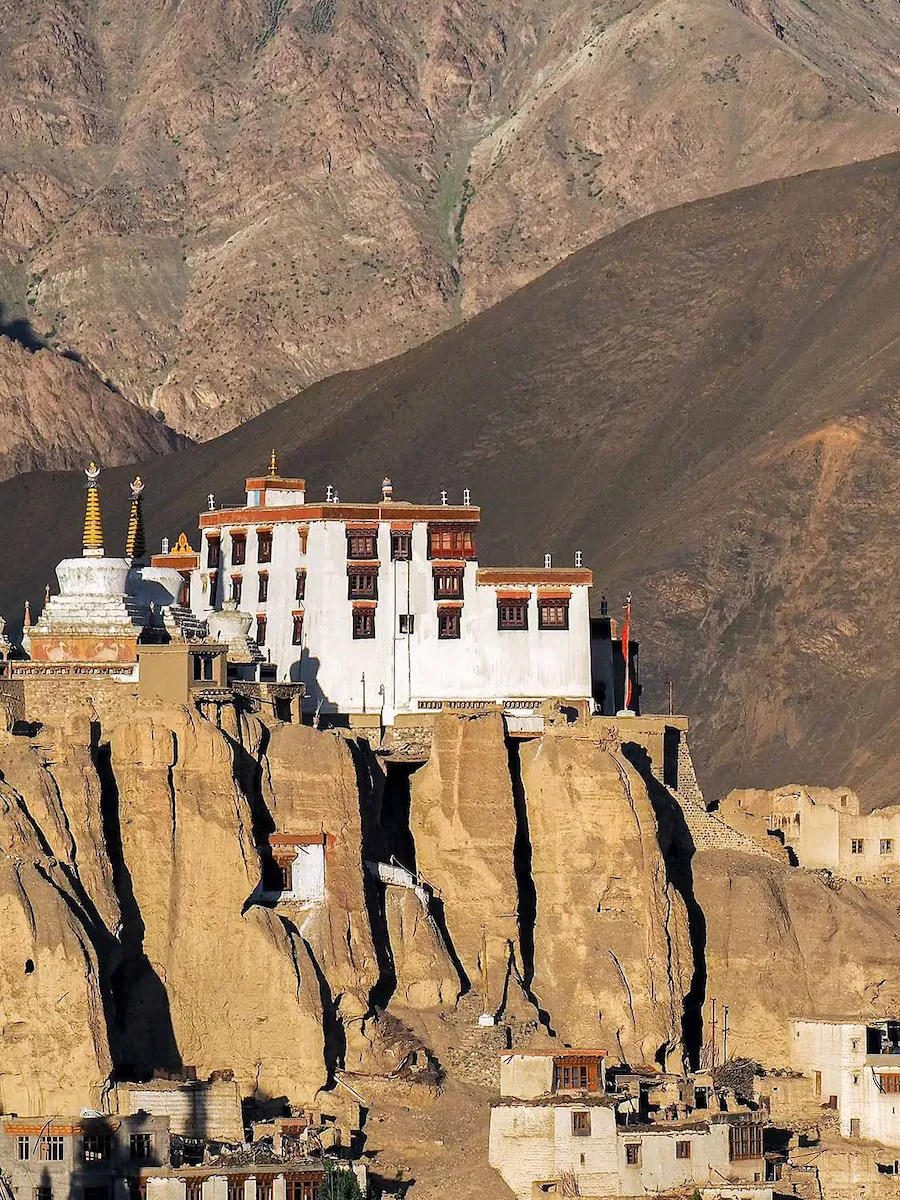
After early breakfast full day drive about 6 hour to Drass following Indus River half the way. We will make couple of stops for tea and lunch on the way. We will be visiting Lamayuru, crossing two passes above 4800 mtrs. After post lunch reach Lodge in Huliyul village of Mushkoh valley and rest. Spotters will look for bears and other wildlife around lodge.
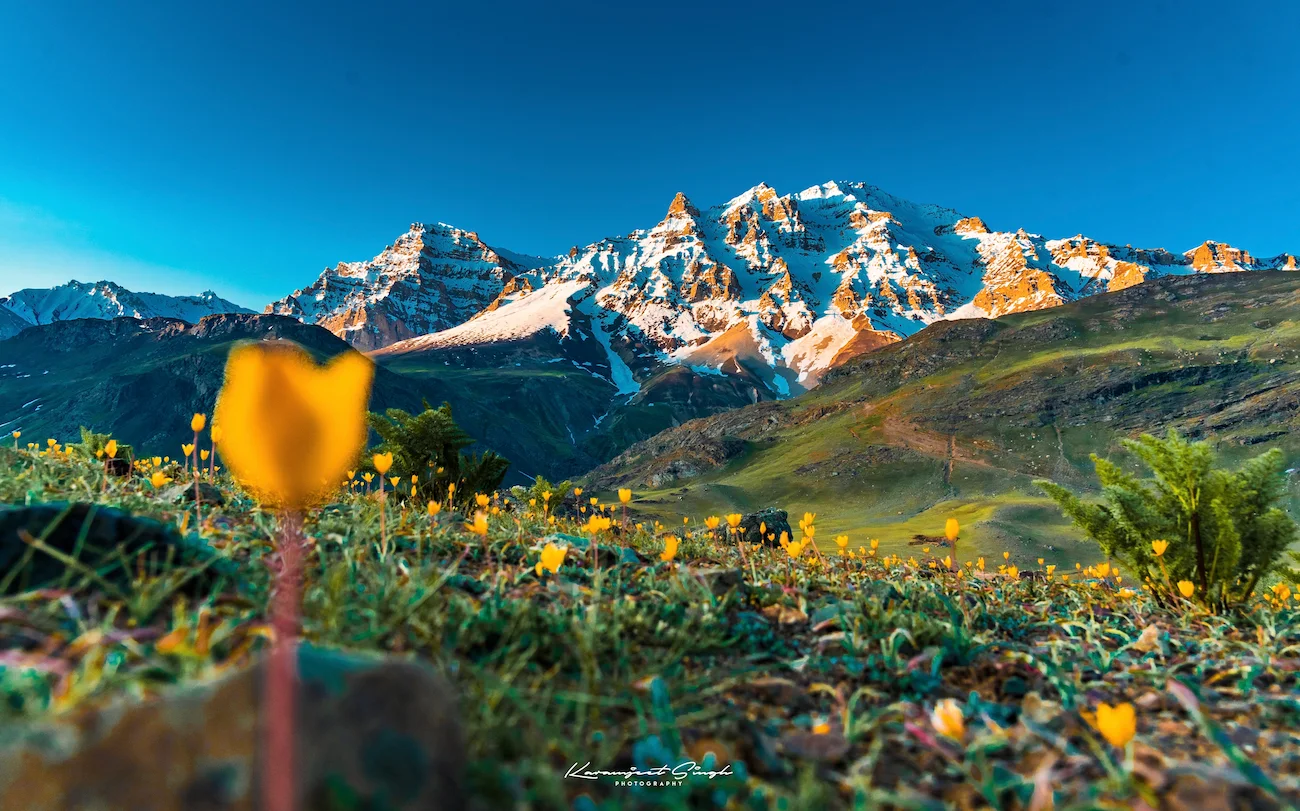
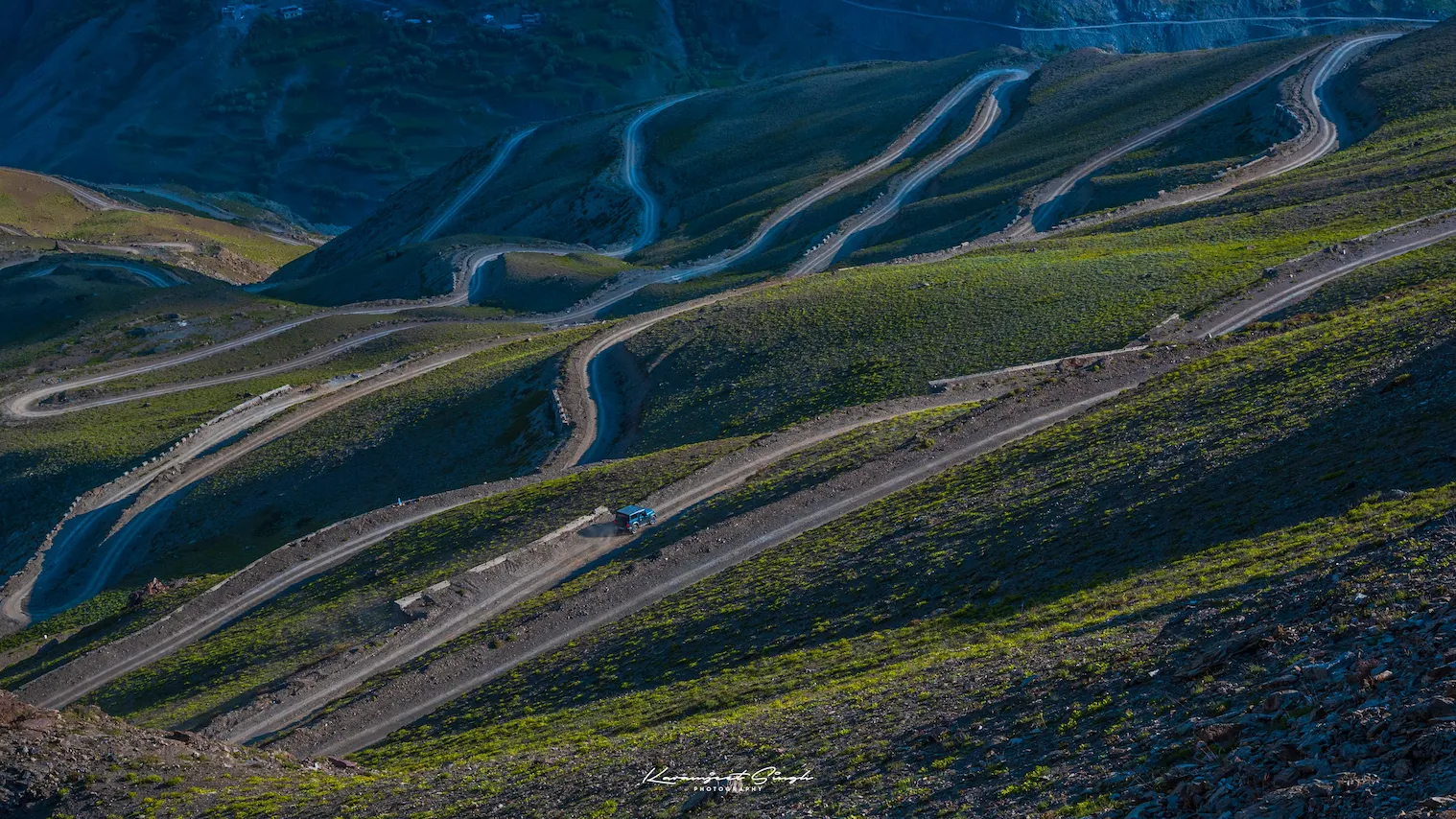
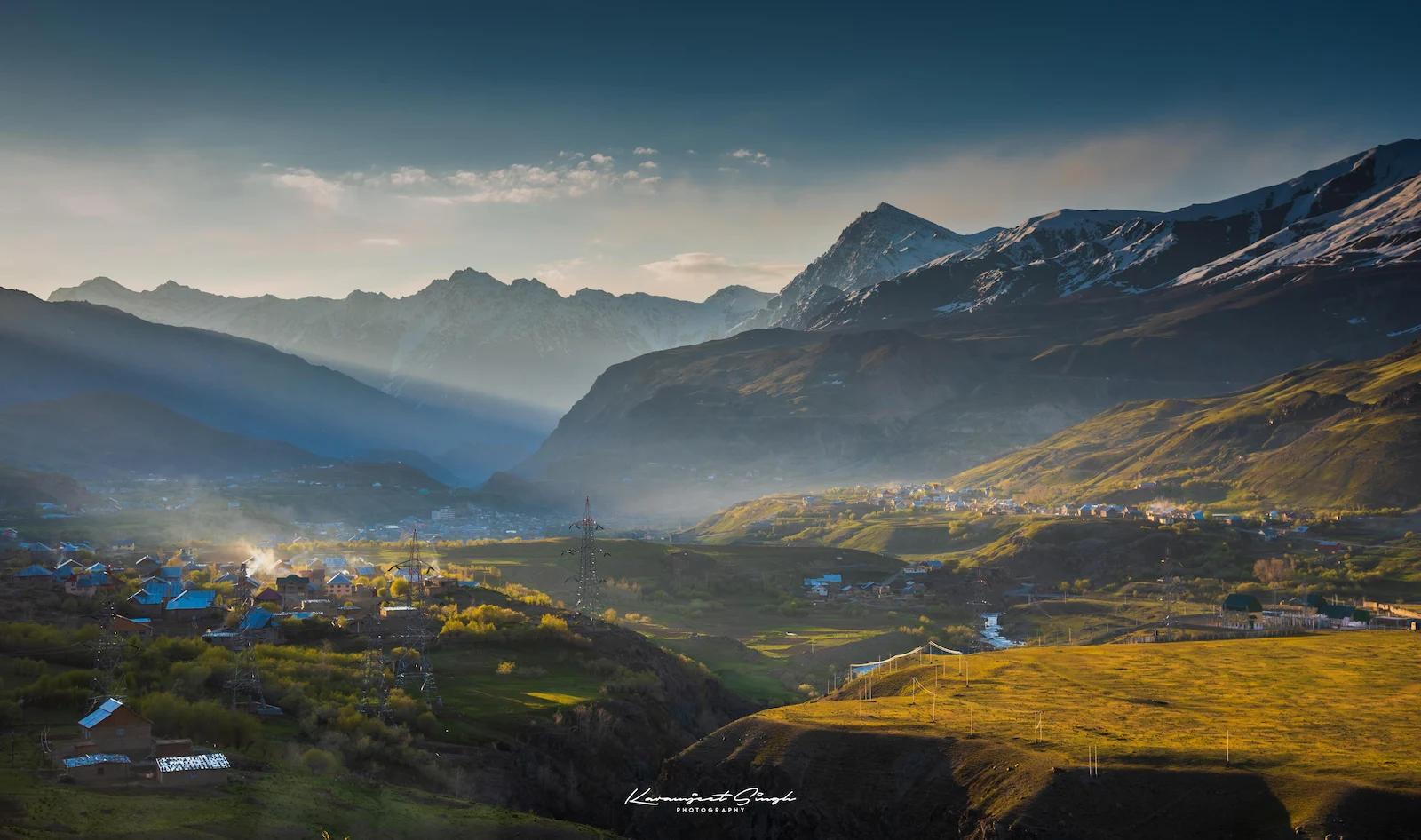
Over the few days of bear tracking in Mushkoh Valley involves, very early morning start (5 AM) with expert spotters, using 4x4s or hiking to high vantage points in subalpine meadows, scanning for bears digging for tubers or berries. depending on the sightings, will have breakfast in the field or at lodge. Midday mostly bears like to sleep so will have time for discussions about conservation, photo editing and story telling sessions. Evening around 3 pm will again set-out for to find bears.
We have last morning to see Bears. Later after breakfast drive back to Leh. Overnight in hotel with all meals.
Morning after leisure breakfast checkout from hotel and transfer to airport for your an hour flight back to Delhi. You will be picked at the airport and transfer to airport hotel with breakfast.
As per you flight detail airport representative will take you to international airport for your flight back home.
Accommodation
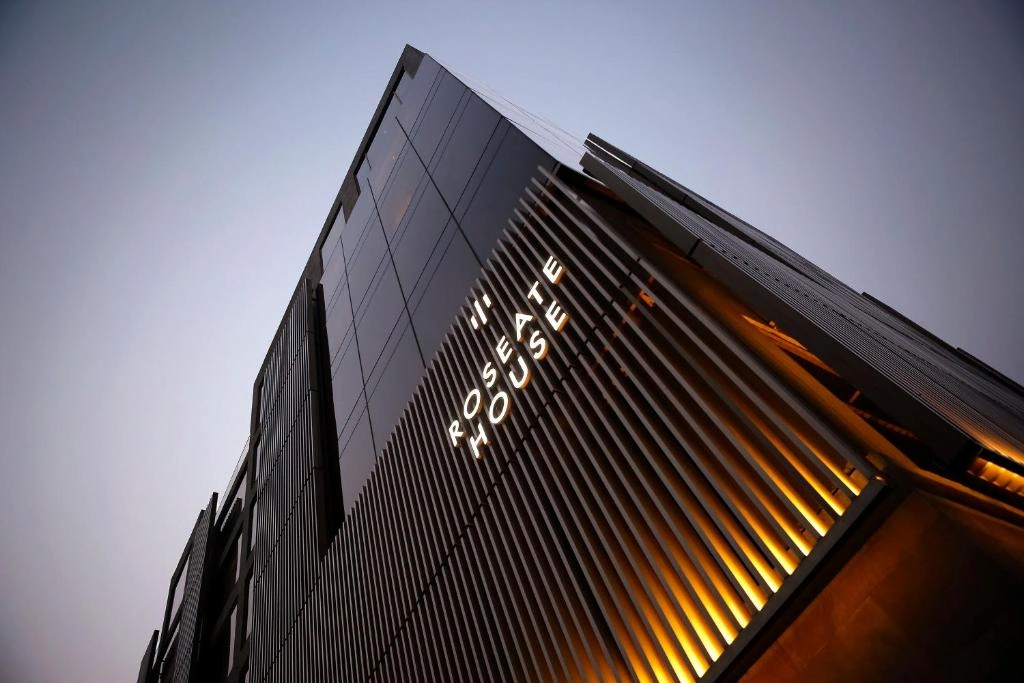
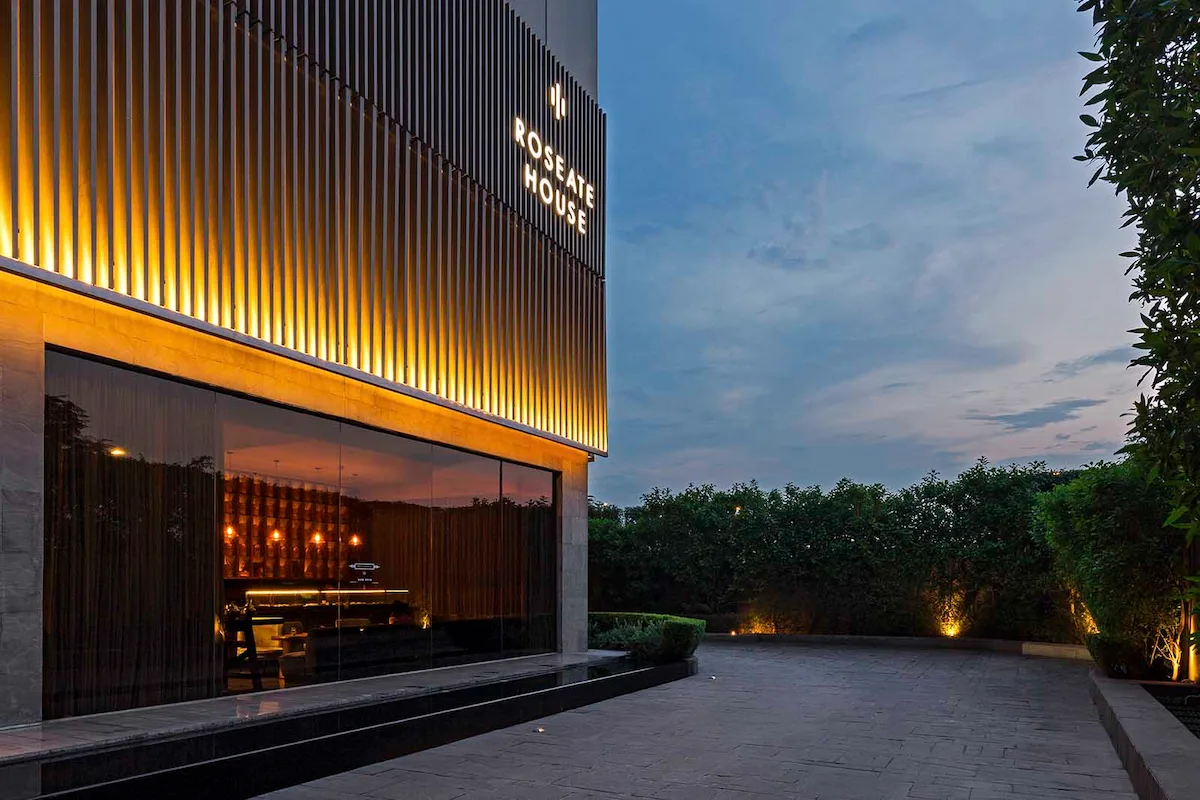
Roseate House
Type: HotelRoseate Hotels & Resorts is a collection of design-led luxury hotels known for elegant architecture, refined experiences, and exceptional dining. With a strong focus on sustainability, attention to detail, and warm, intuitive service, each property offers a unique and immersive stay.


Grand Dragon hotel
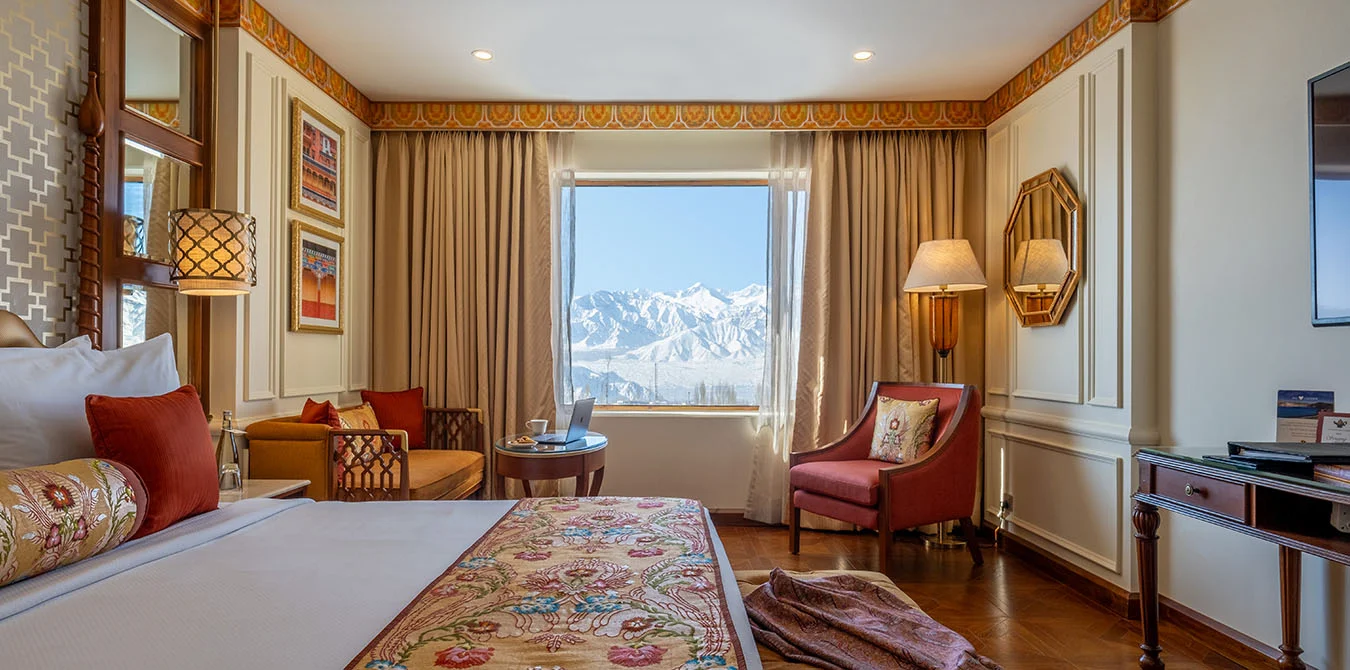
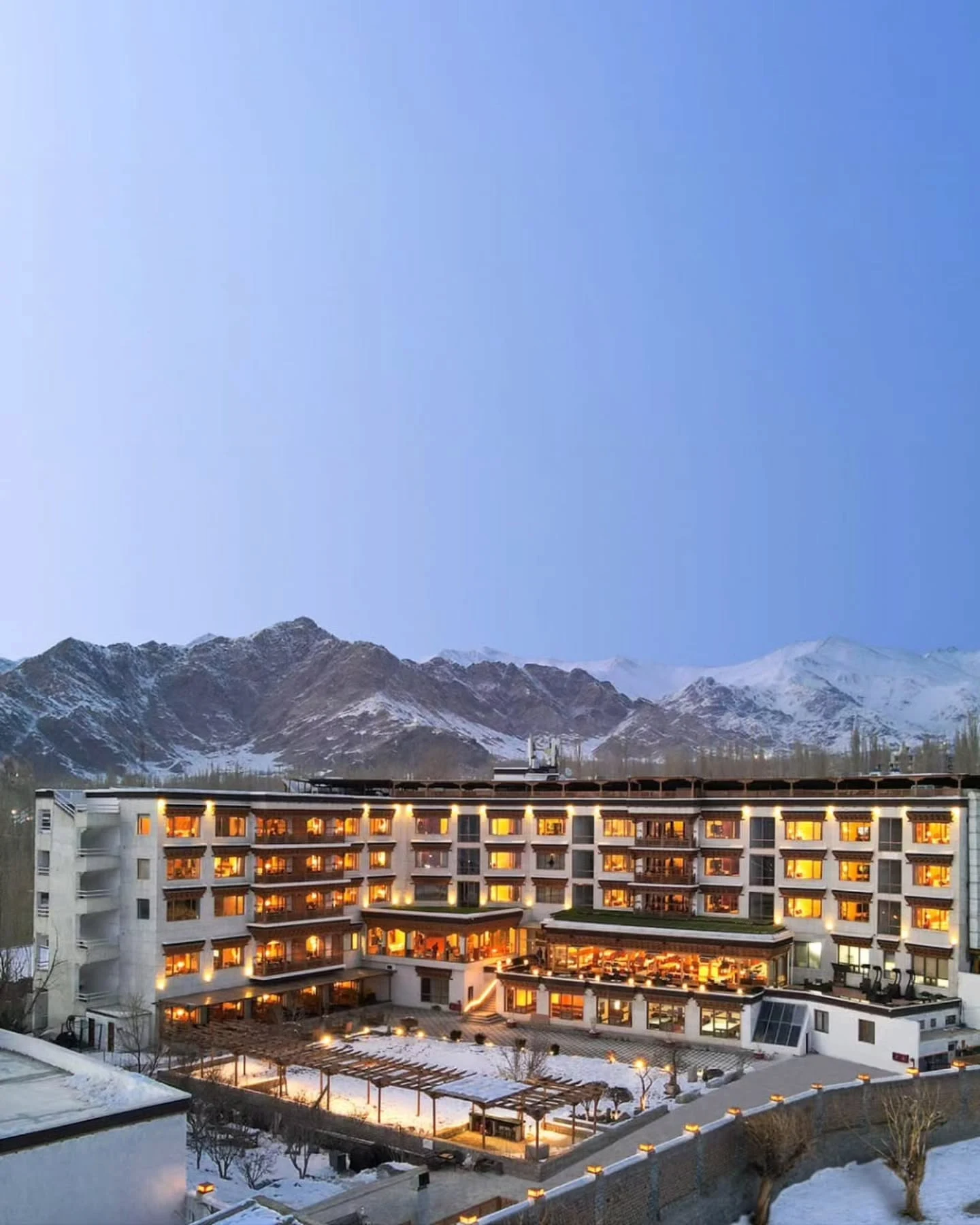
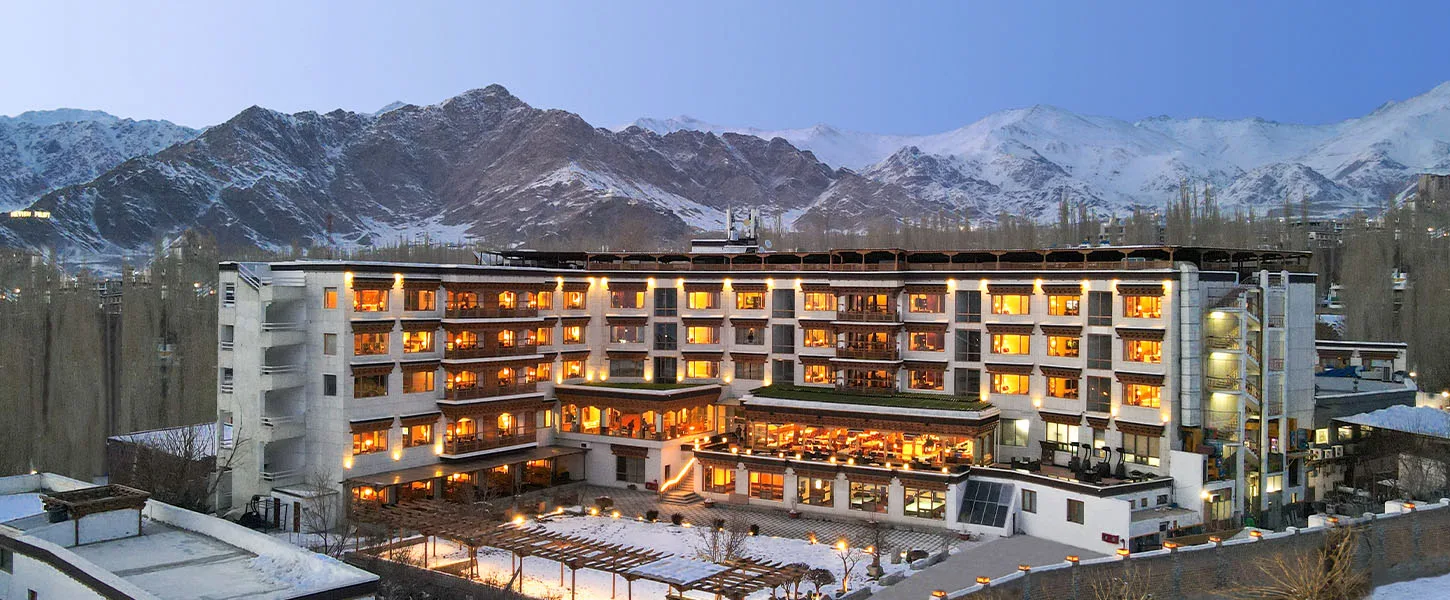
Type: HotelThe Grand Dragon Ladakh is Ladakh’s only 5-star certified hotel, offering luxury and comfort at high altitude in the heart of Leh. Blending traditional Ladakhi design with modern amenities, it is renowned for warm hospitality and a refined stay experience.
Hotel Chospa
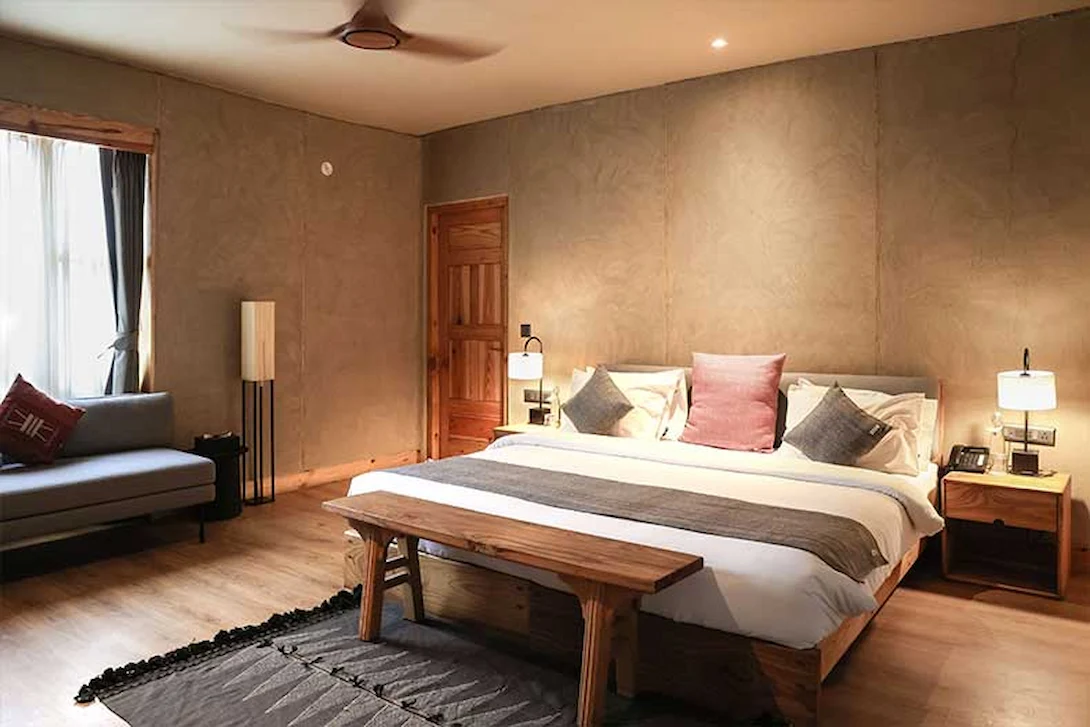
Type: HotelHotel Chospa is a boutique retreat in the heart of Leh, thoughtfully designed to blend contemporary comfort with traditional Ladakhi architecture. With its serene ambience, elegant interiors, and central location, it offers a relaxing and stylish stay close to the city’s main attractions.


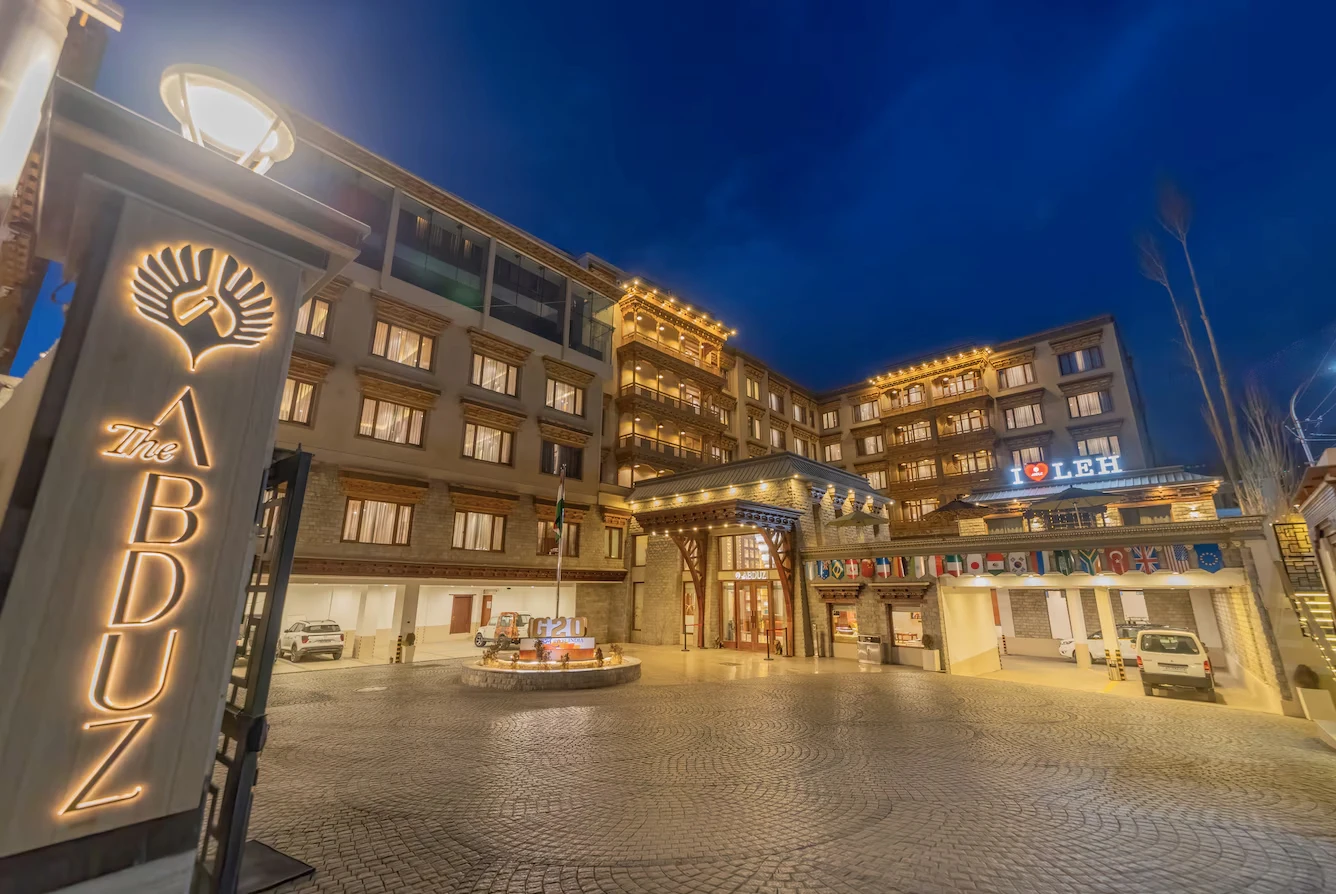
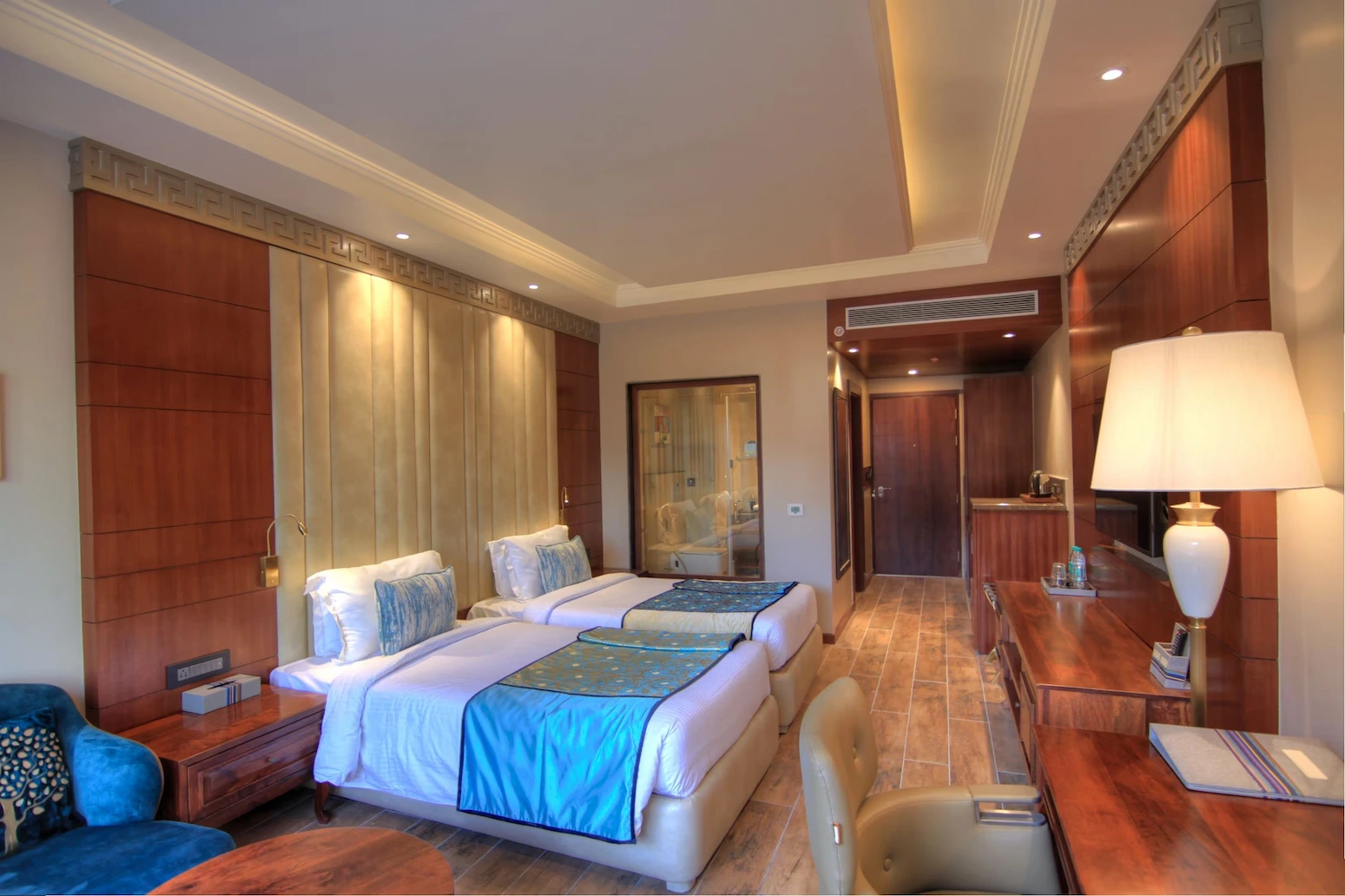
The Abduz
Type: HotelThe Abduz is a stylish boutique hotel in Leh offering elegant interiors, modern amenities, and warm hospitality. Conveniently located near the airport and local market, it provides a comfortable stay with dining, leisure, and wellness facilities.
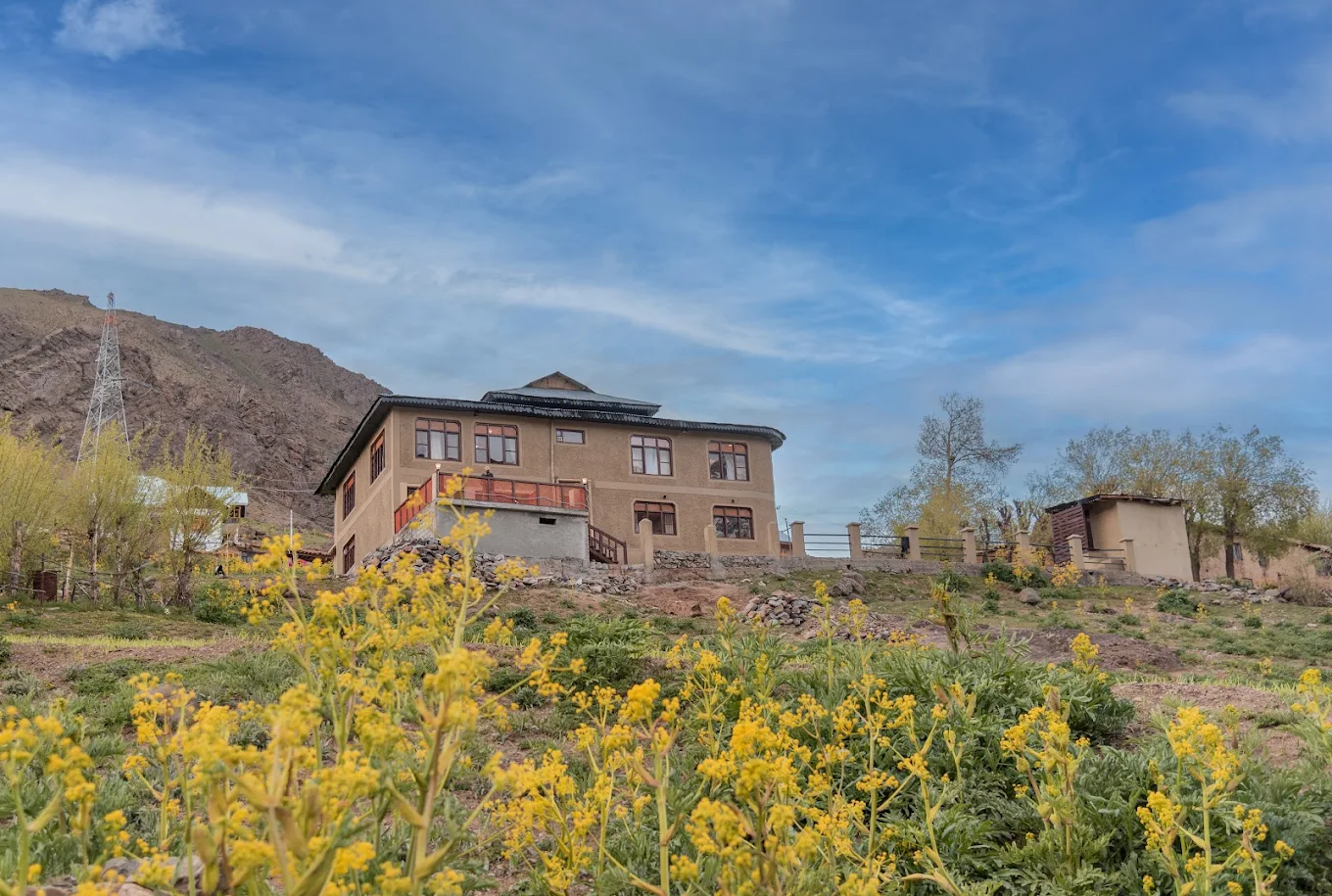
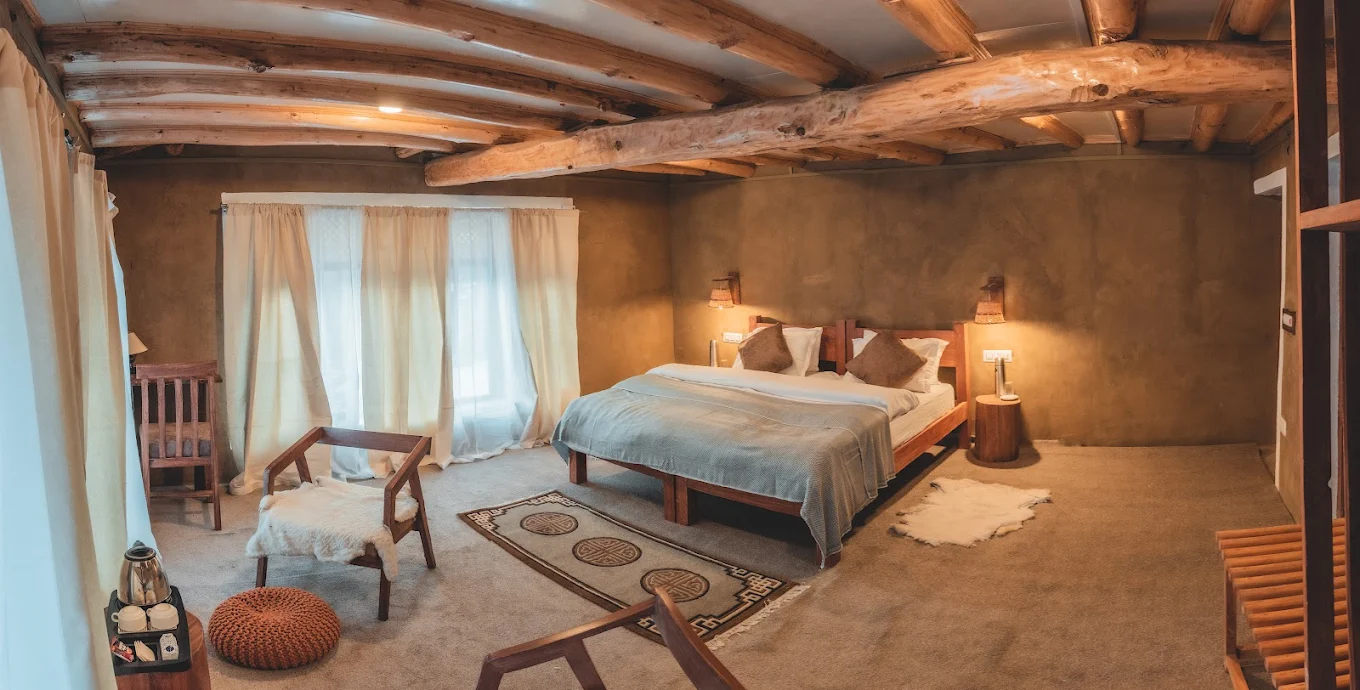
Drenmo Lodge
Type: LodgeDrenmo Lodge, located in Ladakh’s Mushkow Valley, is India’s first exclusive lodge dedicated to the Himalayan Brown Bear (“Drenmo”). It offers a unique blend of luxury and responsible travel while supporting local communities and wildlife conservation.
Dates & Prices
| Start Date | End Date | Double | Single | |
|---|---|---|---|---|
|
05 November 2026
Available
|
13 November 2026 | USD 3,400 Per person | USD 4,200 Per person | |
|
05 April 2027
Available
|
13 April 2027 | USD 3,400 Per person | USD 4,200 Per person | |
|
14 April 2027
Available
|
22 April 2027 | USD 3,400 Per person | USD 4,200 Per person | |
|
05 April 2028
Available
|
13 April 2028 | USD 3,400 Per person | USD 4,200 Per person | |
|
14 April 2028
Available
|
22 April 2028 | USD 3,400 Per person | USD 4,200 Per person | |
|
03 May 2028
Available
|
11 May 2028 | USD 3,400 Per person | USD 4,200 Per person |
Note: If you want to customize your trip date please click here
Includes & Excludes
Includes
 Hotel in Delhi with breakfast only.
- Airport transfers in Delhi with assistance.
- Domestic airfare from Delhi/Leh/Delhi by economy class.
- All accommodation in Ladakh with all meals.
- All ground transport by Toyota cars.
- Fees to monasteries and parks.
- 1st aid kit and oxygen cylinders in cars, hotels, lodge and homestay.
- Bottled mineral water while traveling and at hotel /guesthouse or homestay filtered RO water.
- Local guide / Tour escort.
- Wildlife spotters team with Swarovski scope and binoculars.
- Donation fee for brown bear conservation.
- Wildlife permits.
- Inner line permits.
Excludes
 International airfare.
- Visa and travel insurance.
- Tips and gratuities for driver / helper.
- Alcohol and beverages.
- Medical expenses beyond 1st aid and oxygen cylinders.
- Any other activities which is not mentioned in the itinerary.
- Laundry.
- Camera equipments [If required, you can ask on rent]
Altitude Information
Acclimatisation is essential and life-saving for any journey to Ladakh. Located in the high Himalayas, Ladakh sits at extreme altitudes where oxygen levels are significantly lower than at sea level. Leh, the main entry point for most travellers, is situated at approximately 3,600 meters (11,500 ft), making proper acclimatisation crucial before moving to higher regions.
Without adequate acclimatisation, travellers may experience Acute Mountain Sickness (AMS), with symptoms such as headaches, nausea, dizziness, and fatigue. In severe cases, AMS can develop into life-threatening conditions like High Altitude Pulmonary Edema (HAPE) or High Altitude Cerebral Edema (HACE).
To ensure safety, the Leh District Administration enforces a mandatory 48-hour rest period for all visitors arriving by air. This allows your body to gradually adjust to the altitude and reduces the risk of altitude-related illness. Skipping this crucial phase can significantly impact your overall experience and health during the expedition.
Important Acclimatisation Guidelines :
- Take complete rest on your first day in Leh and avoid any physical exertion.
- Drink at least 3–4 litres of water daily to stay well hydrated.
- Avoid climbing stairs, long walks, or any strenuous activity during the initial days.
- Refrain from smoking and alcohol consumption for at least the first 48 hours.
- Consume light, easily digestible meals and maintain a high-carbohydrate diet.
- Preventive medication such as Diamox (Acetazolamide) may help, but should only be taken after consulting a doctor.
- Immediately inform your guide, hotel staff, or travel companion if you feel unwell or notice any symptoms.
Proper acclimatisation ensures a safe, comfortable, and enjoyable experience in Ladakh, allowing you to fully focus on the wildlife, landscapes, and unique cultural encounters this expedition has to offer.
Things To Carry
 Thick down Jacket with hood.
- Warm, windproof fleece upper and lower.
- Pair of snow/ski or insulated cold-weather hiking pants.
- Comfortable warm pants.
- Long-sleeved shirts.
- Warm gloves with inner liners.
- Warm hat which covers ears.
- Fleece neck gaiter.
- Few pairs of Wooden Socks.
- Hiking boots.
- Sport shoe for camp.
- Underwear.
- Warm sleep wear.
- Cash for discretionary gratuities.
- Binoculars.
- Water resistant day bag.
- Headlamp or small flashlight.
- Spare batteries.
- Sun glasses.
- Hand and foot warmers.
- Earplugs.
- Toiletries.
- Sunscreen and lip balm (at least SPF 50)
Extensions
Enhance your expedition with one of these add-on experiences.

 Share Tour
Kanha & Bandhavgarh Tiger Safari - Extension
 7 Days / 6 Nights
Kanha and Bandhavgarh Tiger Safari is one of the finest wildlife journeys in Central India, specially designed for nature lovers, wildlife p...
Frequently Asked Questions
We strictly follow a minimum 48-hour acclimatisation protocol in Leh, including rest, hydration, and gradual activity. This ensures your body adapts properly so you can fully enjoy the expedition instead of dealing with fatigue or illness.
Spring: Bears emerge from hibernation, often seen on snow-covered slopes with cubs
Autumn: Bears are highly active as they prepare for hibernation
The Mushkoh Valley is the most reliable location in India for sightings, as bears descend into subalpine meadows to forage.
While no wildlife sighting can ever be guaranteed, our expert spotters, deep knowledge of bear movement patterns, and focus on prime habitats significantly increase your chances of observing these rare animals in the wild.
Camera: DSLR or mirrorless with high resolution
Telephoto lens: Minimum 400mm, ideally 500mm–600mm
Tripod: Essential for stability in long-distance shots
Backup camera & batteries: Cold weather drains batteries quickly
Since sightings often happen at a distance, strong telephoto capability is crucial for high-quality images.
We offer premium camera bodies, telephoto lenses, and tripods directly at the destination—saving you from logistical hassle and extra airline costs. All equipment is suitable for rugged high-altitude conditions and includes basic protection against dust and environmental damage.
👉 [Check Camera Rental Options]
Each group is equipped with multiple scopes, ensuring that guests can comfortably observe wildlife even from long distances. This is especially useful for non-photographers who want a clear and immersive viewing experience.
We ensure your comfort by providing:
Heated accommodations where available
Hot water bottles in beds
Proper insulation and warm meals
Guidance on clothing and gear
Our goal is to make sure you stay warm, comfortable, and focused on the experience.
Oxygen cylinders in all vehicles
First-aid kits at lodges and camps
Access to nearby medical facilities
Rapid evacuation support to Leh if required
Our team is trained to handle altitude-related issues and emergencies efficiently.
It acts as a natural corridor where bears descend from high-altitude glacial zones to forage in meadows. Combined with expert local knowledge and minimal disturbance, this makes it the ultimate destination for observing this rare species.
Why With
Elite Expedition India
Choosing Elite Expedition India means joining India's premier snow leopard photography expeditions with a proven 100% success rate. We take you deep into the remote high-altitude habitats of Hemis National Park, Spiti Valley, and beyond with elite local trackers, master naturalist-photographers, and professional Swarovski optics. Capture rare, intimate moments of the elusive Ghost of the Himalayas responsibly while contributing directly to conservation.
Travel with purpose into some of the world’s last wild places, where nature remains raw and untamed. Every expedition is thoughtfully designed to respect wildlife, support local communities, and contribute to conservation—ensuring your journey leaves a positive footprint long after the adventure ends.