
- Home
- About Us

- Expeditions
-
Ladakh Wildlife
- Customize Tour
- Gallery
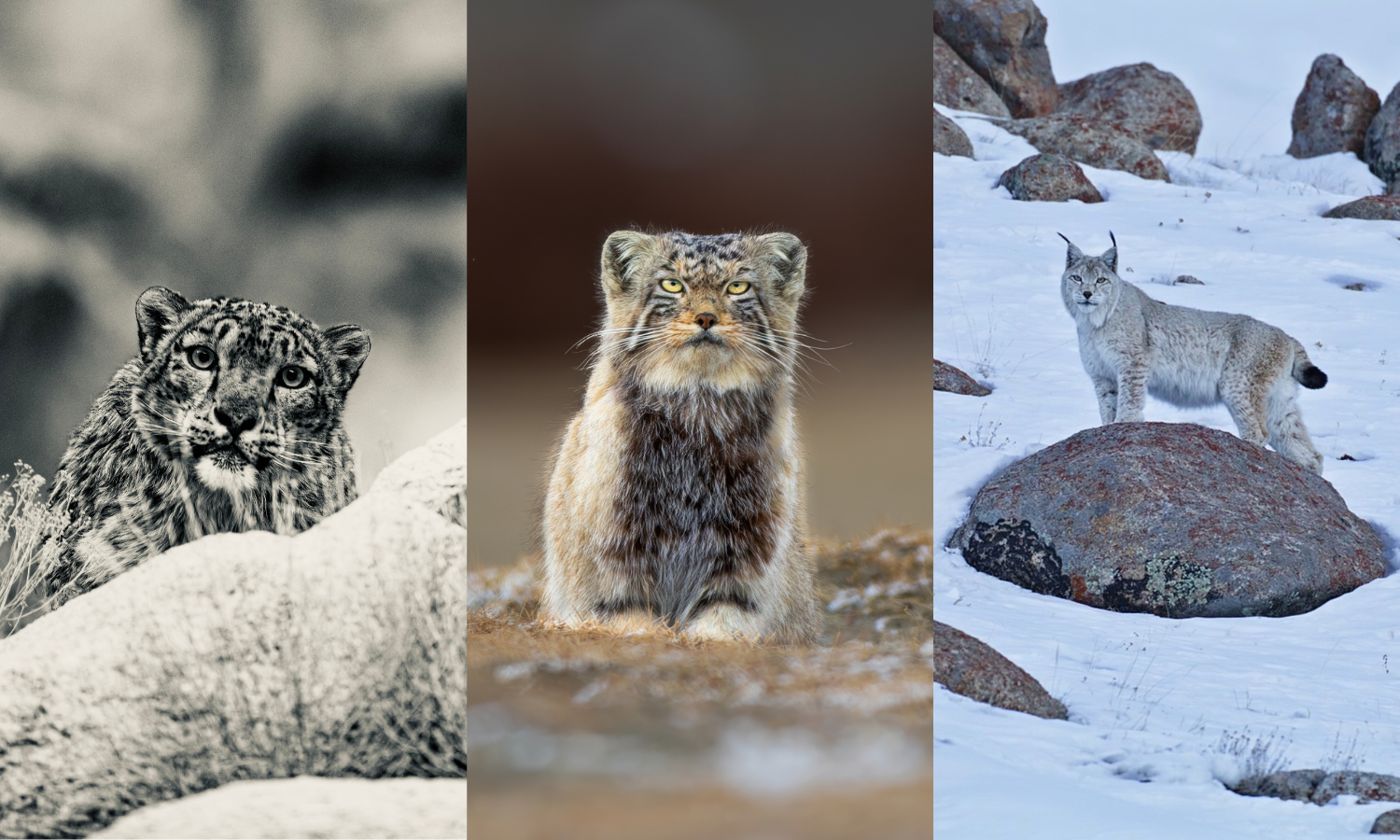
Deep in the remote highlands of Ladakh, a rare trio of the world’s most elusive and captivating wild cats roams the rugged mountains and windswept plateaus.
This extraordinary expedition offers a once-in-a-lifetime opportunity to track, witness, and photograph all three species in their natural habitat.
Led by Elite Expedition’s most experienced local wildlife specialists, including renowned trackers Abdul Rashid and Karamjeet Singh, this journey is built on years of field expertise and successful sightings. Their team has consistently documented all three elusive cats in the wild, offering guests an unmatched level of access and insight.
More than just a wildlife tour, this expedition is an immersive experience into the heart of Ladakh. From remote Himalayan villages to untold conservation stories, every moment brings you closer to both the landscape and the life it sustains—delivering rare encounters with some of the most extraordinary felines on Earth.
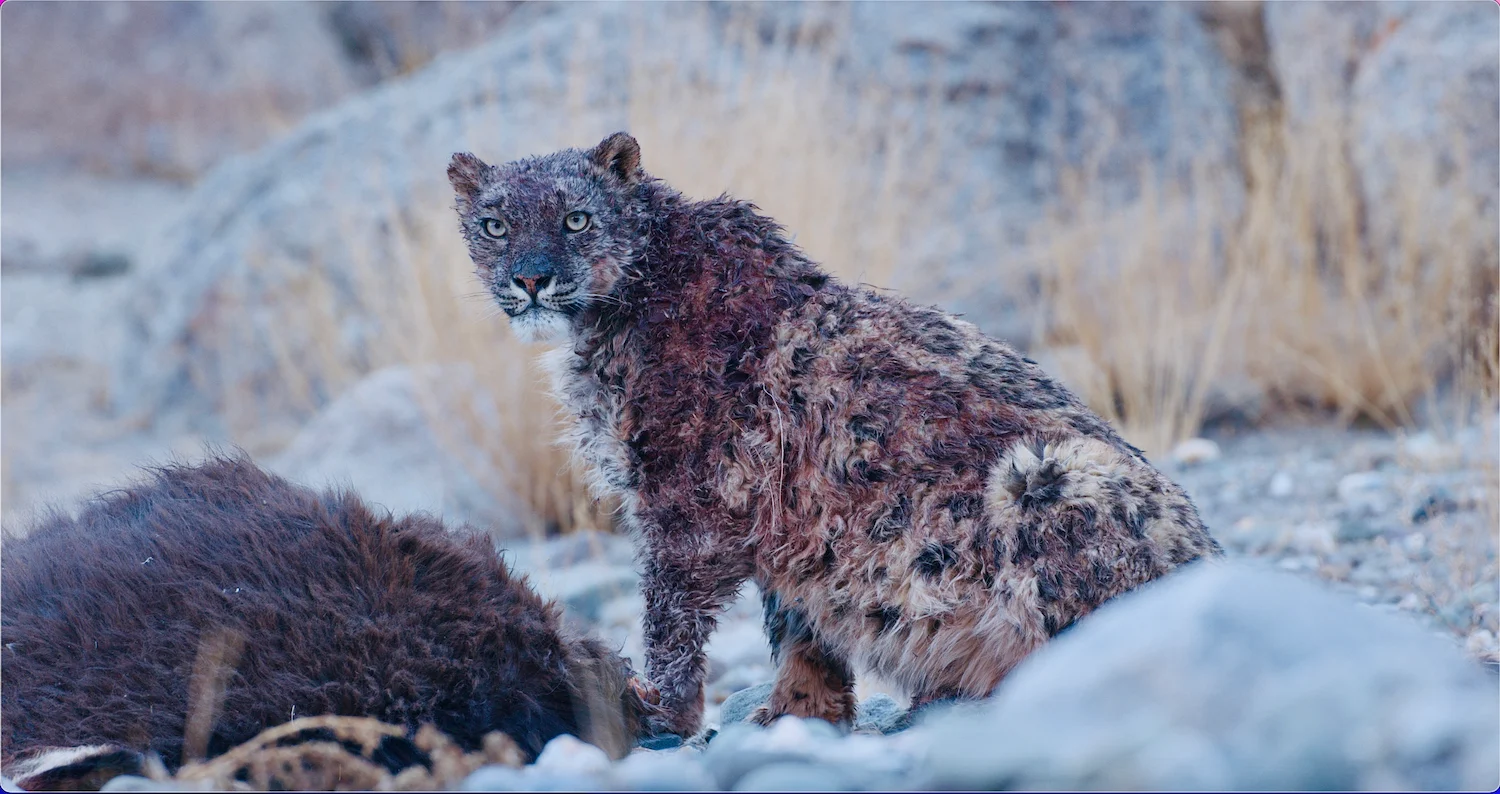
The Snow Leopard (“Ghost of the Mountains”)
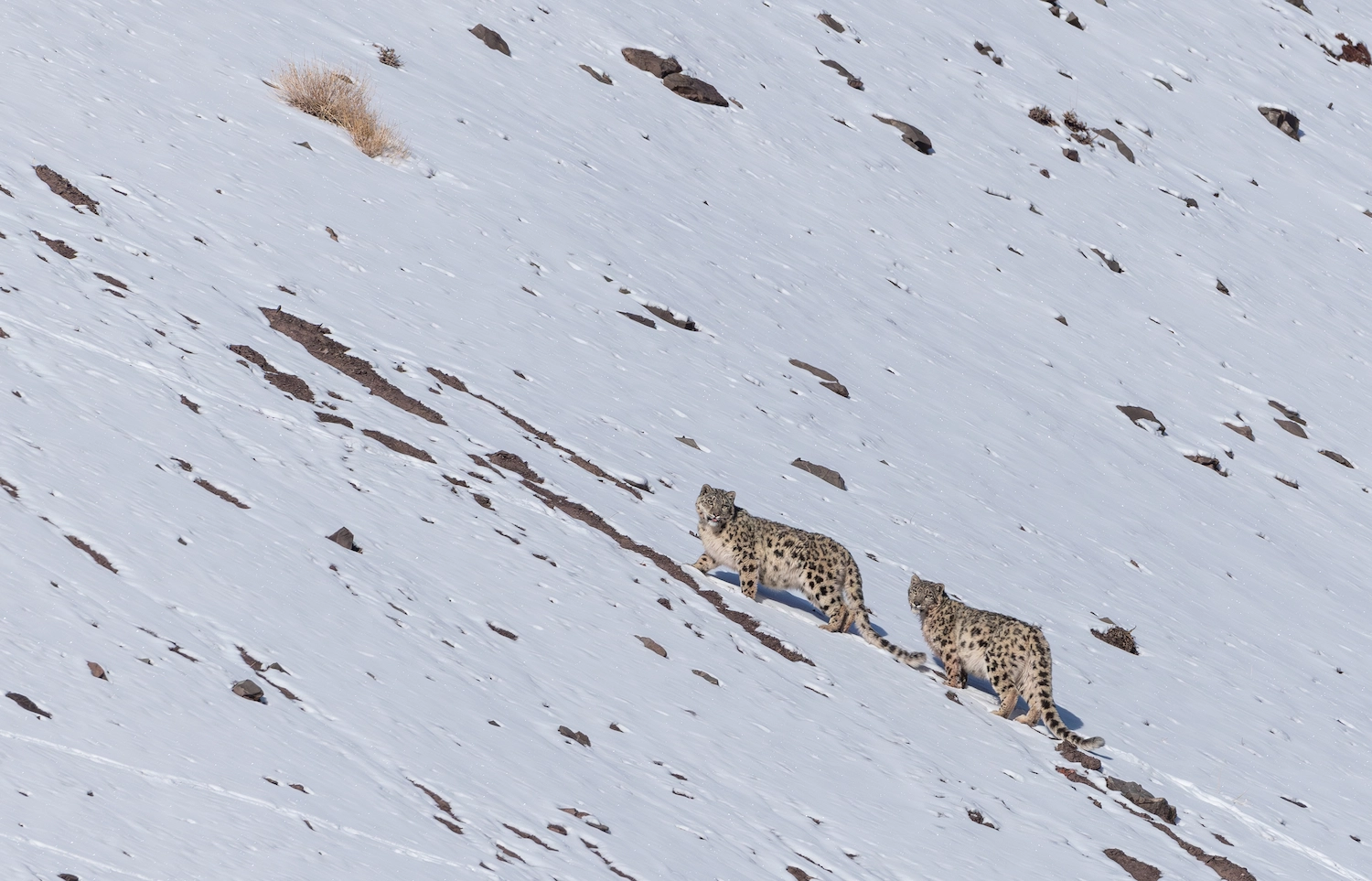
The ultimate prize of the Himalayas. With its thick, smoky-grey fur and powerful build, the snow leopard is a master of camouflage—almost invisible against the cliffs it calls home. Silent, rare, and incredibly elusive, it reigns as the king of this high-altitude world.
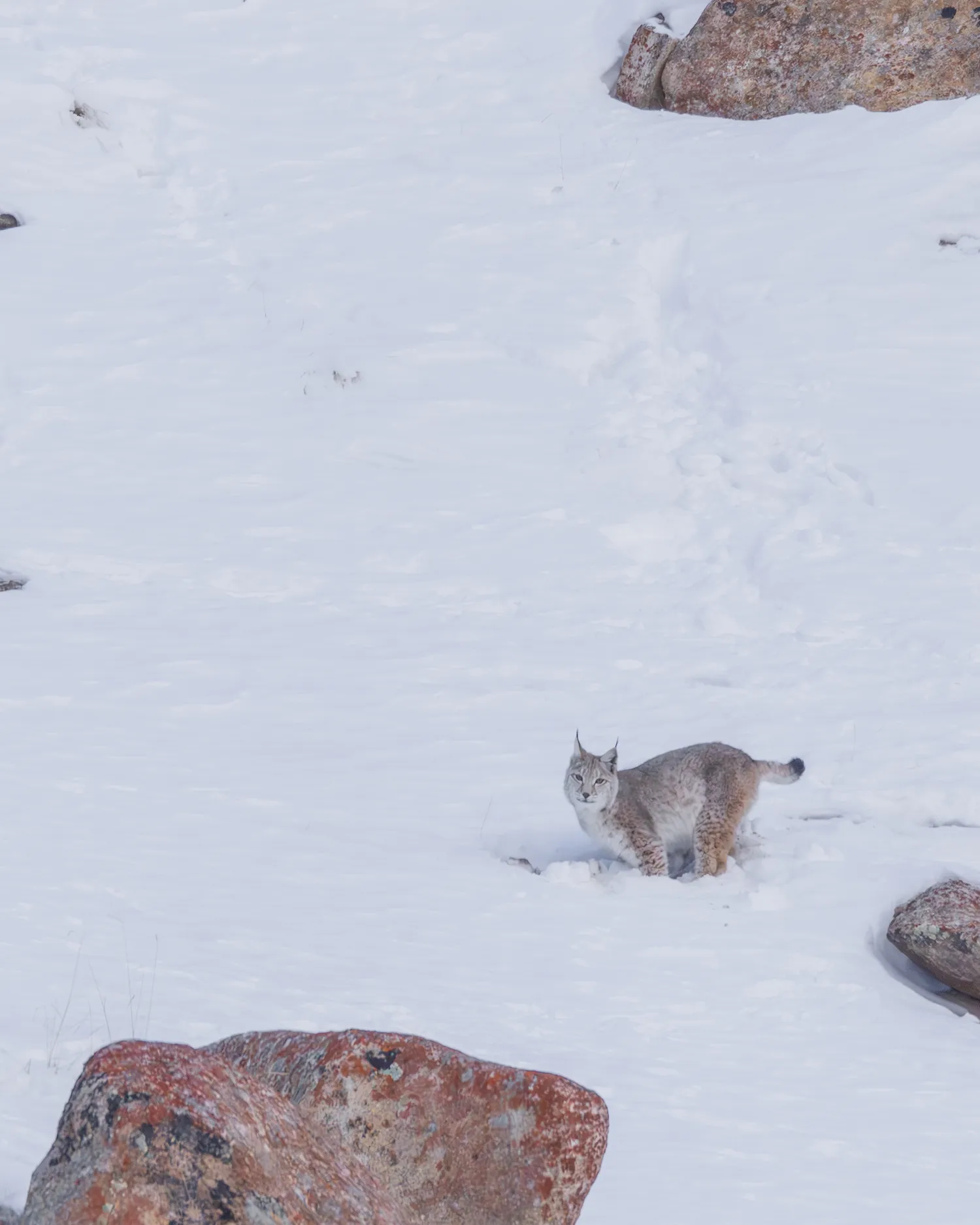
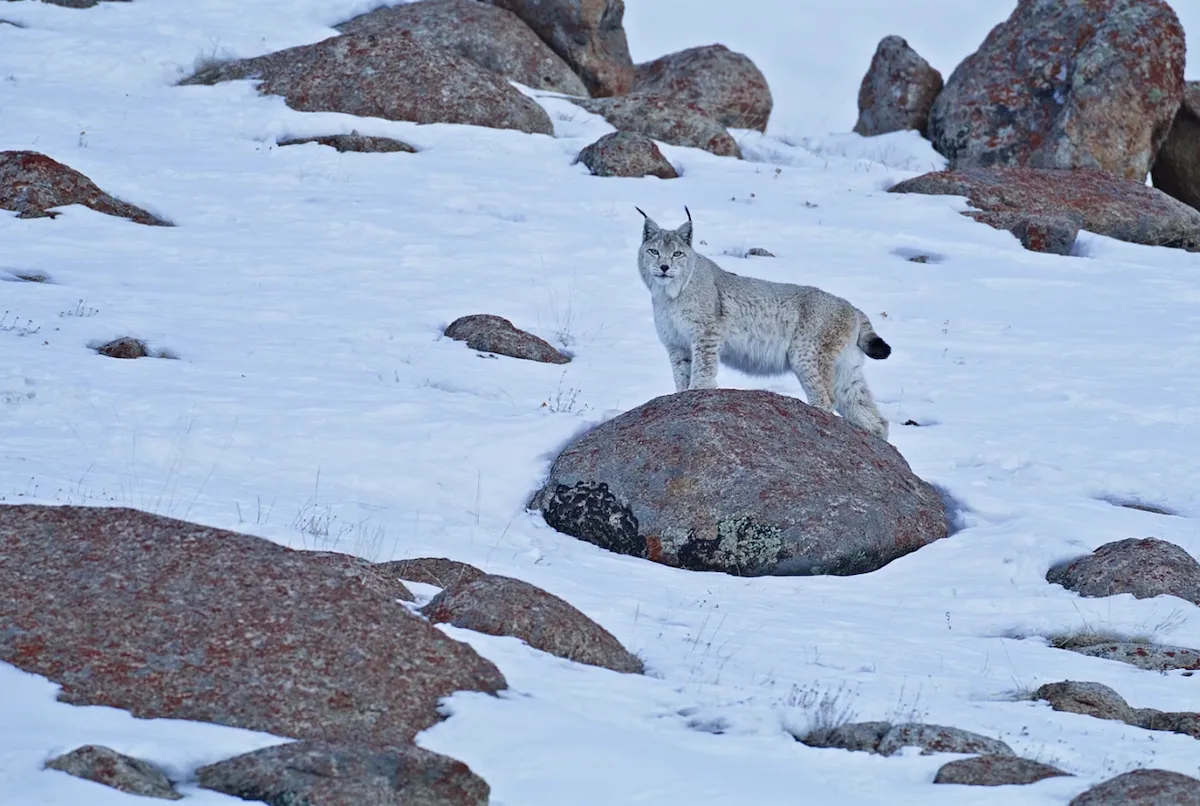
The Eurasian Lynx (“The Tufted Hunter”)
Recognised by its distinctive black ear tufts and sharp gaze, the Eurasian lynx is a stealthy and agile predator. It prefers rocky valleys and broken terrain, making it a challenging yet thrilling species to track and observe in the wild.
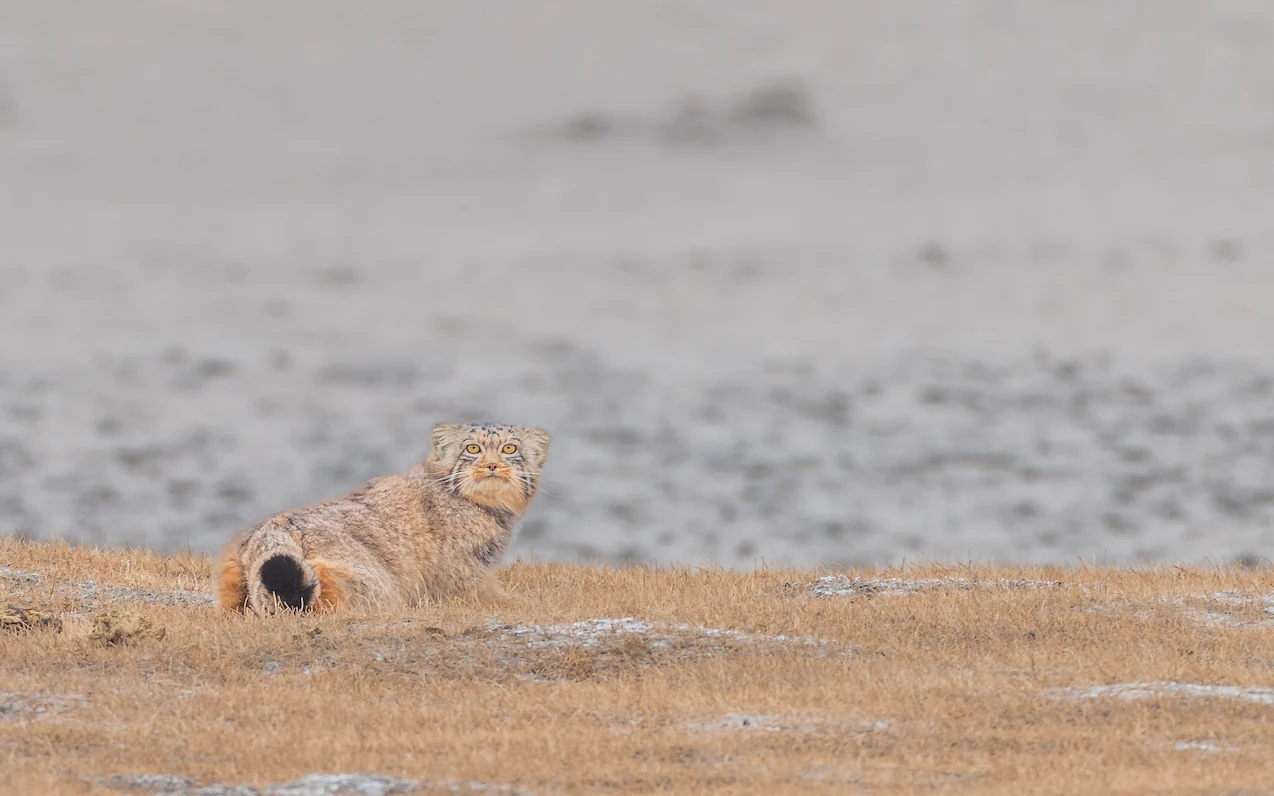
The Pallas’s Cat (“The Fluffy Grump”)
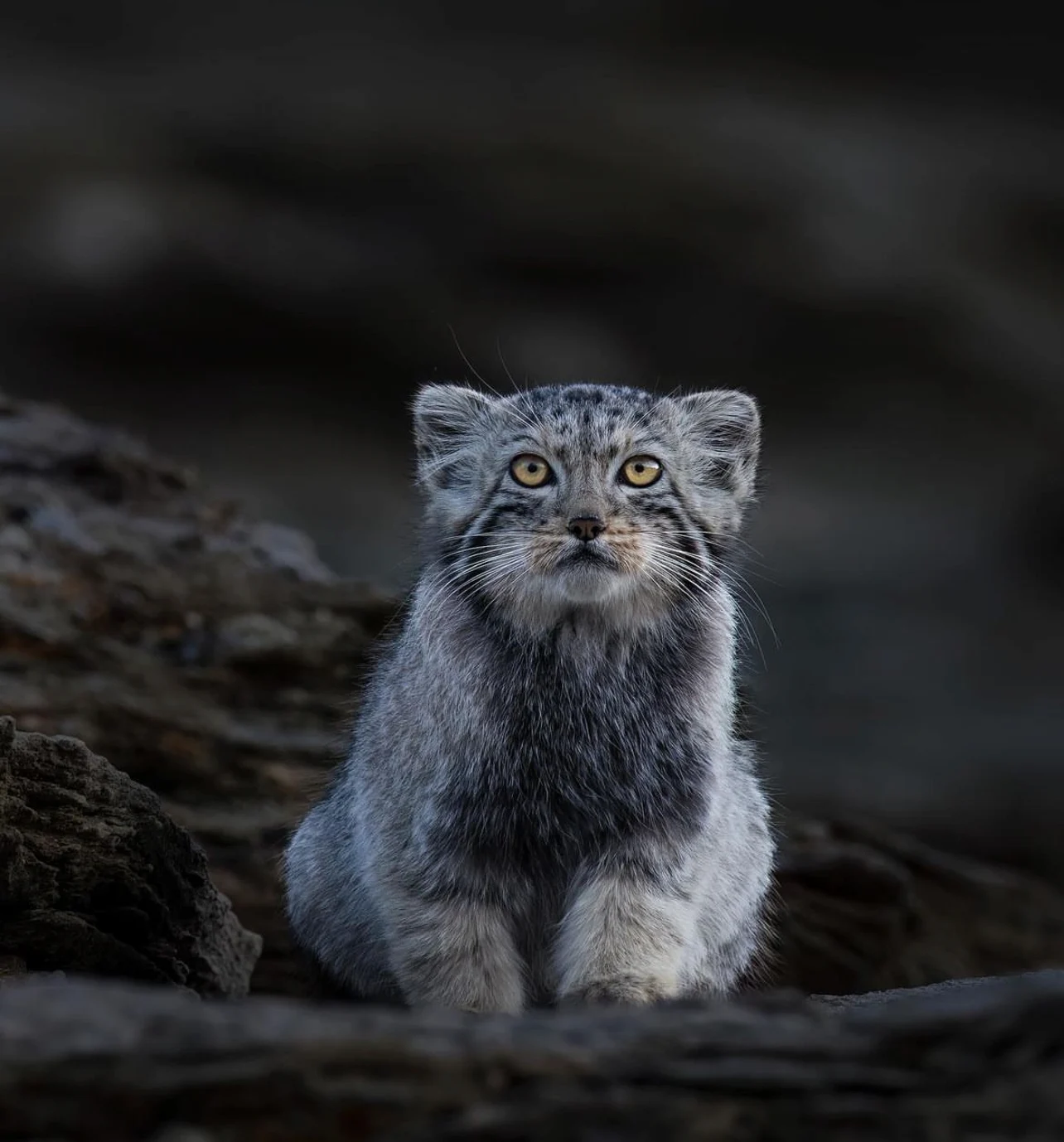
The smallest of the three, yet one of the most unique. With the thickest fur of any cat species, the Pallas’s cat is perfectly adapted to survive the extreme cold of the open plains. Its round face and intense expression give it a permanently grumpy appearance, making it one of the most fascinating sightings of the expedition.
.webp)
Meet our expert tracking team, the finest local guides for winter wildlife expeditions in Ladakh. Born and raised in these high-altitude mountains, they possess an unmatched, lifelong knowledge of the rugged terrain and animal behaviour. Their exceptional tracking skills allow them to read the subtlest signs in the snow, ensuring you safely spot elusive creatures like the snow leopard.
Our wildlife tours take you directly into the world's absolute best habitats for spotting rare mountain wildlife. We operate exclusively in Ladakh's top tracking zones, including Hemis National Park, Ulley and Mangue region of Ladakh. These legendary landscapes offer the highest density of snow leopards and unique high-altitude wild animals on Earth. By exploring these pristine territories you maximize your chances of witnessing incredible wildlife encounters in their true wild element.
For over a decade, we have used the world's best equipment to track snow leopards and rare mammals across Ladakh. We provide our guests with top-tier optics, including ultra-sharp Swarovski BTX spotting scopes and high-frequency radios and binoculars that reveal hidden wildlife from miles away. To navigate the rugged mountain terrain safely and comfortably, our expeditions rely exclusively on powerful 4x4 Toyota vehicles. This premium combination of advanced technology and reliable transport ensures you never miss a once-in-a-lifetime sighting.
We ensure your winter expedition is perfectly warm by providing top-tier, insulated lodges with centrally heated rooms, bathrooms, and dining areas. Every accommodation is strategically located directly inside Ladakh's prime snow leopard habitats. This guarantees you enjoy ultimate comfort right in the heart of the wild.
Upon arrival at Delhi's Indira Gandhi International Airport, you will be greeted by our airport representative, who will be waiting in the arrival hall holding a placard with your name. After a warm welcome, you will be transferred to your hotel, conveniently located near the airport for your onward flight to Leh the following day. Our representative will provide a brief introduction to Delhi, explain the arrangements for your upcoming journey and confirm your flight details and pick-up time for the next morning. He will also assist you with hotel check-in and check-out procedures to ensure a smooth and comfortable start to your adventure. Overnight in hotel with breakfast basis.
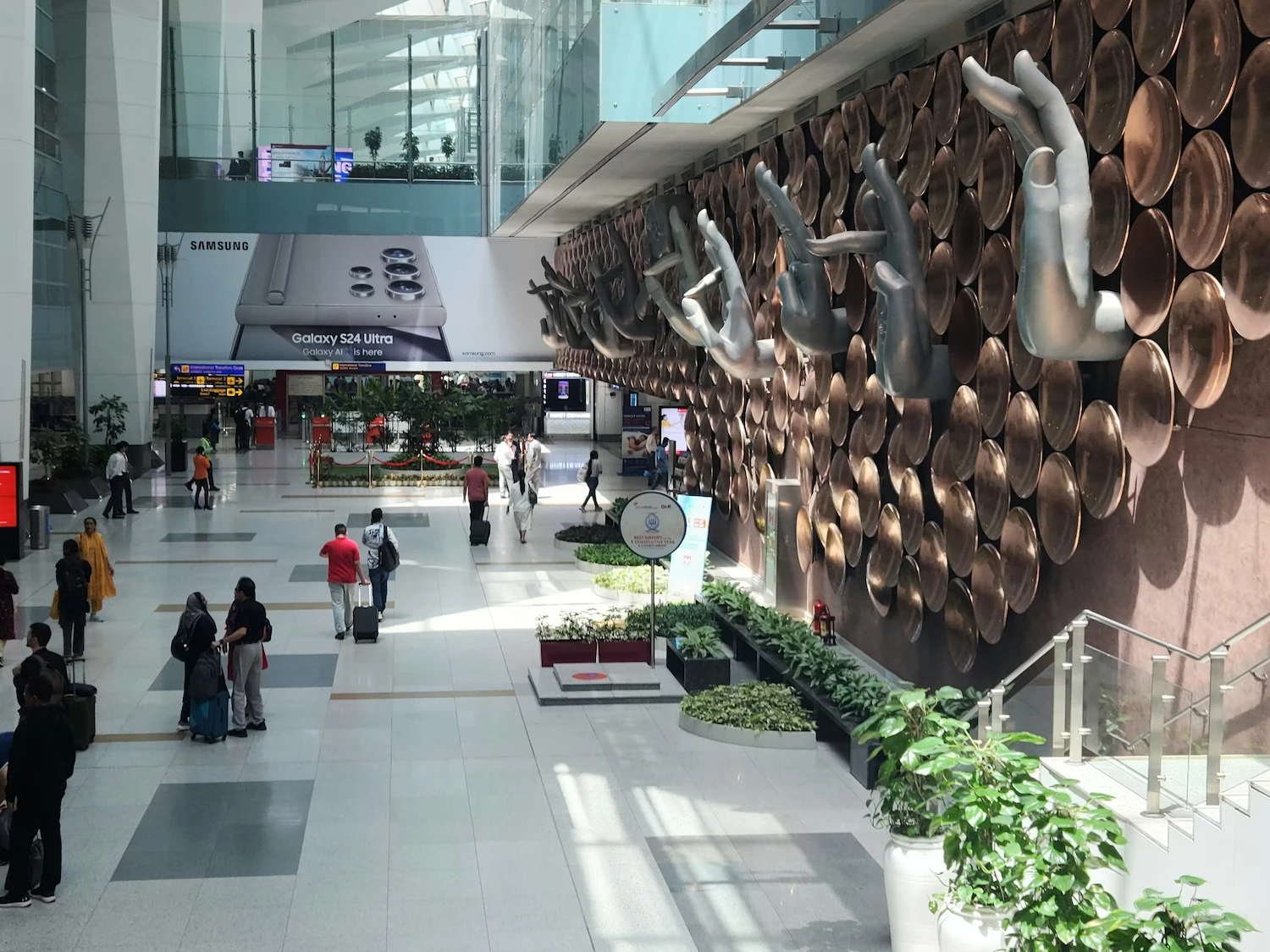


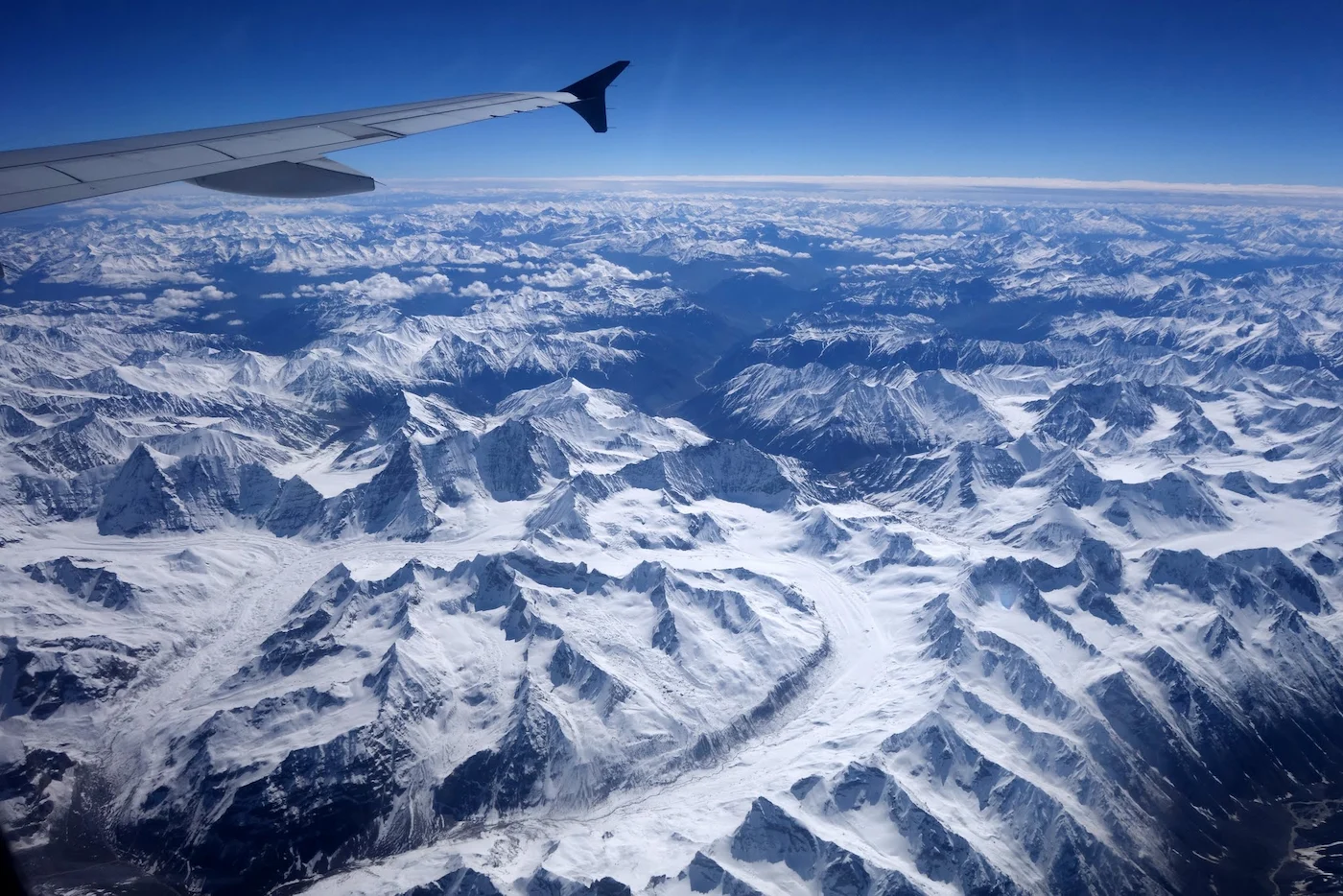
After breakfast, our airport representative will assist you with check-out from the hotel and transfer you to Delhi Airport for your flight to Leh. If a tour escort is accompanying the group, they will assist with all airport formalities and ensure a smooth journey. The flight to Leh takes approximately one hour and offers spectacular views of the Himalayan mountain range with countless snow-capped peaks visible along the way. We always try our best to arrange window seats so guests can enjoy these incredible views.
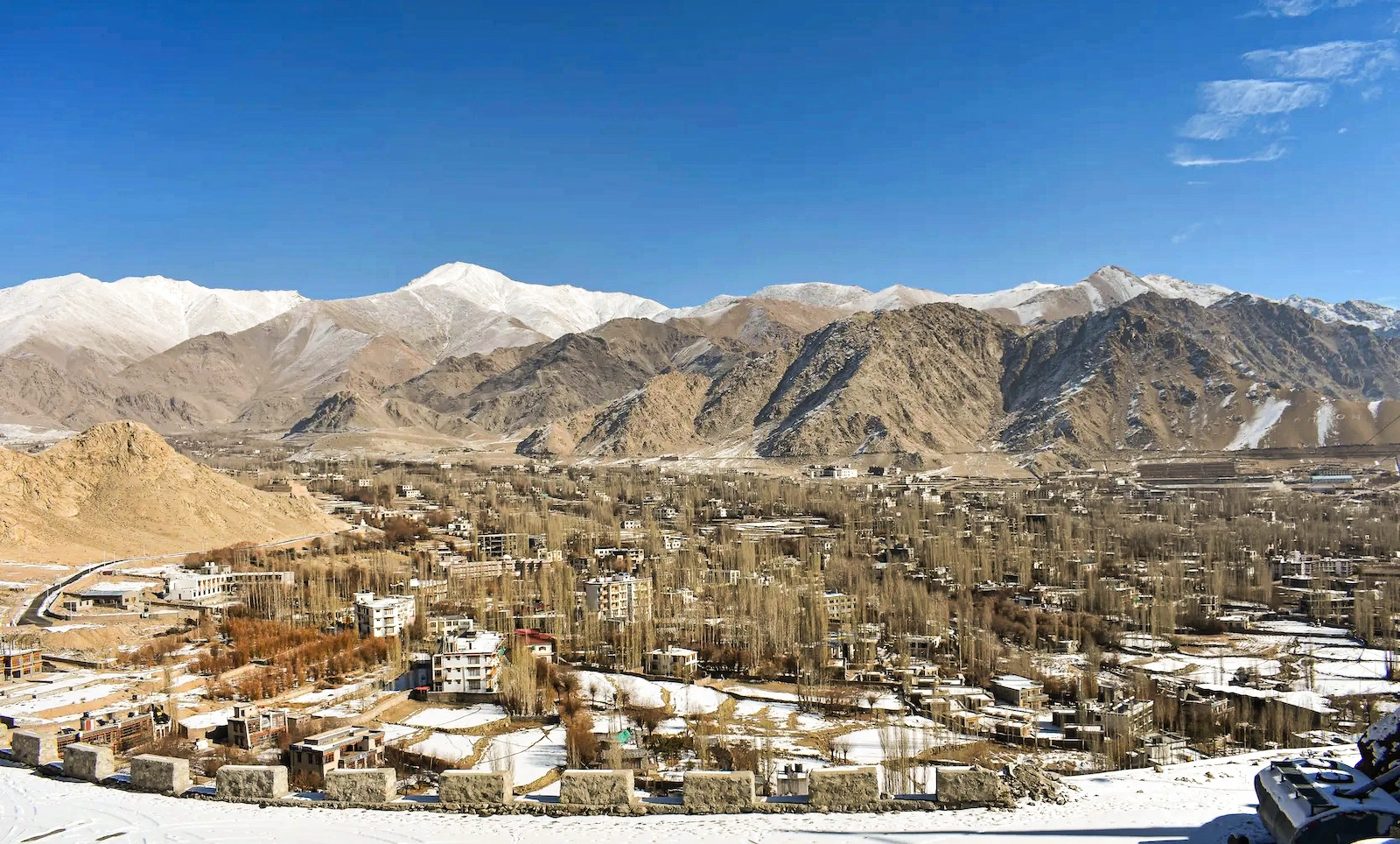
Upon arrival in Leh (3,500 metres / 11,500 feet above sea level), please put on a warm jacket and cover your head before leaving the aircraft. Inside the arrival hall, you may be required to complete a simple tourism registration form with details such as your name, passport number, visa number, address, country of origin, duration of stay, and local reference.
After collecting your luggage, you will be welcomed by your local guide outside the airport and transferred to your hotel in Leh, just a 10-minute drive away. Your guide will assist with check-in and provide a briefing on acclimatisation, expedition plans, important dos and don’ts, and the schedule for the coming days. All meals are included during your stay in Leh.
The remainder of the day is reserved for complete rest to help your body acclimatise to the high altitude. Please scroll down to learn more about acclimatisation and staying healthy at altitude.
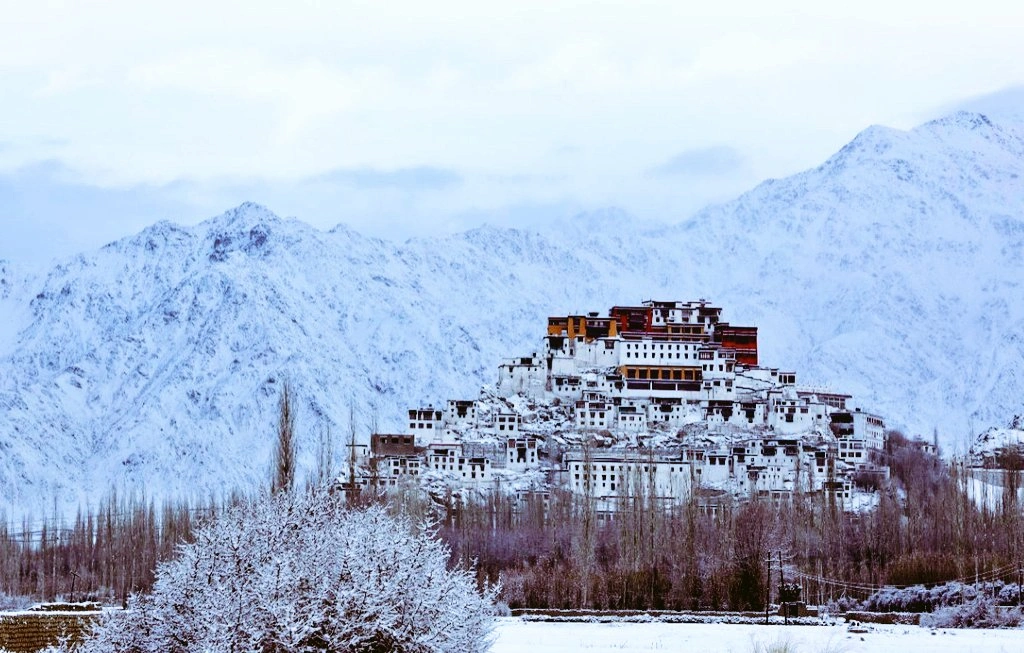
Today begins with an early morning wake-up call, followed by tea or coffee before departing for a 30-minute drive to the famous Thiksey Monastery. Perched on a hilltop overlooking the Indus Valley, Thiksey is one of Ladakh's largest and most beautiful monasteries, known for its impressive architecture and magnificent 15-metre-high Maitreya Buddha statue.
We will attend the morning prayer ceremony, offering a unique opportunity to experience monastic life, observe the monks' daily rituals, and enjoy excellent photography opportunities. During our visit, we will explore the main prayer hall, the giant Buddha statue, protector chapels, the Dolma (Tara) temple, and rooftop areas where monks often perform traditional conch shell blowing ceremonies. After approximately two hours at the monastery, we return to the hotel for breakfast. The remainder of the morning is free for relaxation and acclimatisation until lunch.
In the afternoon, your guide will take you on a walk through Leh's historic old town where you can experience local daily life and purchase any last-minute items needed for the upcoming snow leopard expedition. As this day is also kept flexible for wildlife opportunities, all guests should keep their cameras, warm clothing, and personal gear ready at all times, even while visiting Thiksey Monastery. If we receive reliable information about a snow leopard sighting or a recent kill in the surrounding region, your guide may organise an immediate excursion to the area before returning to the hotel in the evening.
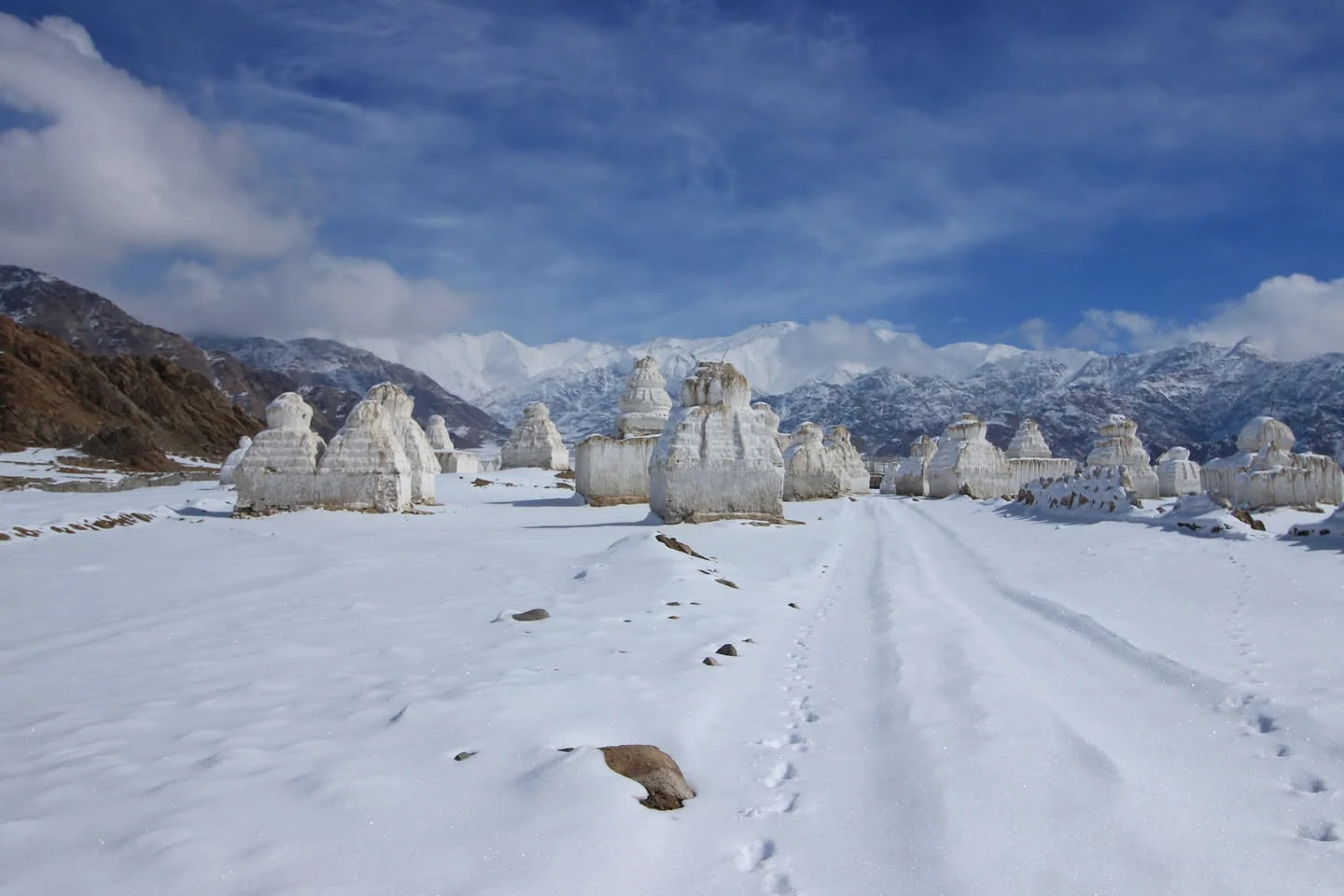
After breakfast drive an hour to snow leopard territory and checkin into wildlife lodge. After lunch set out with spotters to look for snow leopard.
This is how snow leopard tracking works.
Early Morning (6.30 AM): Expert spotters go out at sunrise to look for wildlife, like wild sheep, on the mountain slopes using high-powered scopes and binoculars.
Morning (7:00 AM): Guests wake up to hot coffee and tea. Guides share the morning's tracking news. If a Leopard is Found: You go straight to the spot to see it. Staff will even bring your breakfast to you so you don't miss anything.
Afternoon: Depending on where the animals are, you might also visit local villages. You can try traditional butter tea, hear local stories, and see how villagers protect their farm animals.
Evening: Return to base for drinks and a three-course dinner. You can relax and listen to stories about past expeditions under the stars.
Click to know about Snow Leopard
Click to know about how everyday Snow Leopard tracking works.
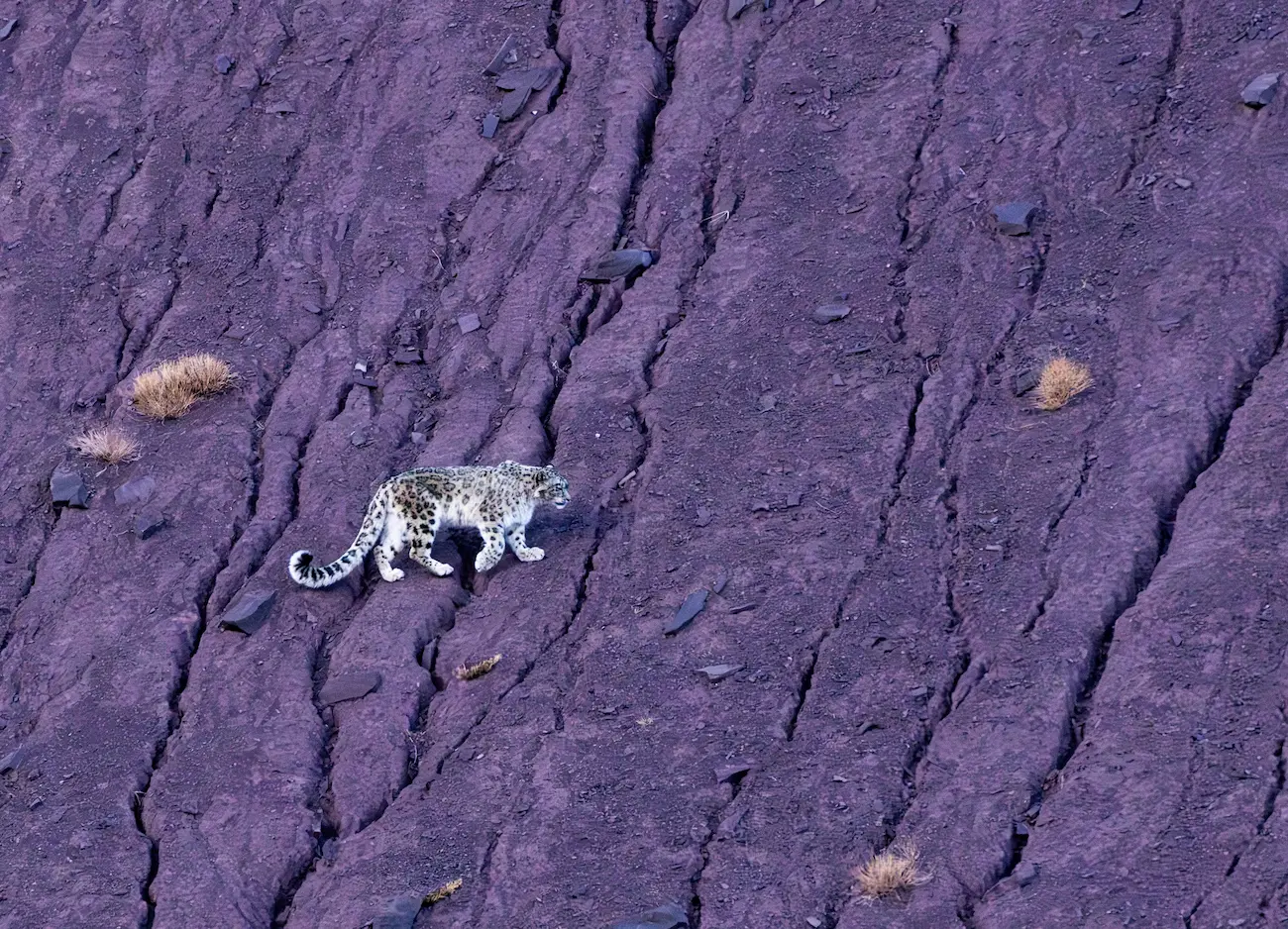
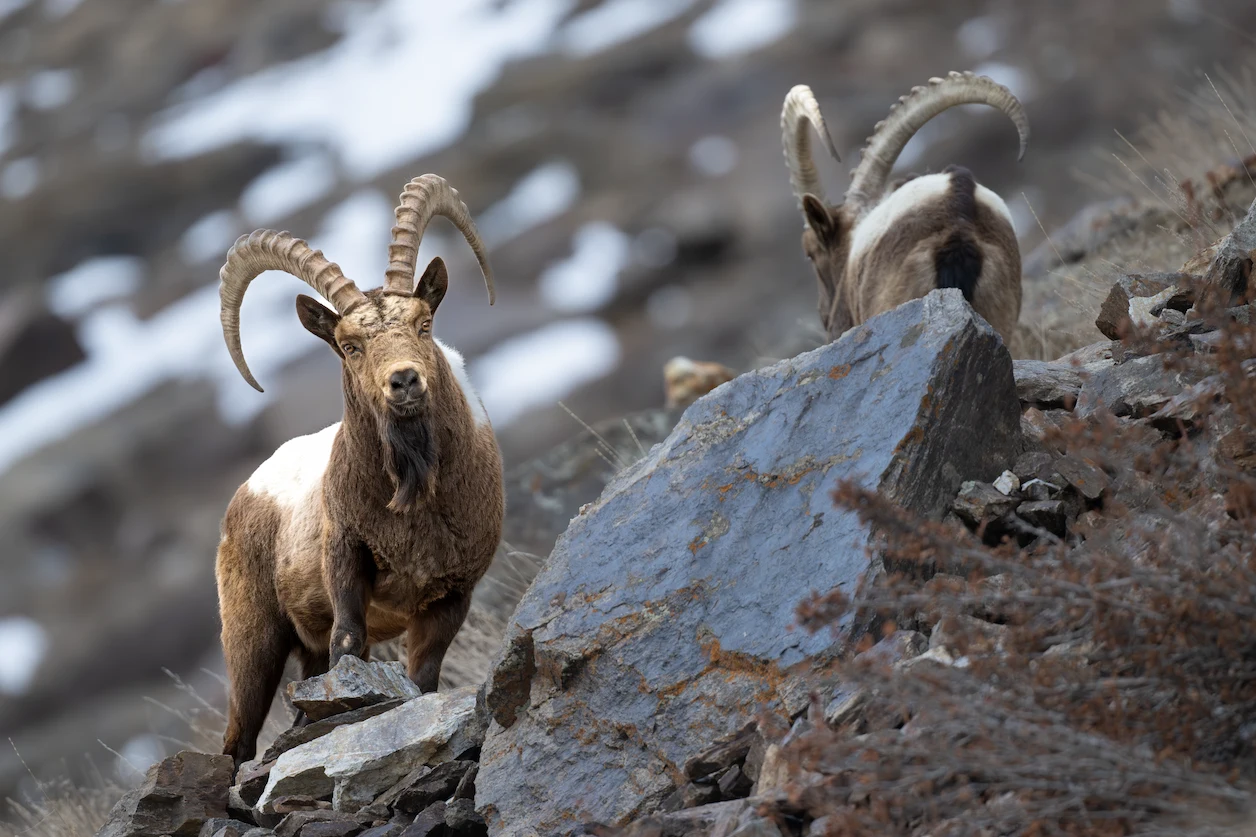
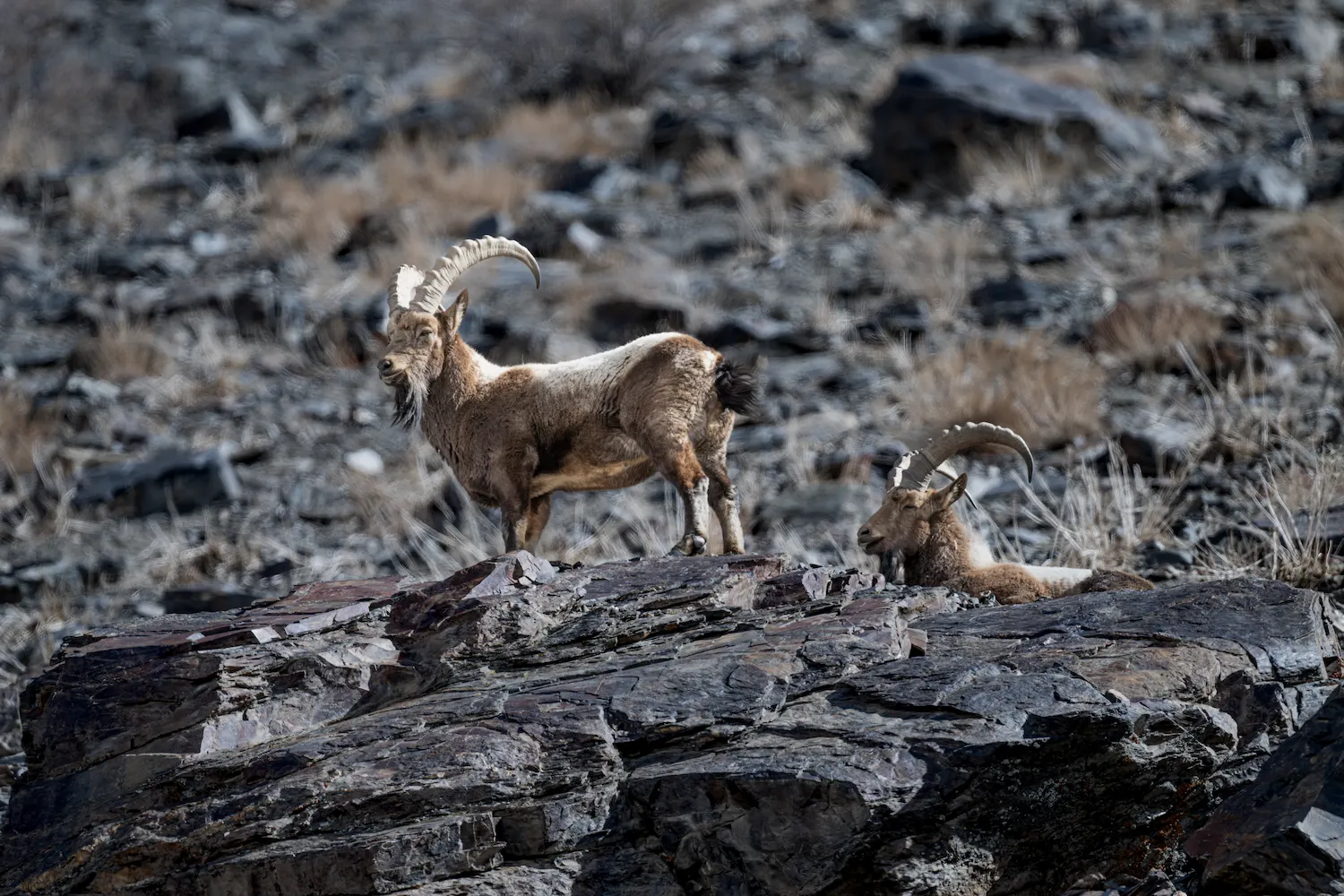
Morning last session for snow leopard sighting. After breakfast drive back to Leh. Reach Leh hotel by lunch. After lunch rest for preparation for next part of the tour. Overnight in hotel with all meals.
Here we will make a base in Leh for another 4 nights and drive everyday for about an hour to Prime Lynx habitat known as Warila. We will spend whole day around warila, Changla and Shanglung. Evening back to hotel. Overnight in hotel with all meals.
Our spotters will be stationed nearby village around Warila which is a prime habitat for the Eurasian lynx, Tibetan wolf and Argali -The largest wild sheep in the world and various birds of prey. Each day, the spotter team will scout different valleys to scan the mountains. If there is a sighting, they will immediately inform us, and we must reach the location as quickly as possible. Our support staff will provide lunch, tea, and snacks in the field, and we will drive back to Leh in the evening. The area is also famous for its stunning monasteries and one of the highest motor-able pass Warila 5,312 meters (17,428 feet), so if no wildlife is spotted, we can always visit these cultural and scenic landmarks instead.
Click to know about Eurasian Lynx
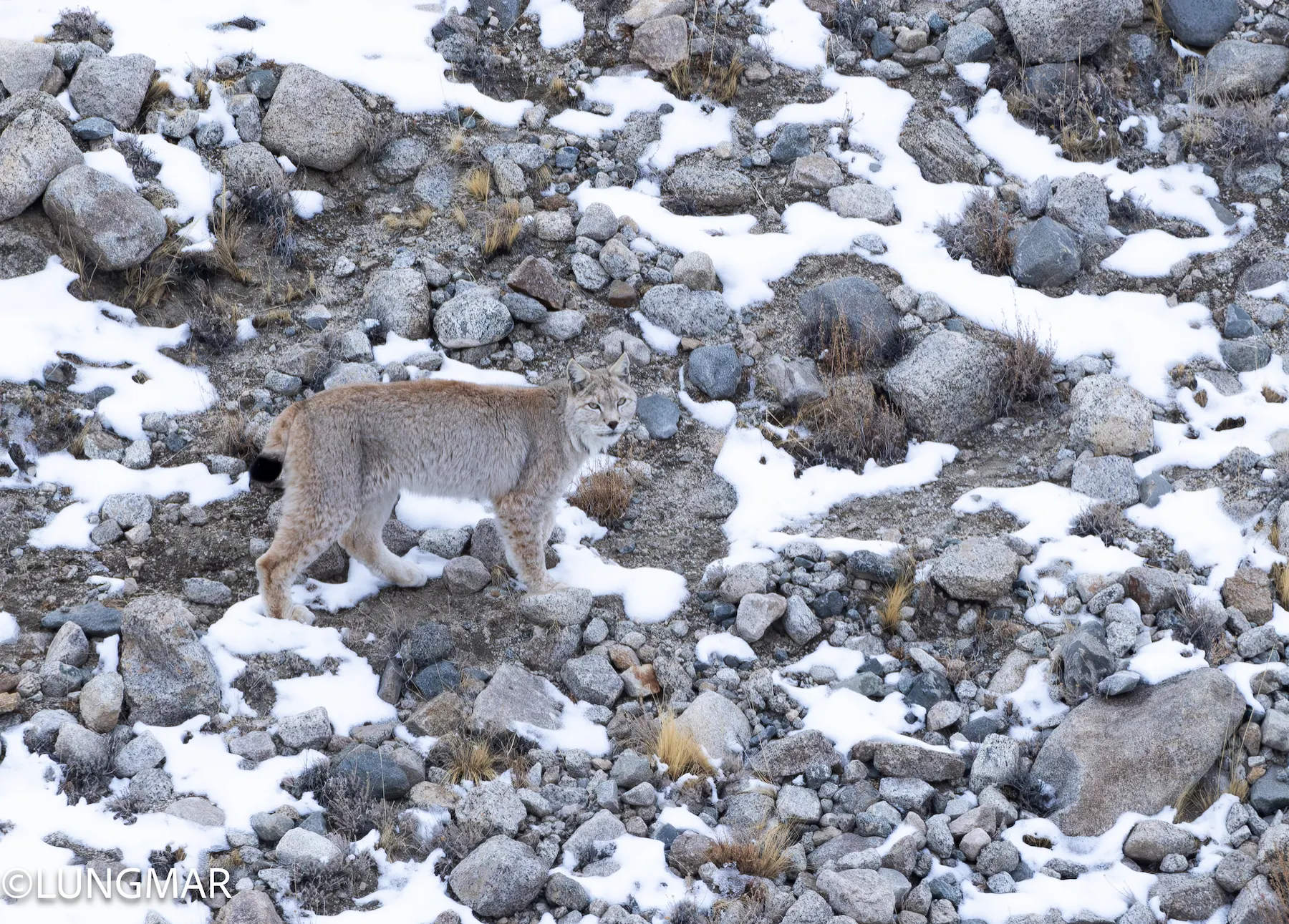
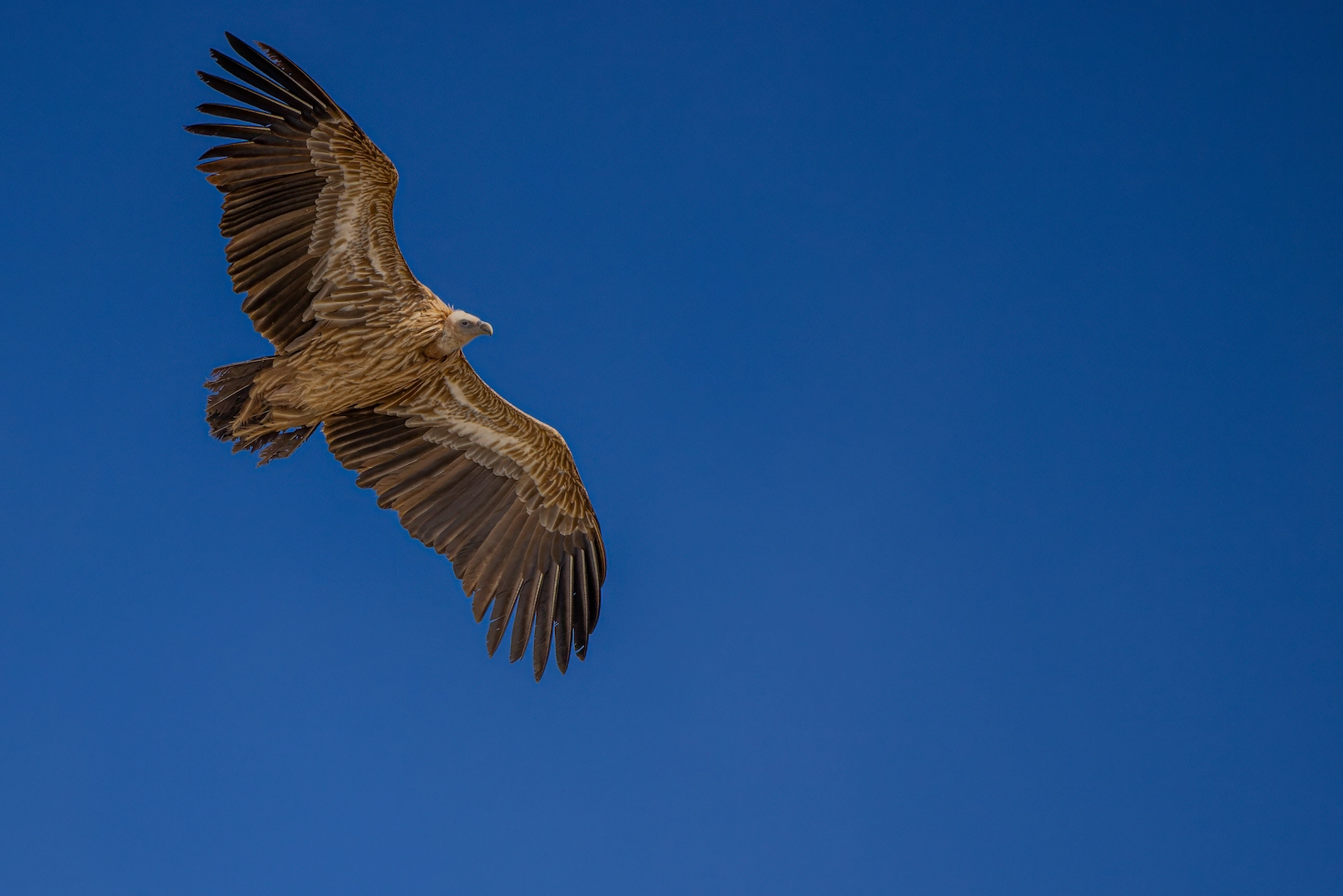
The drive will be about 6 hours from Leh including lunch and tea stops. Will stop 40 kms before handle to scan for Pallas cat. Later evening will continue drive to Hanle for Overnight in guesthouse.
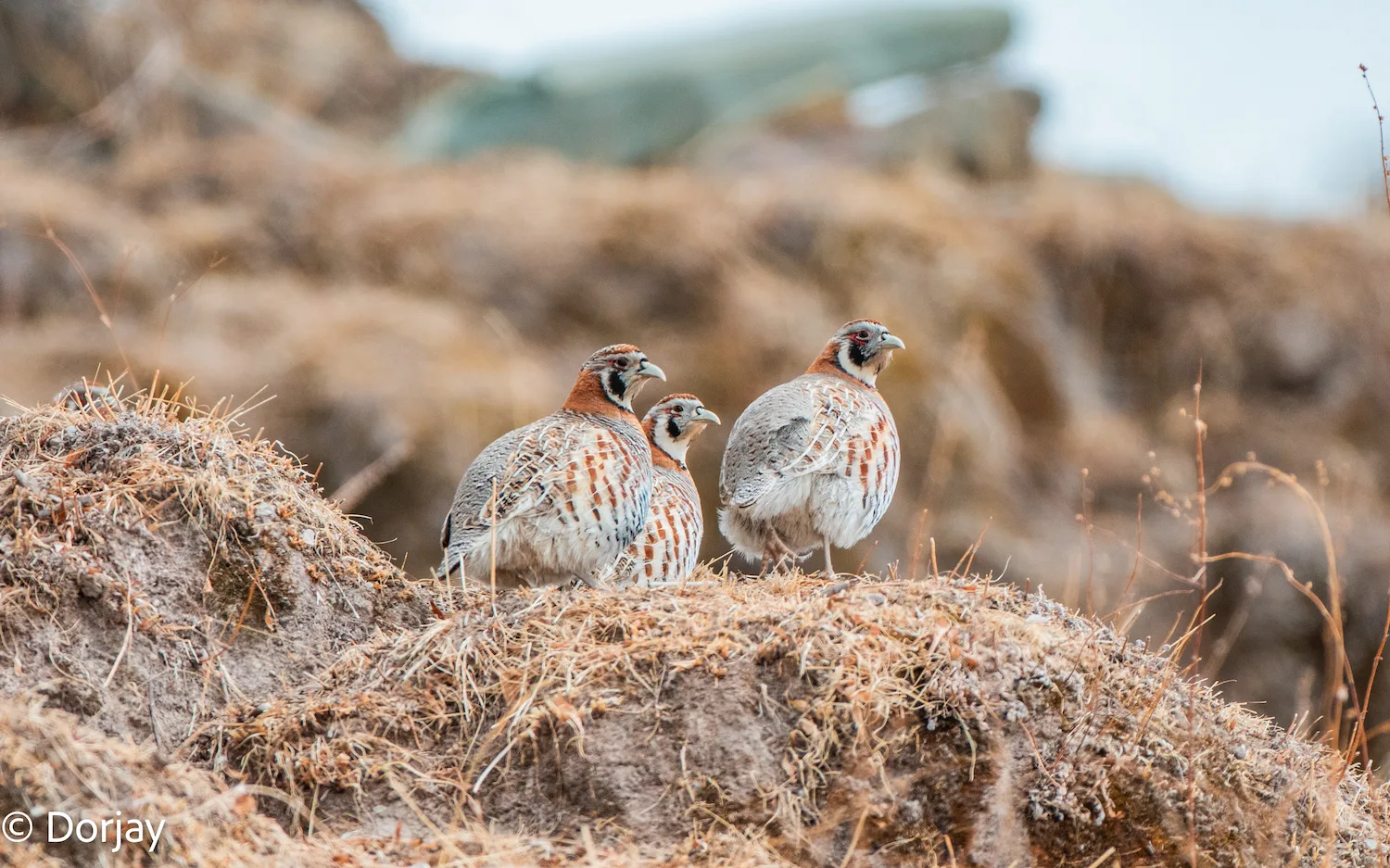
Welcome to the Hanle basin - one of the most remarkable high-altitude cold deserts in the world. Over the next four days, we will explore the Changthang Wildlife Sanctuary, a sanctuary for rare and endemic species that have adapted to survive at altitudes above 4,300 meters. Our journey focuses on the elusive 'ghost of the steppe,' the Pallas's cat, but the landscape is teeming with other incredible predators and grazers.
Pallas’s Cat (Manul): Our primary target. Known locally as Ribilik, this small, stocky cat is famous for its thick, frosty fur and 'grumpy' expression. They are master camouflagers that live in rock crevices and abandoned marmot burrows. We will look for them primarily at dawn and dusk when they are most active.
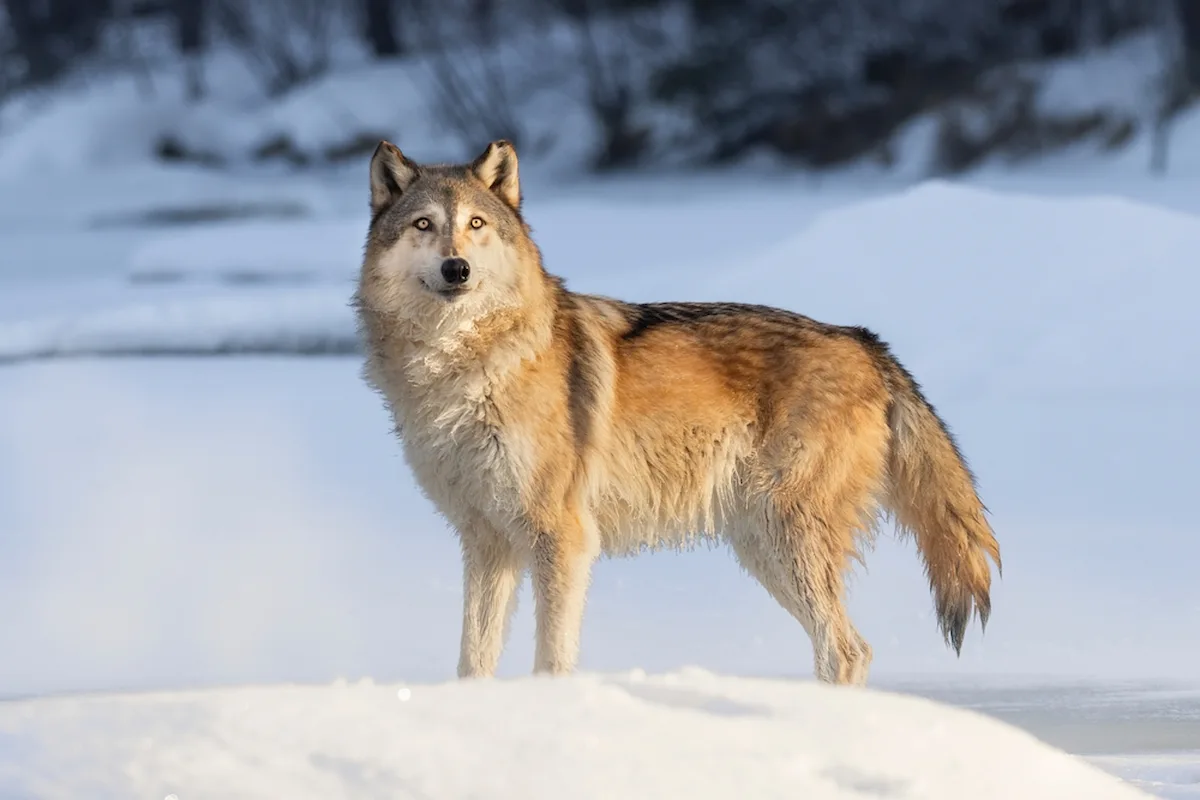
Tibetan Wolf (Shangku): A powerful apex predator of the plateau. We may see them trotting across the plains in small packs or alone, often on the hunt for gazelles or young livestock.
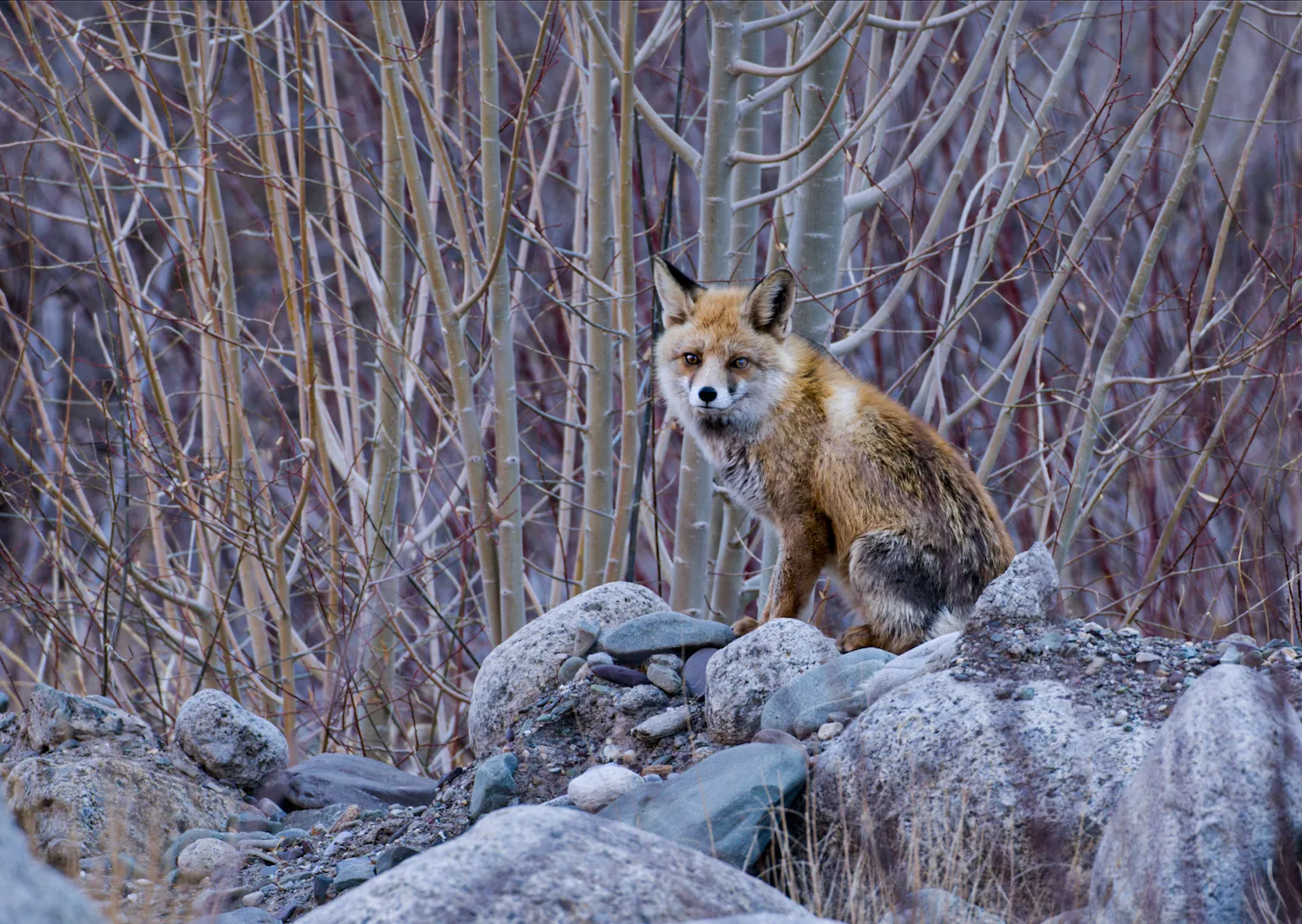
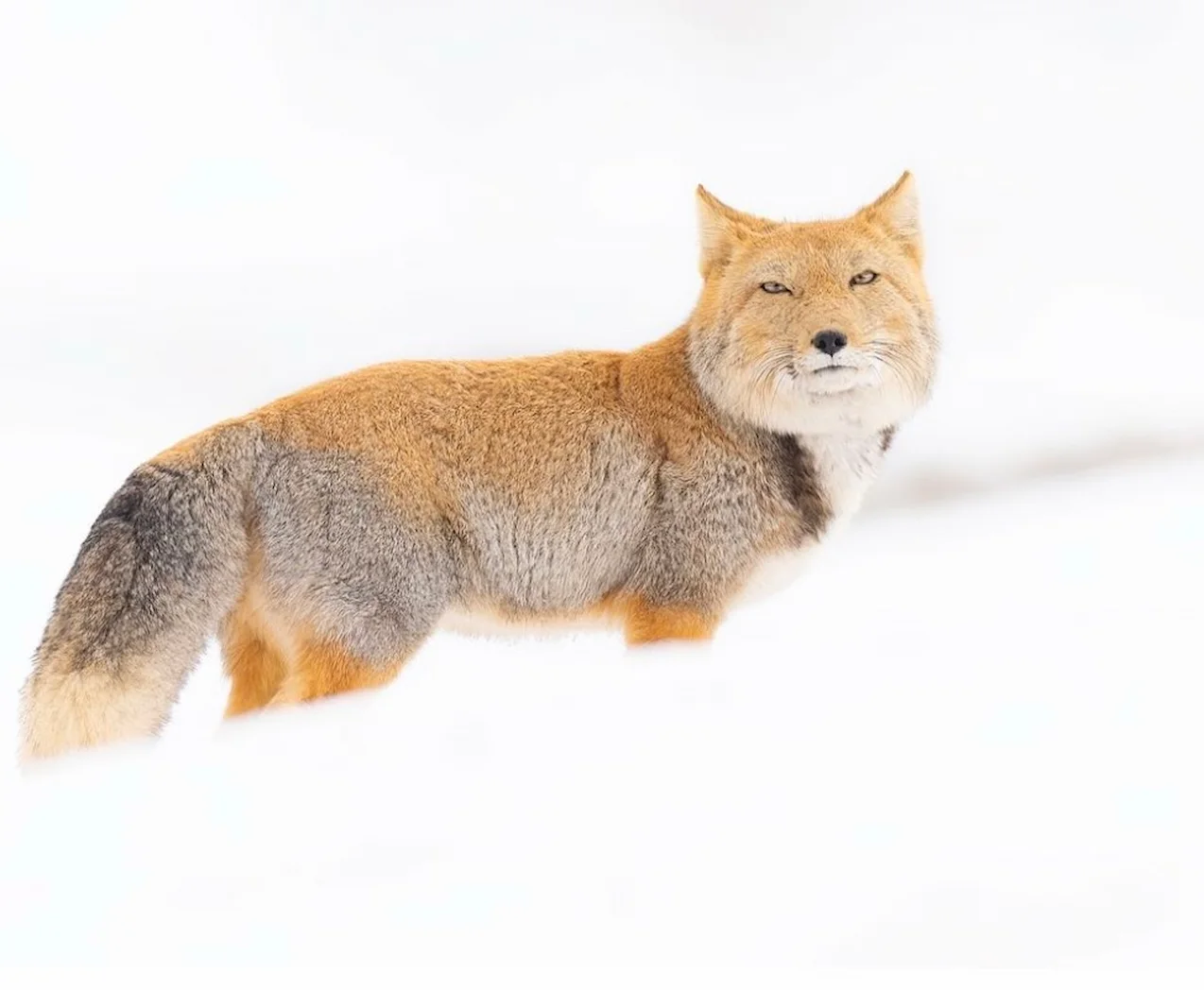
Tibetan Sand Fox: Distinct from the Red Fox by its square-shaped face and greyish-tan coat, these foxes are often found near pika colonies, their main source of food.
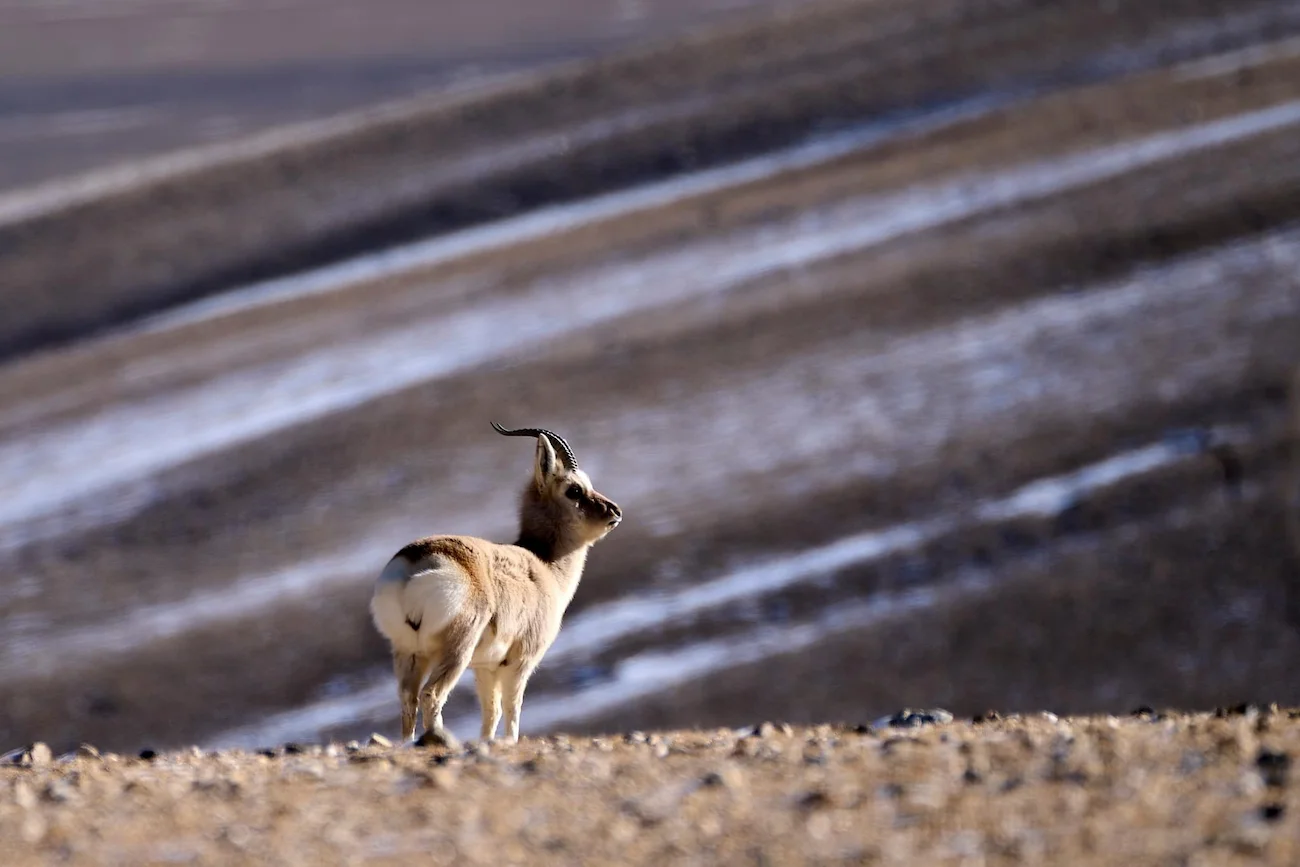
Tibetan Gazelle (Goa): One of India's rarest mammals, with only a small population remaining. They are extremely shy and usually found on the high, windswept plateaus above 4,800 meters a place called Kalak Tar Tar.
Eurasian Eagle-Owl: One of the largest owls in the world. We will scan the rocky cliffs where they roost during the day and hunt at night.
Click to know about Pallas's Cat
Morning after breakfast we drive back about 6 hrs to Leh. Overnight in Hotel.
Morning after breakfast transfer to airport for your flight back to Delhi. On arrival in Delhi our airport representative you take you to hotel near airport. As per your international flight we will take you to internal airport for your flight back home.
Flight from Delhi to your onward destination. Tour concludes with unforgettable memories of Ladakh—its breathtaking landscapes and rare wildlife encounters including snow leopard, Pallas’s cat, and lynx.
Roseate Hotels & Resorts is a collection of design-led luxury hotels known for elegant architecture, refined experiences, and exceptional dining. With a strong focus on sustainability, attention to detail, and warm, intuitive service, each property offers a unique and immersive stay.


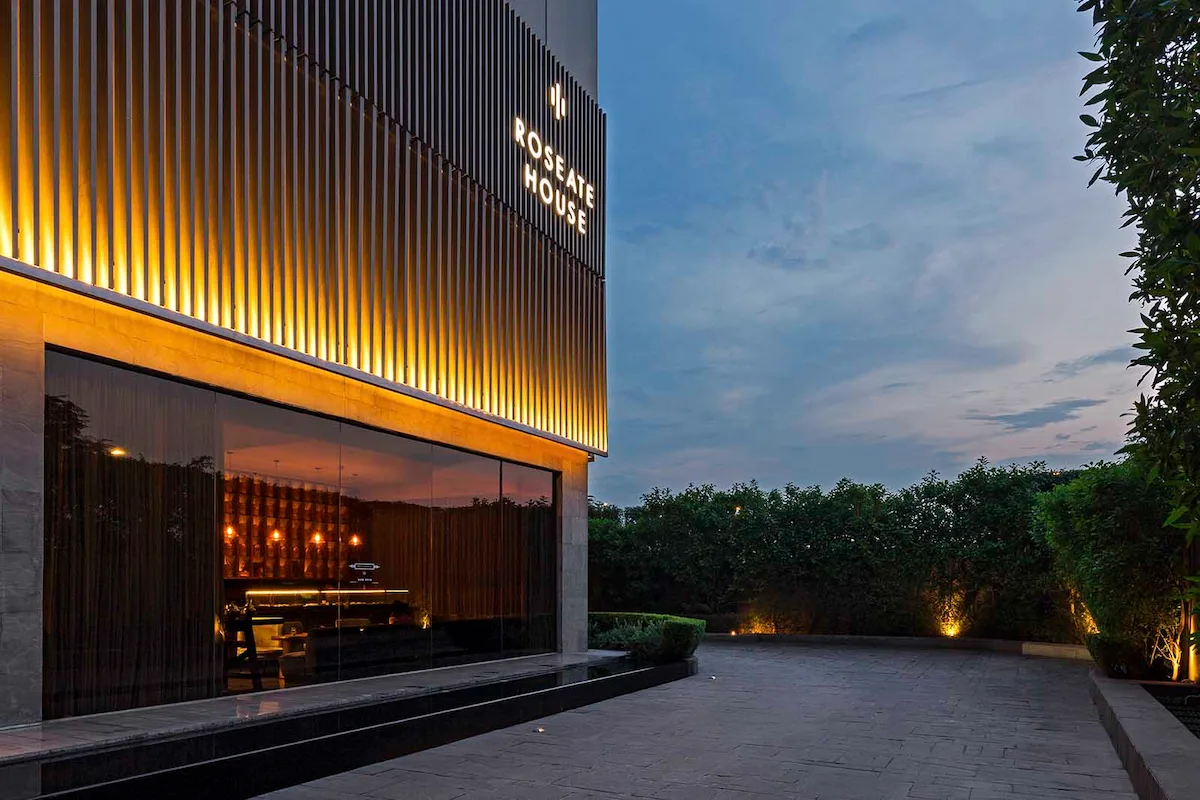
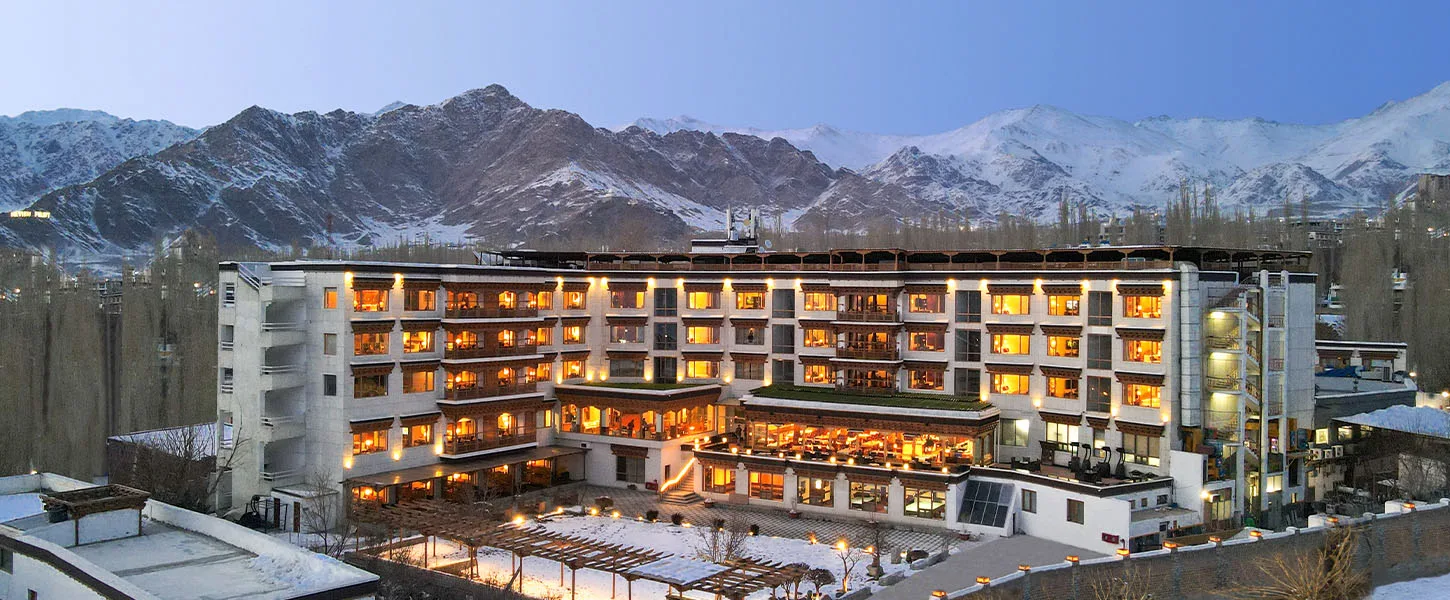
The Grand Dragon Ladakh is Ladakh’s only 5-star certified hotel, offering luxury and comfort at high altitude in the heart of Leh. Blending traditional Ladakhi design with modern amenities, it is renowned for warm hospitality and a refined stay experience.
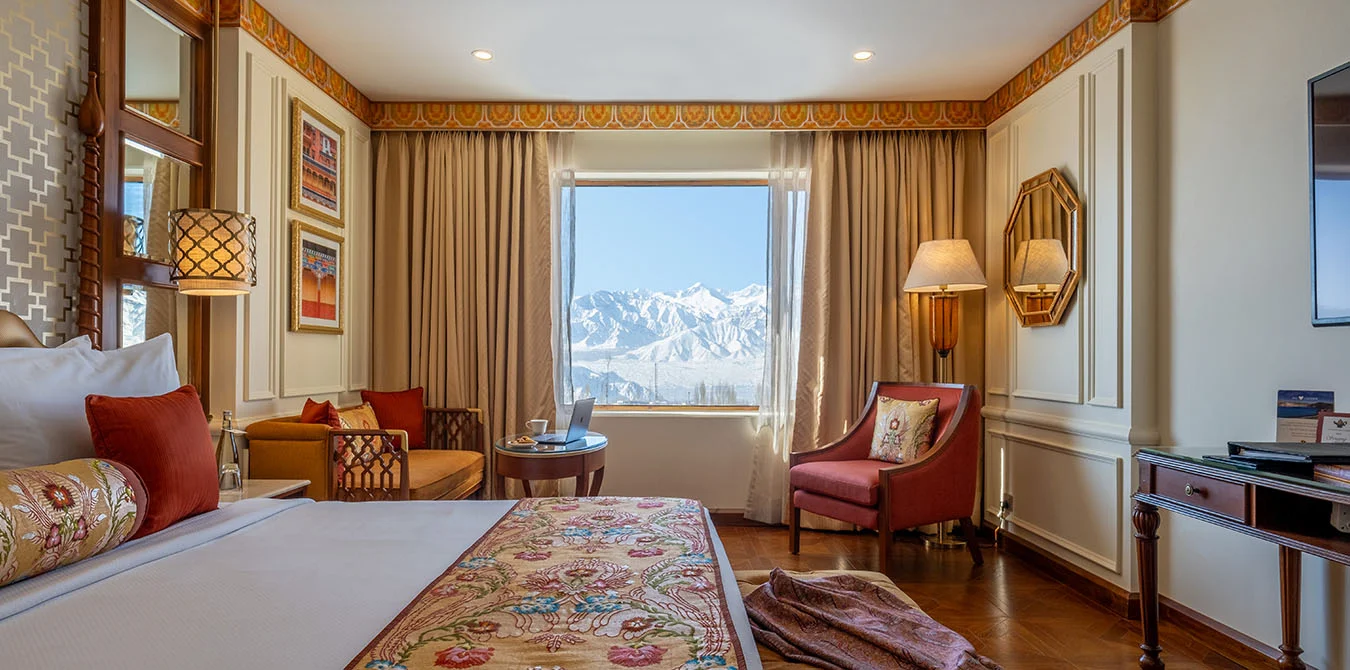
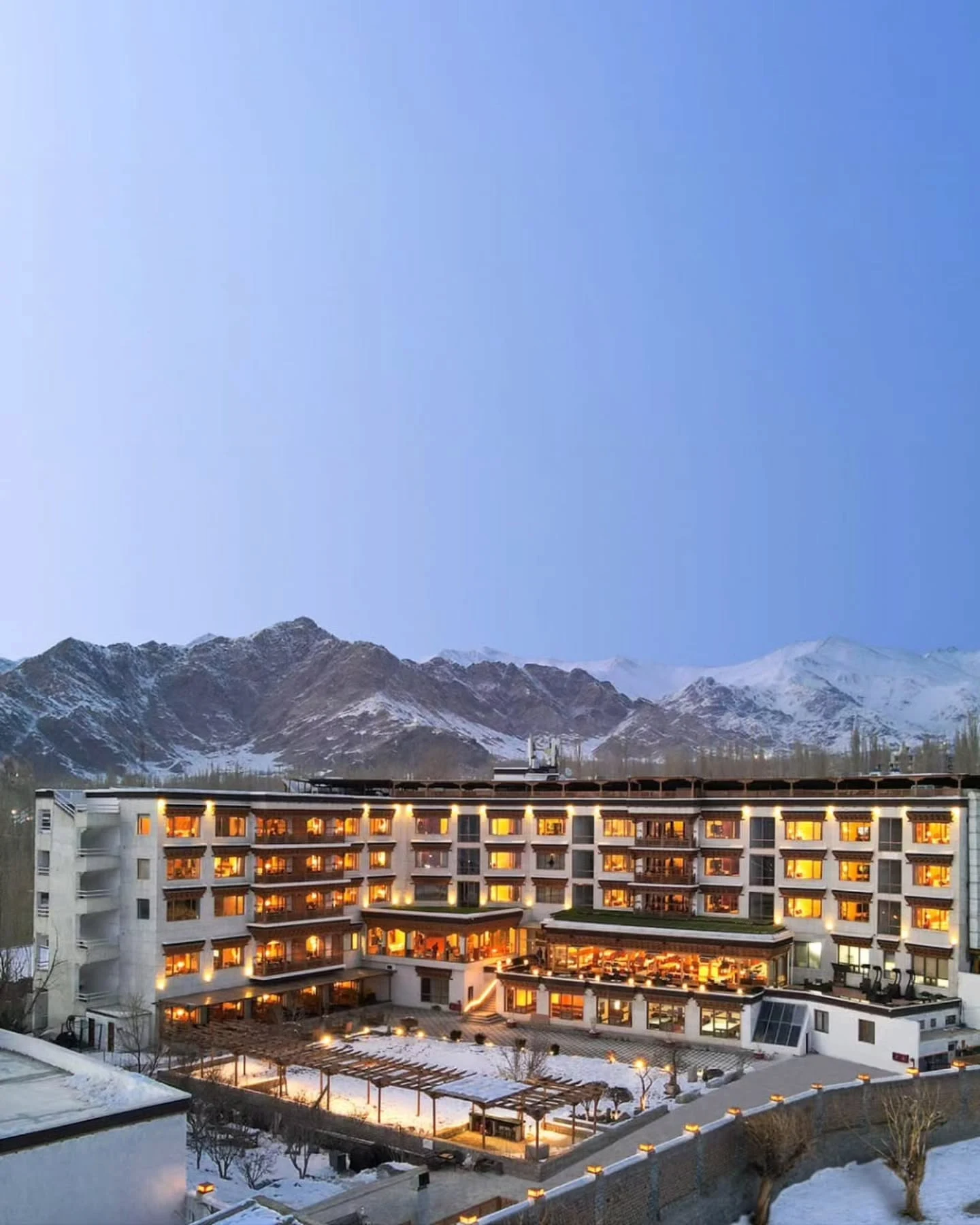
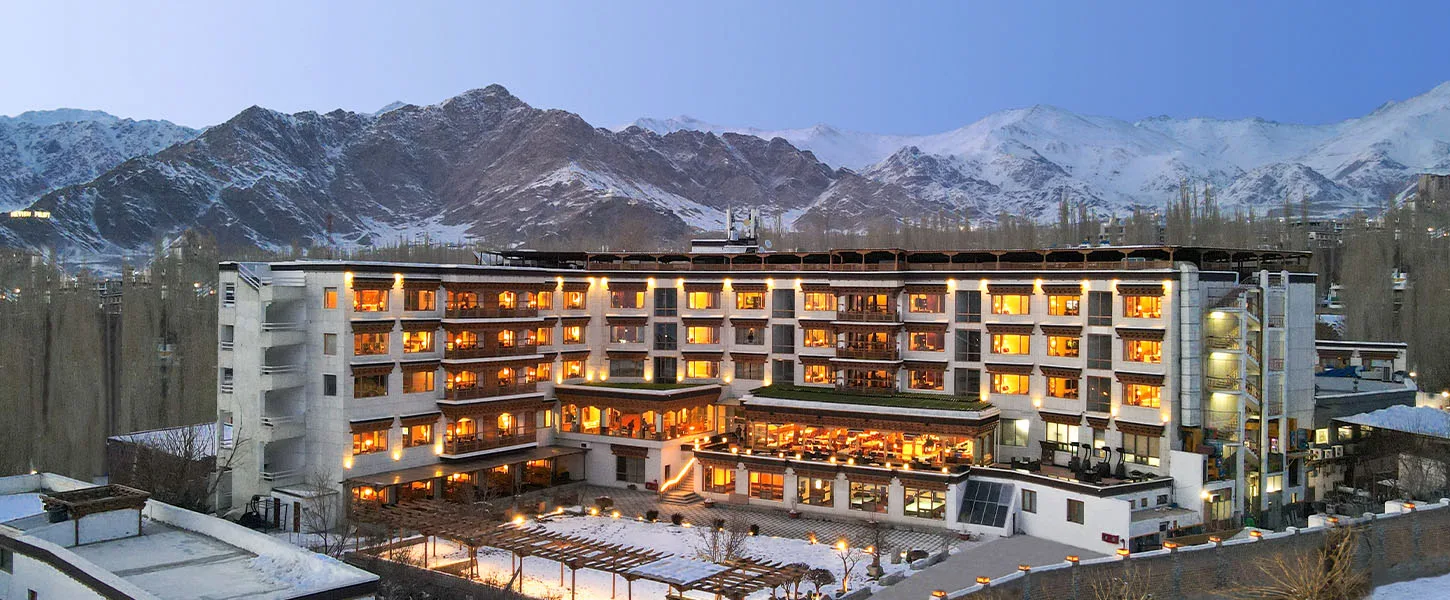
Hotel Chospa is a boutique retreat in the heart of Leh, thoughtfully designed to blend contemporary comfort with traditional Ladakhi architecture. With its serene ambience, elegant interiors, and central location, it offers a relaxing and stylish stay close to the city’s main attractions.

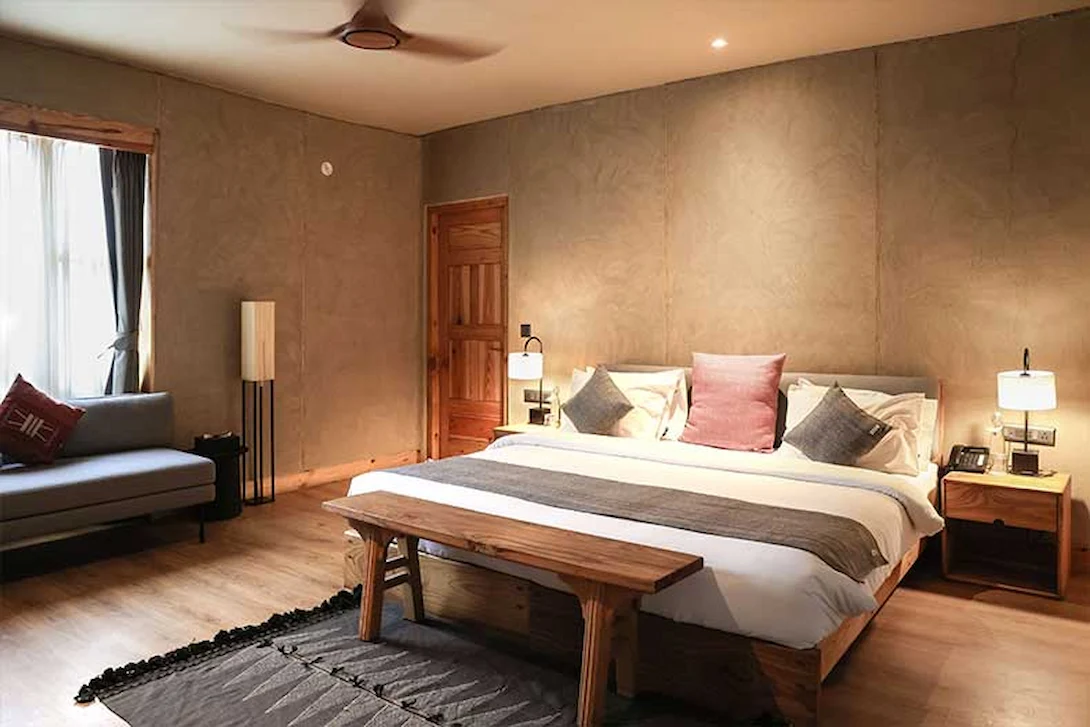
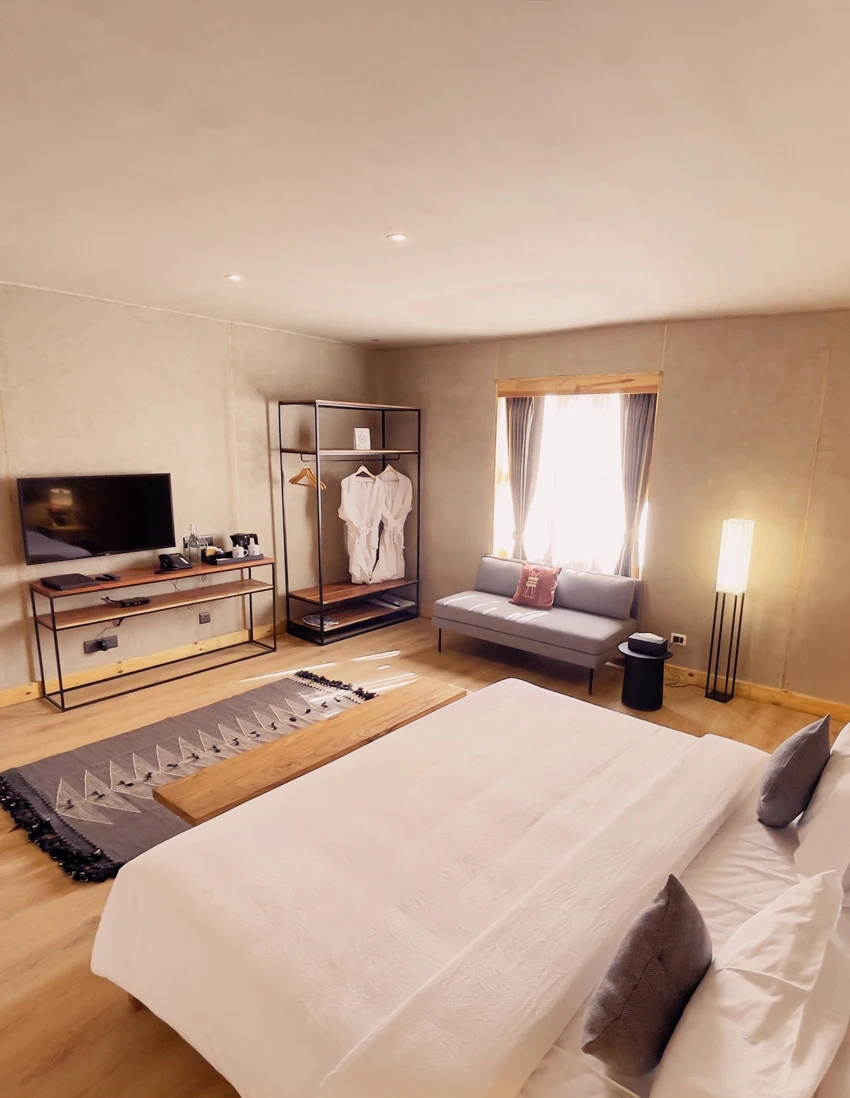
The Abduz is a stylish boutique hotel in Leh offering elegant interiors, modern amenities, and warm hospitality. Conveniently located near the airport and local market, it provides a comfortable stay with dining, leisure, and wellness facilities.
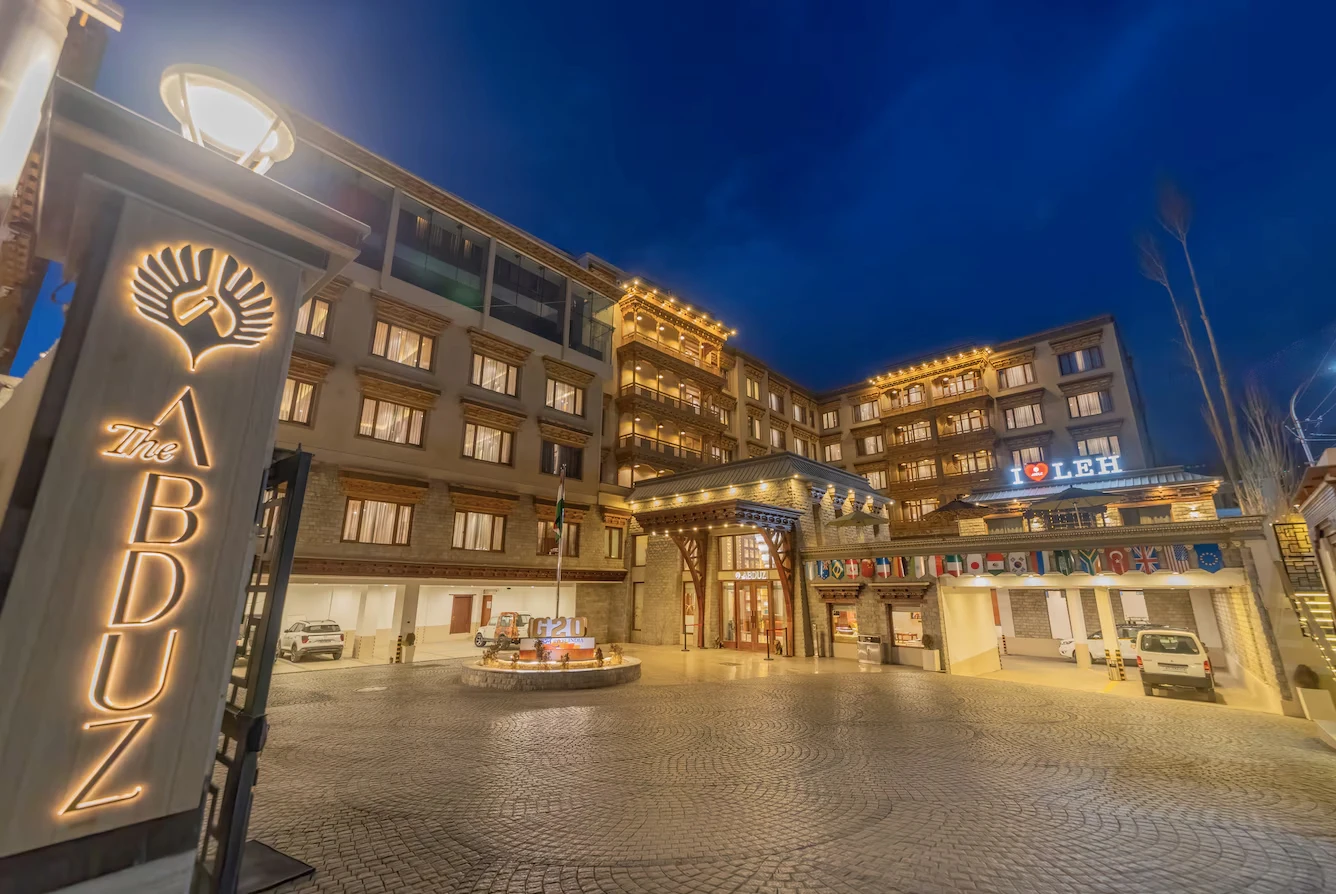
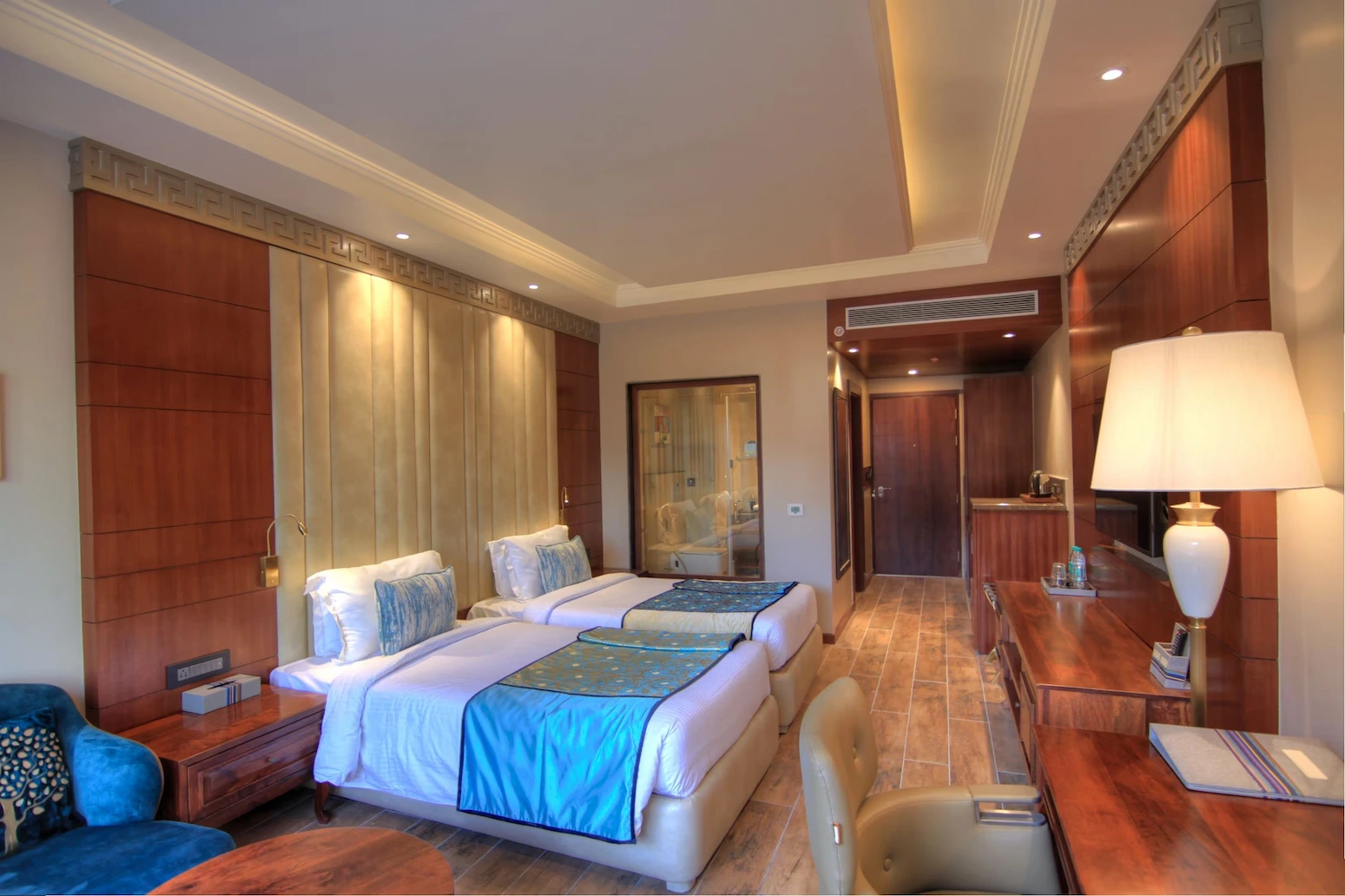
Rumbak Wildlife Lodge is a remote wilderness lodge on the edge of Hemis National Park, offering a unique stay in the heart of snow leopard territory. Blending comfort with rugged natural beauty, it provides an immersive wildlife experience with a strong focus on sustainability.
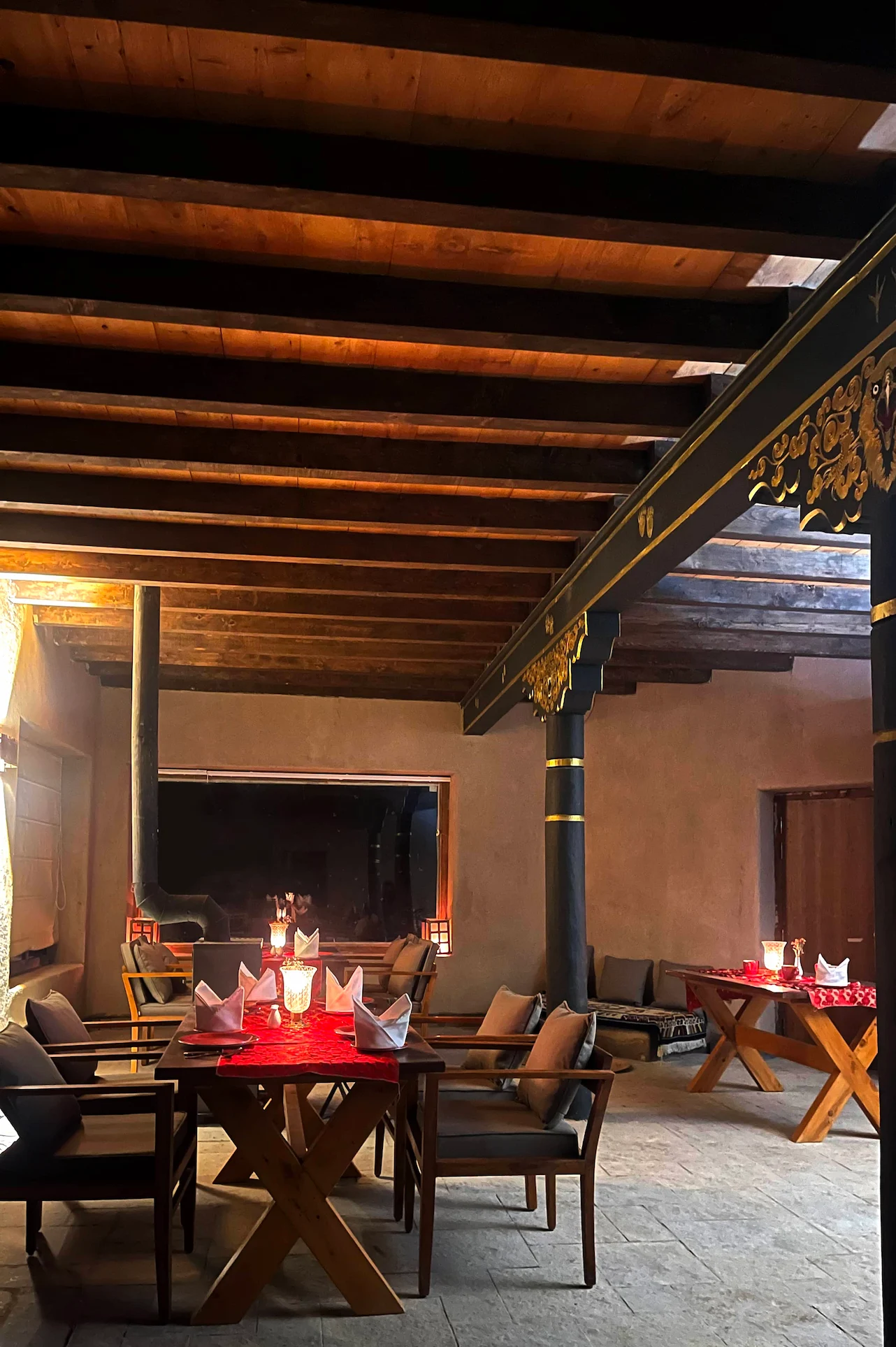
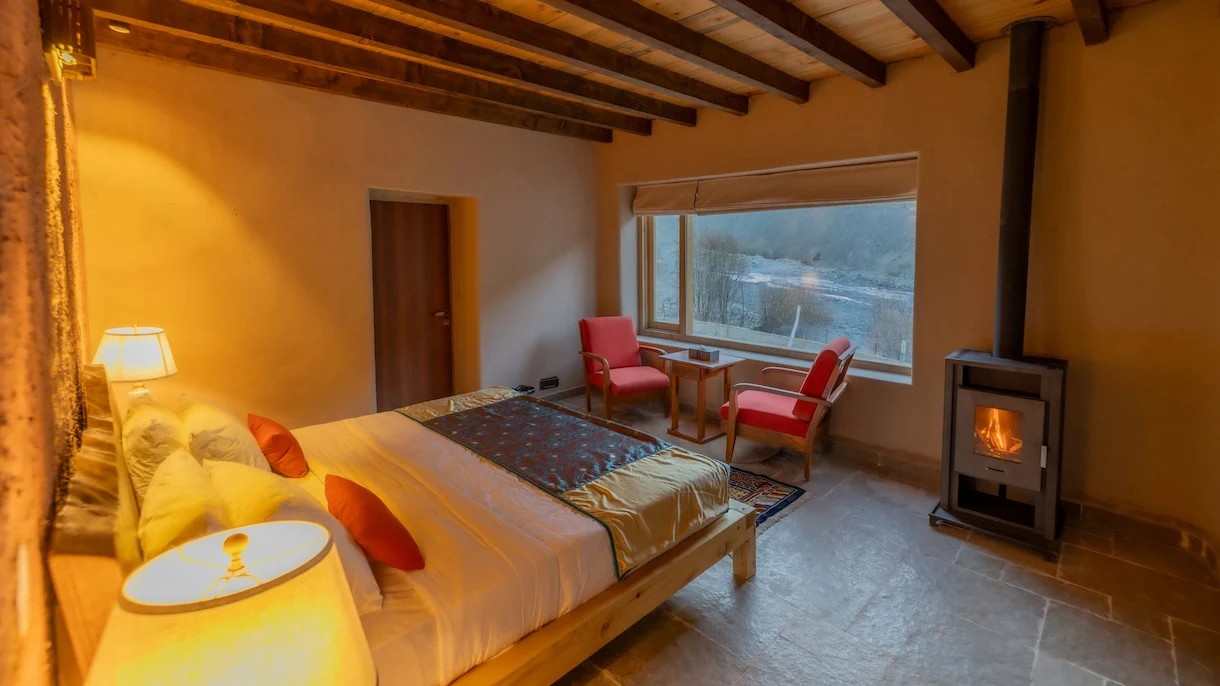
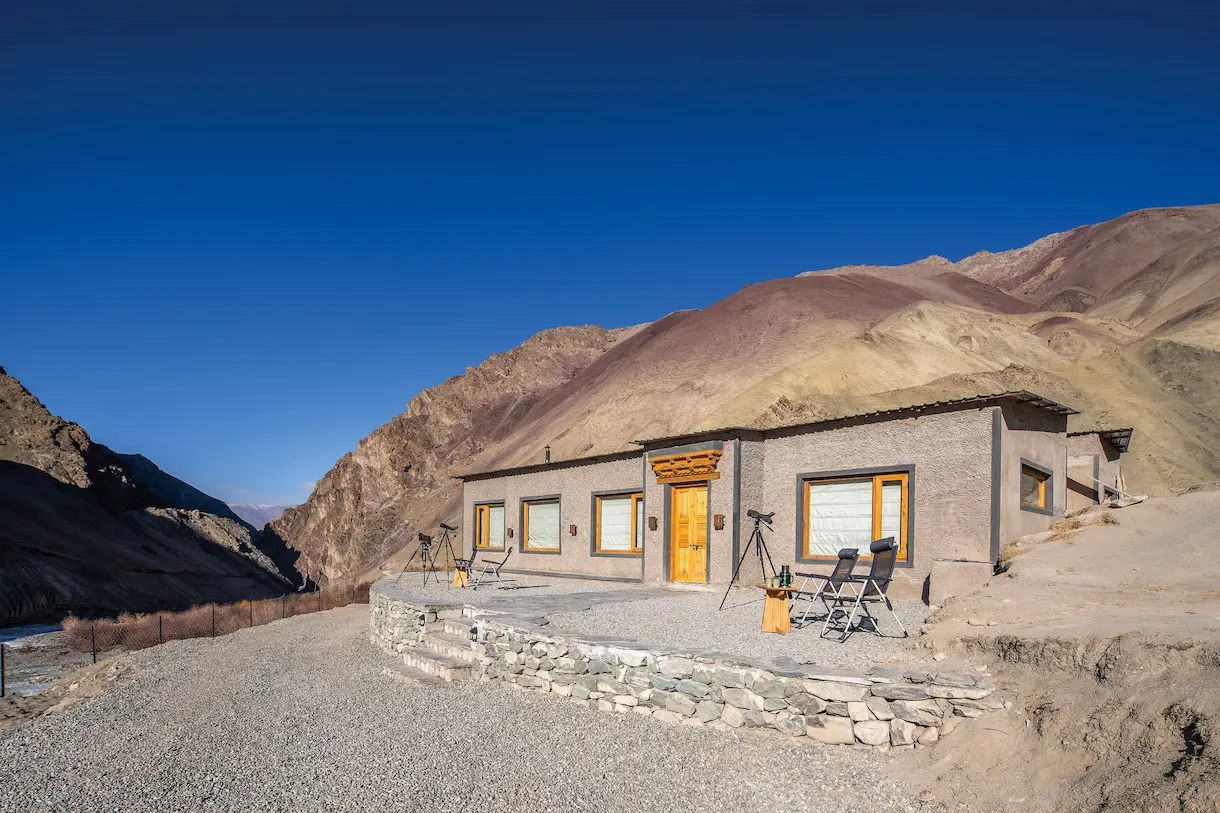
Shan at Uley is a boutique wildlife lodge in the heart of snow leopard territory, offering a unique blend of comfort, local hospitality, and immersive wildlife experiences. Set in the Trans-Himalayas, it provides an intimate and sustainable stay for nature enthusiasts.
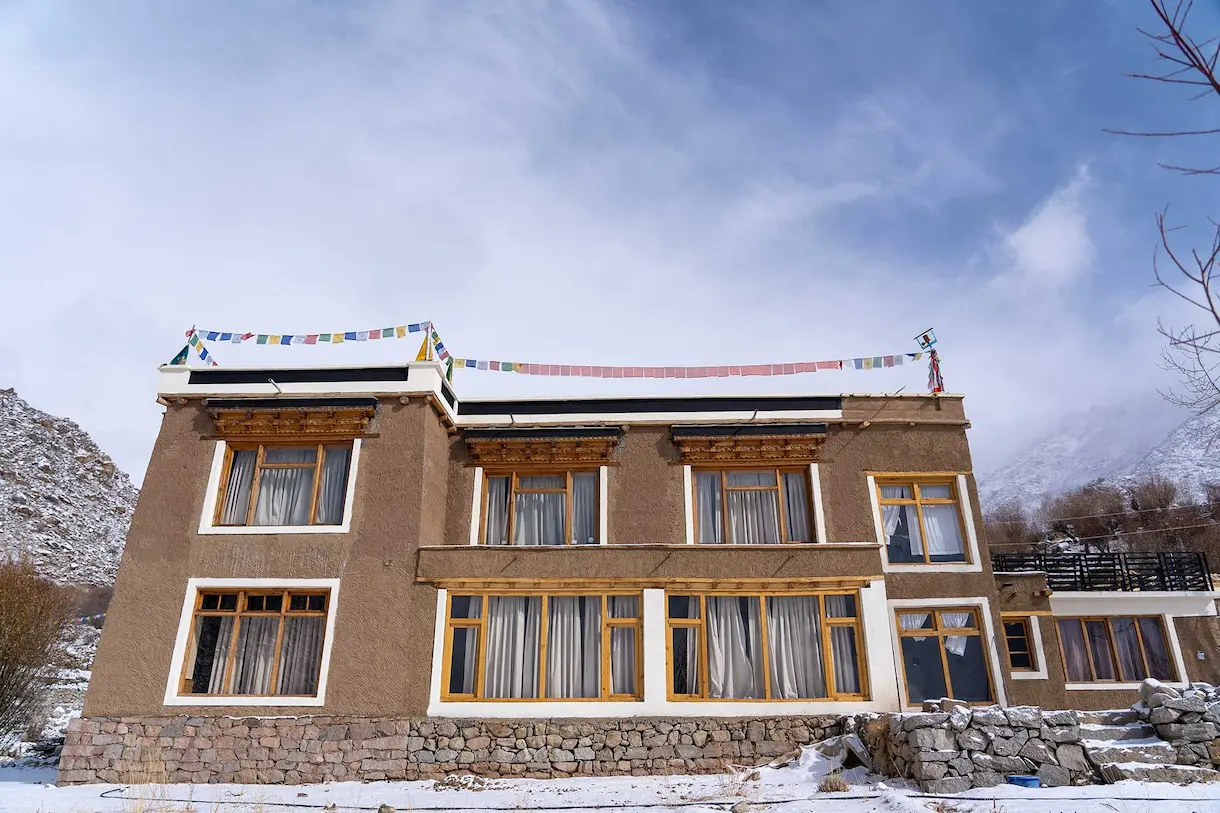
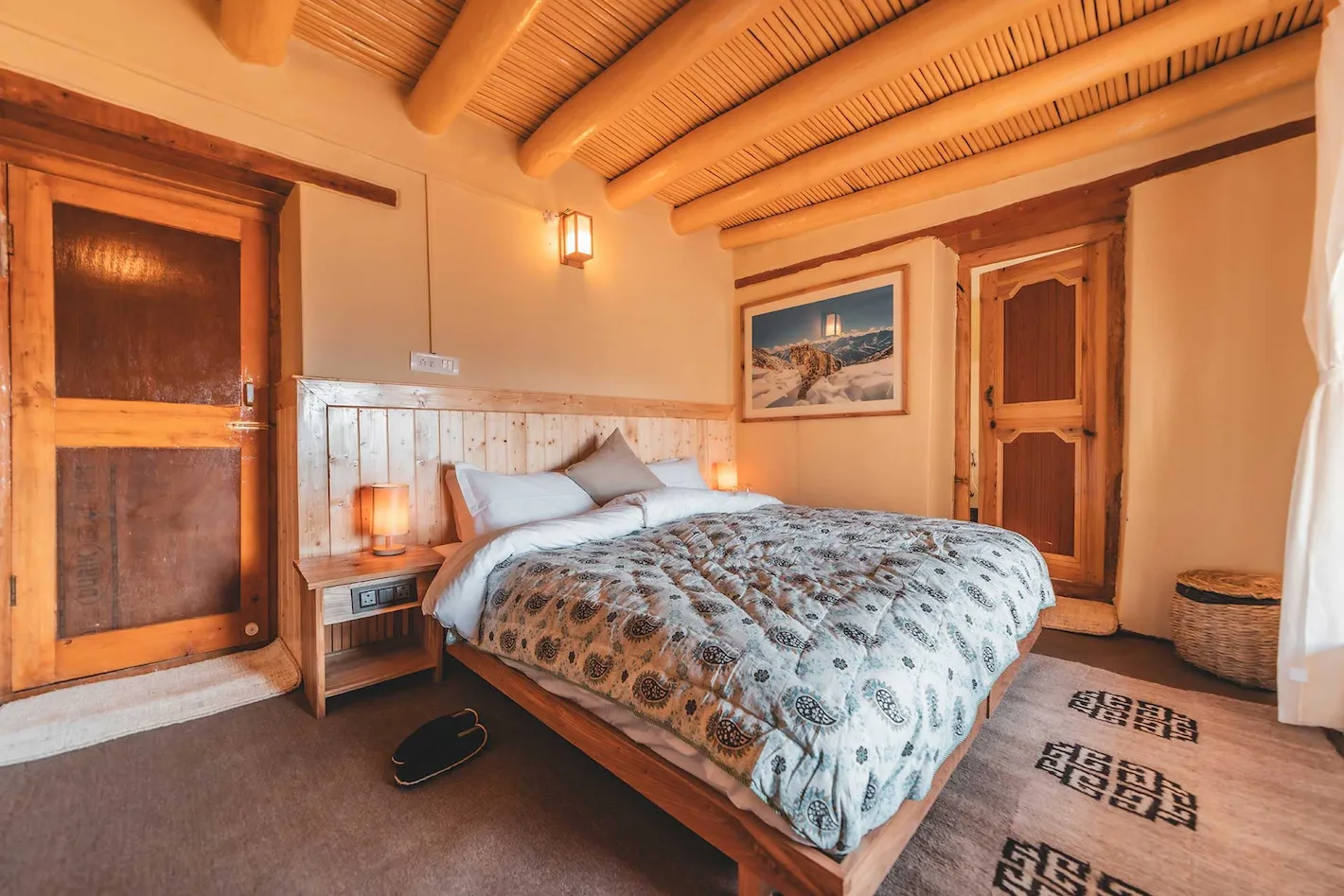
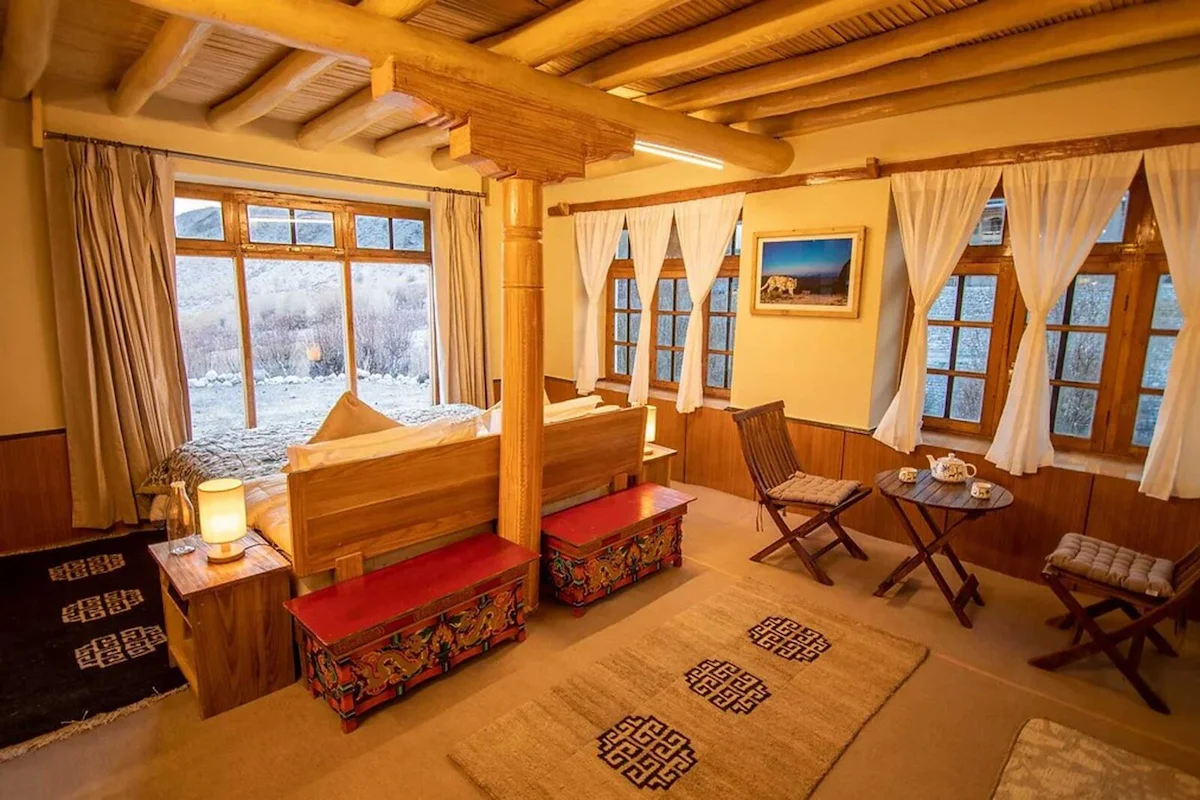
Guesthouses in Hanle offer clean and comfortable stays with attached bathrooms and toilets. Due to the extreme cold, heating is provided externally. As most accommodations are local guesthouses without fixed names, stays are arranged based on availability, ensuring a safe and authentic local experience.
| Start Date | End Date | Double | Single | |
|---|---|---|---|---|
| 05 February 2027 | 25 February 2027 | USD 8,500 Per person | USD 11,000 Per person | |
| 11 March 2027 | 31 March 2027 | USD 8,500 Per person | USD 11,000 Per person | |
| 05 December 2027 | 25 December 2027 | USD 8,500 Per person | USD 11,000 Per person |
Note: If you want to customize your trip date please click here
 Domestic airfare from Delhi/Leh/Delhi by economy class.All accommodation in Ladakh with all meals.All ground transport by Toyota cars.Wildlife permit to Hemis National Park.Inner line permits to restricted areas.Fees to monasteries and parks.1st aid kit and oxygen cylinders in cars, hotels, lodge and homestay.Bottled mineral water while traveling and at hotel /guesthouse or homestay filtered RO water.All airport transfers.Accommodation in Delhi with breakfast onlyLocal guide / Tour escort.Wildlife spotters team with Swarovski scope and binoculars.
 Visa and travel insurance.Main meals in Delhi.Tips and gratuities for driver / helper.Alcohol and beverages.Medical expenses beyond 1st aid and oxygen cylinders.Any other activities which is not mentioned in the itinerary.
Acclimatisation is essential and life-saving for any journey to Ladakh. Located in the high Himalayas, Ladakh sits at extreme altitudes where oxygen levels are significantly lower than at sea level. Leh, the main entry point for most travellers, is situated at approximately 3,600 meters (11,500 ft), making proper acclimatisation crucial before moving to higher regions.
Without adequate acclimatisation, travellers may experience Acute Mountain Sickness (AMS), with symptoms such as headaches, nausea, dizziness, and fatigue. In severe cases, AMS can develop into life-threatening conditions like High Altitude Pulmonary Edema (HAPE) or High Altitude Cerebral Edema (HACE).
To ensure safety, the Leh District Administration enforces a mandatory 48-hour rest period for all visitors arriving by air. This allows your body to gradually adjust to the altitude and reduces the risk of altitude-related illness. Skipping this crucial phase can significantly impact your overall experience and health during the expedition.
Important Acclimatisation Guidelines :
Proper acclimatisation ensures a safe, comfortable, and enjoyable experience in Ladakh, allowing you to fully focus on the wildlife, landscapes, and unique cultural encounters this expedition has to offer.
 Thick down Jacket with hood.Warm, windproof fleece upper and lower.Pair of snow/ski or insulated cold-weather hiking pants.Comfortable warm pants.Long-sleeved shirts.Warm gloves with inner liners.Warm hat which covers ears.Fleece neck gaiter.Few pairs of Wooden Socks.Hiking boots.Sport shoe for camp.Underwear.Warm sleep wear.Cash for discretionary gratuities.Binoculars.Water resistant day bag.Headlamp or small flashlight.Spare batteries.Sun glasses.Hand and foot warmers.Earplugs.Toiletries.Sunscreen and lip balm (at least SPF 50)
Choosing Elite Expedition means joining India's premier snow leopard photography expeditions with a proven 100% success rate. We take you deep into the remote high-altitude habitats of Hemis National Park, Spiti Valley, and beyond with elite local trackers, master naturalist-photographers, and professional Swarovski optics. Capture rare, intimate moments of the elusive Ghost of the Himalayas responsibly while contributing directly to conservation.
Travel with purpose into some of the world’s last wild places, where nature remains raw and untamed. Every expedition is thoughtfully designed to respect wildlife, support local communities, and contribute to conservation—ensuring your journey leaves a positive footprint long after the adventure ends.

