

Introduction
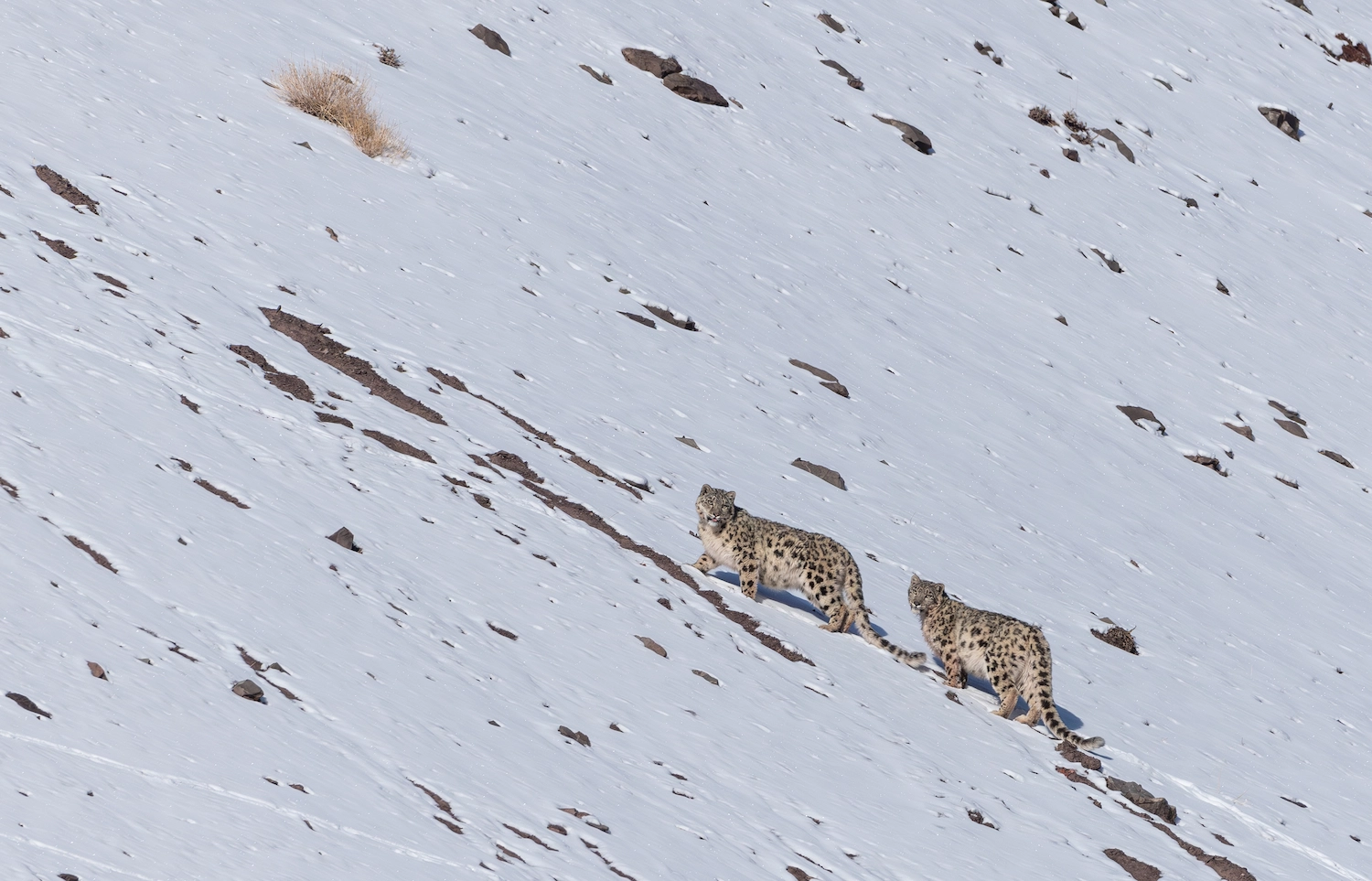
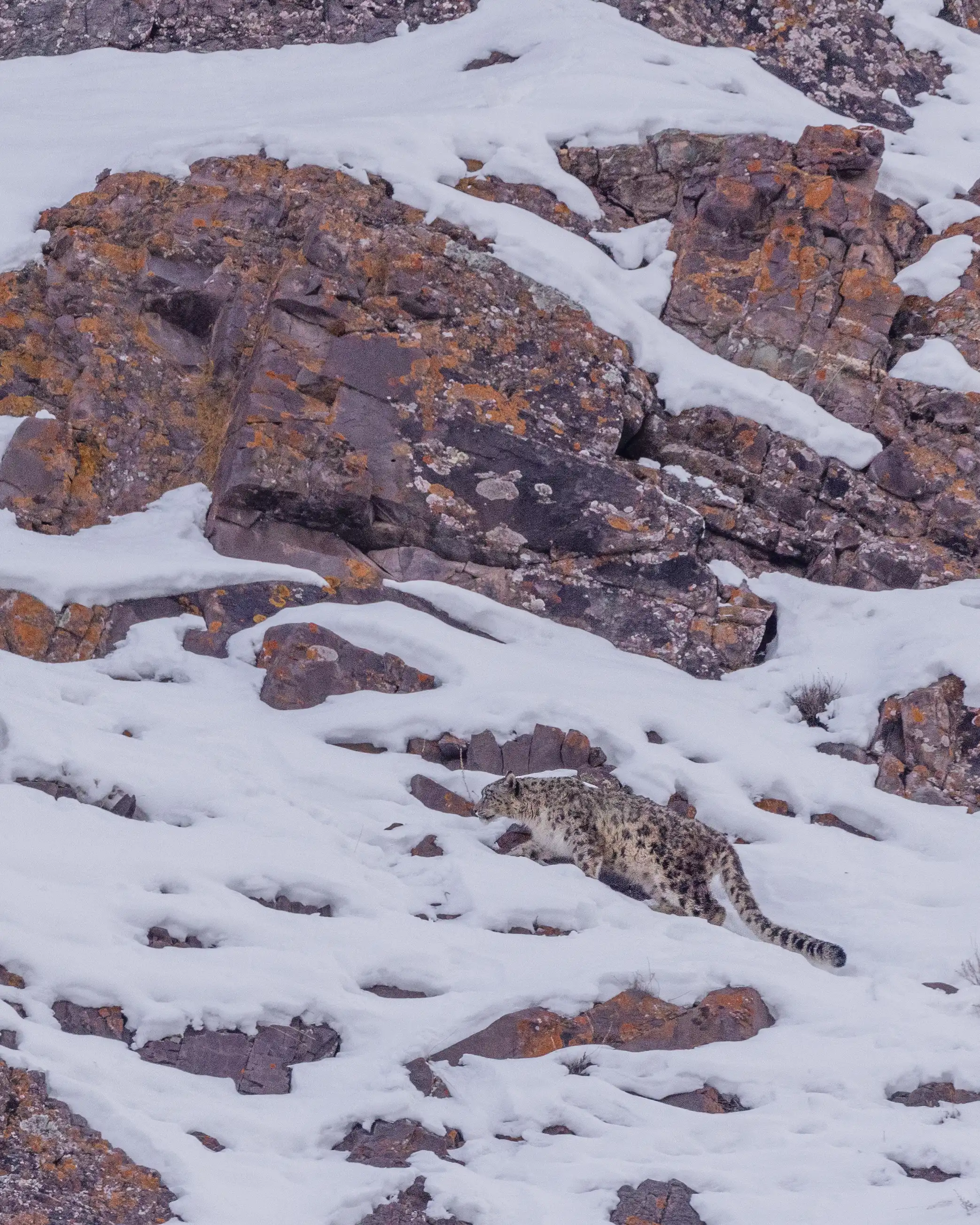
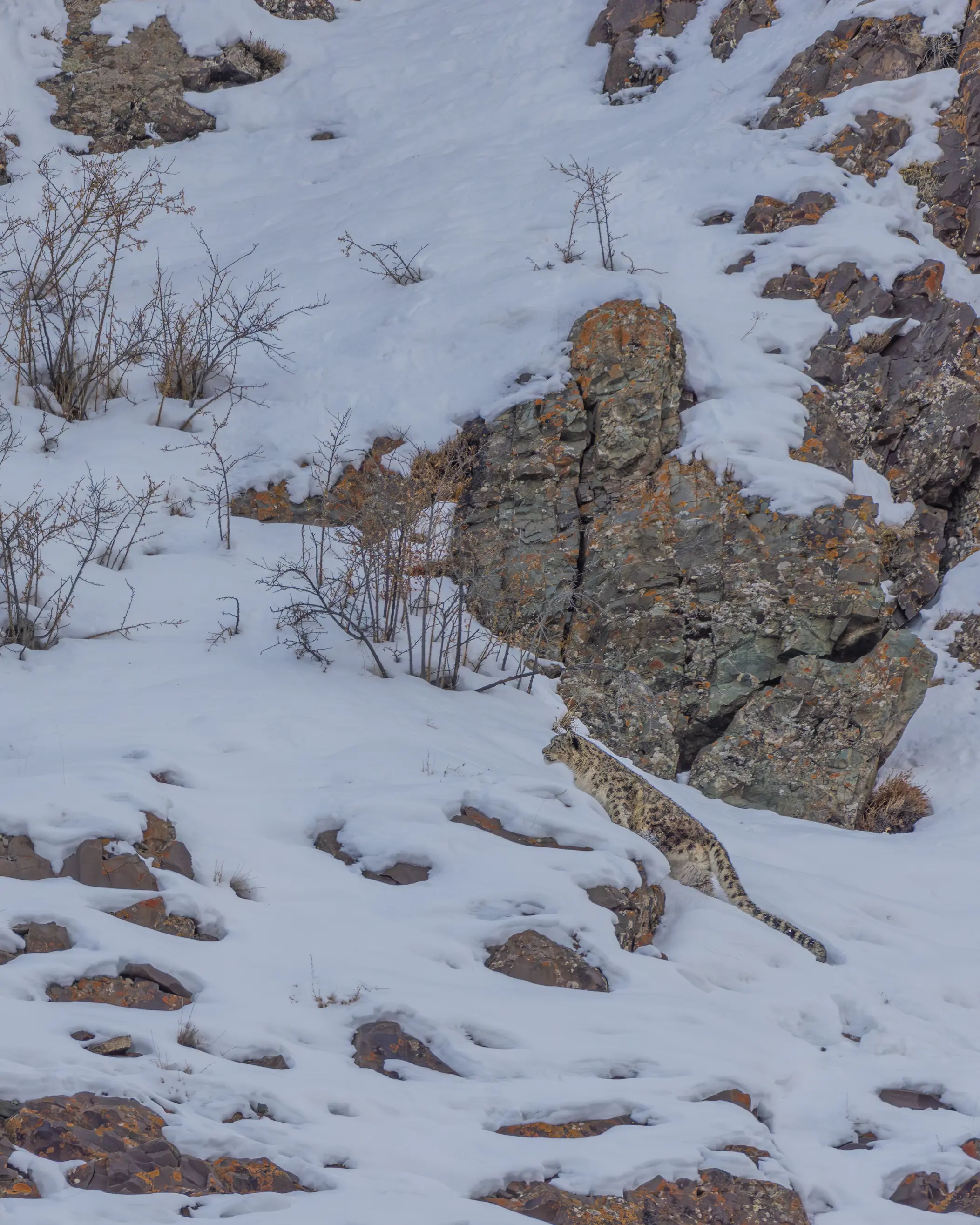
A snow leopard expedition in the Zanskar Lungnak Valley is an elite, off-the-beaten-path winter odyssey specifically designed for dedicated wildlife photographers who prioritize exclusivity and the raw aesthetics of the "Ghost of the Mountains" against pristine, snow-blanketed Himalayan peaks. Unlike more crowded tracking sites, this remote valley offers unparalleled flexibility with vehicle-based exploration along mountain roads, allowing photographers to quickly reposition for the best lighting and angles while staying in traditional Zanskari home stays and guesthouses for a deep cultural immersion. It is a high-stakes, high-reward journey where the combination of expert local spotters, sub-zero winter landscapes, and fewer tourists creates the perfect conditions to capture intimate, high-contrast portraits of one of the world's most elusive predators in its most dramatic natural habitat.
Know more about Snow Leopards
Top Tracking Team
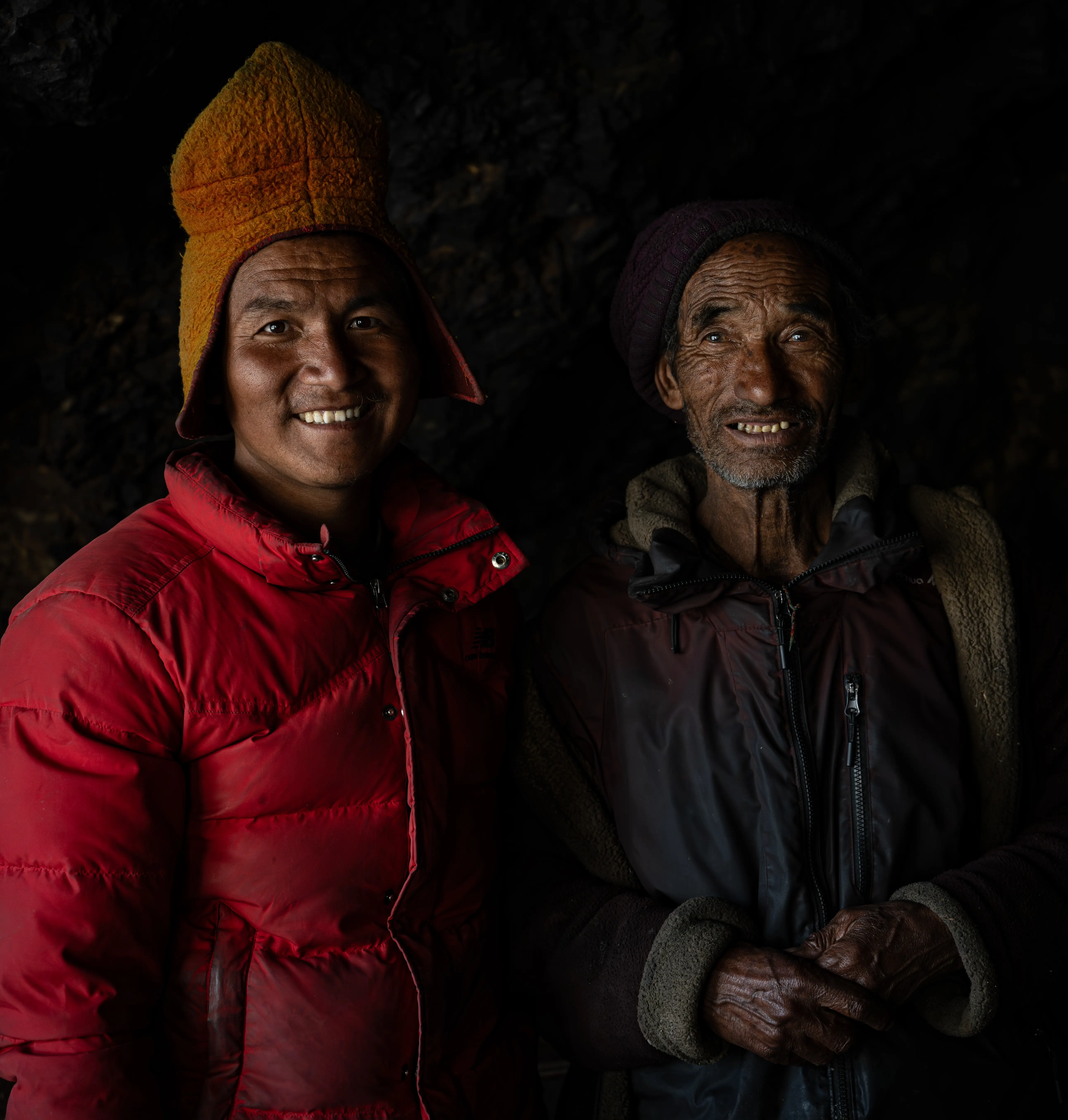
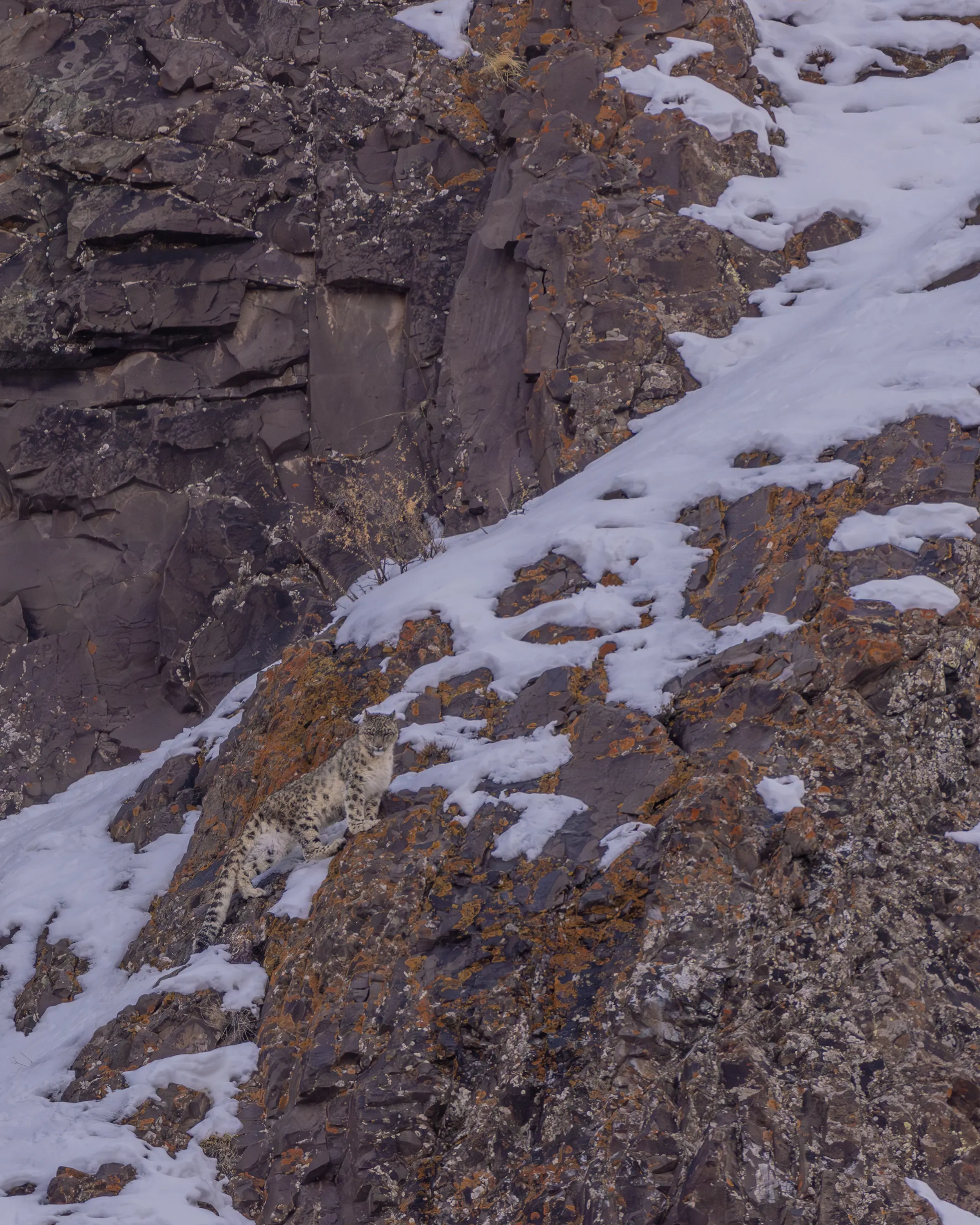
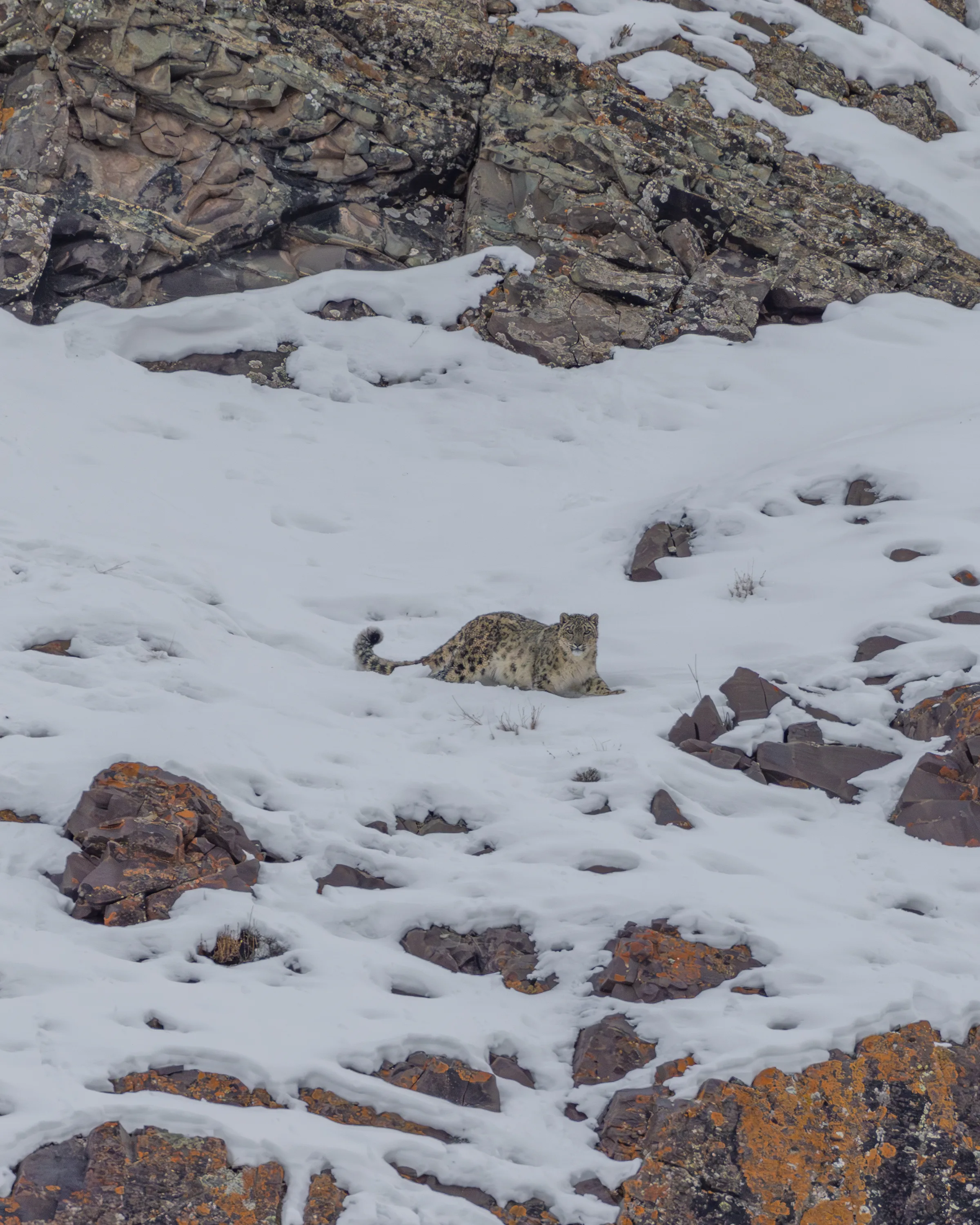
Meet our expert tracking team, the finest local guides for winter wildlife expeditions in Ladakh. Born and raised in these high-altitude mountains, they possess an unmatched, lifelong knowledge of the rugged terrain and animal behaviour. Their exceptional tracking skills allow them to read the subtlest signs in the snow, ensuring you safely spot elusive creatures like the snow leopard.
Prime Habitat
Our wildlife tours take you directly into the world's absolute best habitats for spotting rare mountain wildlife. We operate exclusively in Ladakh's top tracking zones, including Hemis National Park, Ulley and Mangue region of Ladakh. These legendary landscapes offer the highest density of snow leopards and unique high-altitude wild animals on Earth. By exploring these pristine territories you maximize your chances of witnessing incredible wildlife encounters in their true wild element.
World-Class Equipment
For over a decade, we have used the world's best equipment to track snow leopards and rare mammals across Ladakh. We provide our guests with top-tier optics, including ultra-sharp Swarovski BTX spotting scopes and high-frequency radios and binoculars that reveal hidden wildlife from miles away. To navigate the rugged mountain terrain safely and comfortably, our expeditions rely exclusively on powerful 4x4 Toyota vehicles. This premium combination of advanced technology and reliable transport ensures you never miss a once-in-a-lifetime sighting.
Our Heated Stays
We ensure your winter expedition is perfectly warm by providing top-tier, insulated lodges with centrally heated rooms, bathrooms, and dining areas. Every accommodation is strategically located directly inside Ladakh's prime snow leopard habitats. This guarantees you enjoy ultimate comfort right in the heart of the wild.
Itinerary
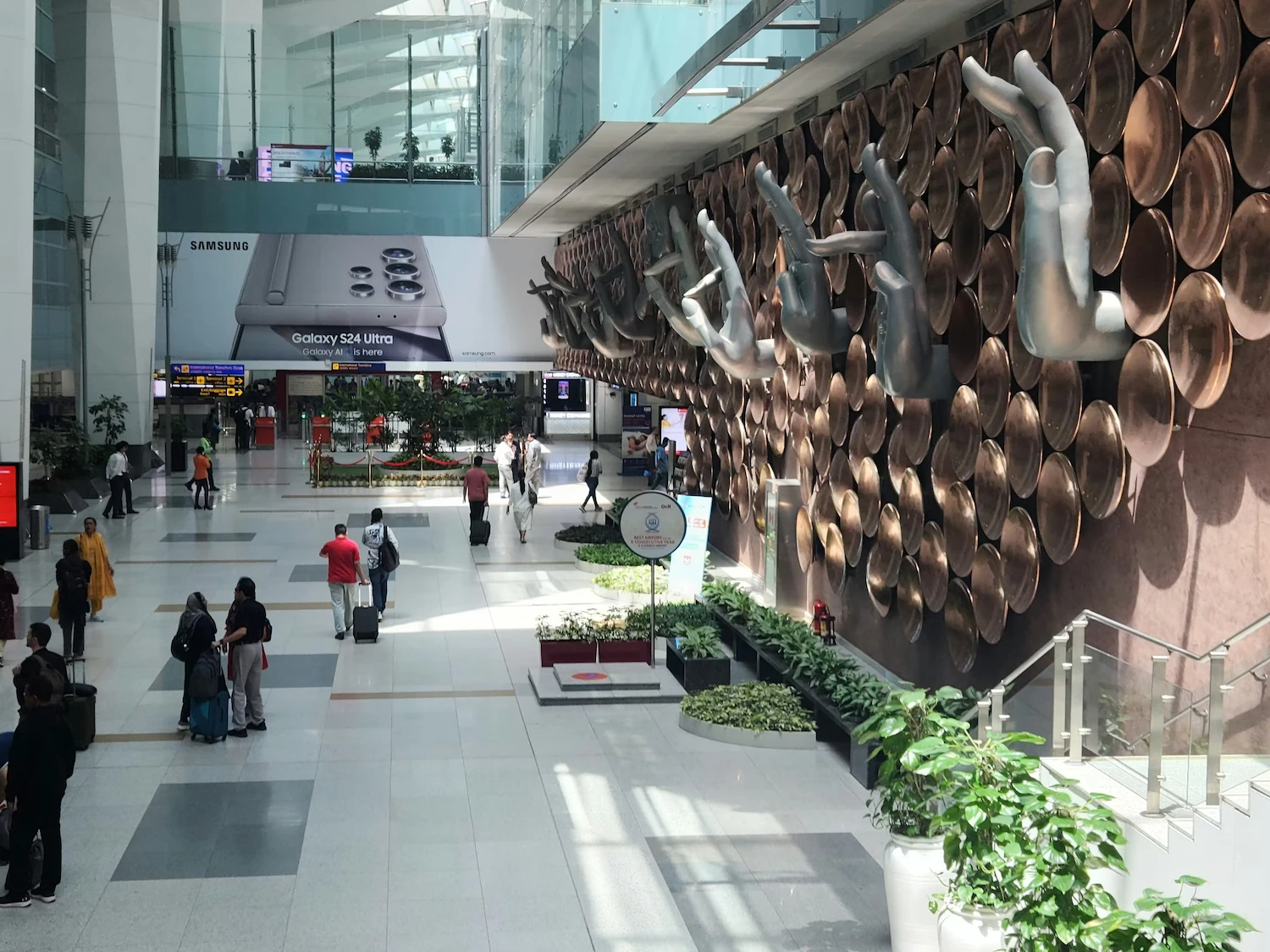
On arrival at Delhi Indra Ghandi International airport our airport representative will receive you and transfer to hotel. Overnight in hotel with breakfast only.
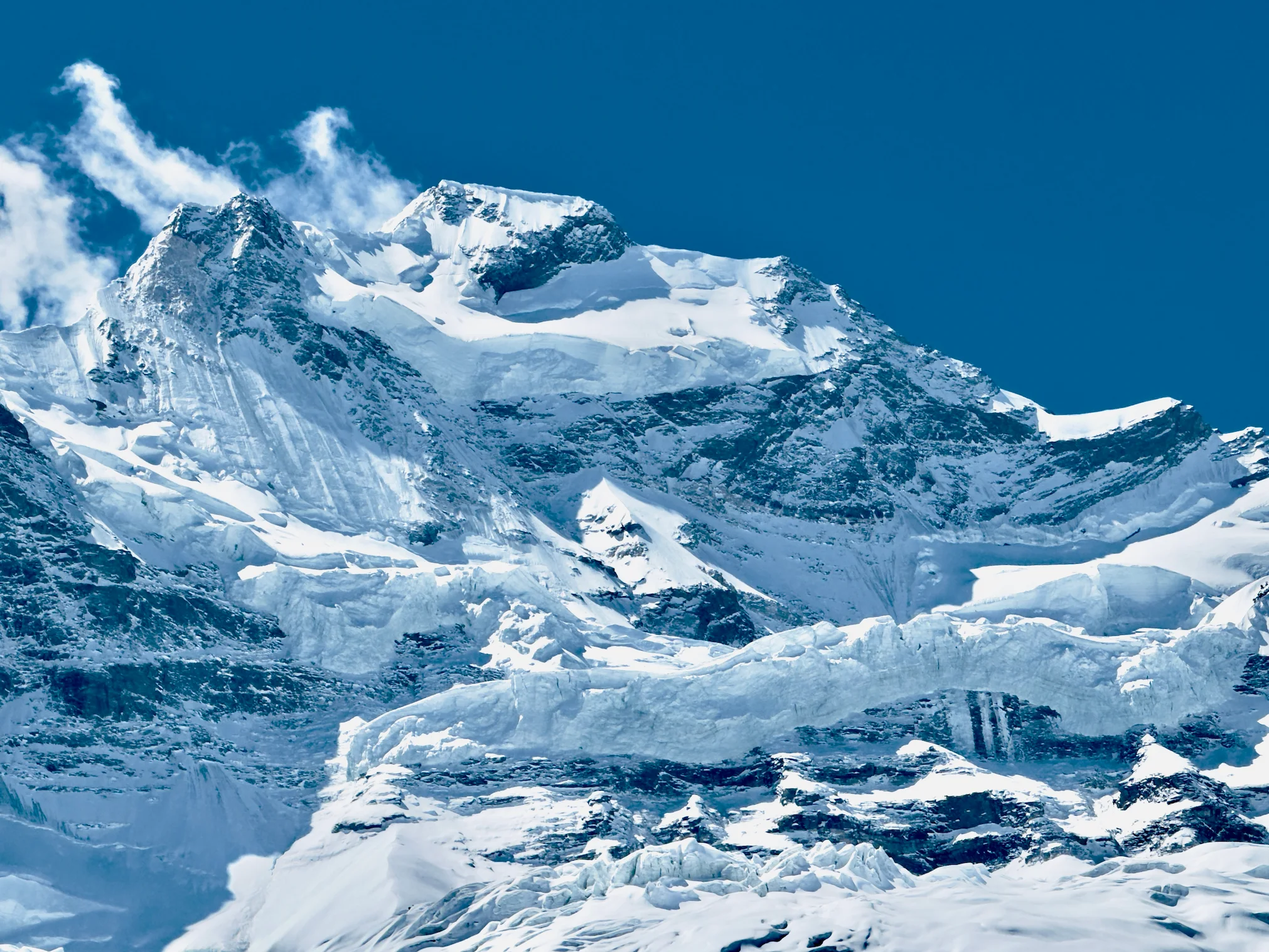
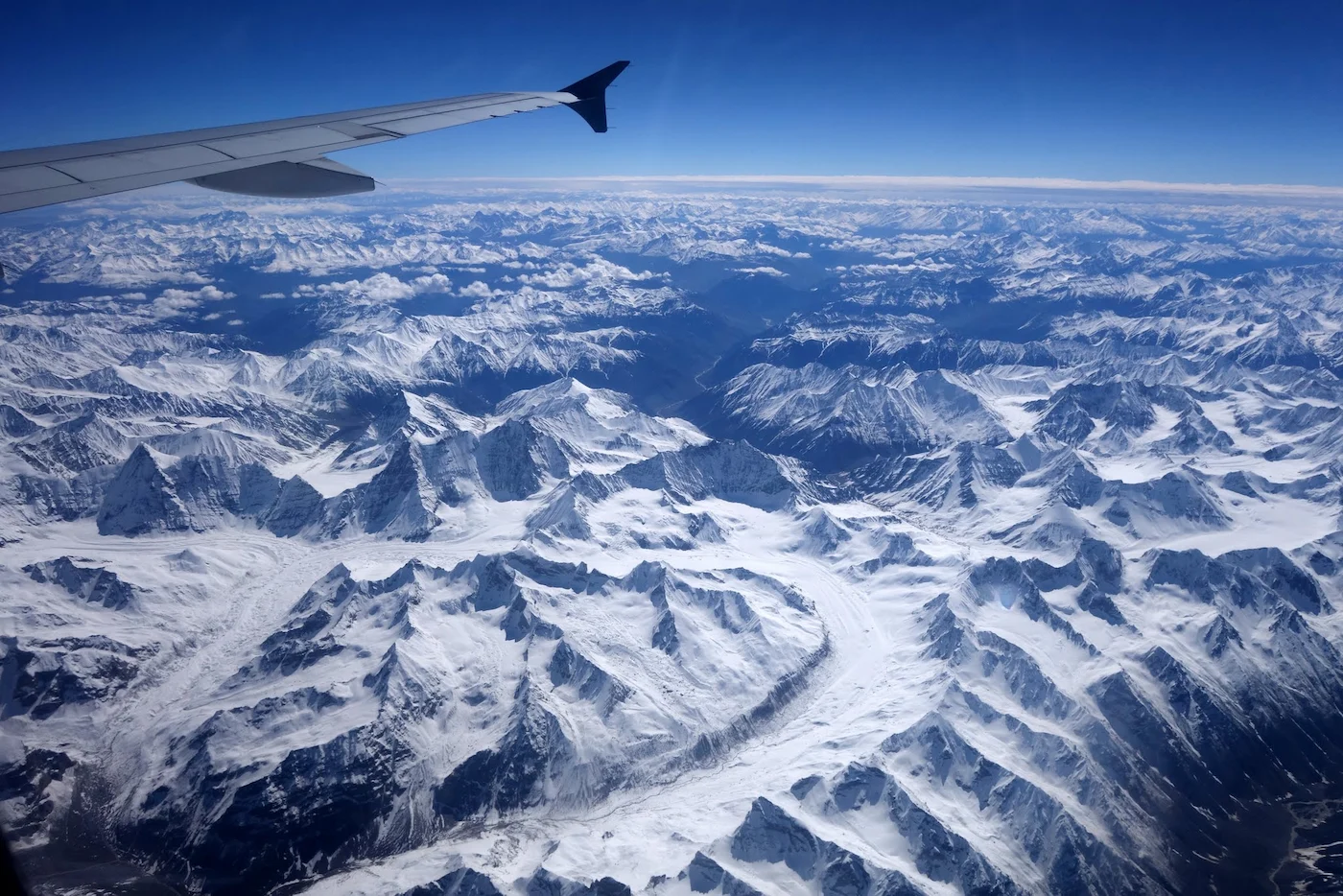
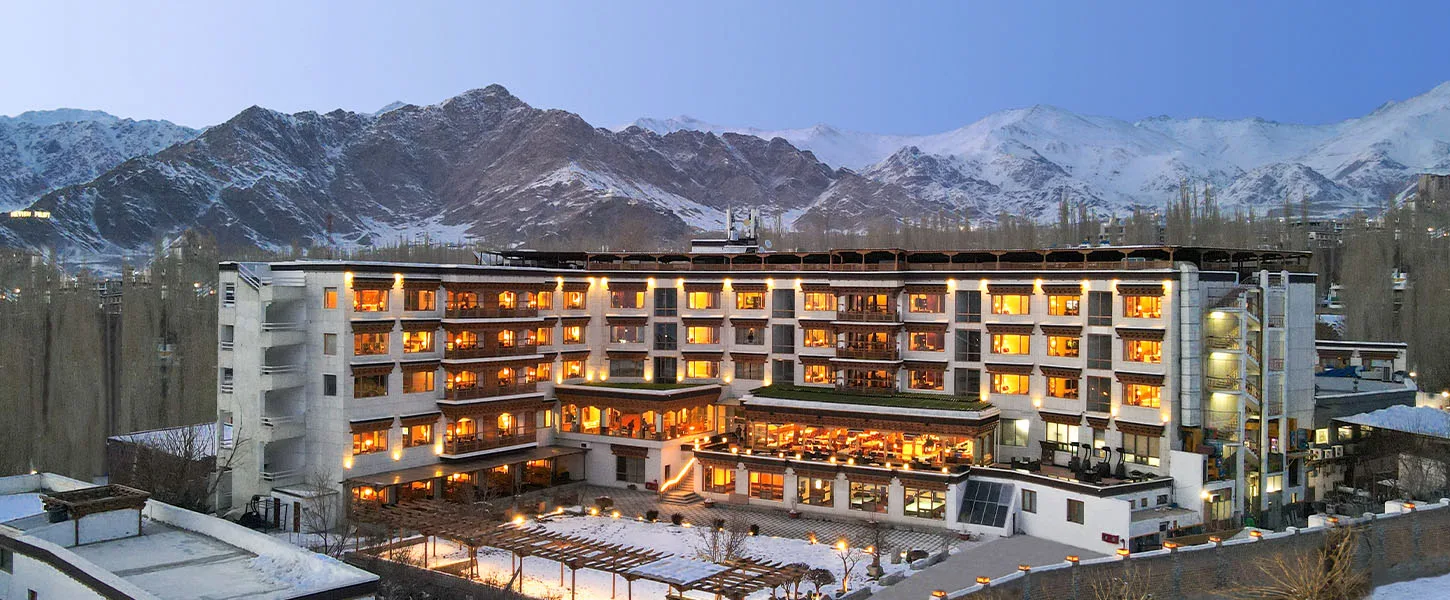
All flights to Leh departs early morning. Board flight to Leh. An hour flight to Leh the - capital town of Ladakh. View from flight is amazing, witnessing thousands of high peaks, glaciers and valleys. From Leh airport you will be picked by your tour guide and take you to hotel in Leh. Drive will be not more then 10 minutes. On arrival at hotel your guide will brief you about the process acclimatization, getting use to high altitude terrain and itinerary in details. Day complete rest in hotel with all meals.
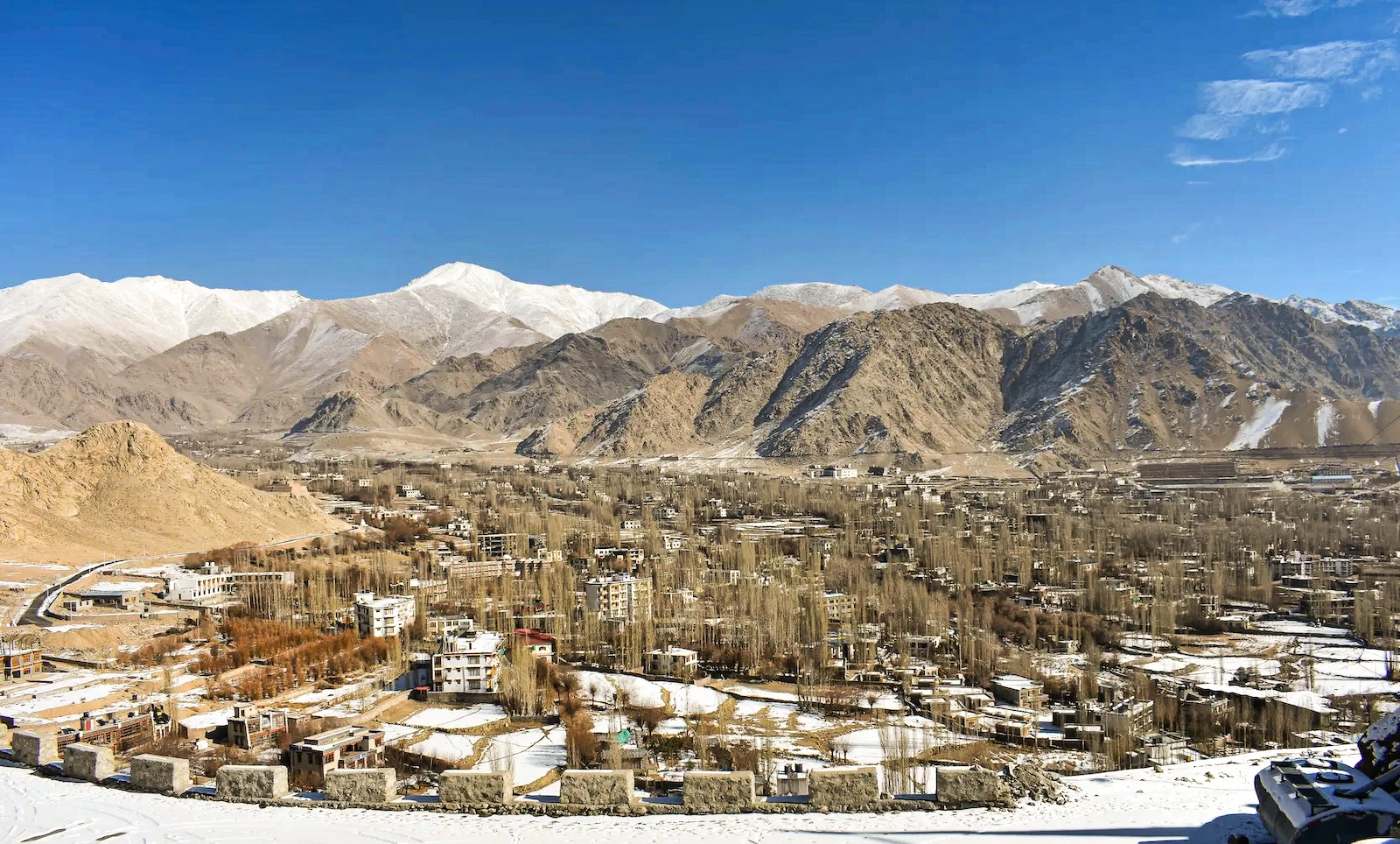
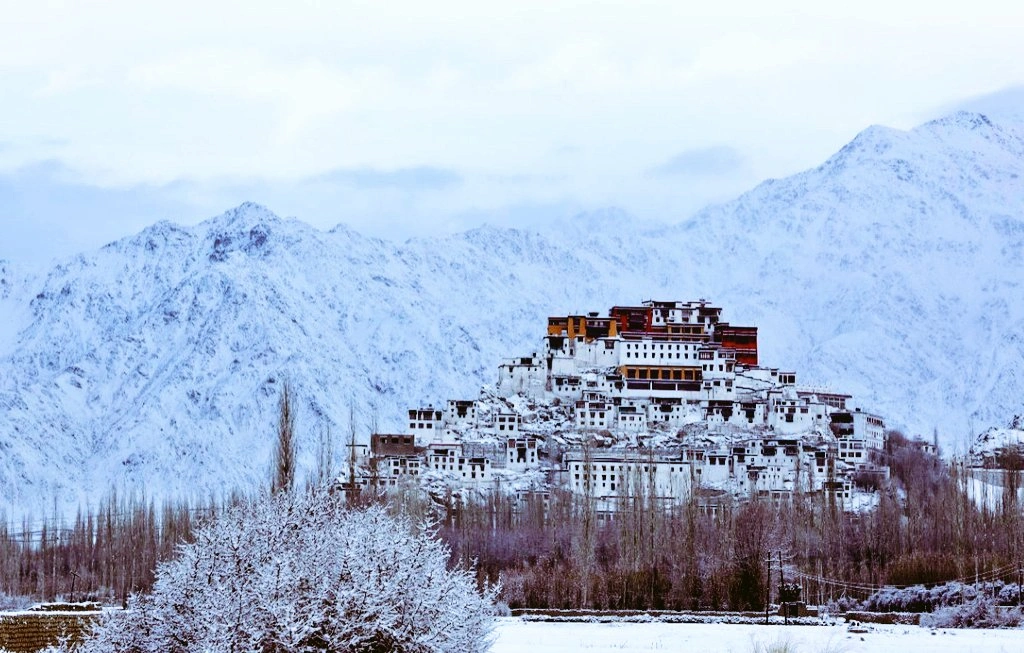
Wakeup at dawn for coffee or tea, later drive half an hour drive to Thiksey monastery to attend morning prayer ceremony. This will be best experience to witness monks morning activities, prayer, briefing and teaching small monks. Monastery founded in 1400 by Sherab Zangpo of the yellow hat order. With a stunning 12-story Tibetan Buddhist complex in Indus Valley, resembles Lhasa’s Potala Palace and is known as "Mini Potala" for its architecture, housing ancient murals, statues (like a giant Maitreya Buddha), and sculptures, vital to the Gelugpa order, offering serene views and spiritual experiences .
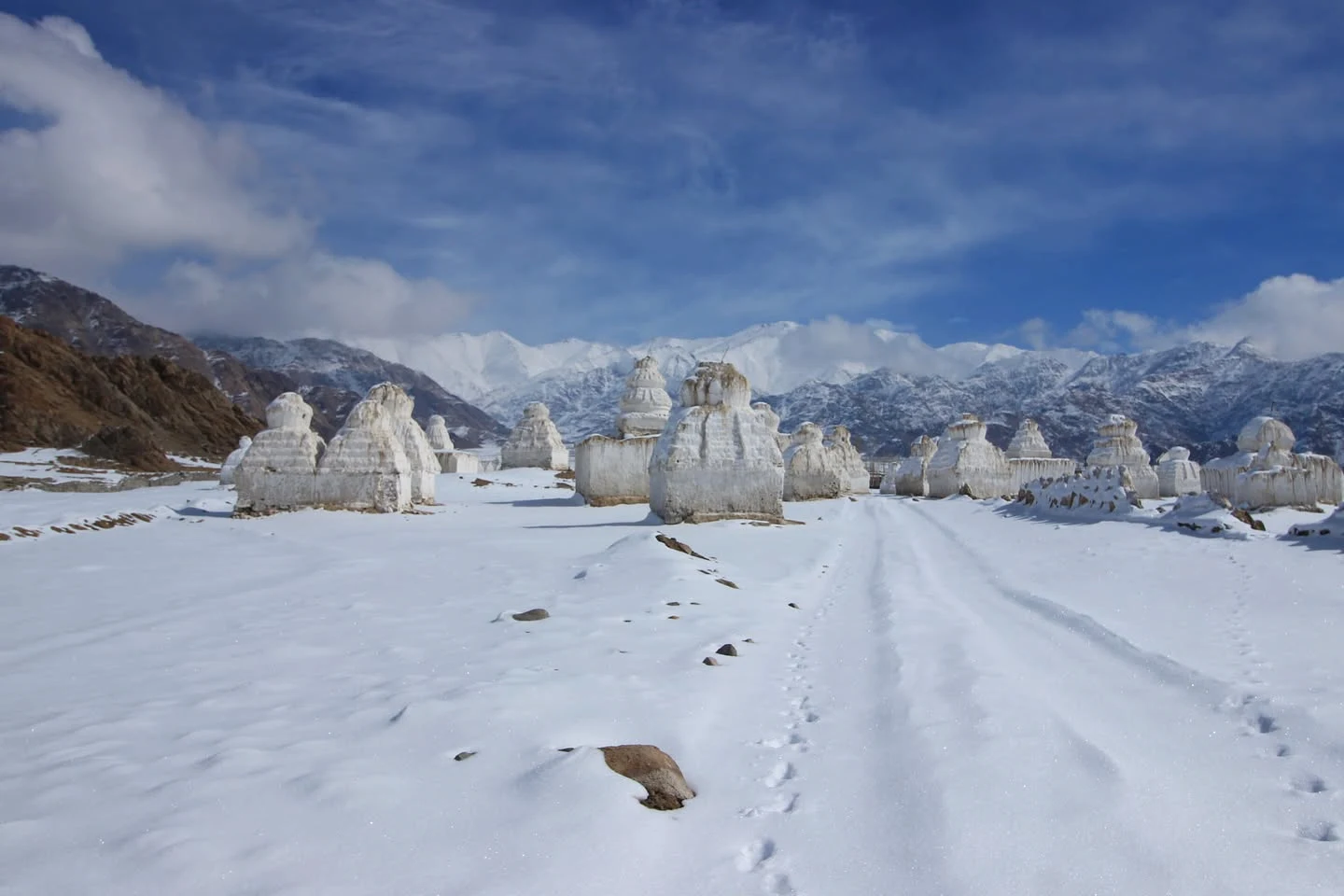
After two hours at the monastery, drive back to Leh with quick visit to Shey old cluster stupas on the way. Breakfast in hotel. After breakfast free time till lunch. After lunch guide will take you to explore old Leh town by walk to see daily life of locals. Walk back to hotel for overnight.
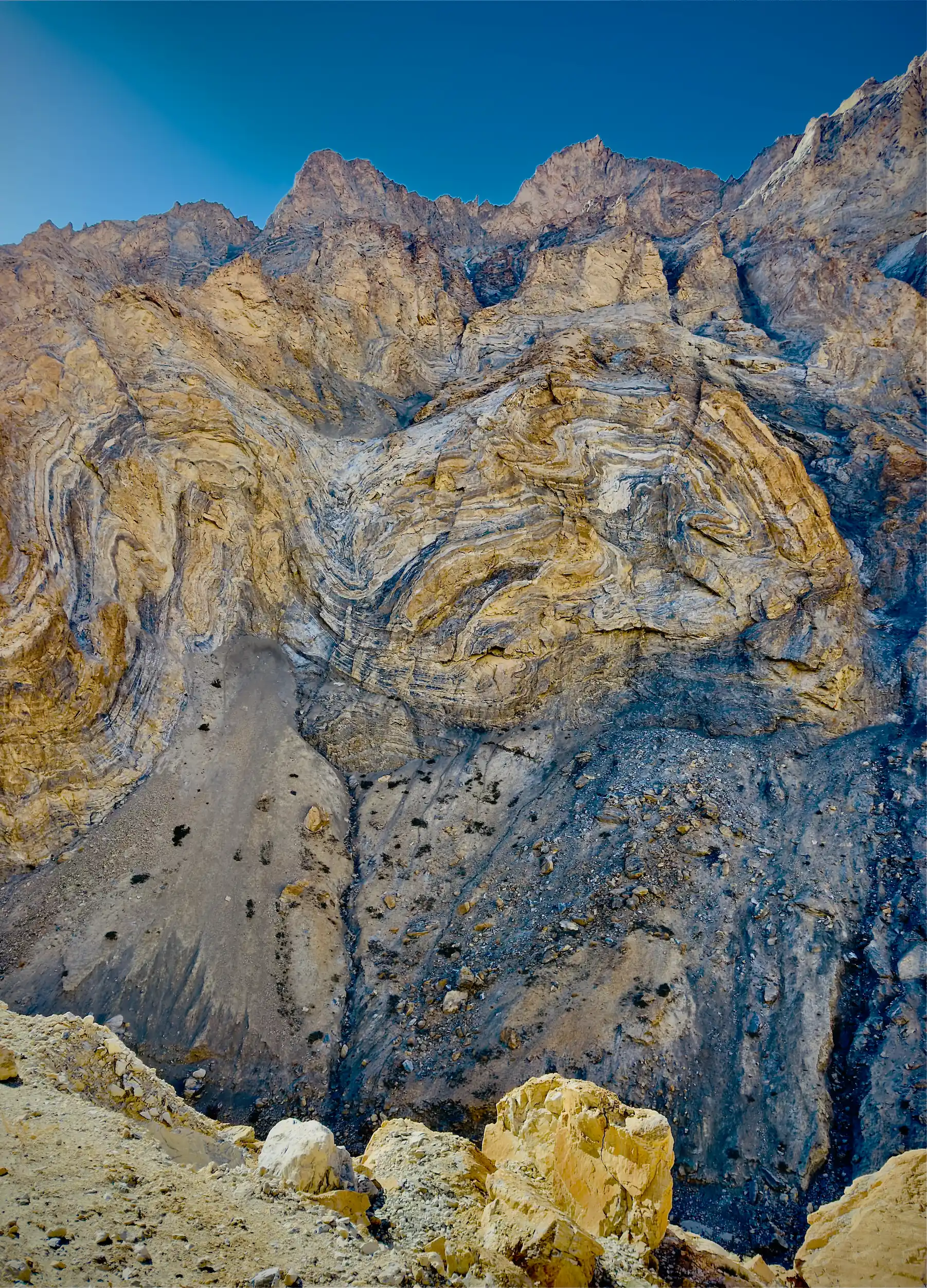
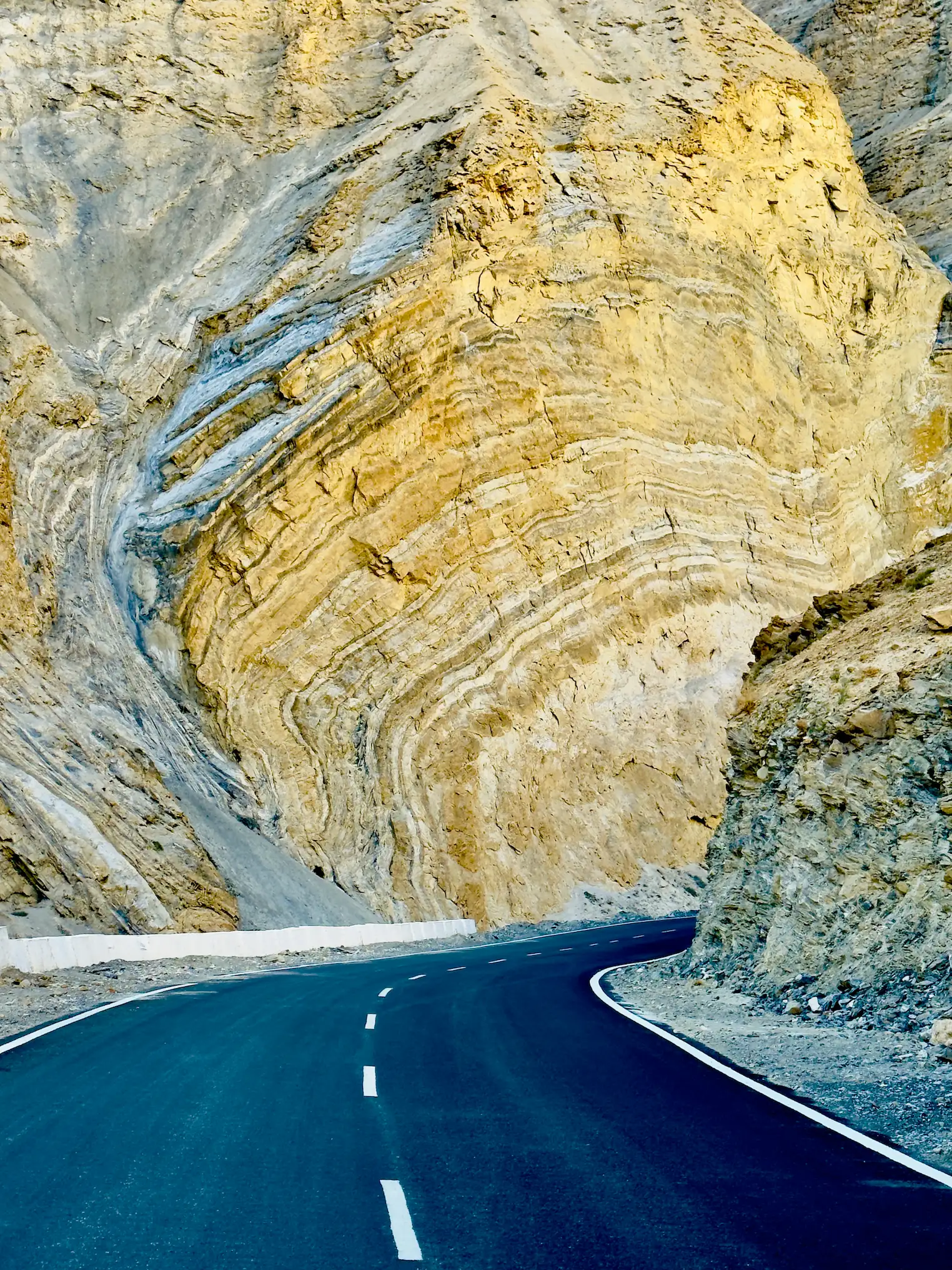
Early morning after breakfast we will drive through narrow George along the side of zanskar river. This dramatic transition into the heart of the Himalayas, beginning with the stunning Sangam river confluence where the jade-green Indus and azure-blue Zanskar rivers merge in a spectacular visual contrast. As you turn into the narrow Zanskar River gorge, the road becomes a photographer's dream, hugging the emerald waters and cutting through sheer, towering rock walls that create a "Grand Canyon of Ladakh" effect.
This offbeat route, often referred to as the Nimmu-Padum-Darcha road, offers an intimate look at the raw, vertical landscape of the Lungnak Valley, where you may spot snow leopard, blue sheep and Ibex clinging to the cliffs above. Reach Padum the administrative town of Zanskar. We will have lunch here. After lunch drive another hr or more to reach Purne village where we will stay five nights in a Lodge/ guesthouse.
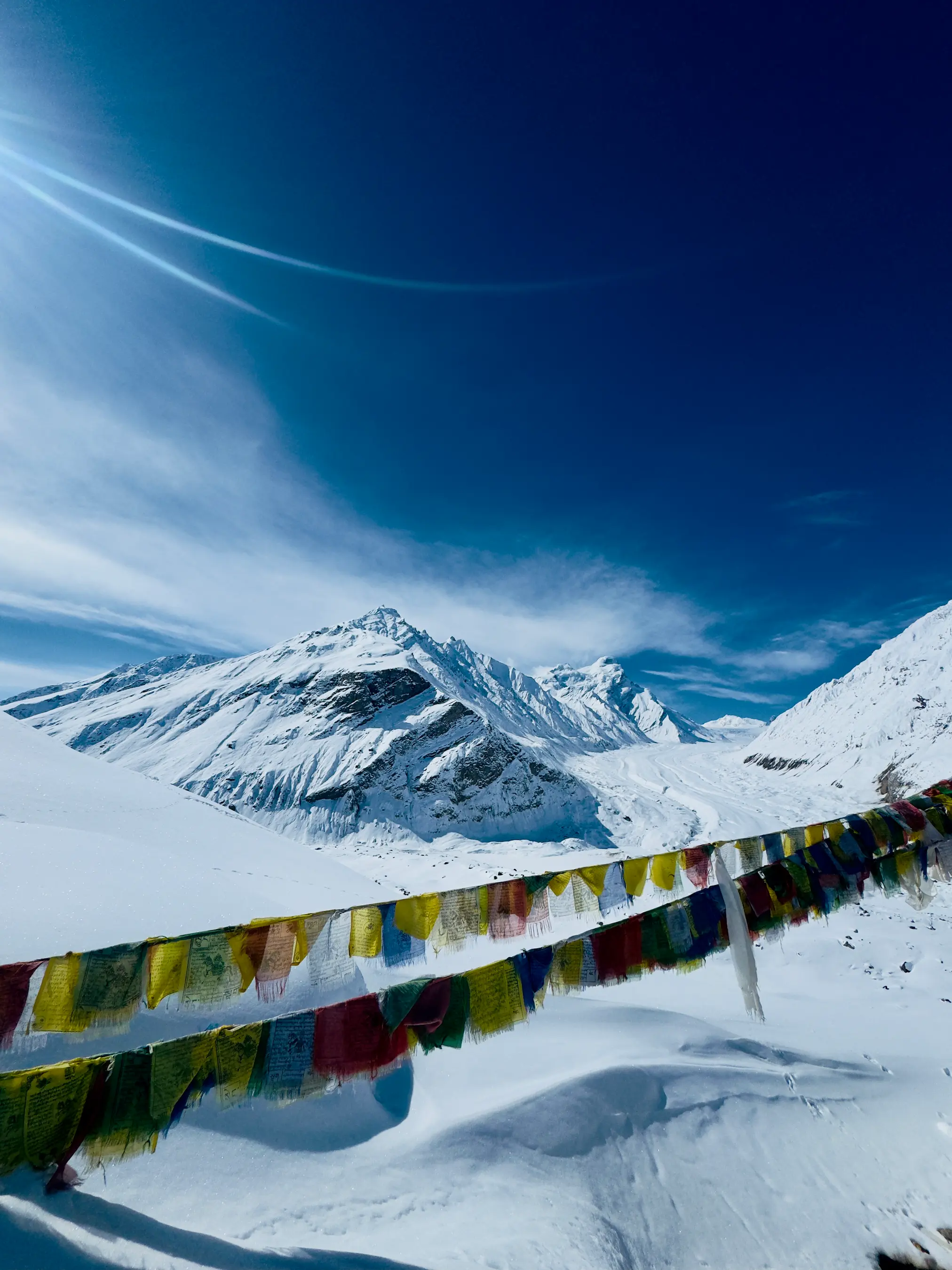
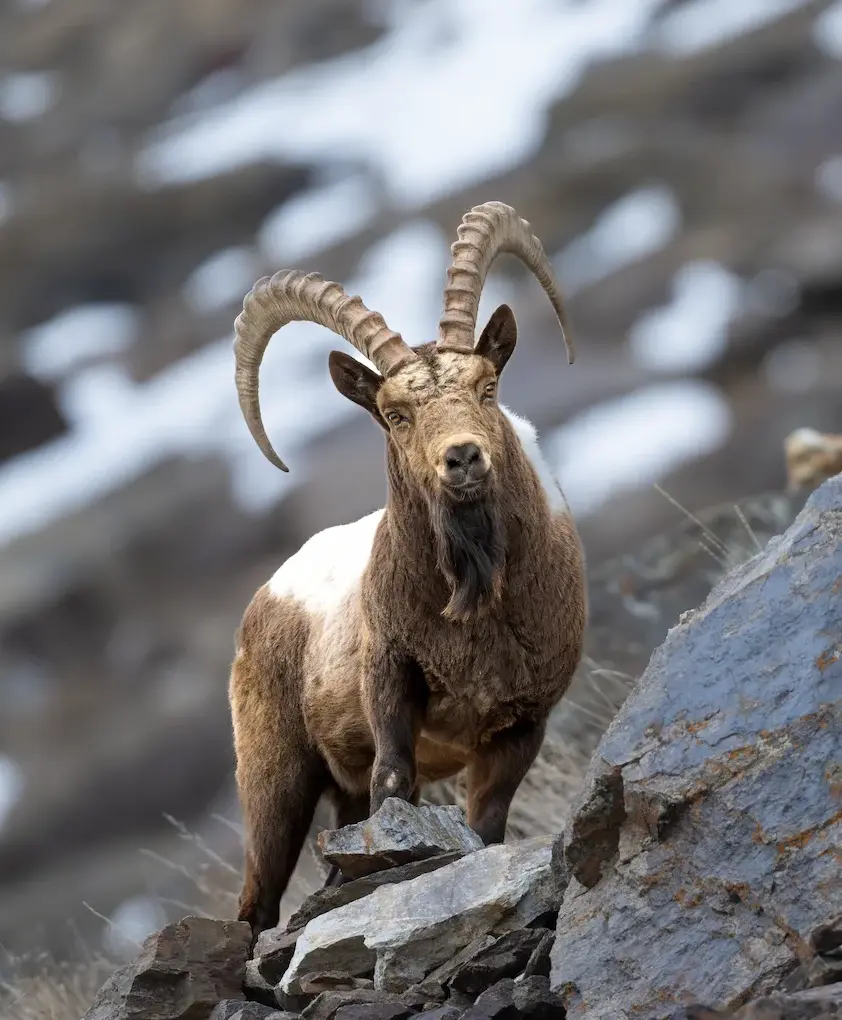
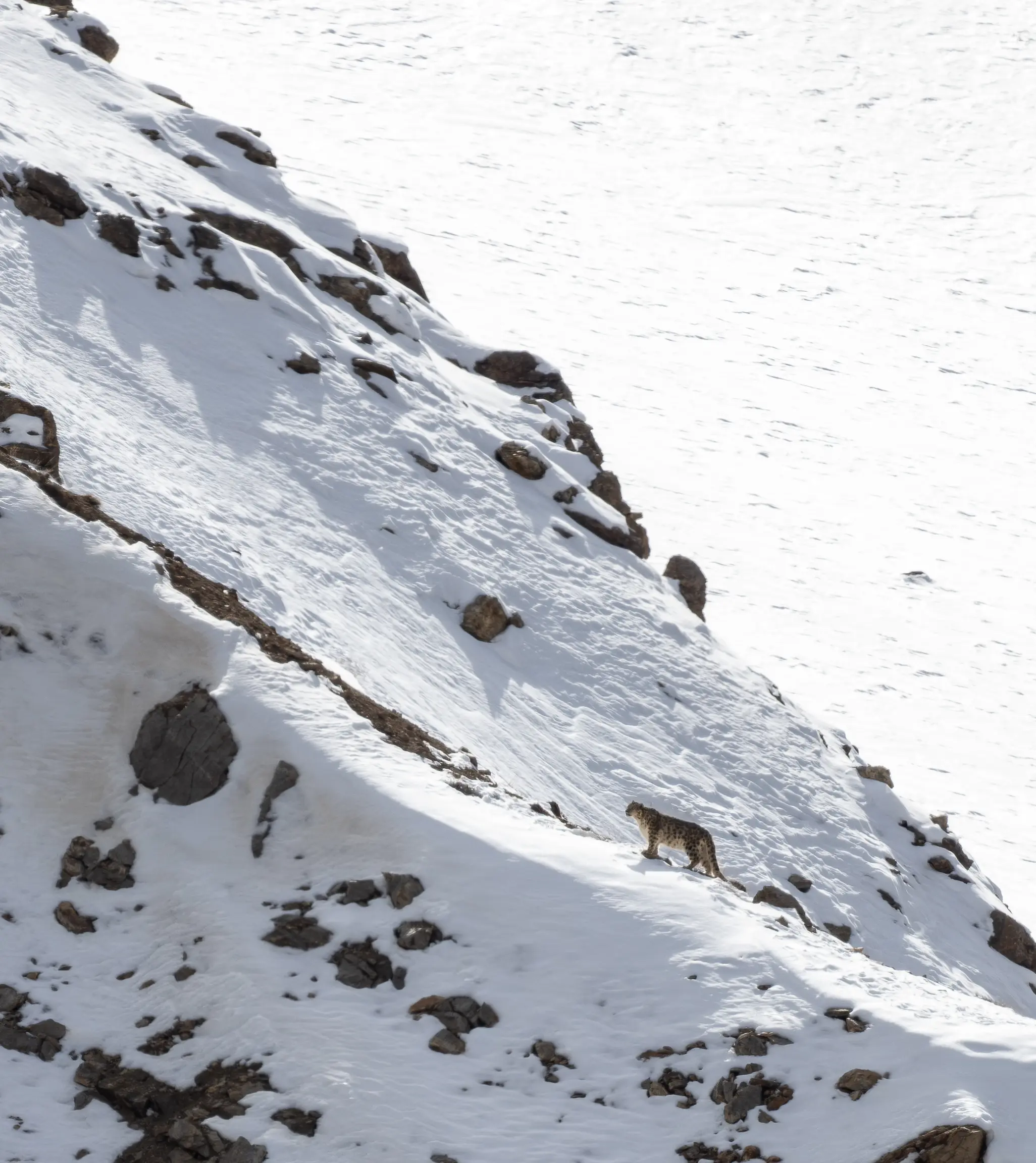
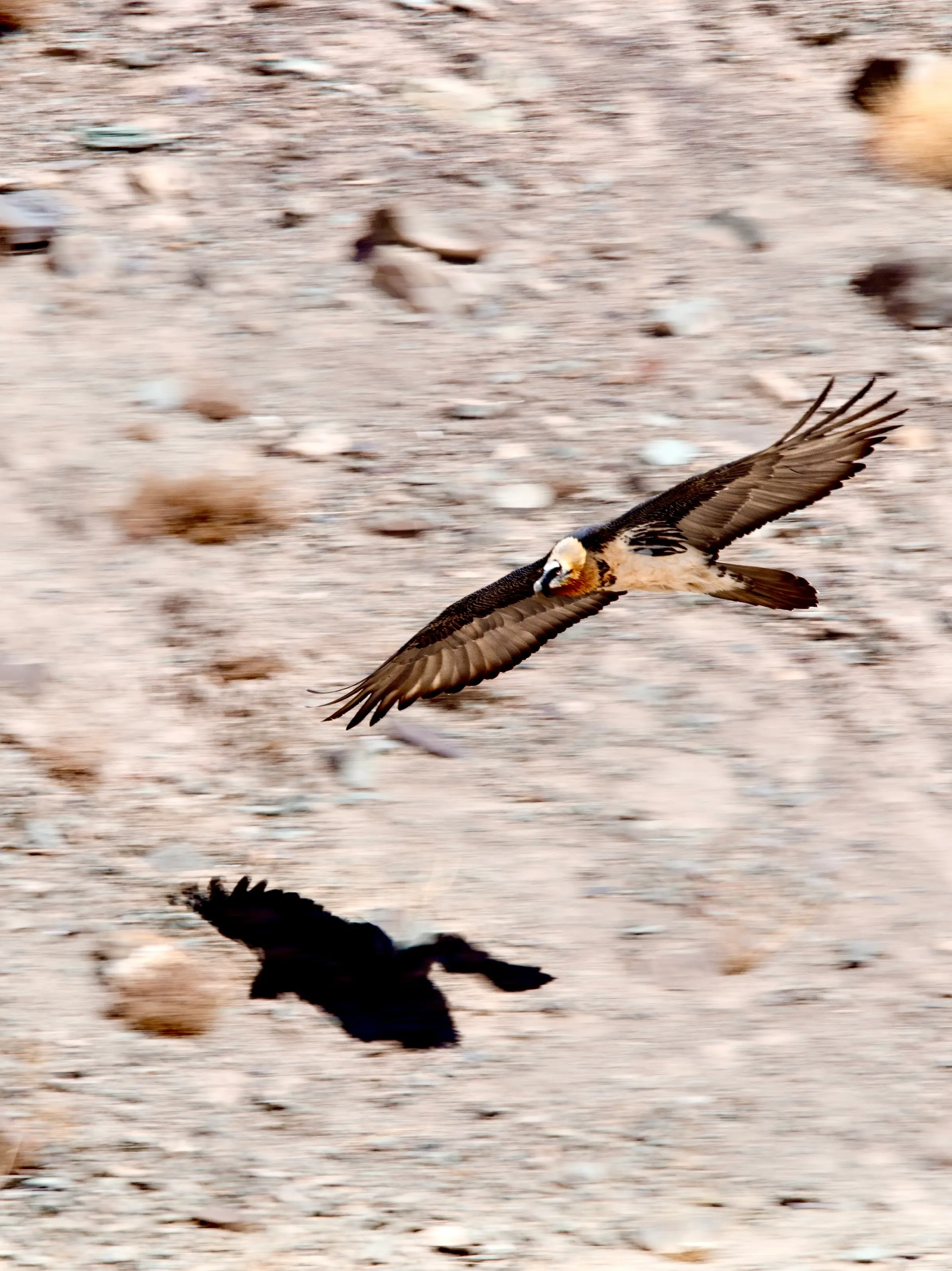
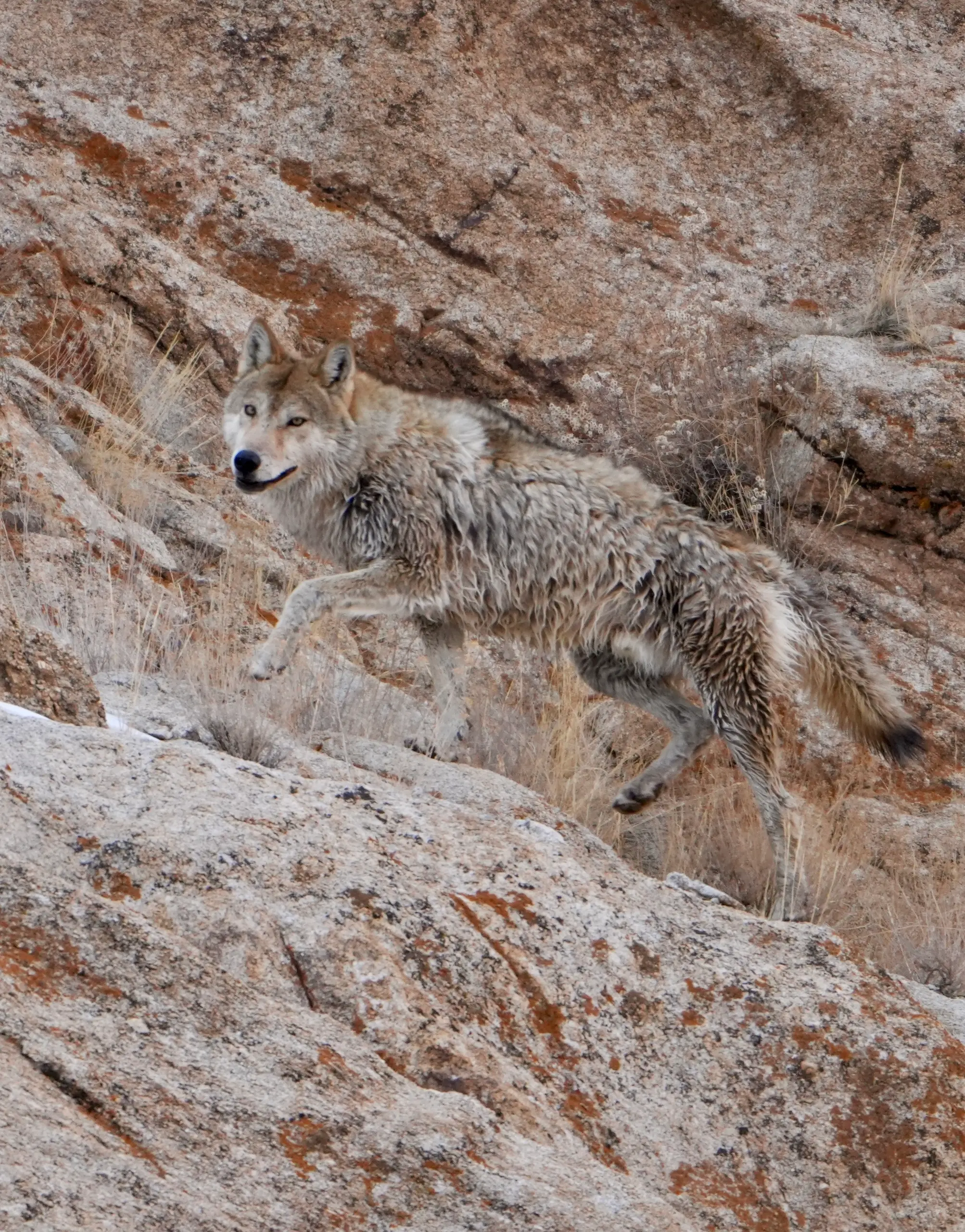
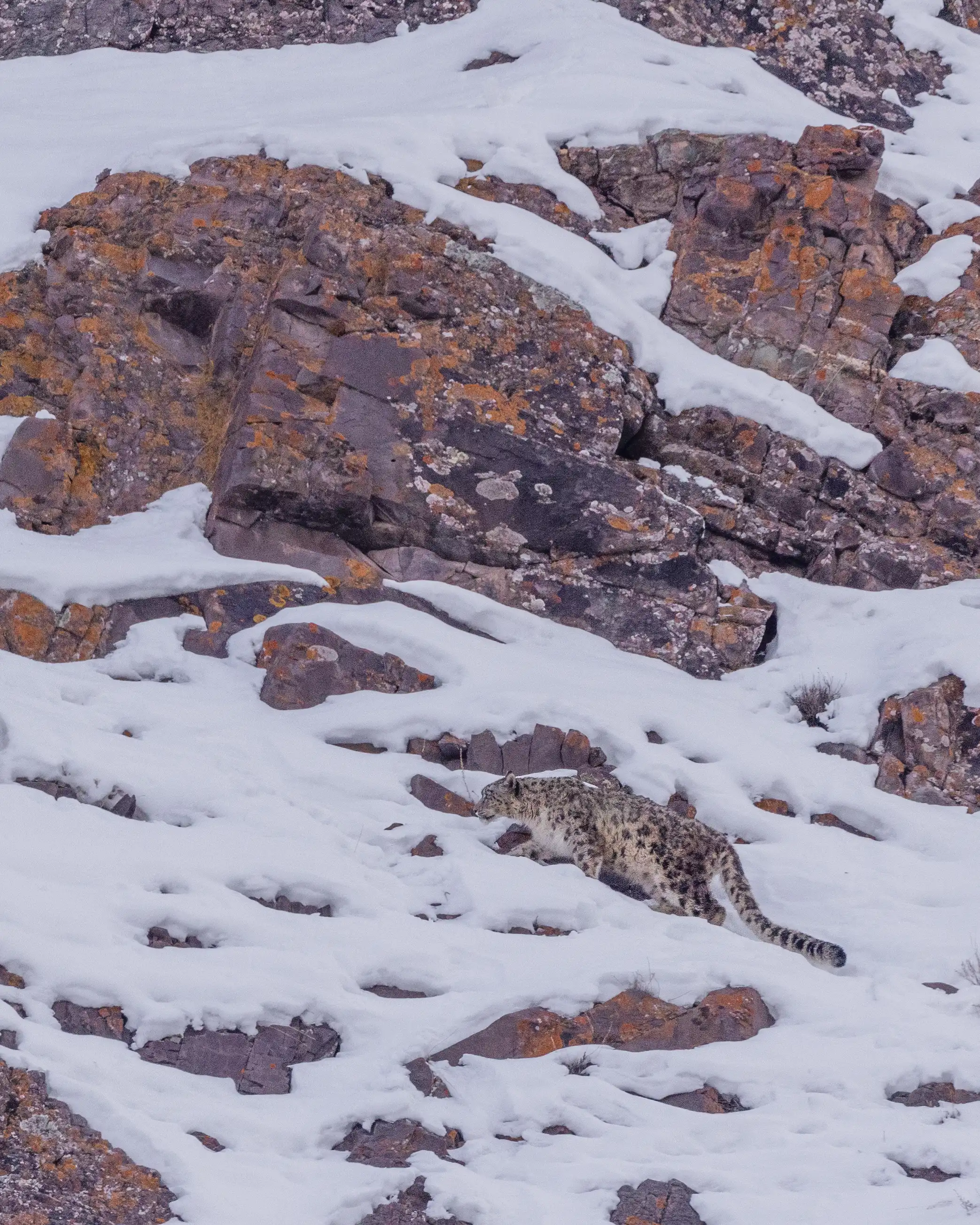
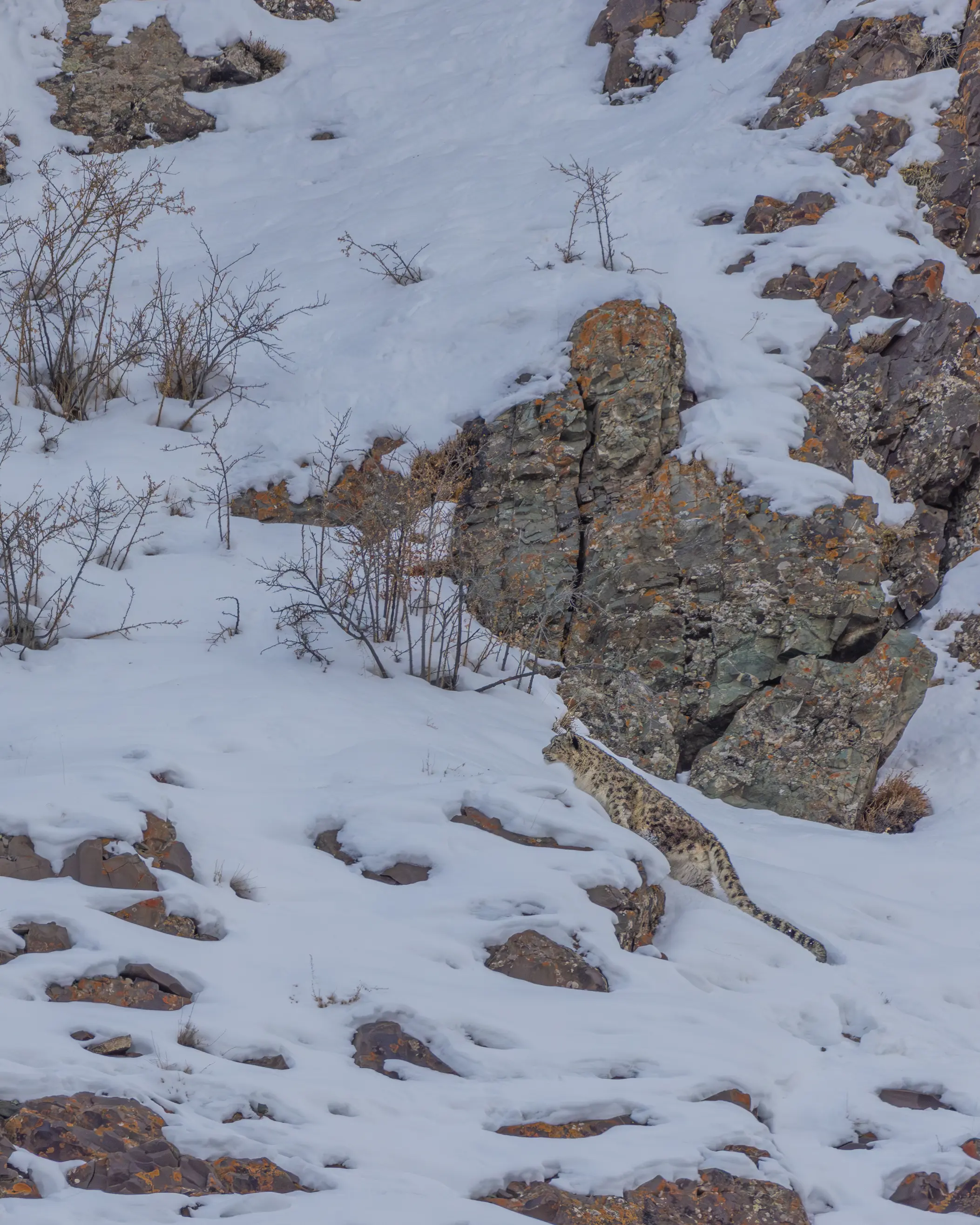
The Lungnak Valley, a deep and narrow gorge in the remote Zanskar region, is a premier high-altitude habitat for the Snow leopard (Panthera uncia), locally known as "Rchan" or "Shan". Dotted with approximately 20 small villages and the iconic Phuktal Monastery perched on its cliffs, the valley offers exceptional wildlife sightings during the harsh winter months from January to March. As heavy snow covers the high peaks, snow leopard descend to lower elevations, following their primary prey—the Asiatic Ibex and Himalayan Blue sheep (bharal)—making them easier to track along ridge-lines and frozen riverbeds. This seasonal movement, combined with the lack of dense vegetation in the semi-arid landscape, provides clear visibility for spotting these "ghosts of the mountains". Beyond the snow leopard, the valley's biodiversity includes the Tibetan wolf, red fox, and Raptors like Golden eagle, griffin vultures and Lammergeier.
Early Morning (6.00 AM): Expert spotters go out at sunrise to look for wildlife, like wild sheep, on the mountain slopes using high-powered scopes and binoculars.
Morning (7:00 AM): Guests wake up to hot coffee and tea. Guides share the morning's tracking news.
If a Leopard is Found: You go straight to the spot to see it. LODGE staff will even bring your breakfast| lunch to you so you don't miss anything.
Afternoon: Depending on where the animals are, you will also visit famous monasteries and its activities and monk and nun life style, local villages. You can try traditional butter tea, hear local stories, and see how villagers protect their farm animals.
Evening: Return to guesthouse for drinks and a three-course dinner. You can relax and listen to stories about past expeditions under the stars.
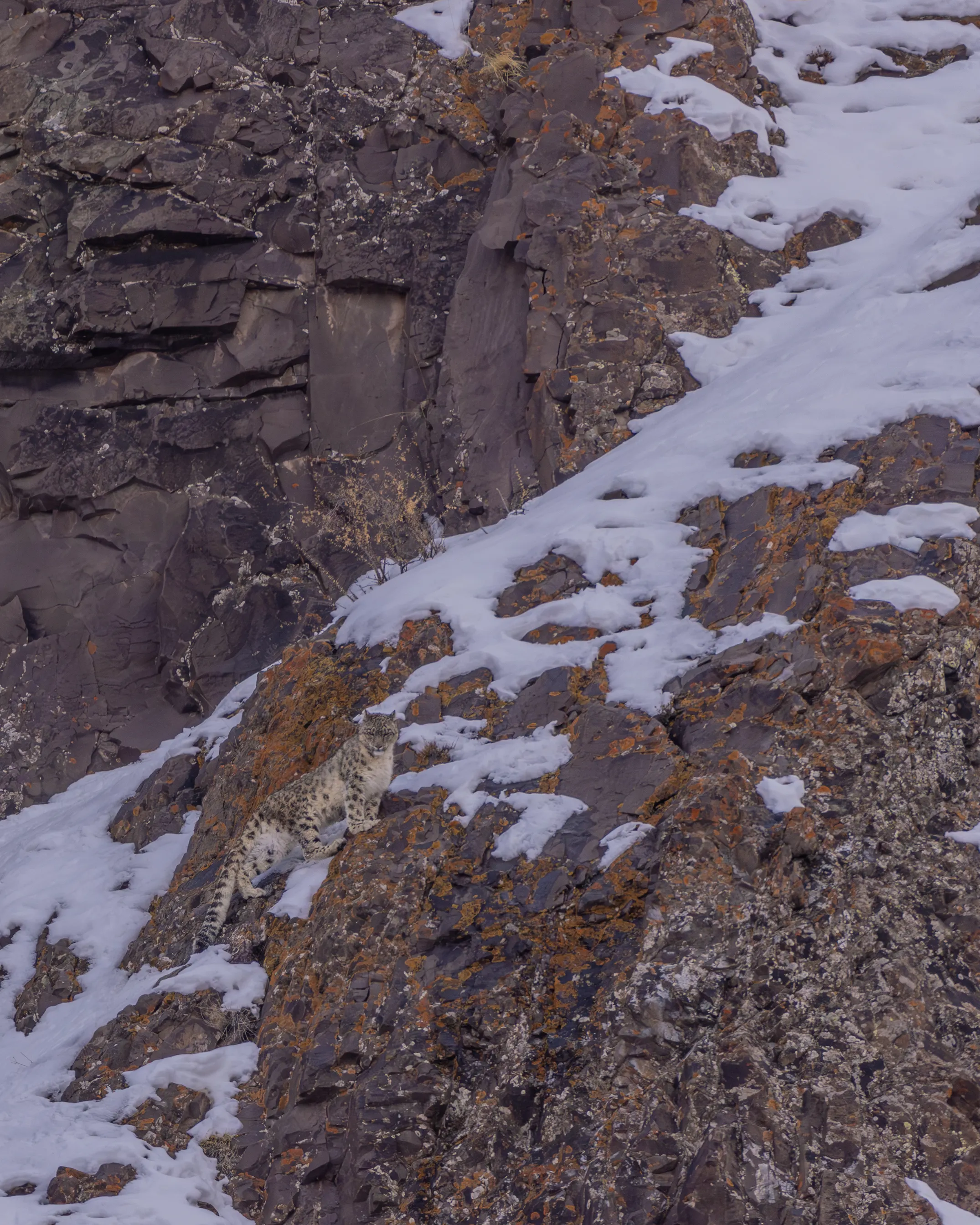
After early breakfast we will drive back to Leh via same route. Reach Leh post lunch and checkin into hotel for overnight in Hotel with all meals.
After breakfast transfer lot airport for your flight back to Delhi. You will be pick by our airport representative and transfer to airport hotel. Overnight in hotel with breakfast only. As per your flight home we will pick you from hotel and transfer to international airport for your flight back home.
Accommodation
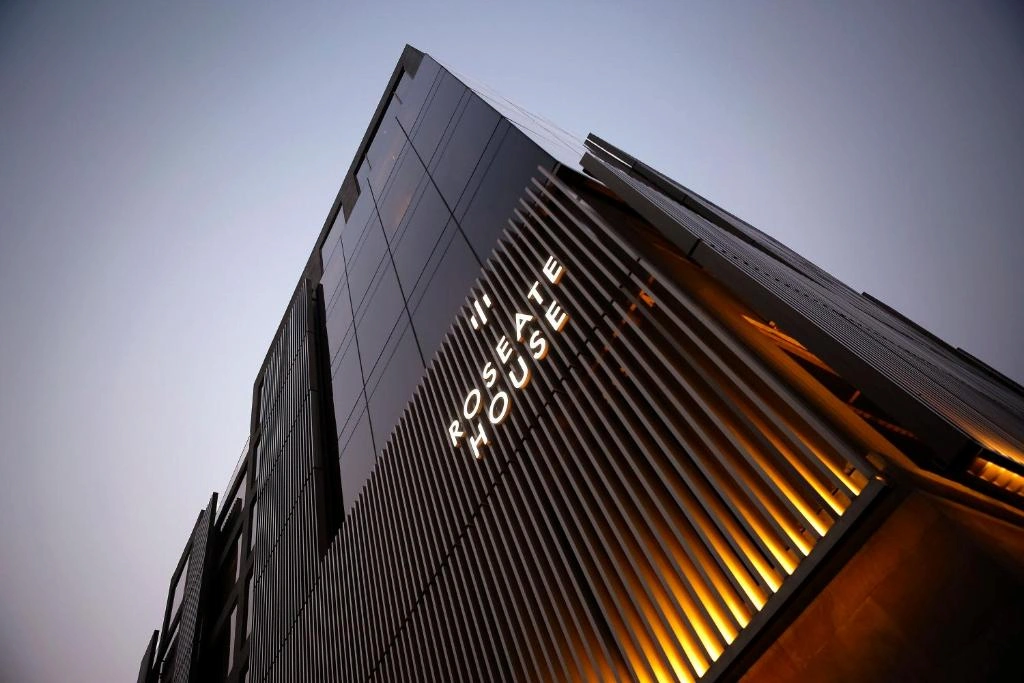
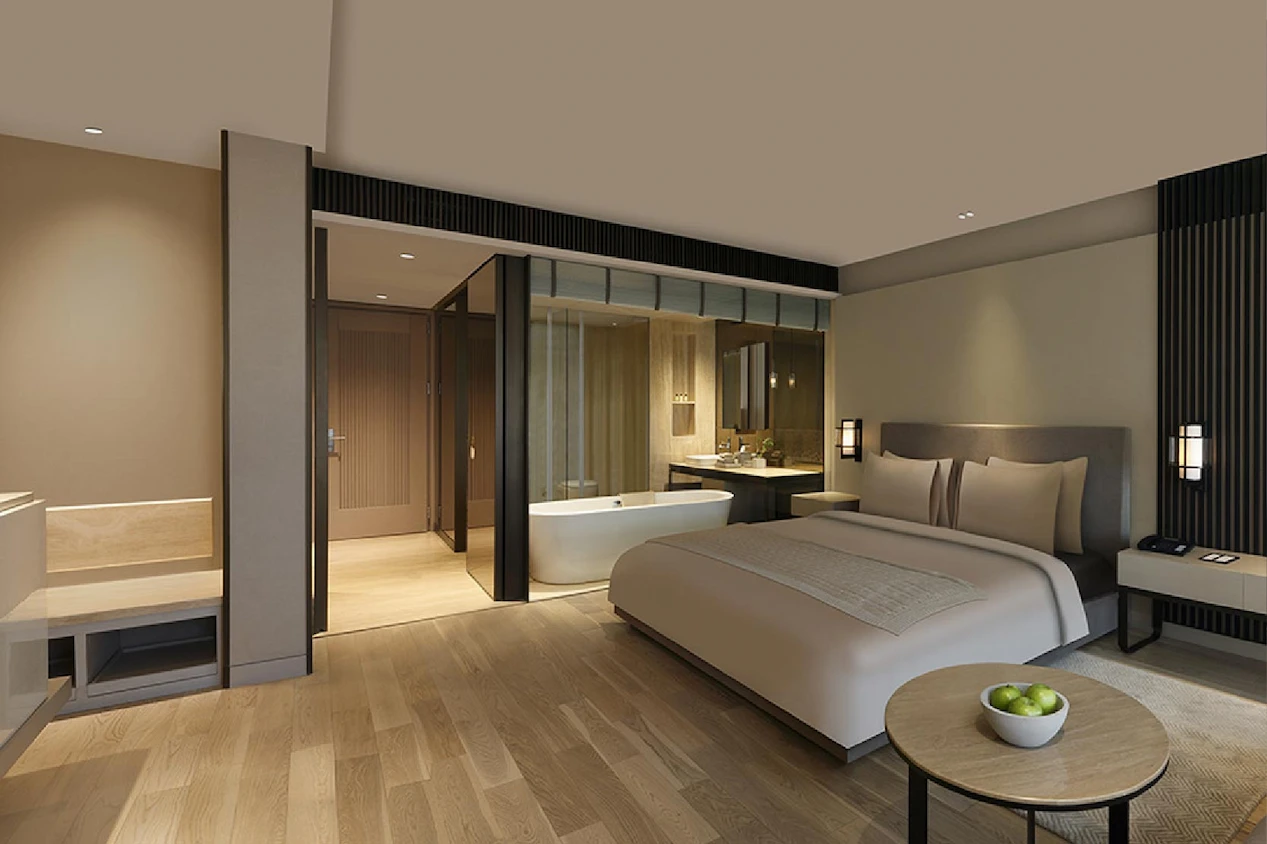
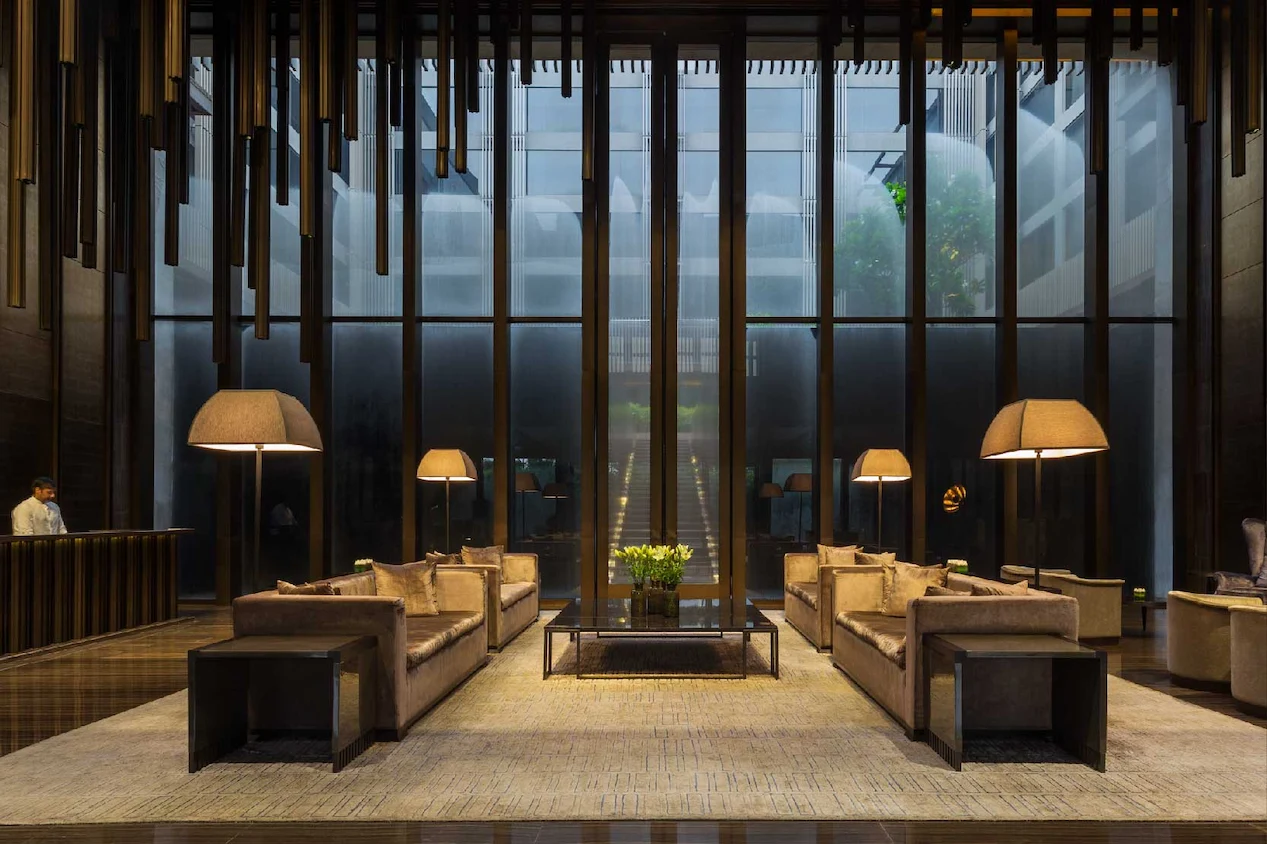
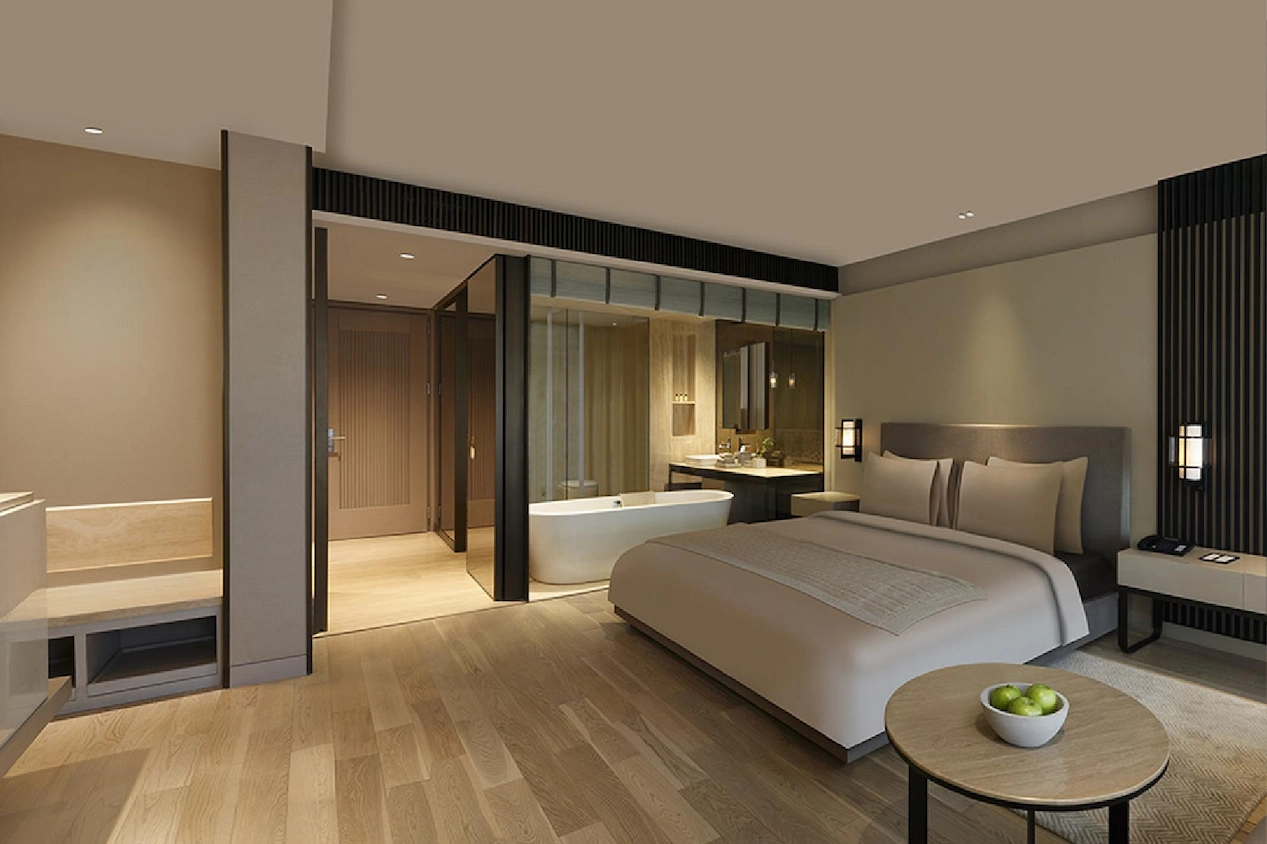
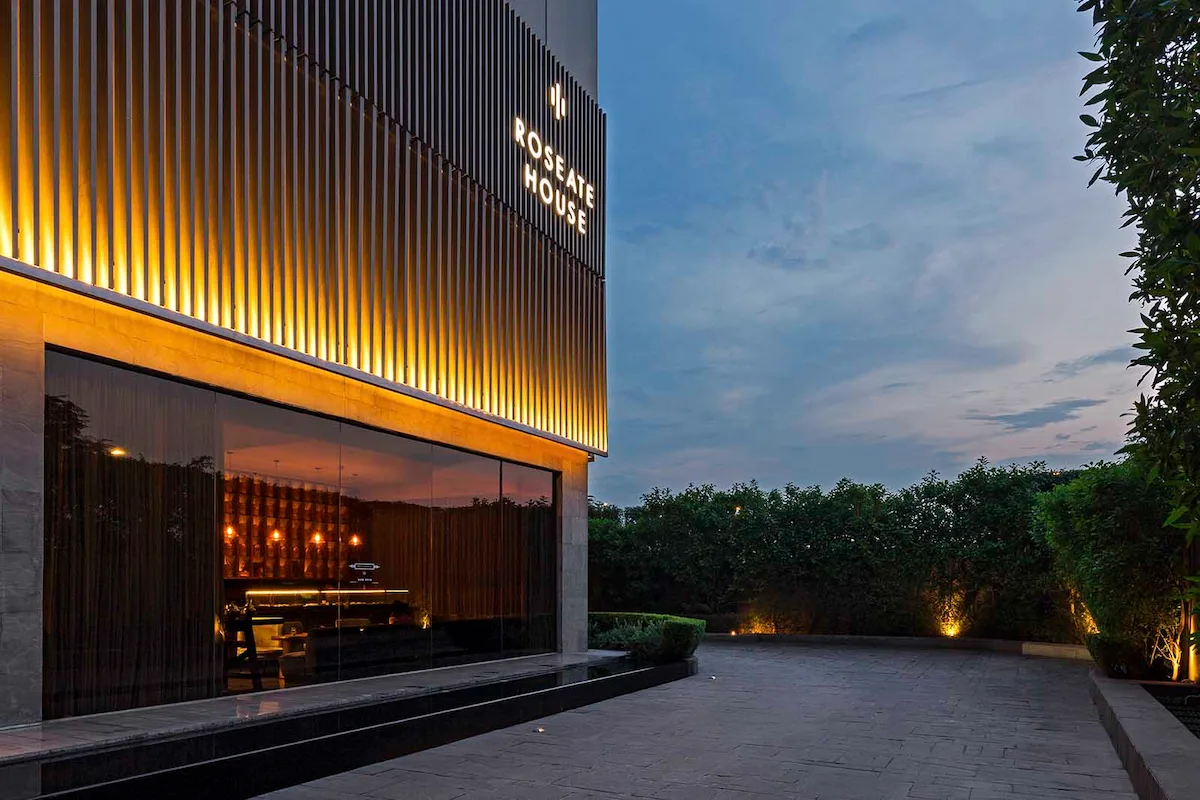
Roseate House
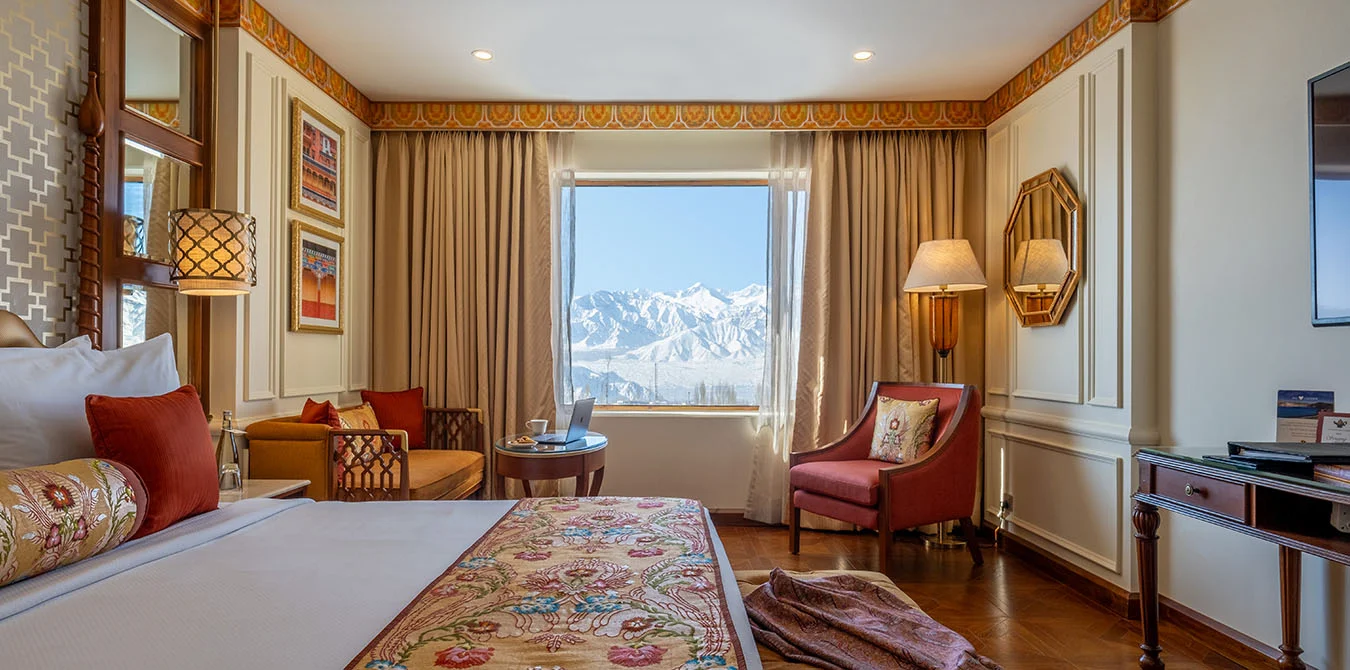
Type: HotelRoseate Hotels & Resorts is a collection of design-led luxury hotels known for elegant architecture, refined experiences, and exceptional dining. With a strong focus on sustainability, attention to detail, and warm, intuitive service, each property offers a unique and immersive stay.
Grand Dragon hotel
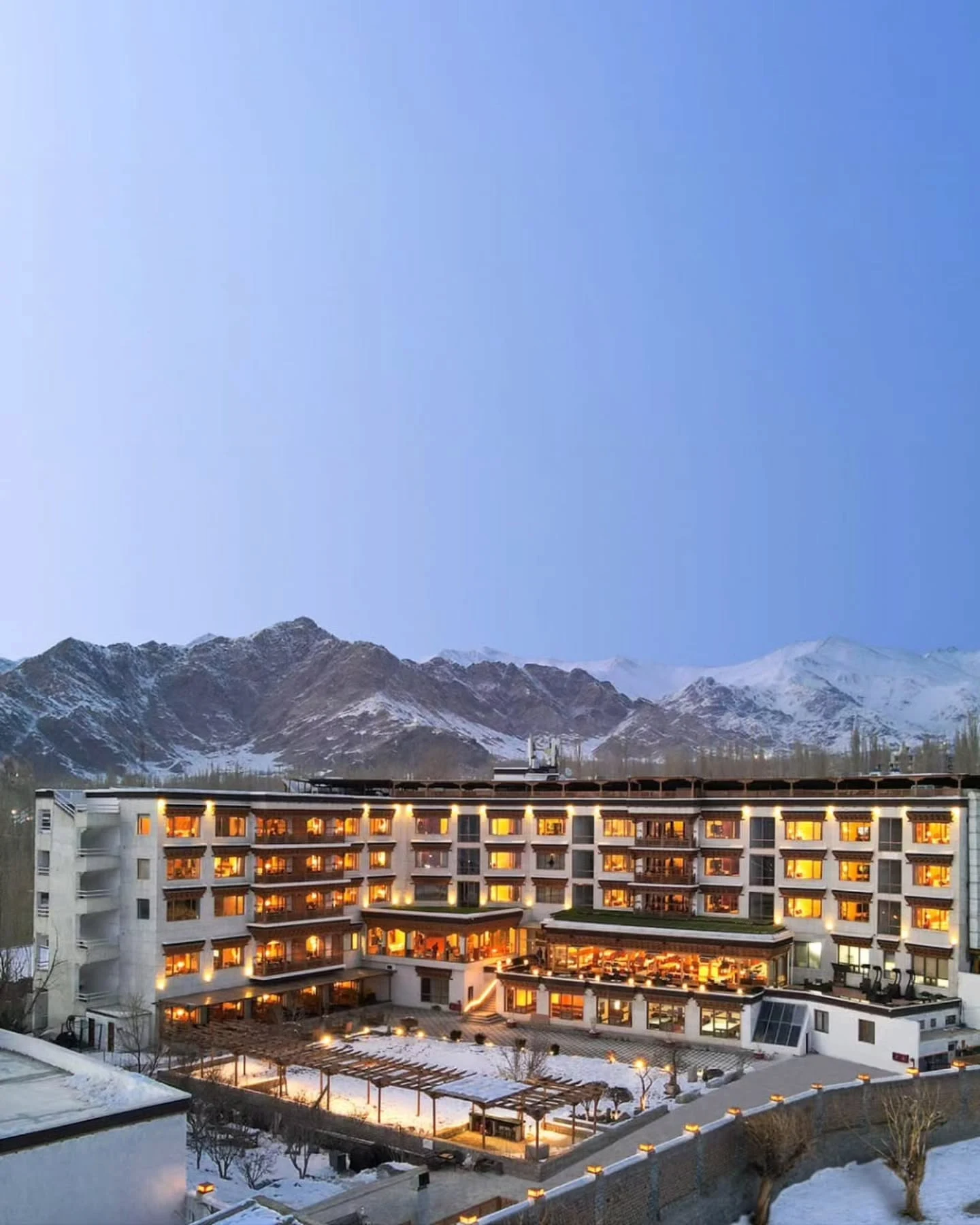
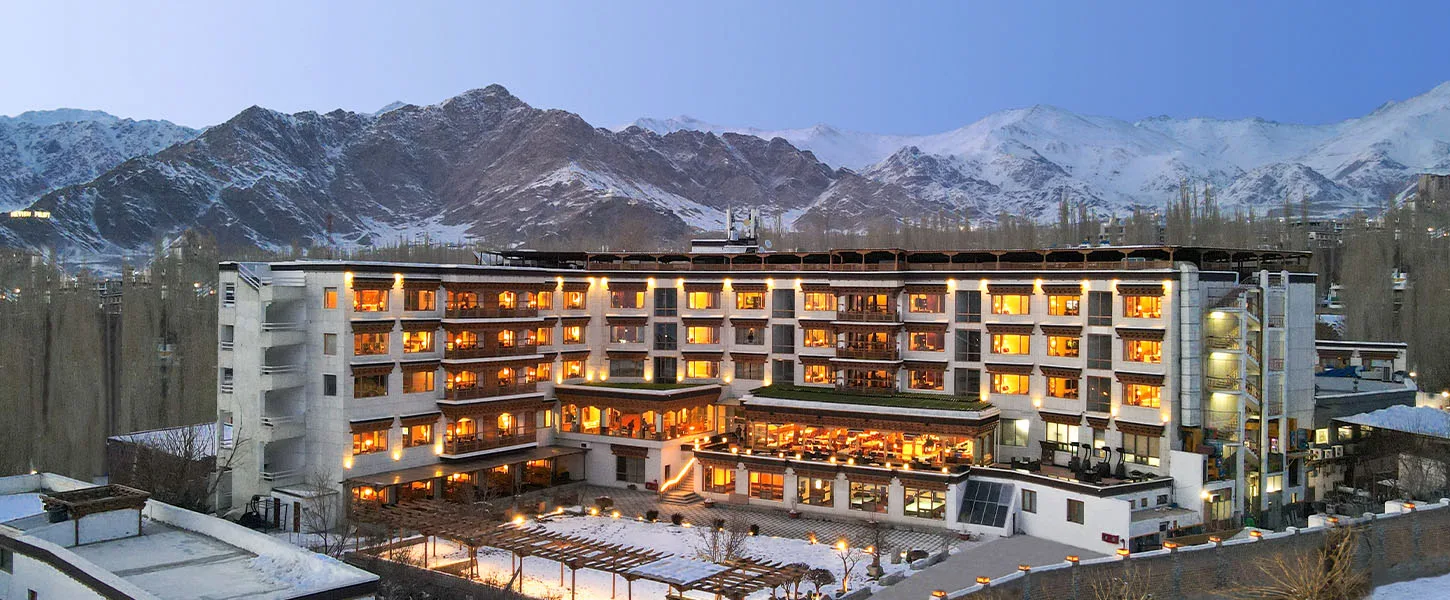
Type: HotelThe Grand Dragon Ladakh is Ladakh’s only 5-star certified hotel, offering luxury and comfort at high altitude in the heart of Leh. Blending traditional Ladakhi design with modern amenities, it is renowned for warm hospitality and a refined stay experience.
Hotel Chospa
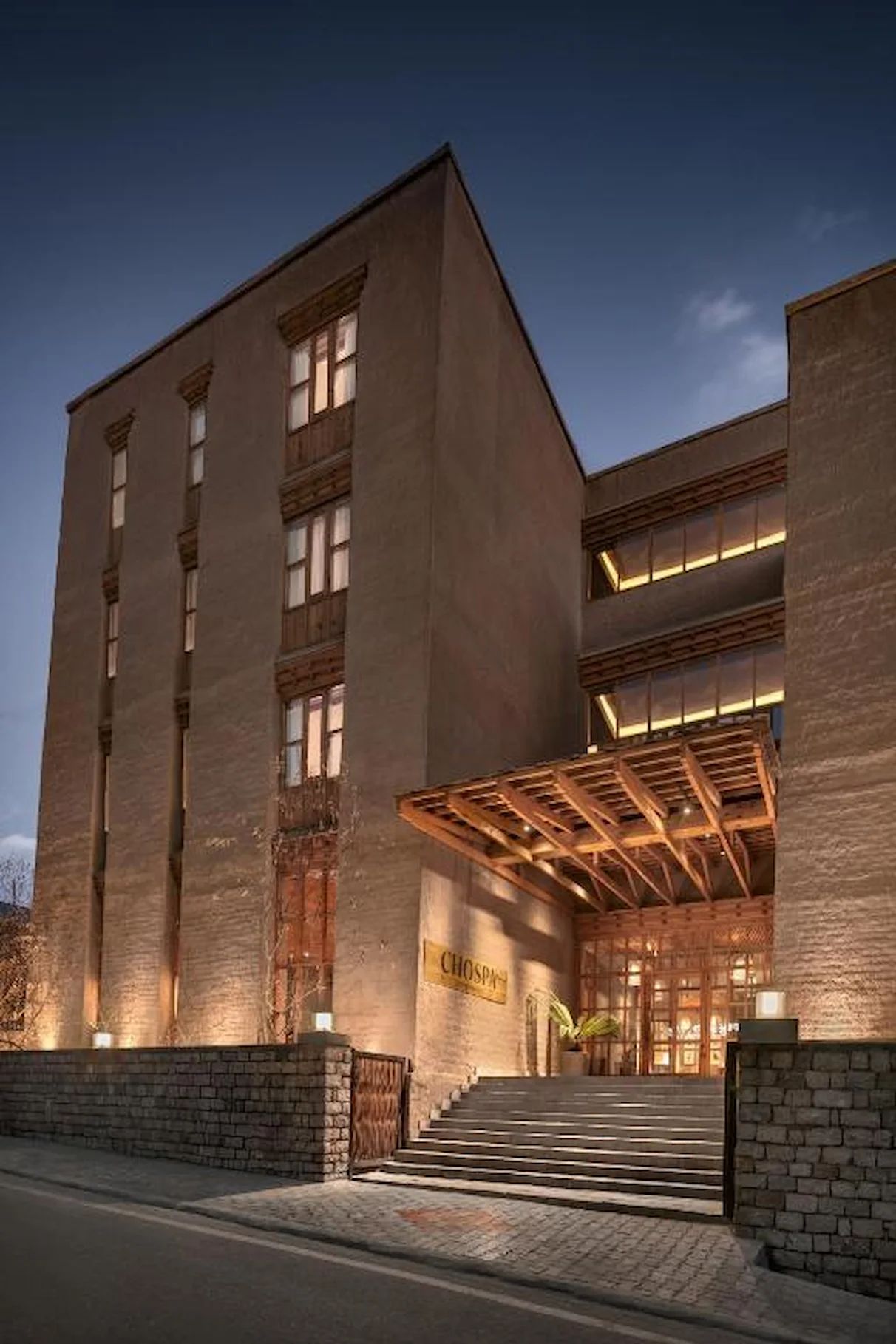
Type: HotelHotel Chospa is a boutique retreat in the heart of Leh, thoughtfully designed to blend contemporary comfort with traditional Ladakhi architecture. With its serene ambience, elegant interiors, and central location, it offers a relaxing and stylish stay close to the city’s main attractions.
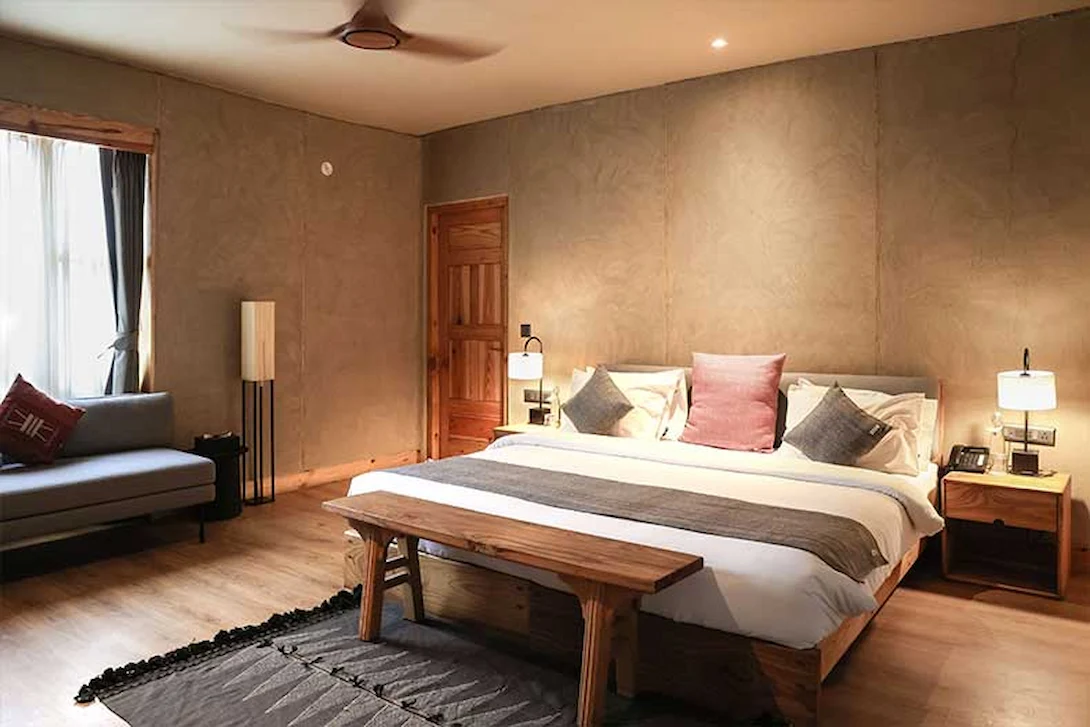
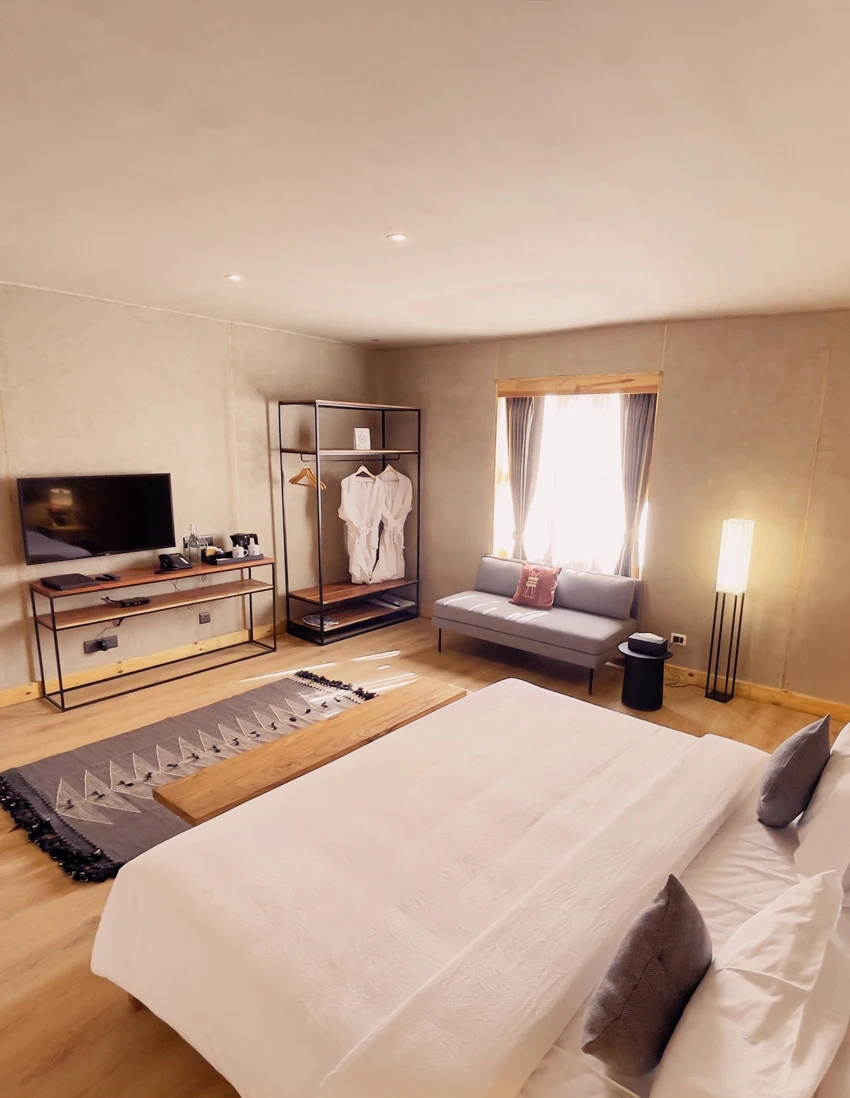
The Abduz
Type: HotelThe Abduz is a stylish boutique hotel in Leh offering elegant interiors, modern amenities, and warm hospitality. Conveniently located near the airport and local market, it provides a comfortable stay with dining, leisure, and wellness facilities.
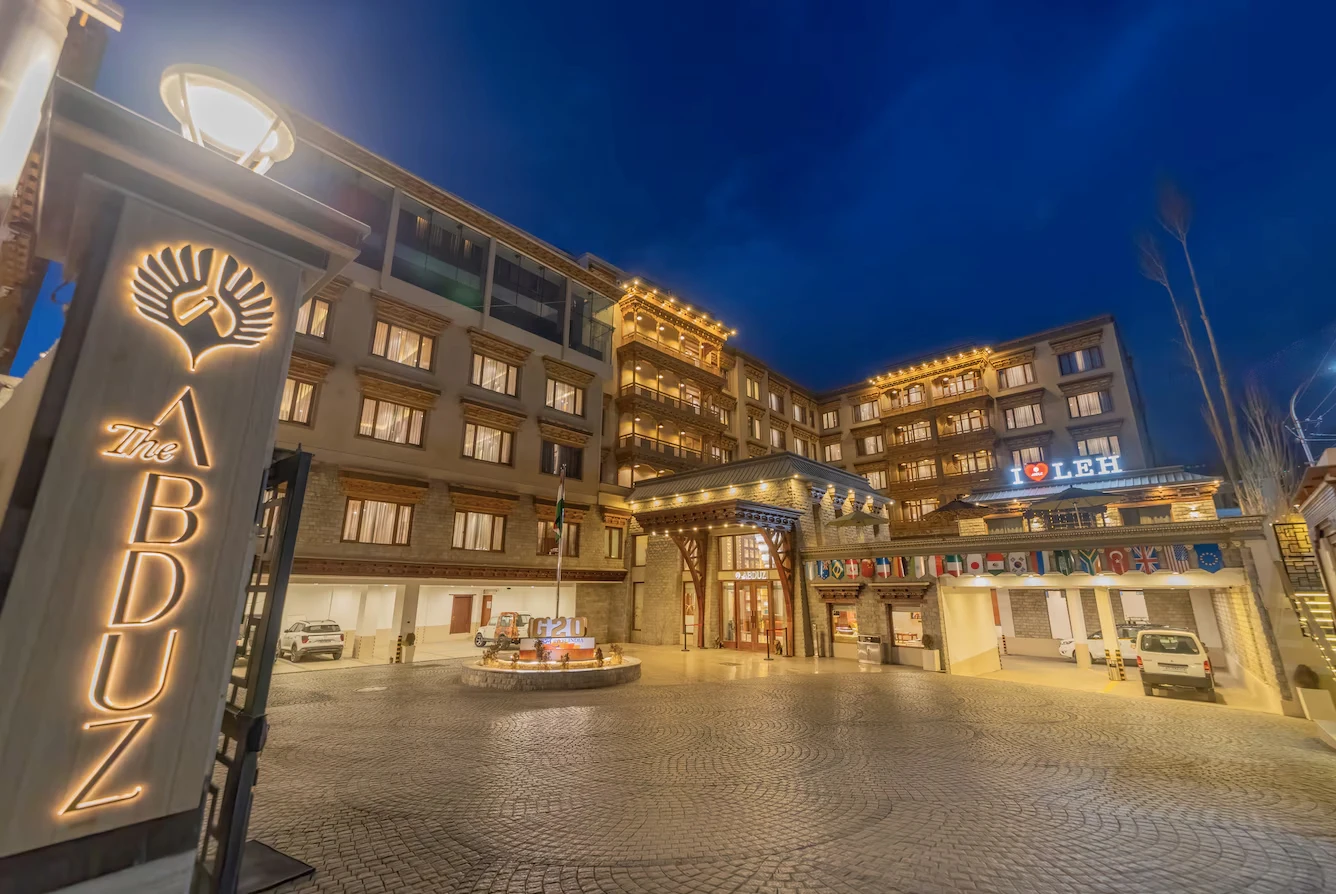
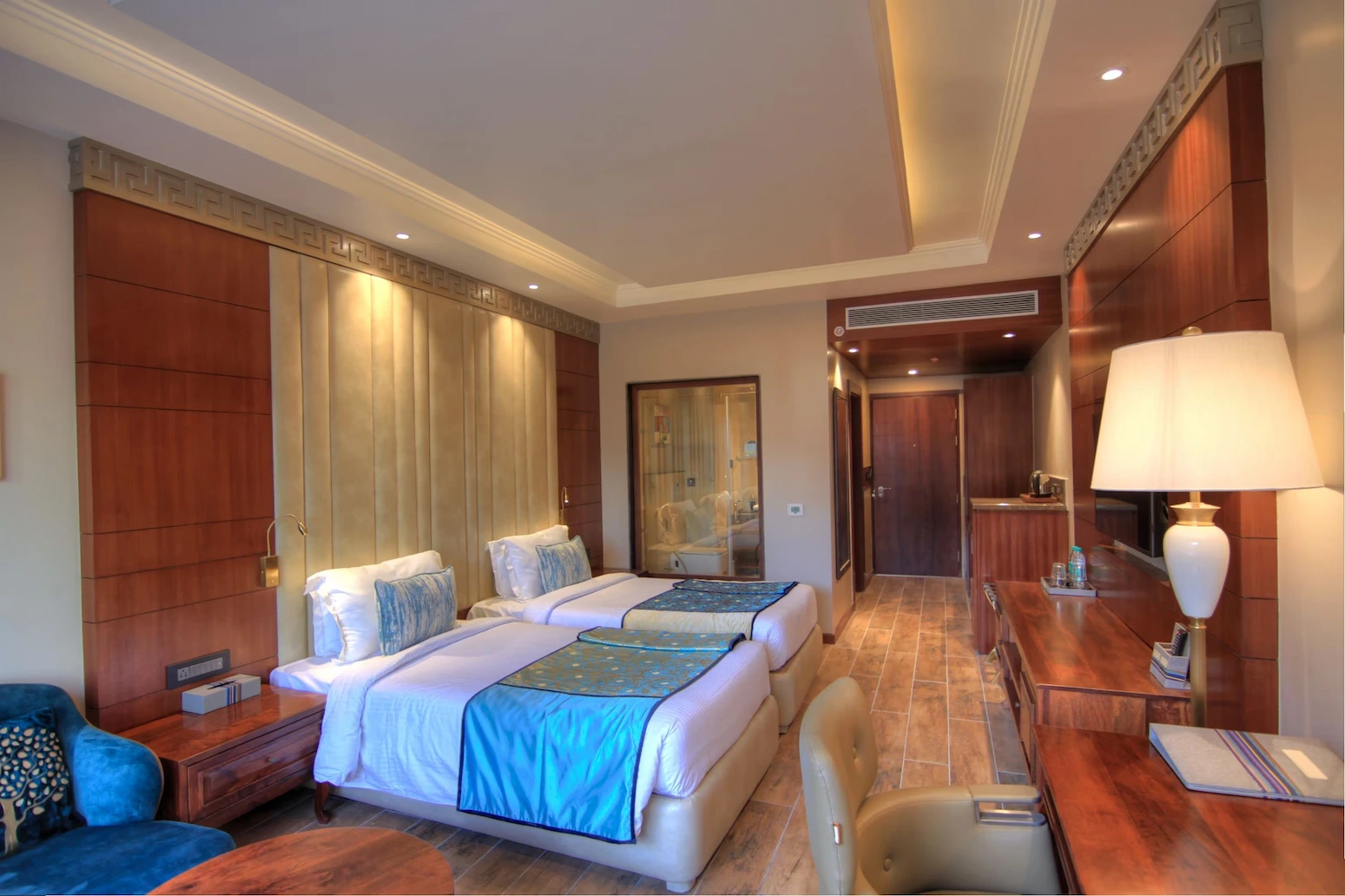
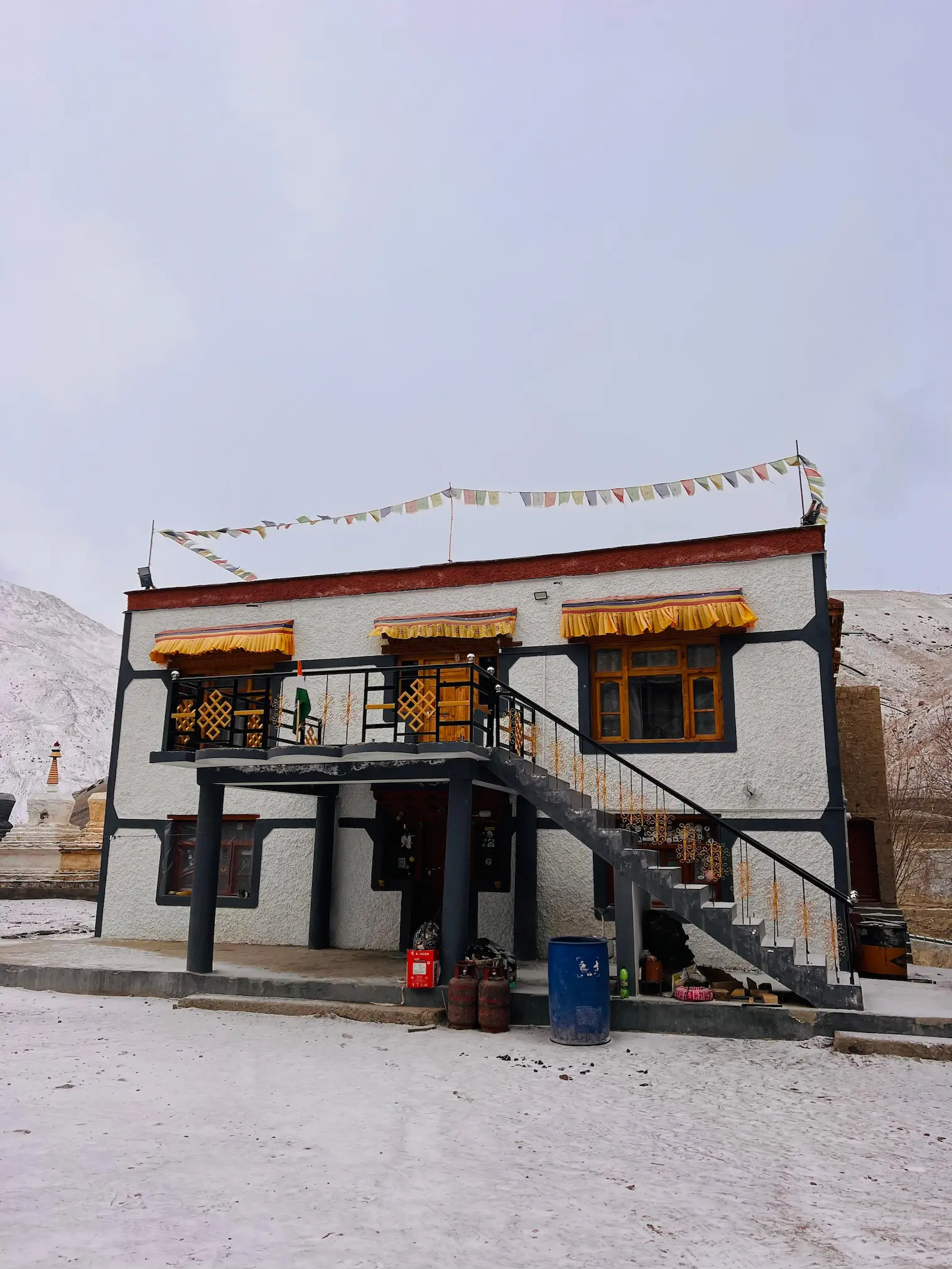
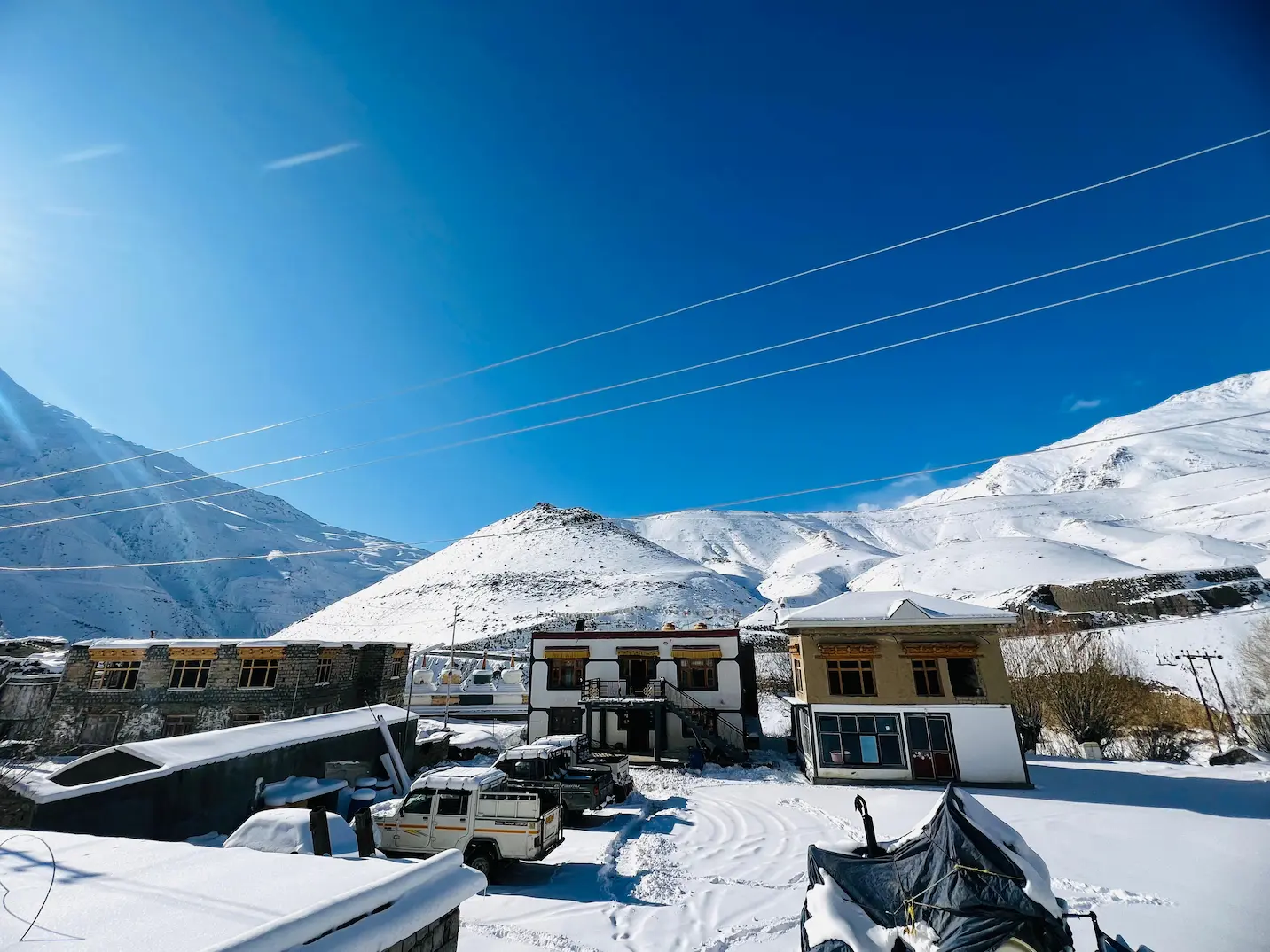
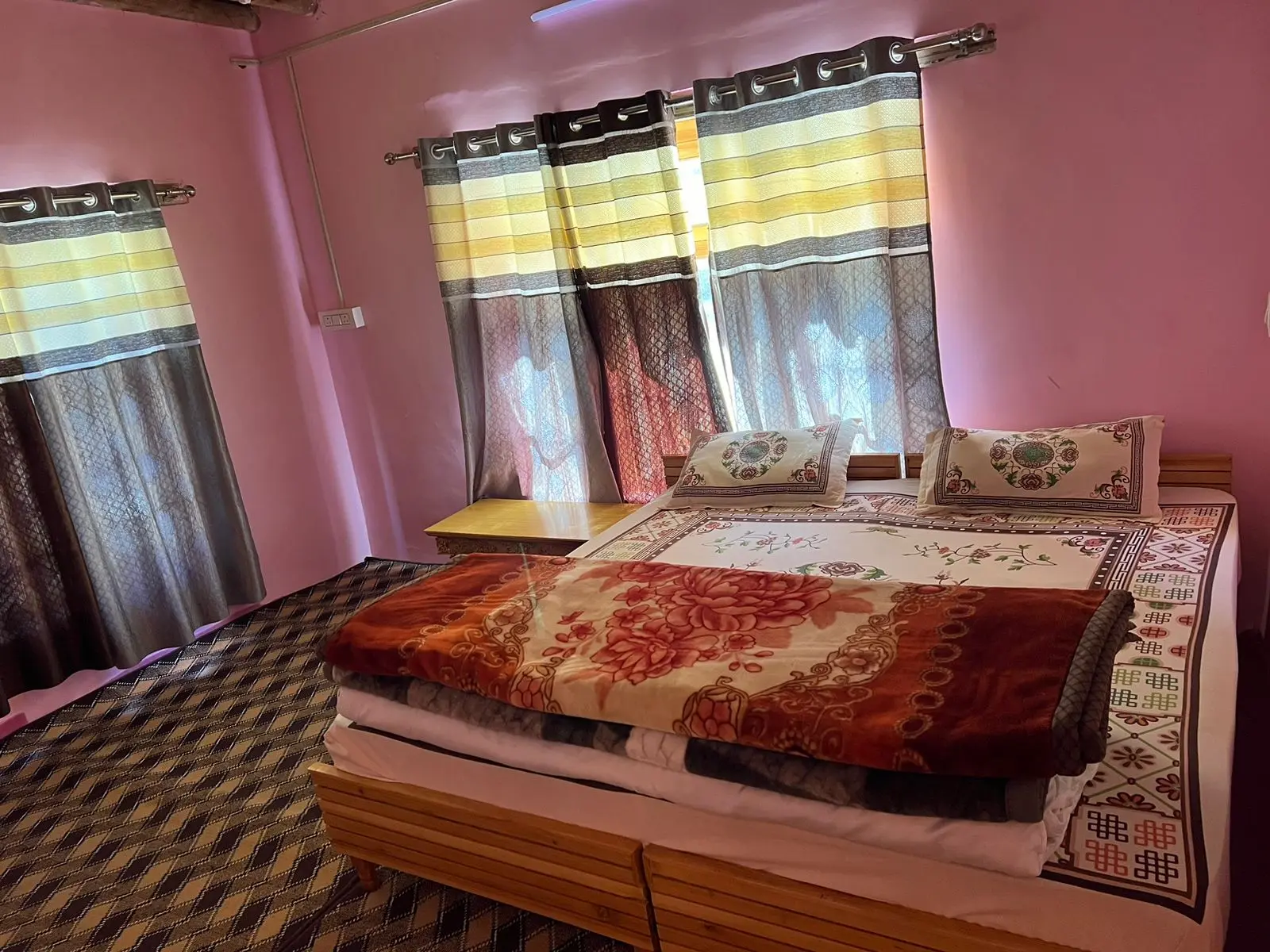
Purne Lodge
Type: LodgePurne is small village with two families and guesthouse run by family. Has attached Bath and toilet and external heating provided for winter.
Dates & Prices
| Start Date | End Date | Double | Single | |
|---|---|---|---|---|
|
01 January 2027
Available
|
12 January 2027 | USD 5,300 Per person | USD 6,800 Per person | |
|
01 February 2027
Available
|
12 February 2027 | USD 5,300 Per person | USD 6,800 Per person | |
|
01 March 2027
Available
|
12 March 2027 | USD 5,300 Per person | USD 6,800 Per person | |
|
20 March 2027
Available
|
31 March 2027 | USD 5,300 Per person | USD 6,800 Per person | |
|
05 April 2027
Available
|
16 April 2027 | USD 5,300 Per person | USD 6,800 Per person | |
|
19 November 2027
Available
|
30 November 2027 | USD 5,300 Per person | USD 6,800 Per person | |
|
09 December 2027
Available
|
20 December 2027 | USD 5,300 Per person | USD 6,800 Per person | |
|
07 January 2028
Available
|
18 January 2028 | USD 5,300 Per person | USD 6,800 Per person |
Note: If you want to customize your trip date please click here
Includes & Excludes
Includes
 Hotel in Delhi with breakfast only.
- Domestic airfare from Delhi/Leh/Delhi by economy class.
- All accommodation in Ladakh with all meals.
- All ground transport by Toyota cars.
- Inner line permits to restricted areas.
- Fees to monasteries and parks.
- 1st aid kit and oxygen cylinders in cars, hotels, lodge and homestay.
- Bottled mineral water while traveling and at hotel /guesthouse or homestay filtered RO water.
- All airport transfers.
- Local guide / Tour escort.
- Wildlife spotters team with Swarovski scope and binoculars.
- Wildlife permits.
Excludes
 International airfare.
- Visa and travel insurance.
- Tips and gratuities for driver / helper.
- Alcohol and beverages.
- Medical expenses beyond 1st aid and oxygen cylinders.
- Any other activities which is not mentioned in the itinerary.
- Camera equipments [If required, you can ask on rent]
Altitude Information
Acclimatisation is essential and life-saving for any journey to Ladakh. Located in the high Himalayas, Ladakh sits at extreme altitudes where oxygen levels are significantly lower than at sea level. Leh, the main entry point for most travellers, is situated at approximately 3,600 meters (11,500 ft), making proper acclimatisation crucial before moving to higher regions.
Without adequate acclimatisation, travellers may experience Acute Mountain Sickness (AMS), with symptoms such as headaches, nausea, dizziness, and fatigue. In severe cases, AMS can develop into life-threatening conditions like High Altitude Pulmonary Edema (HAPE) or High Altitude Cerebral Edema (HACE).
To ensure safety, the Leh District Administration enforces a mandatory 48-hour rest period for all visitors arriving by air. This allows your body to gradually adjust to the altitude and reduces the risk of altitude-related illness. Skipping this crucial phase can significantly impact your overall experience and health during the expedition.
Important Acclimatisation Guidelines :
- Take complete rest on your first day in Leh and avoid any physical exertion.
- Drink at least 3–4 litres of water daily to stay well hydrated.
- Avoid climbing stairs, long walks, or any strenuous activity during the initial days.
- Refrain from smoking and alcohol consumption for at least the first 48 hours.
- Consume light, easily digestible meals and maintain a high-carbohydrate diet.
- Preventive medication such as Diamox (Acetazolamide) may help, but should only be taken after consulting a doctor.
- Immediately inform your guide, hotel staff, or travel companion if you feel unwell or notice any symptoms.
Proper acclimatisation ensures a safe, comfortable, and enjoyable experience in Ladakh, allowing you to fully focus on the wildlife, landscapes, and unique cultural encounters this expedition has to offer.
Things To Carry
 Thick down Jacket with hood.
- Warm, windproof fleece upper and lower.
- Pair of snow/ski or insulated cold-weather hiking pants.
- Comfortable warm pants.
- Long-sleeved shirts.
- Warm gloves with inner liners.
- Warm hat which covers ears.
- Fleece neck gaiter.
- Few pairs of Wooden Socks.
- Hiking boots.
- Sport shoe for camp.
- Underwear.
- Warm sleep wear.
- Cash for discretionary gratuities.
- Binoculars.
- Water resistant day bag.
- Headlamp or small flashlight.
- Spare batteries.
- Sun glasses.
- Hand and foot warmers.
- Earplugs.
- Toiletries.
- Sunscreen and lip balm (at least SPF 50)
Extensions
Enhance your expedition with one of these add-on experiences.

 Share Tour
Pallas’s Cat Extension
 5 Days / 4 Nights
Add an extra adventure to your snow leopard trip by heading to the remote plains of Hanle. Here, you’ll search for the famous Pallas’s cat, ...

Share Tour
Himalayan Brown Bear Extension
6 Days / 5 Nights
Welcome to the home of the Dzu-Teh | Drenmo. Often called the sumo wrestlers of the mountain. The Himalayan brown bear is the biological rea...

Share Tour
Kanha & Bandhavgarh Tiger Safari - Extension
7 Days / 6 Nights
Kanha and Bandhavgarh Tiger Safari is one of the finest wildlife journeys in Central India, specially designed for nature lovers, wildlife p...
Frequently Asked Questions
Telephoto lens: 500mm or 600mm with 1.4 tele converter is ideal but good to have 800mm. Using a teleconverter can increase the focal length further, allowing you to photograph from a safe distance.
Backup camera: Carrying a second camera ensures you’re covered in case of equipment failure.
Tripod: Essential for stability, especially with long lenses or in low light.
Maintenance gear: Keep lenses, sensors, and contacts clean to avoid fog or smudges sharp images are crucial when a snow leopard appears.
Elite Expedition solves this problem by providing premium camera bodies, telephoto lenses, and heavy-duty tripods directly at the destination. We ensure you have the best equipment at the most competitive rates—saving you from the hassle of transit and the expense of unused rental days. All rentals include basic protection against environmental dust and accidental damage. Please visit our rental page here.
👉 [Check Camera Rental Options]
Why With
Elite Expedition India
Choosing Elite Expedition India means joining India's premier snow leopard photography expeditions with a proven 100% success rate. We take you deep into the remote high-altitude habitats of Hemis National Park, Spiti Valley, and beyond with elite local trackers, master naturalist-photographers, and professional Swarovski optics. Capture rare, intimate moments of the elusive Ghost of the Himalayas responsibly while contributing directly to conservation.
Travel with purpose into some of the world’s last wild places, where nature remains raw and untamed. Every expedition is thoughtfully designed to respect wildlife, support local communities, and contribute to conservation—ensuring your journey leaves a positive footprint long after the adventure ends.