
- Home
- About Us

- Expeditions
- Filming Logistics
- Customize Your Tour
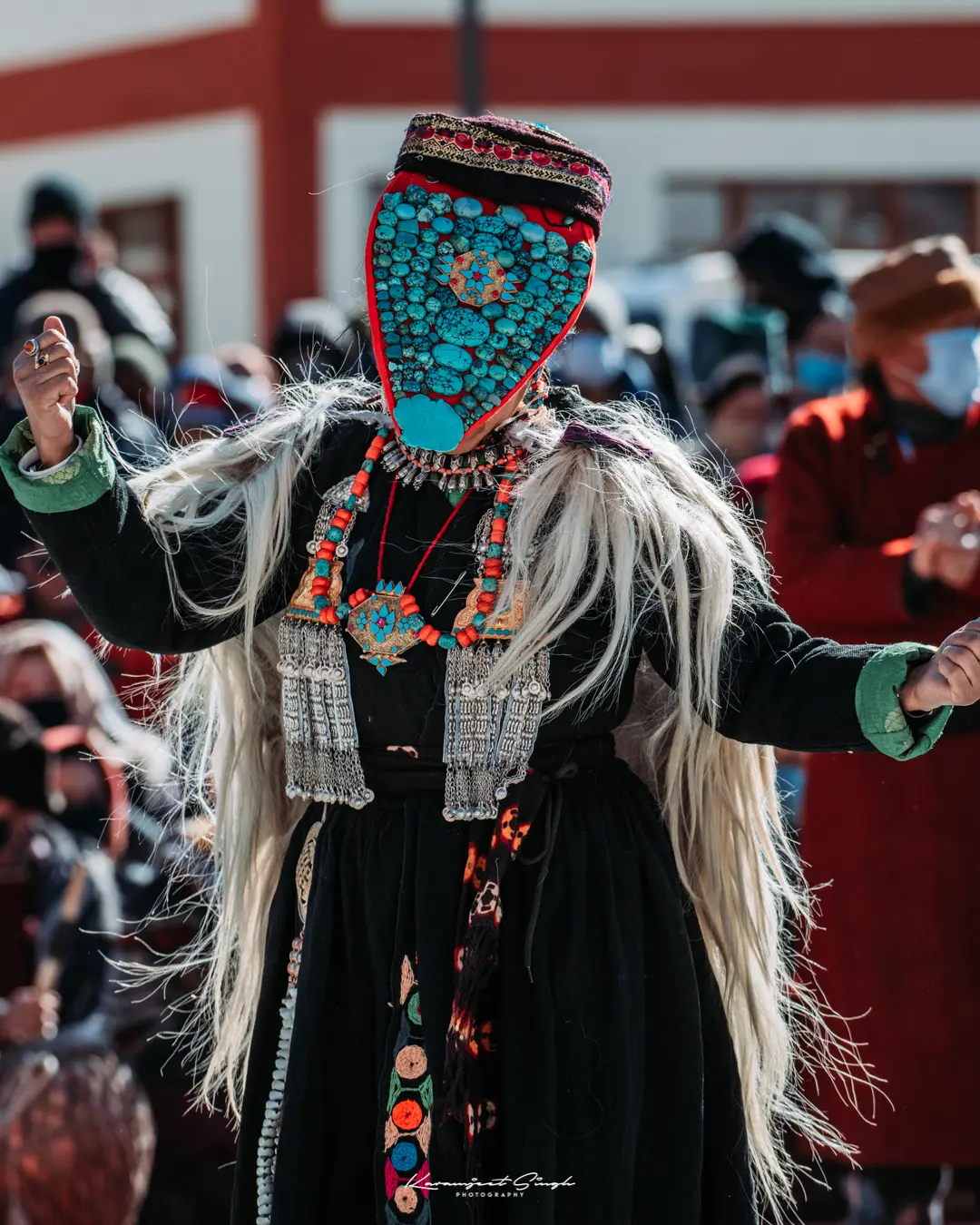
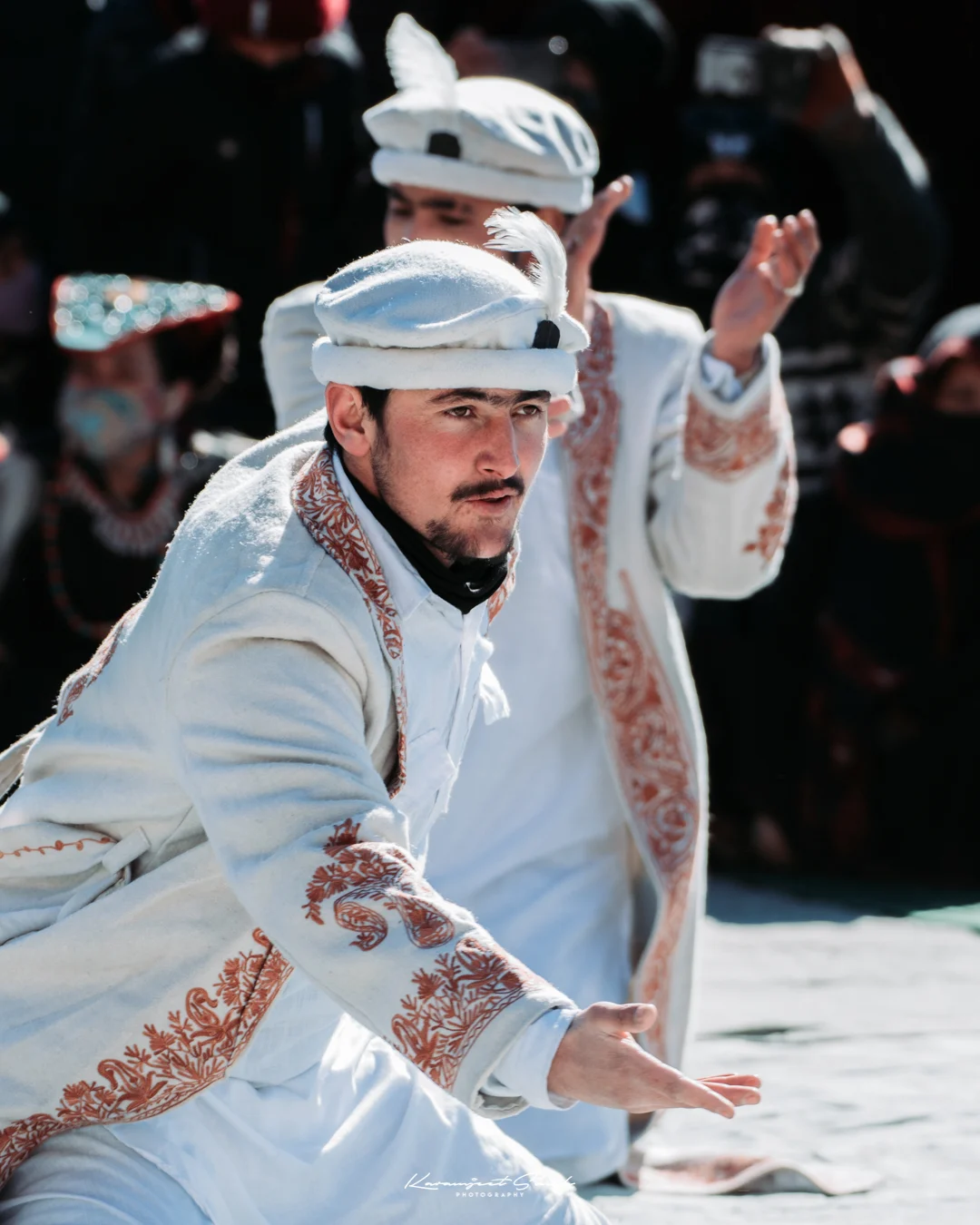
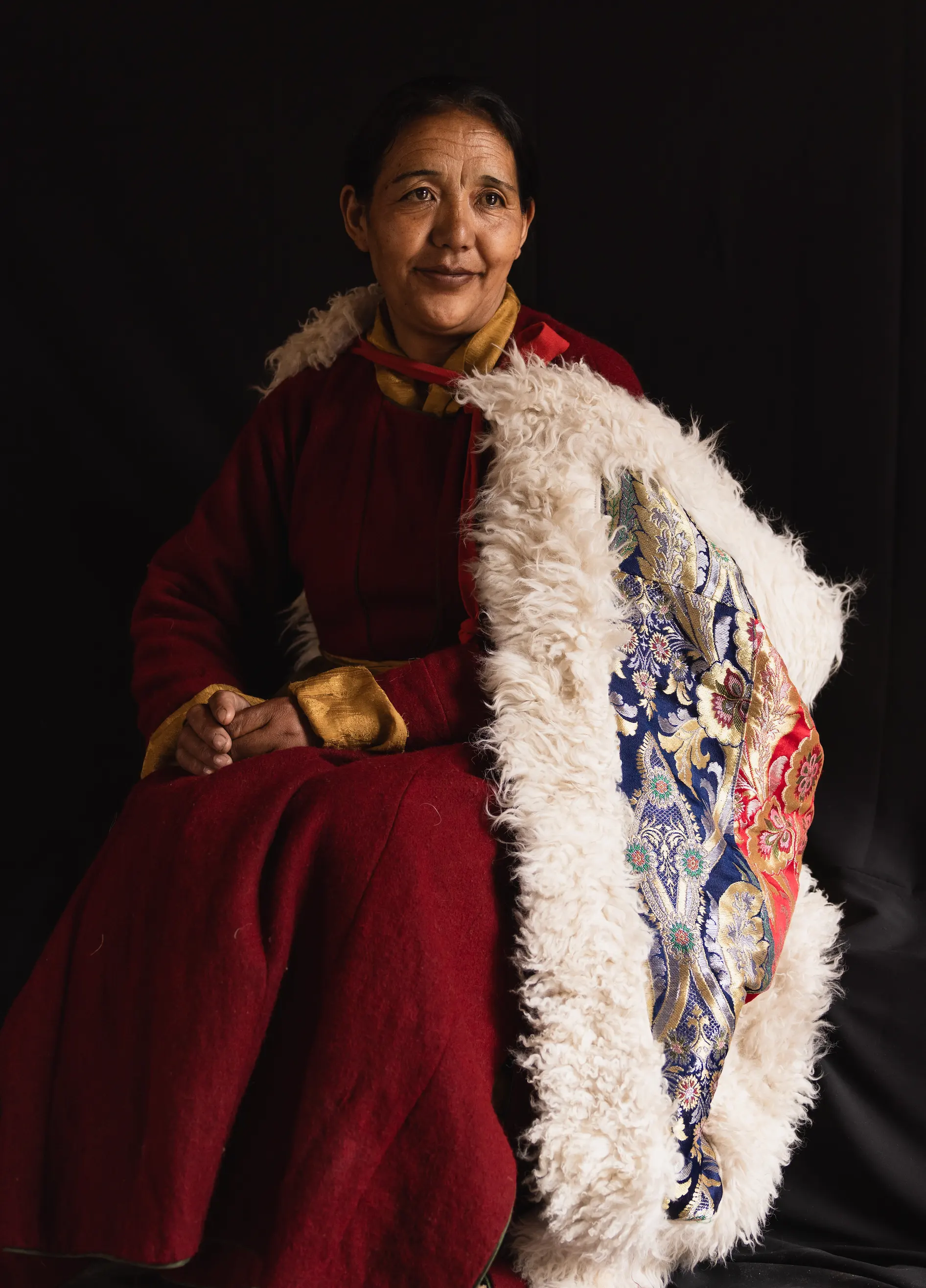
Embark on a photographic odyssey to Ladakh, the "Land of High Passes," where the stark, high-altitude desert meets a rich tapestry of ancient cultures. This tour is designed for photographers who want to move beyond the frame, capturing the soul of the Himalayas through intimate portraits of its resilient people, environmental storytelling in remote villages, and wide-angle vistas of its surreal landscapes.
Portrait & Cultural Highlights
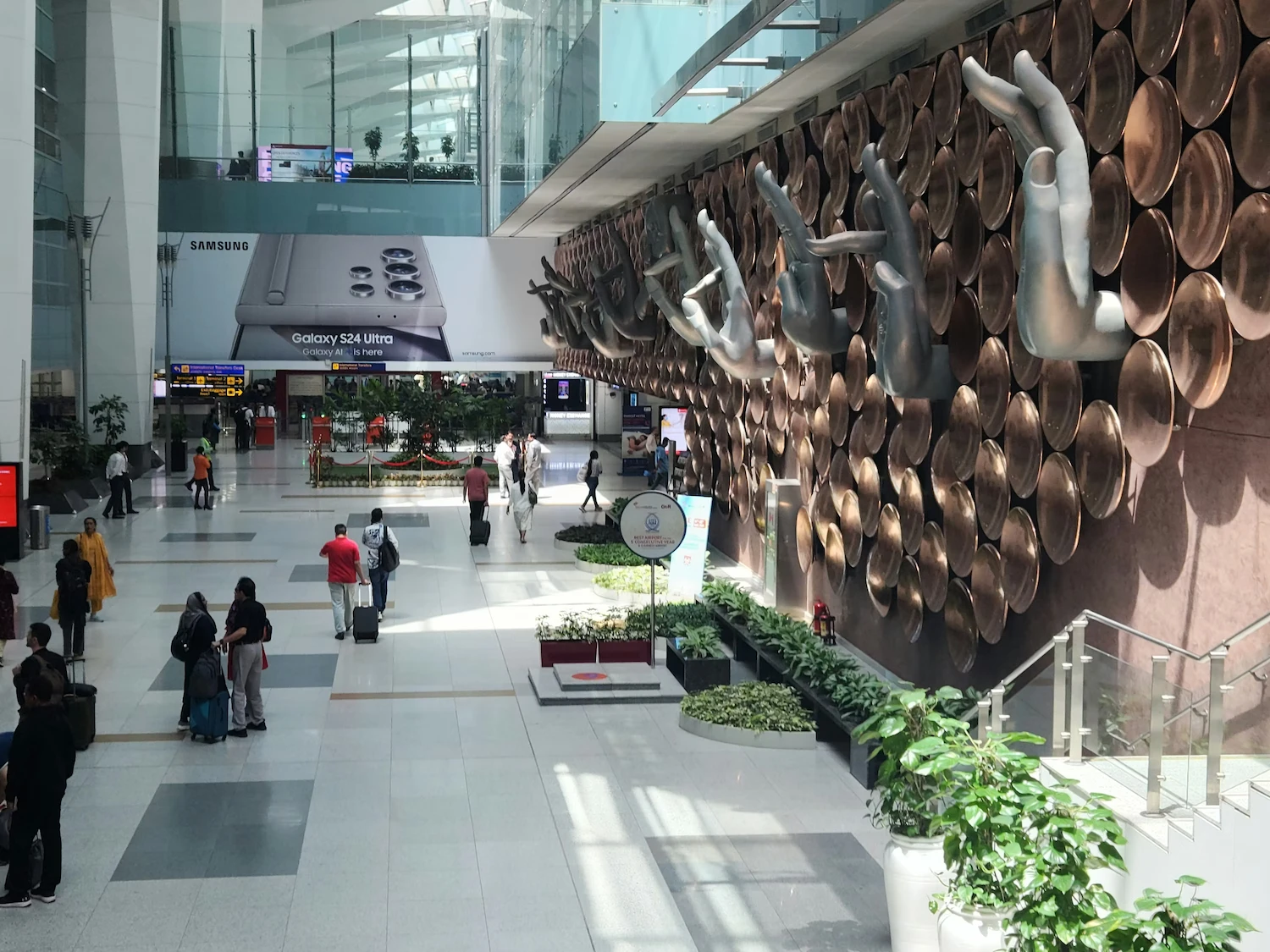
Welcome to India. On arrival at Indra Ghandi International airport, our airport representative will receive you and take you to airport. Drive will take about 10 minutes. Checkin into hotel with breakfast.
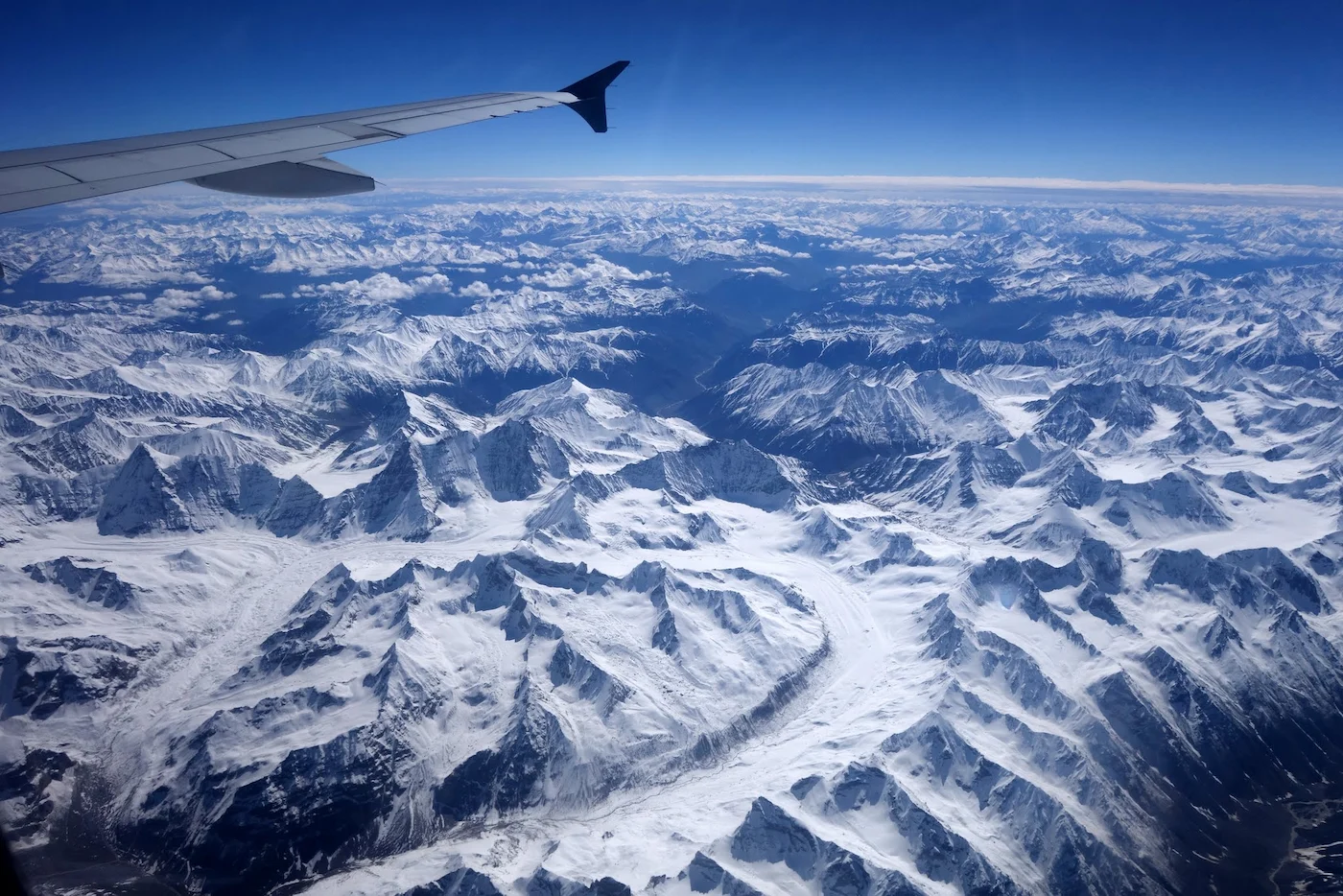
All flights to Leh departs early morning. Board flight to Leh. An hr flight to Leh the - capital town of Ladakh. View from flight is amazing, witnessing thousands of high peaks, glaciers and valleys. I will pick you from Leh airport. Drive will be not more then 10 minutes. Day complete rest for acclimatisation. Overnight in hotel with all meals.
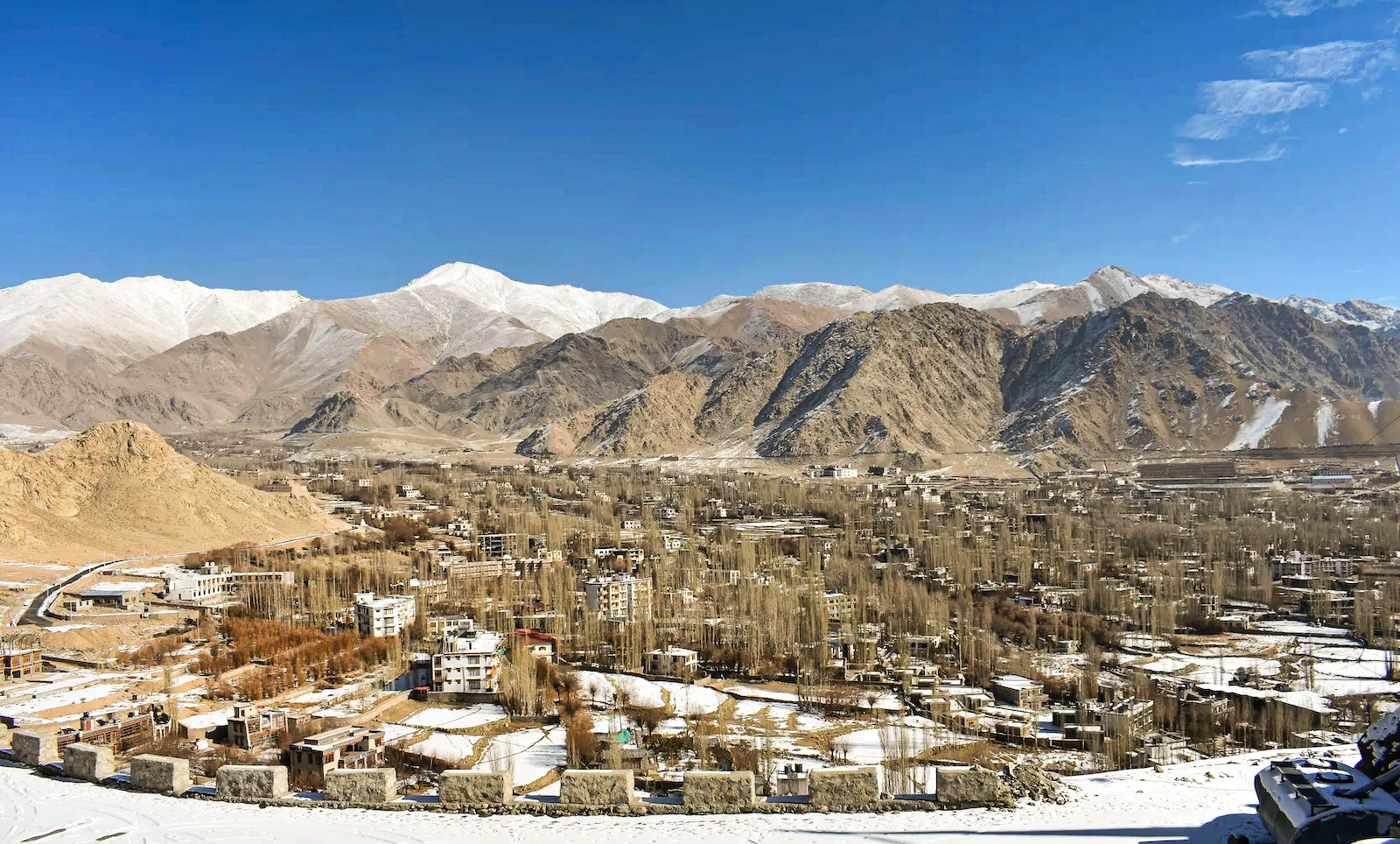
Since its your second day in Leh and you still under acclimatisation process, we will do light photography sessions in and around Leh. Overnight in hotel with all meals.
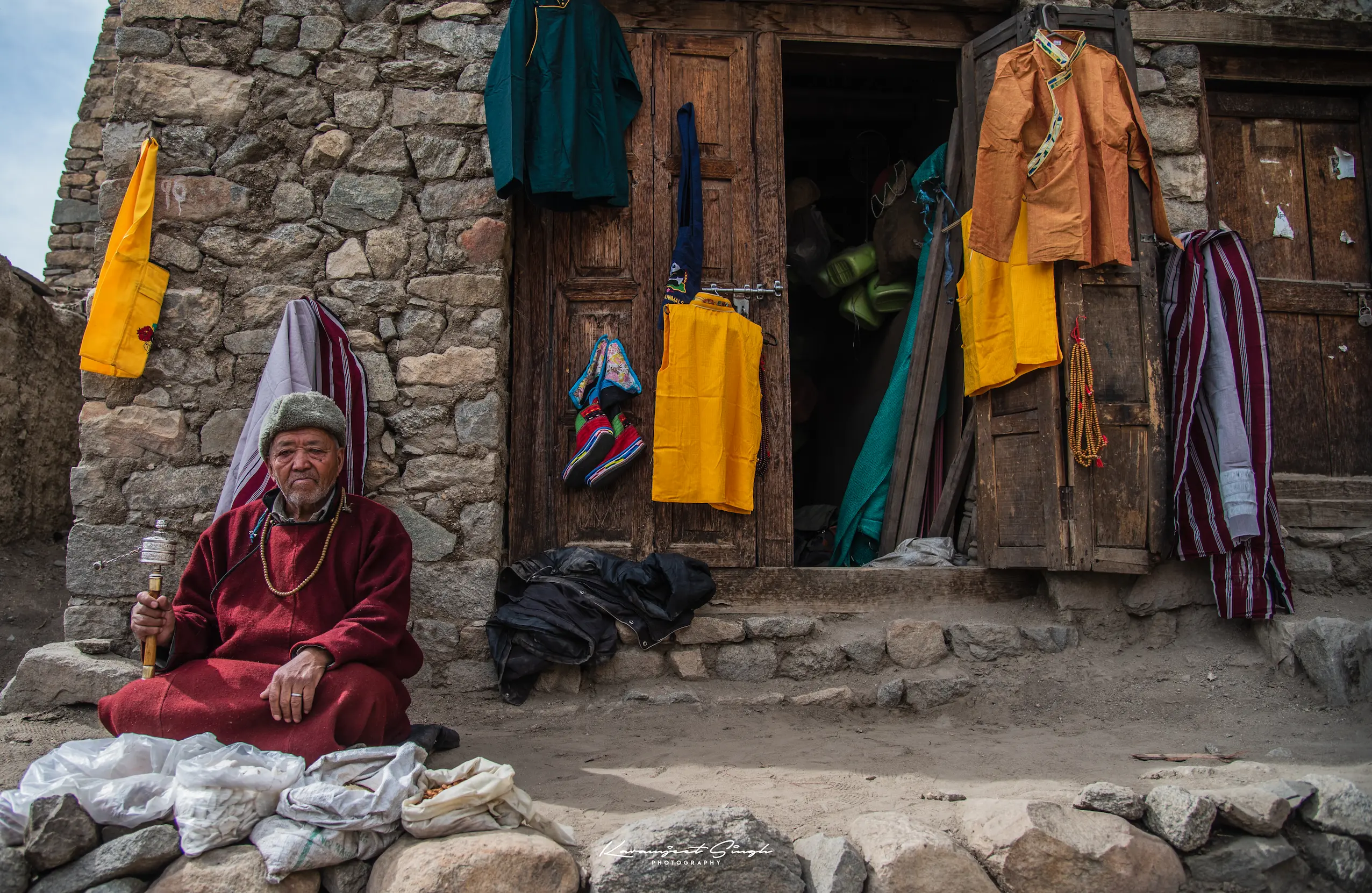
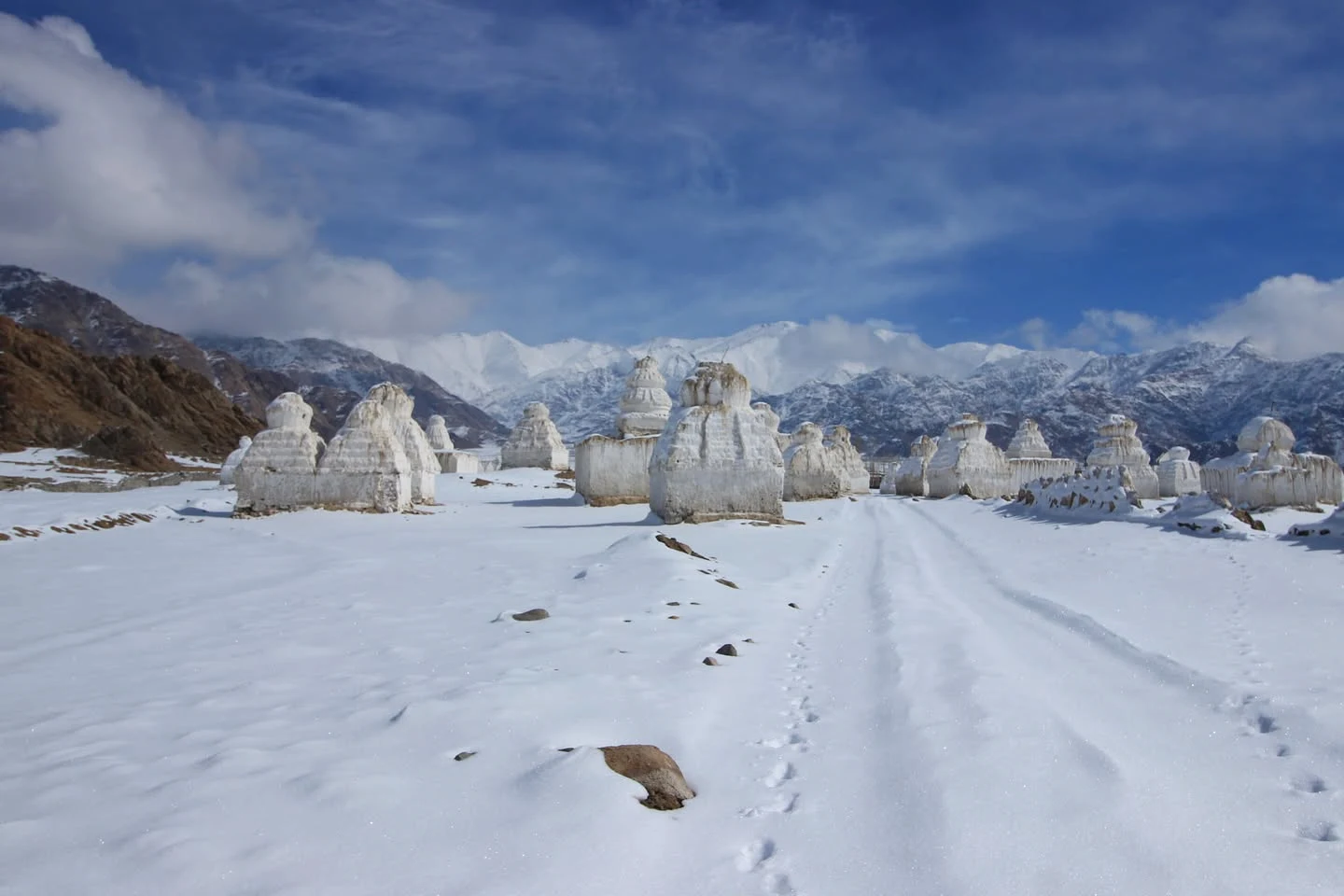
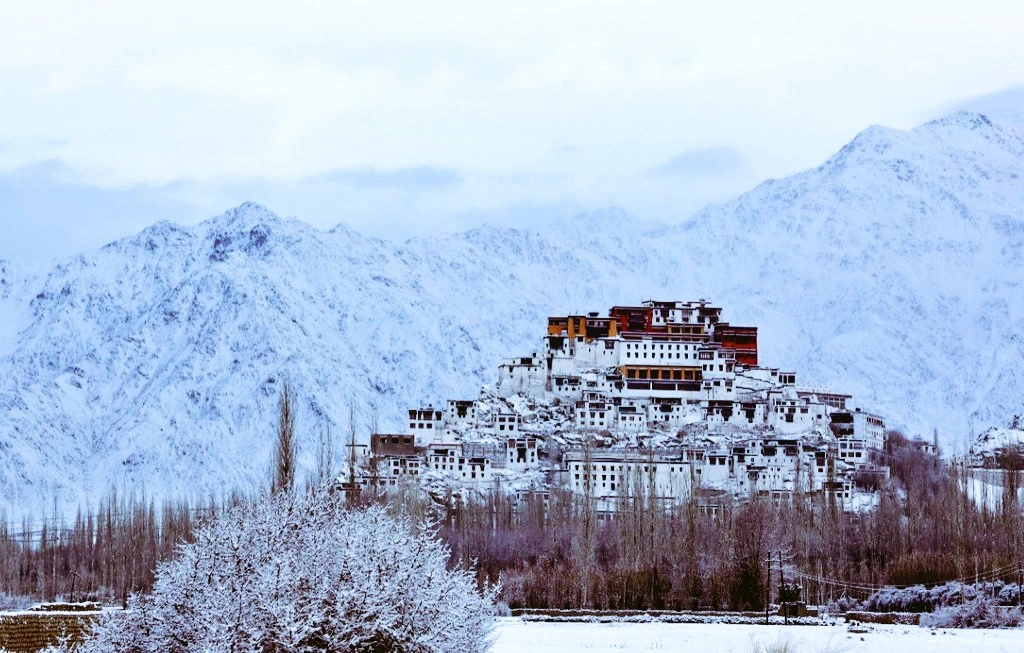
After an early breakfast at the hotel, drive to Zanskar via the Nimmu-Chilling road. This route passes through one of Ladakh’s most beautiful and scenic narrow valleys, following the Zanskar River throughout the day. This mountain gorge is famous as the winter route for the people of Zanskar; when the river freezes, they walk across the ice for several days to reach their destination. Reach Karsha and overnight in guesthouse with all meals.
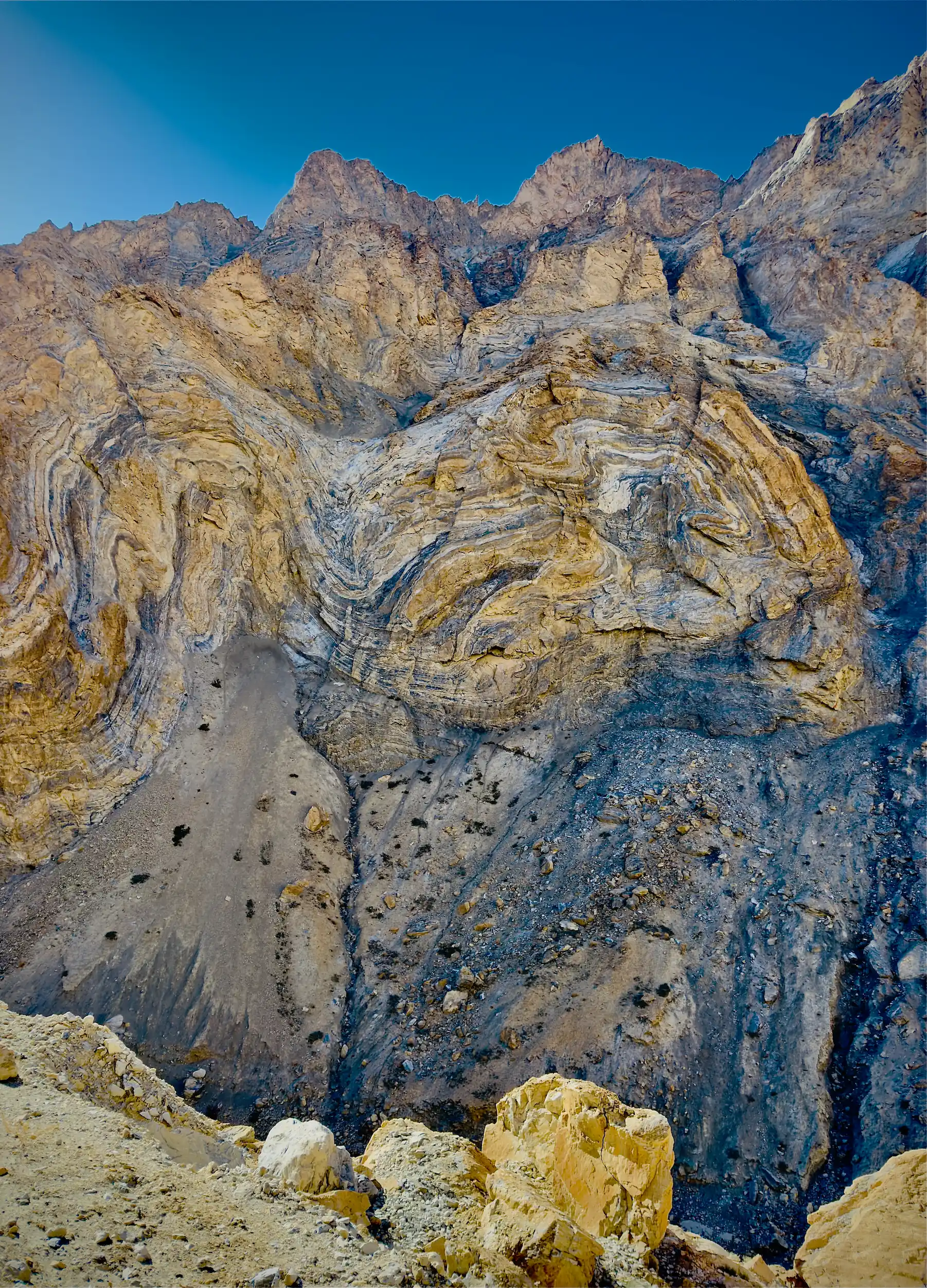
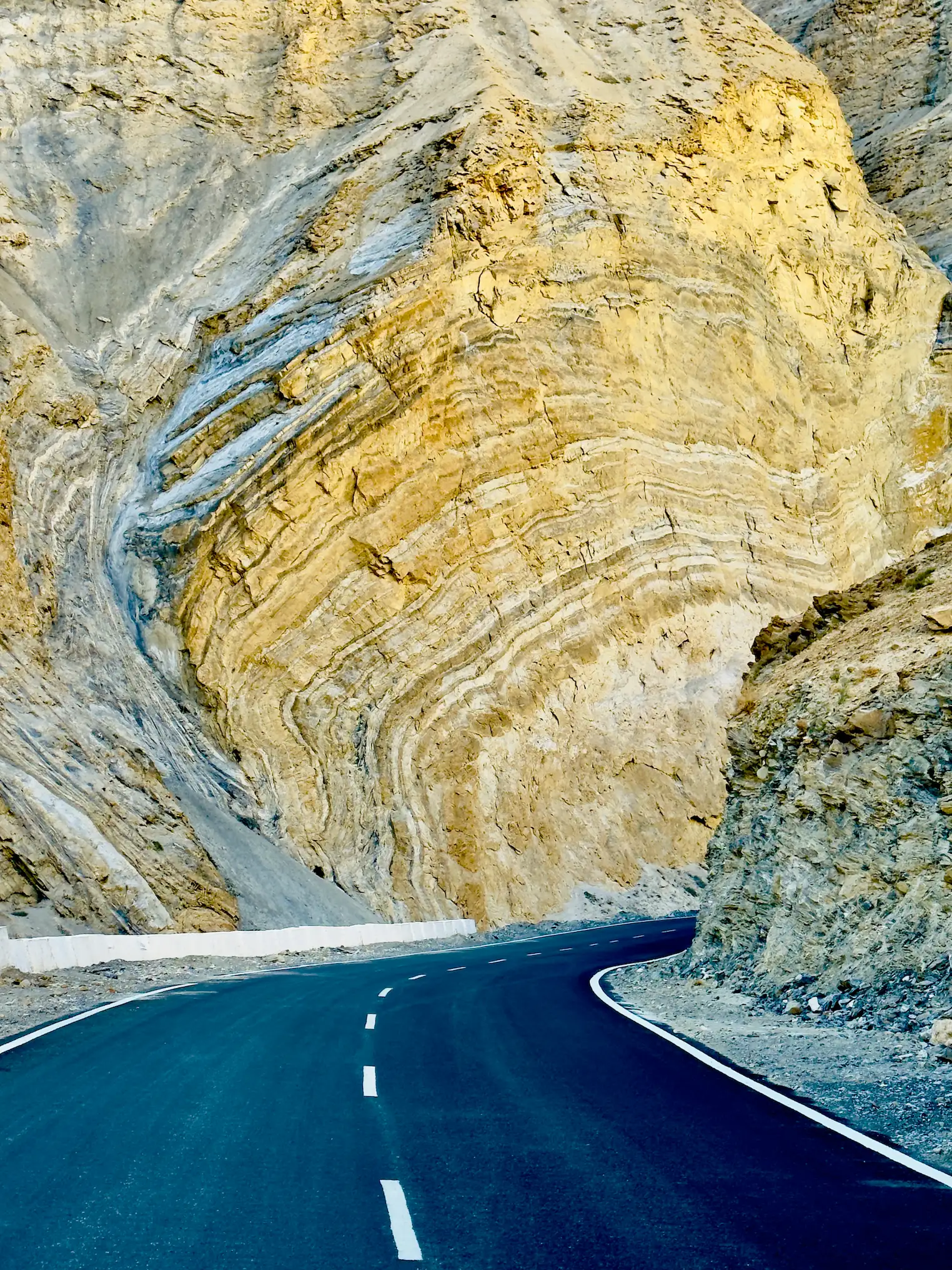
Early morning visit Nunnery situated on the cliffside of the Karsha monastery. Nuns are very friendly, hence we can chat and photograph them. Back to guesthouse for breakfast, later after breakfast visit Karsha monastery and village. We will spend good time in Karsh village meeting villagers and experience local homes. This is one of the best place for photography. Overnight in guesthouse.
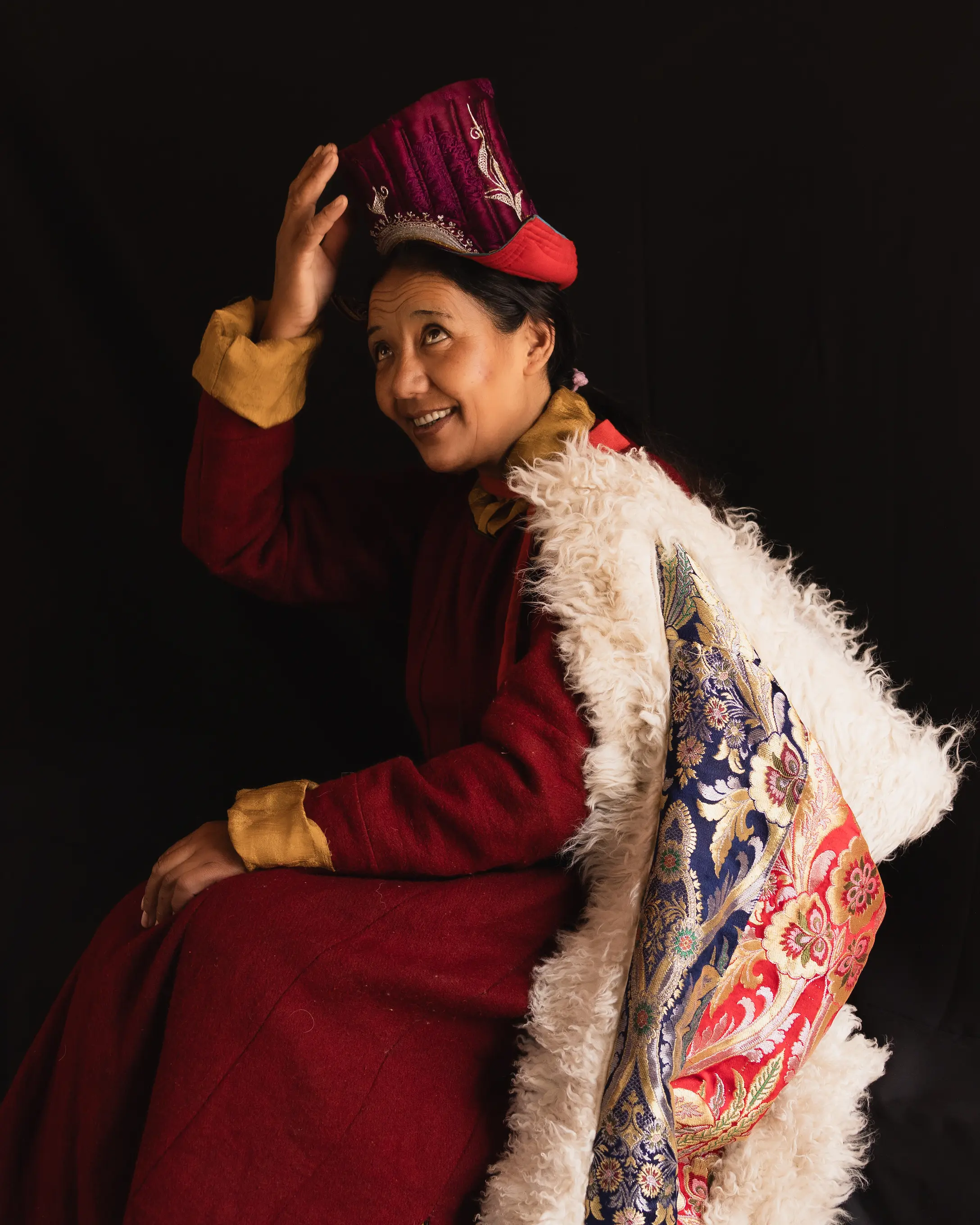
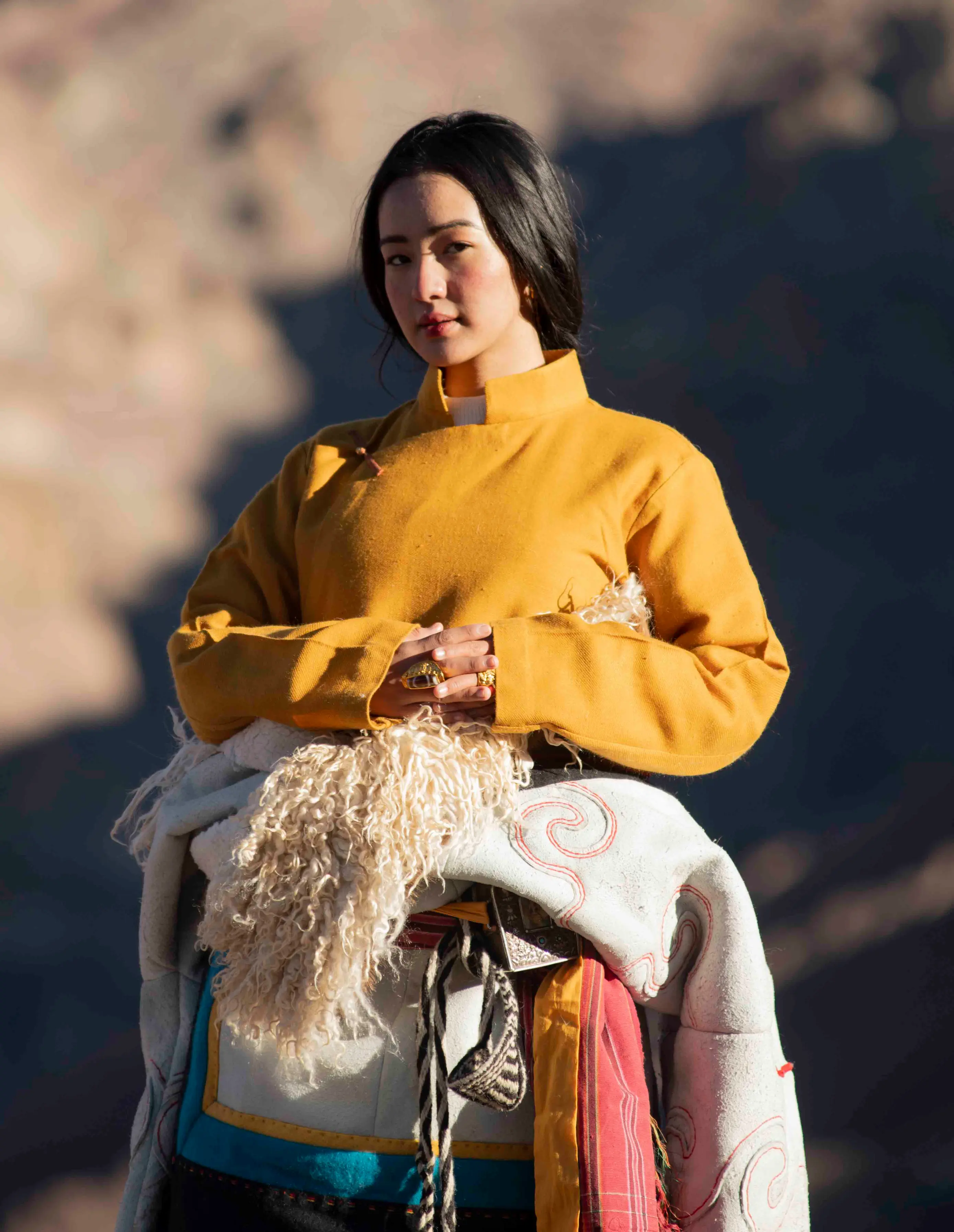
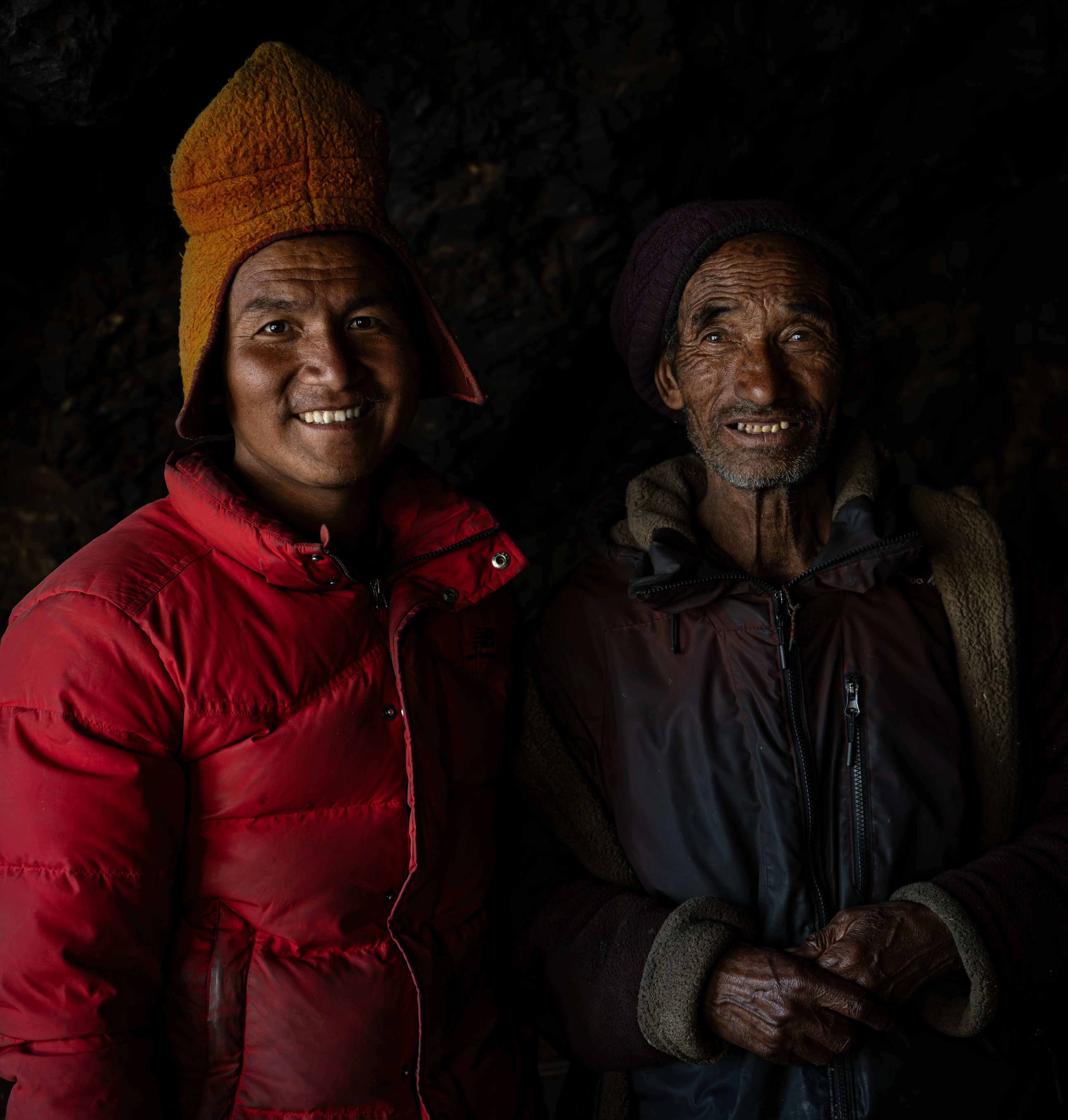
Today after breakfast we will do Karsha and surrounding small villages including Zangla - former capital of Zanskar. It is home to the descendants of the royal family, who still reside in the village, with the current head of the family still being referred to as the King of Zangla they are known to occasionally welcome visitors for butter tea. We will Aim for early morning at the nunnery to capture nuns during their morning prayers or daily chores. Mid-morning is ideal for candid street portraits in the village when elderly residents are out with their prayer wheels. Overnight in guesthouse with all meals.
Later drive back towards Karsha. On the way back we will visit Stongdey monastery on the hilltop. Overnight in guesthouse at Karsha.
Today drive is only 3hrs but we will be visiting villages on the way so it will take whole day for us to reach Purne. Overnight in Camp or guesthouse with all meals.
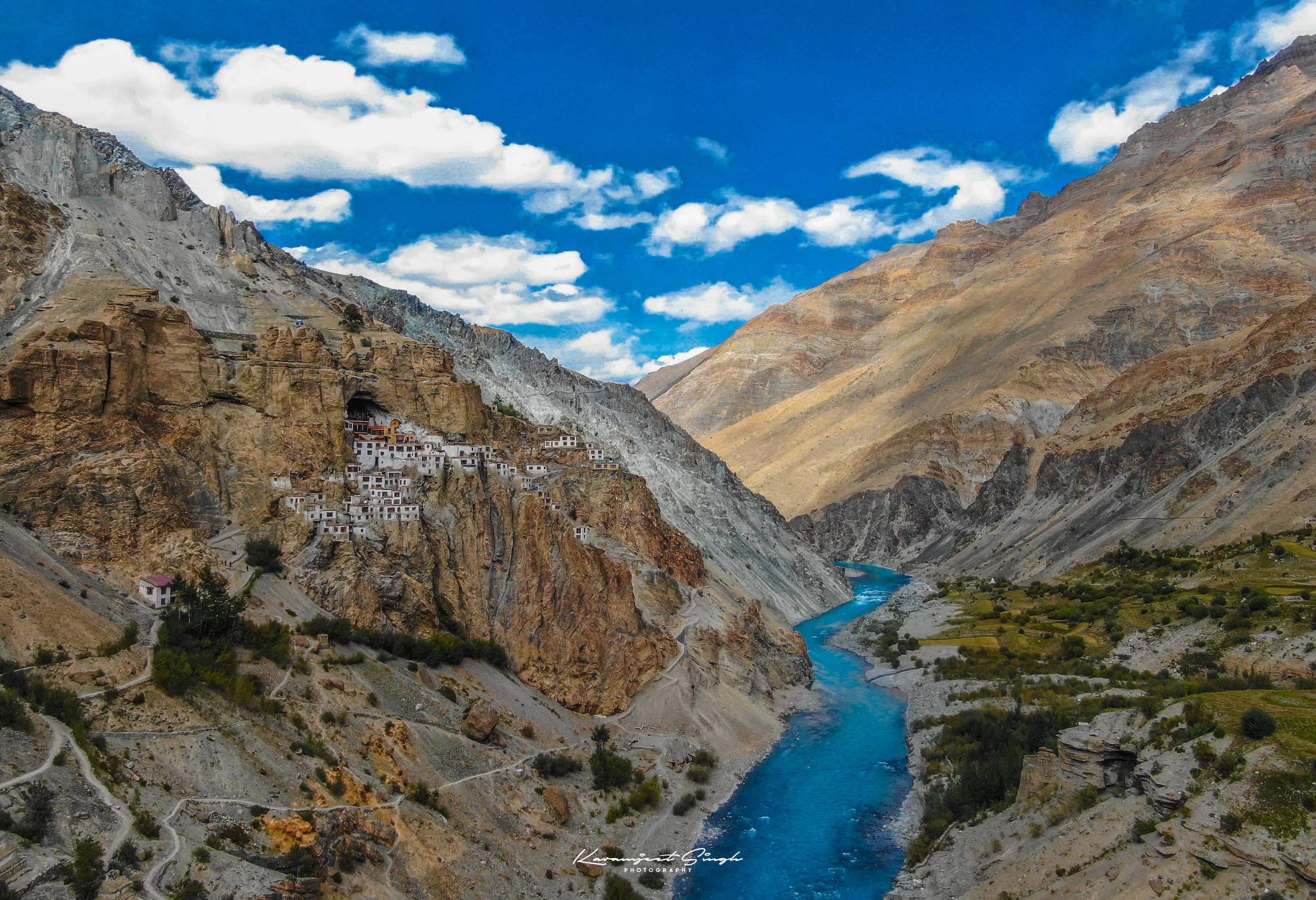
The Southern Zanskar road has recently opened, providing a direct link to Lahul Valley in Himachal Pradesh via the Shinku La pass. This route traverses the remote Lungnak Valley, home to isolated villages such as Bardan, Raru, Cha, Purne, Kargyak, and Tesla. The valley is also famous for its ancient spiritual sites, including the fortress-like Barden Monastery and the iconic Phuktal Monastery, which is uniquely built into a cliffside cave. We will visit these remote settlements to meet the local people, experience their traditional way of life, and capture the stunning landscape and people through photography.
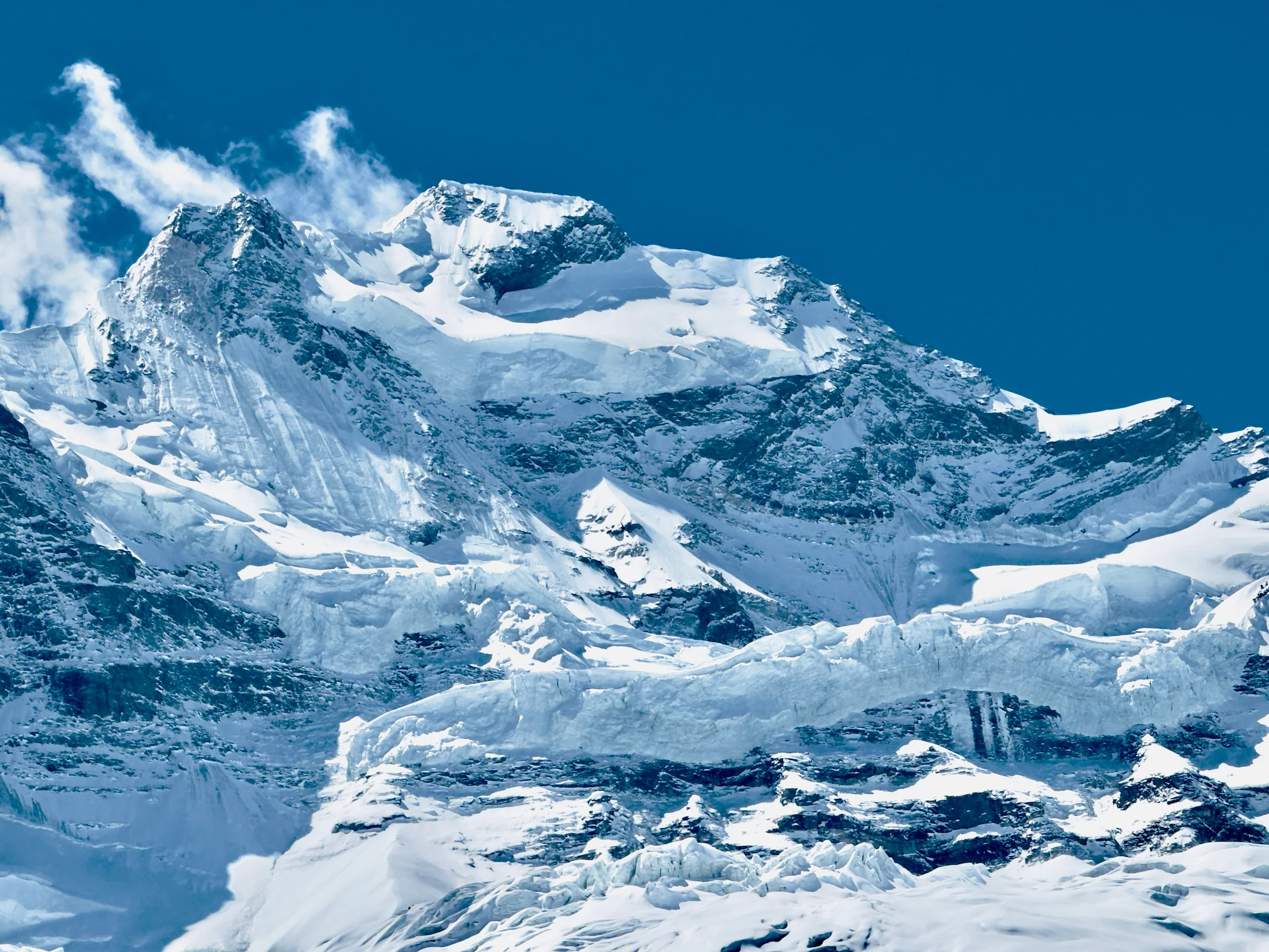
The drive from Zanskar to Rangdum takes us towards northwest of Kargil through a stunning valley dotted with remote riverside villages. The route features the crossing of the Pensi La pass, offering spectacular views of the snow-covered mountains and the extensive Drang Drung Glacier. We will have our picnic lunch on the small lakeside nest to Drang Drung glacier. The journey concludes with an evening arrival and overnight stay in a guesthouse in the high-altitude hamlet of Rangdum.
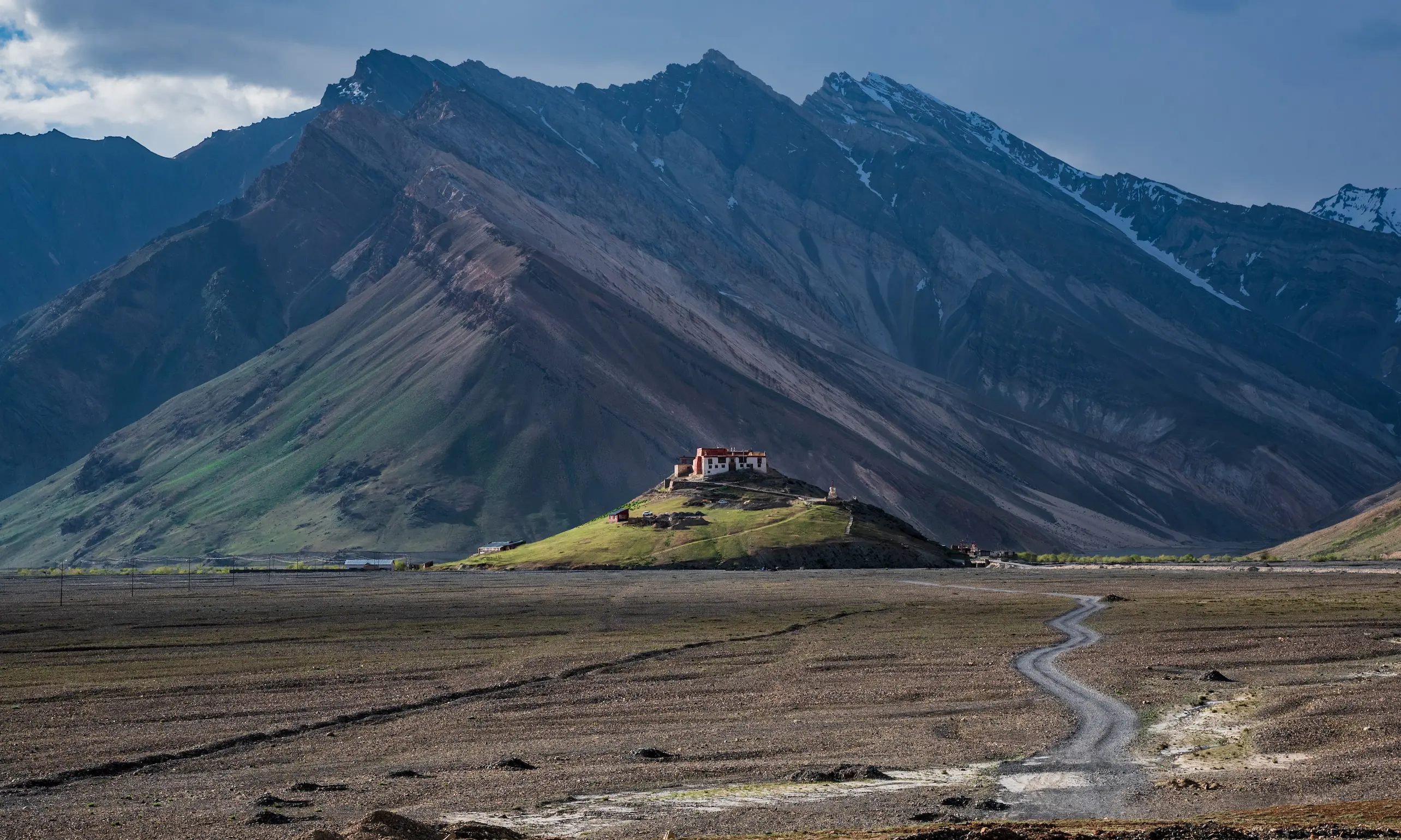
Morning visit Rangdum monastery and village. After breakfast drive to Drass via Kargil. Leaving the serene heights of Rangdum- the journey toward Drass via the Suru valley is a visually dramatic transition from the stark, high-altitude desert to the "Green Jewel" of Ladakh. The approximately 130 km drive to Kargil follows the winding Suru River on NH 301, beautiful road that showcases the massive Parkachik Glacier as it spills down the slopes of the Nun-Kun massif. As you descend into the lower Suru Valley, the landscape transforms into a fertile basin of lush barley fields and apricot orchards, particularly around the village of Panikhar, which offers the most iconic, unobstructed views of the twin 7,000-meter peaks, Mt. Nun and Mt. Kun. Continuing north, photographers should stop at Kartse Khar to capture the colossal 7th-century Maitreya Buddha rock carving before reaching Sankoo, the valley's "green bowl". Upon reaching the historic crossroads of Kargil. Will have lunch in Kargil before the final 60 km leg to Dras shifts onto the Srinagar-Leh highway. Overnight in Hotel in Drass with all meals.
Bakarwals:- Along the (Minamarg) roadside near the Zojila Pass, we will encounter the Bakarwals, a resilient nomadic Muslim tribe of pastoralists who embody the ancient rhythm of transhumance. Each summer, they migrate hundreds of kilometres from the lowland plains of Jammu to the high-altitude alpine meadows of Drass and Ladakh to graze their massive herds of sheep and goats. For portrait photographers, the Bakarwal "kafilas" (caravans) offer striking subjects: men in traditional shalwar kameez and turban headgear (pagheri), and women adorned in vibrant, long gowns called jubos and ornate silver jewellery such as gani necklaces and bali earrings. You will often see them along the highway moving with their entire households—including young children and newborn lambs—strapped to the backs of hardy horses and mules, accompanied by their fierce Bakarwal guard dogs. Their temporary roadside camps of mud-and-stone "dhoks" or simple tarpaulin tents provide an intimate glimpse into a lifestyle that remains deeply intertwined with the harsh Himalayan environment, though it is increasingly threatened by climate change and modern development.
Today after breakfast drive to SAryan valley. This drive will take about 4 hrs to reach one of the Aryan village Garkhond. After lunch on the way we will spend most of our evening in this village. Later we will drive too Bema- another Arya village for overnight in camp or guesthouse.
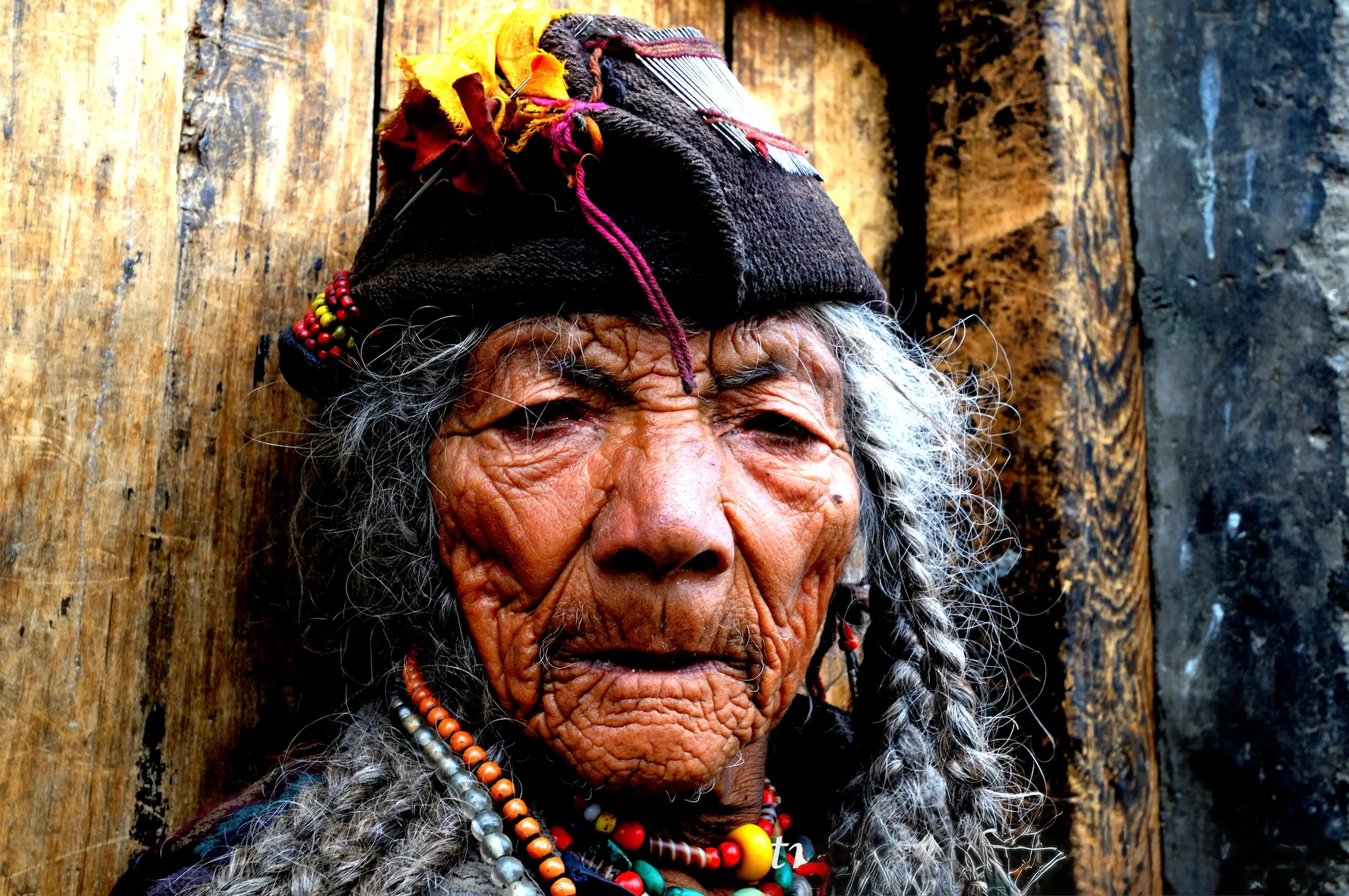
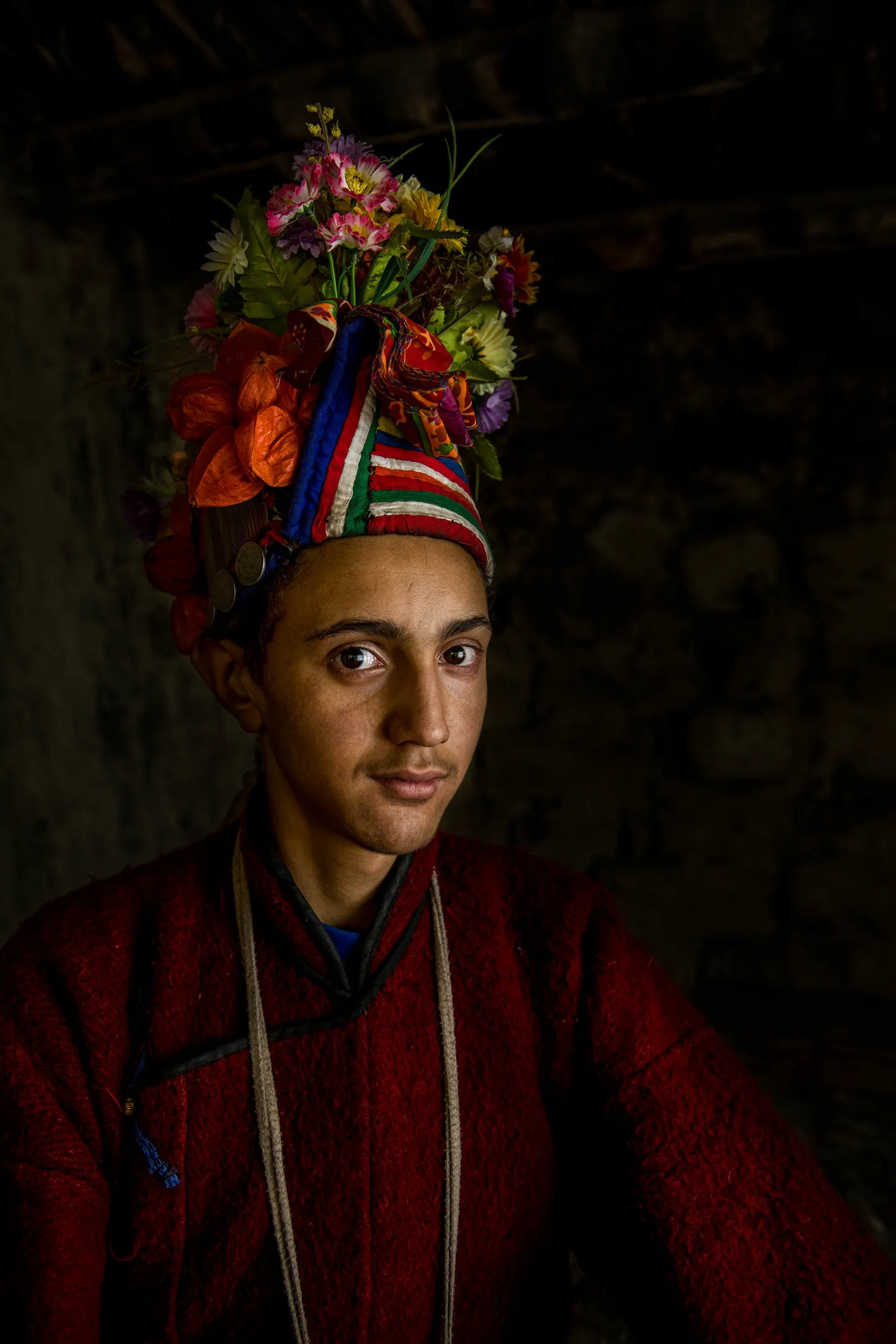
The Aryan valley- primarily comprising the villages of Dah, Hanu, Garkone, and Darchik along the Indus River, is home to the Brokpa people, believed to be the last pure descendants of the Indo-Aryan race. The highlight is their strikingly distinct physical features—often tall with fair complexions and light-coloured eyes—and their elaborate traditional attire. The most iconic photographic element is the "Monthu Tho" or "Kho", a permanent floral headdress decorated with rows of orange flowers (Juniper and Marigold), silver ornaments, and coins, worn by both men and women to ward off evil.
Today after breakfast drive to Leh, drive will take about 5 hrs to reach Leh. Overnight in hotel in Leh with all meals.
After breakfast, will transfer you to airport for your flight back to Delhi. At Delhi our airport representative will receive you and take you to hotel close to airport. As per your flight home details we will transfer you to international airport for your flight back home.
Flight from Delhi to your onward destination. Tour concludes with unforgettable memories of Ladakh—its breathtaking landscapes.
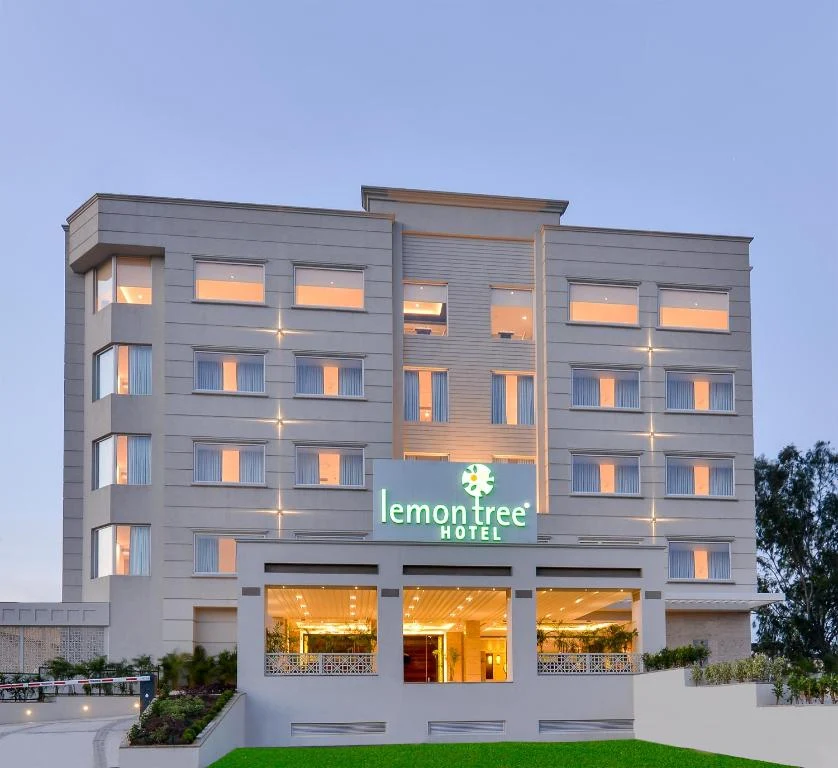
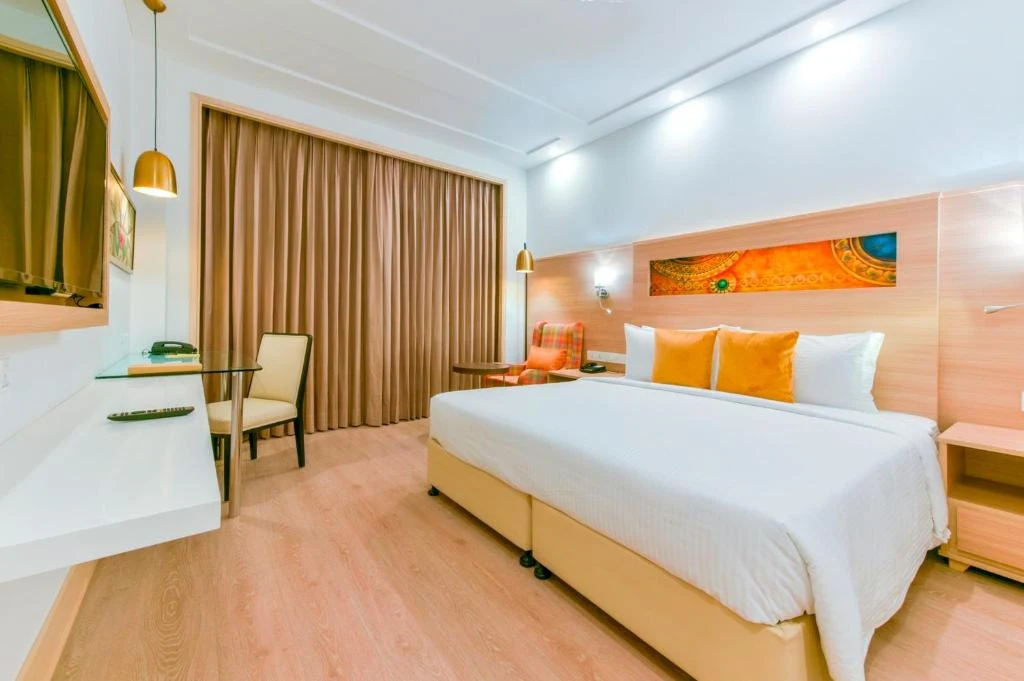
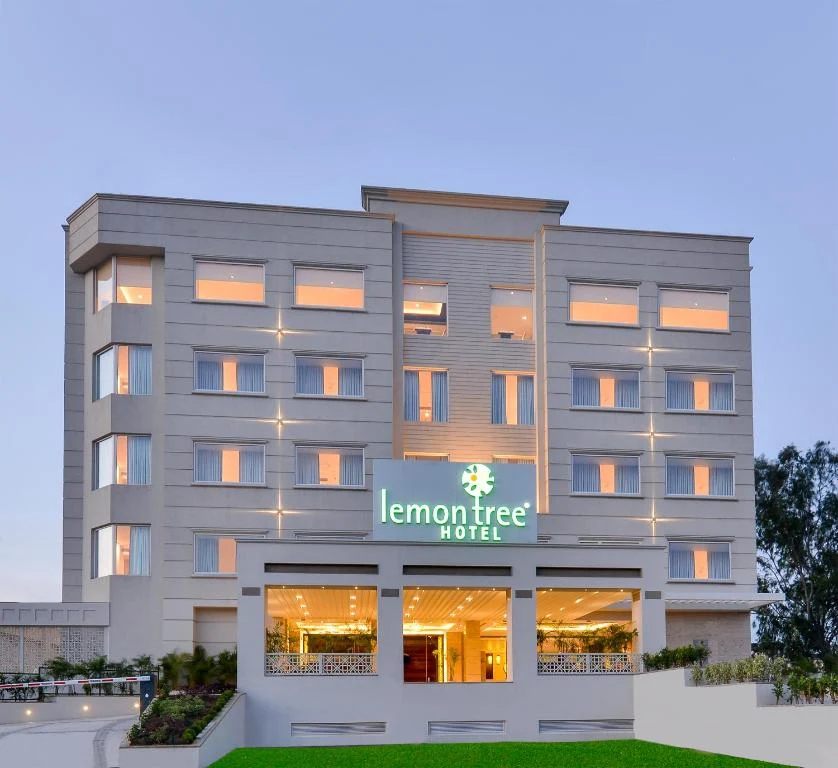
Lemon Tree Premier, Delhi – An upscale business and leisure hotel that combines style, comfort, and personalized service. Guests enjoy premium amenities, modern rooms, award-winning dining, and a vibrant, energetic atmosphere—perfect for both leisure and business travelers.
.webp)
.webp)
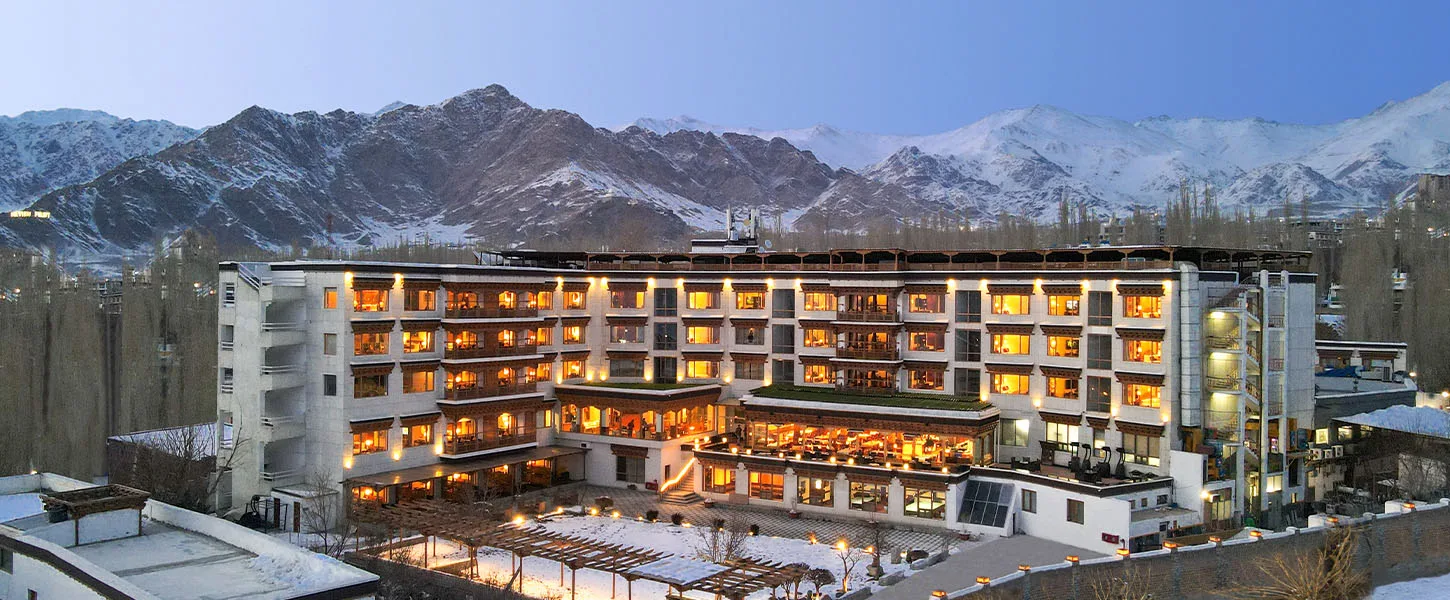
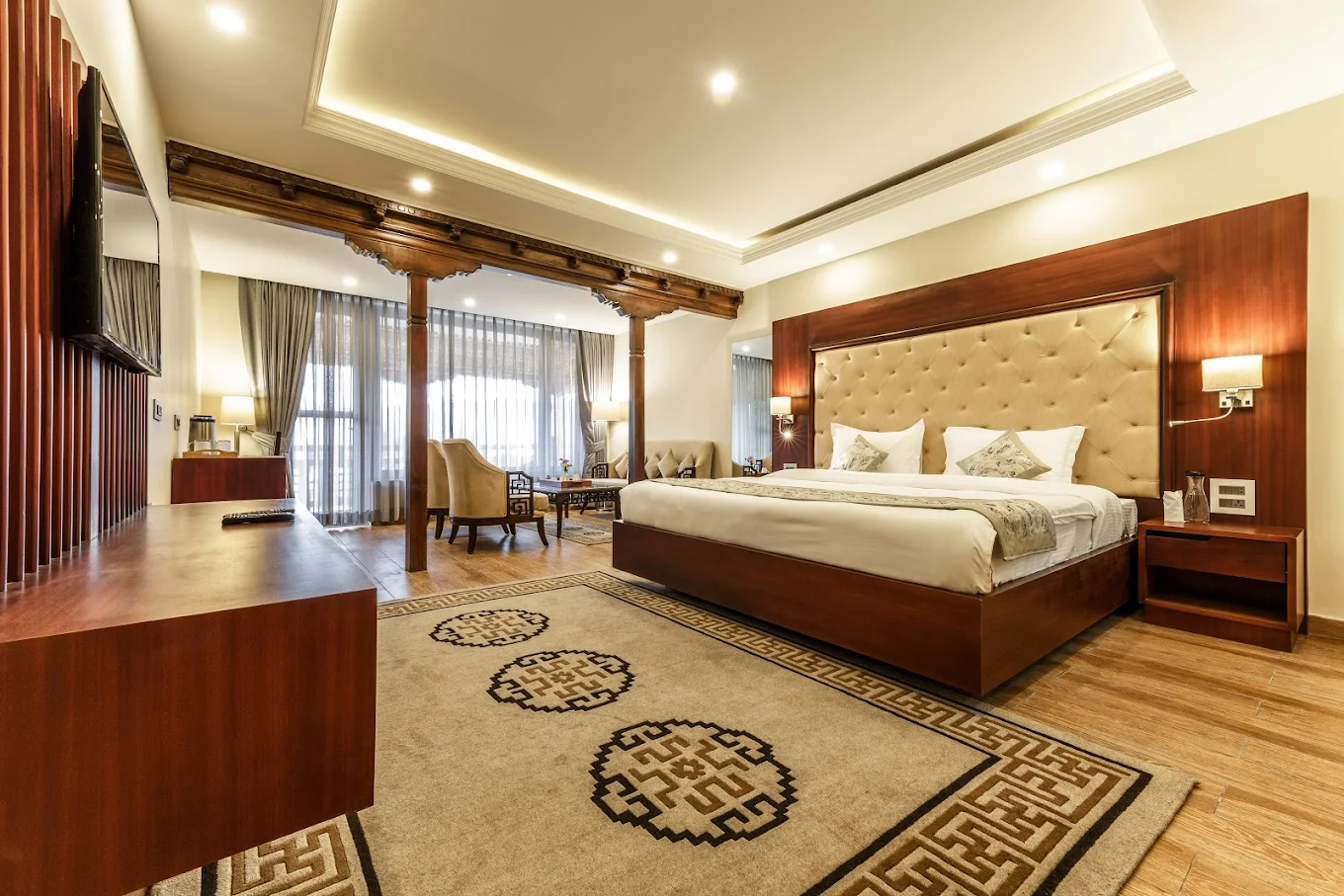
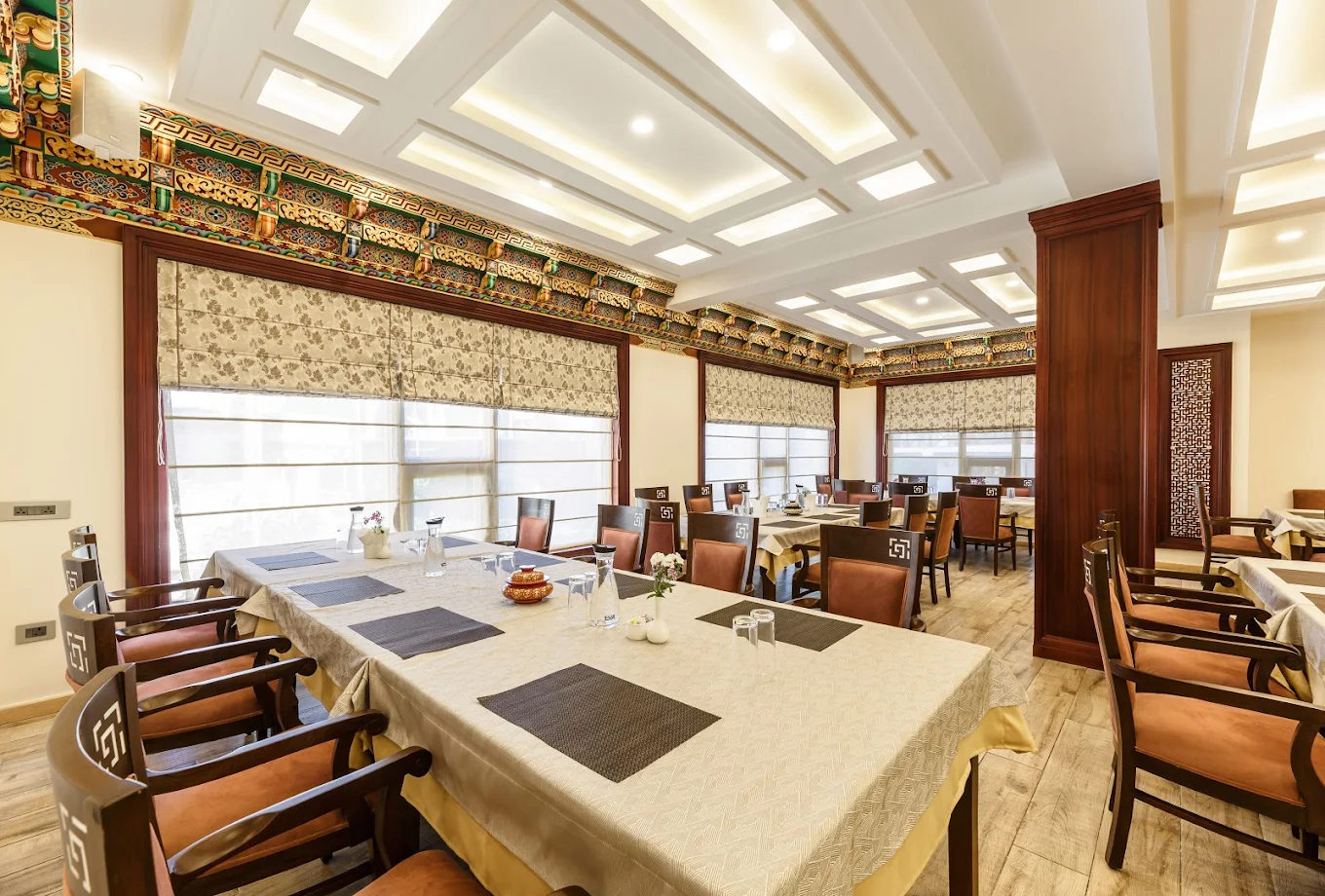
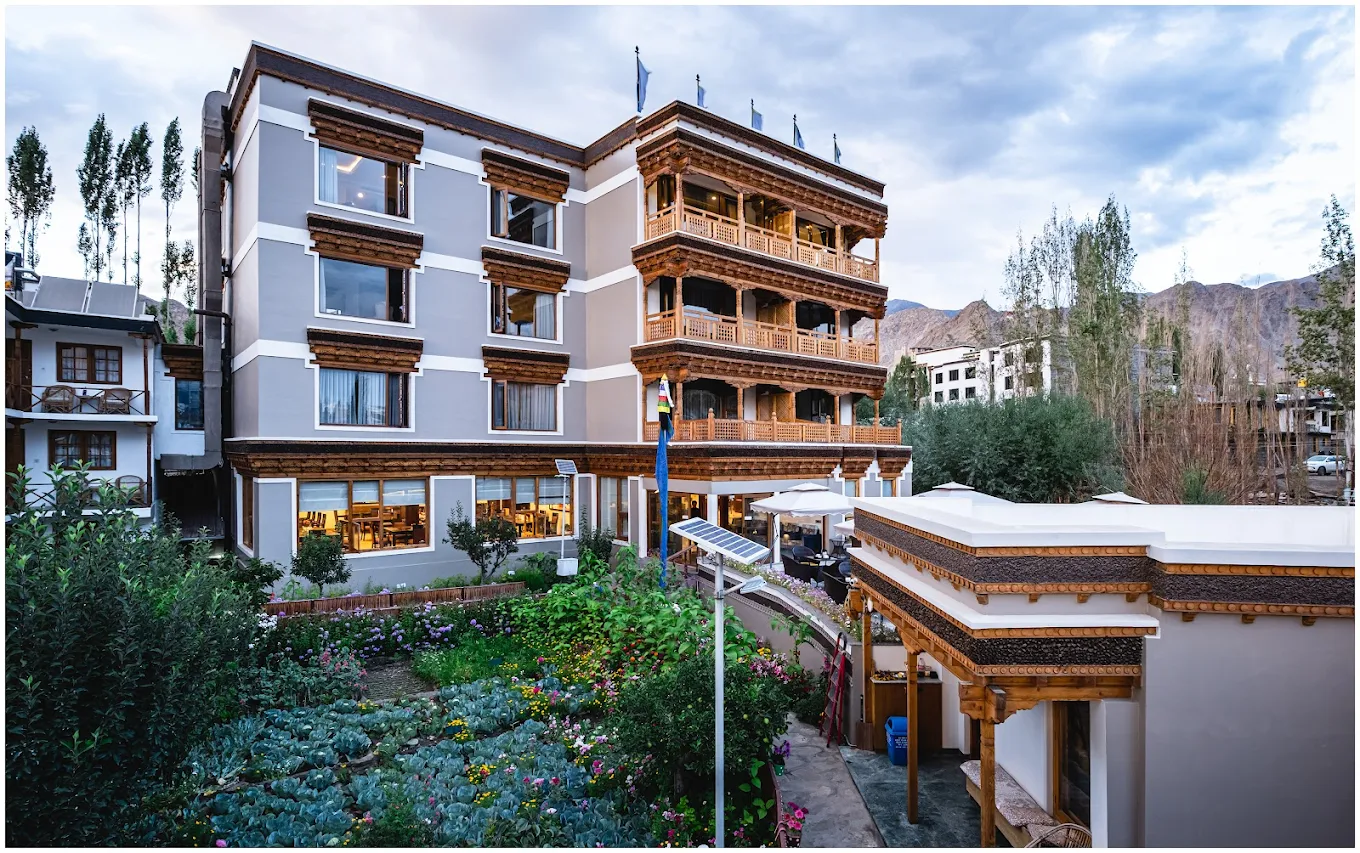
Padma Hotel, Leh – Just 10 minutes from Leh Airport, Padma Ladakh blends traditional charm with modern comfort. Enjoy premium and deluxe rooms with panoramic mountain views, warm hospitality, and a rooftop view of Leh Palace and Shanti Stupa—your perfect home away from home in Ladakh.
Zanskar Eco Lodge in Karsha is a family-run guesthouse near the Karsha Monastery, offering comfortable, cozy rooms and a rooftop terrace with panoramic views of the monastery and local glacial streams. Situated in the largest village in Zanskar, this sustainable lodge provides authentic local experiences, including locally sourced food and a warm, welcoming environment for travelers exploring the remote region
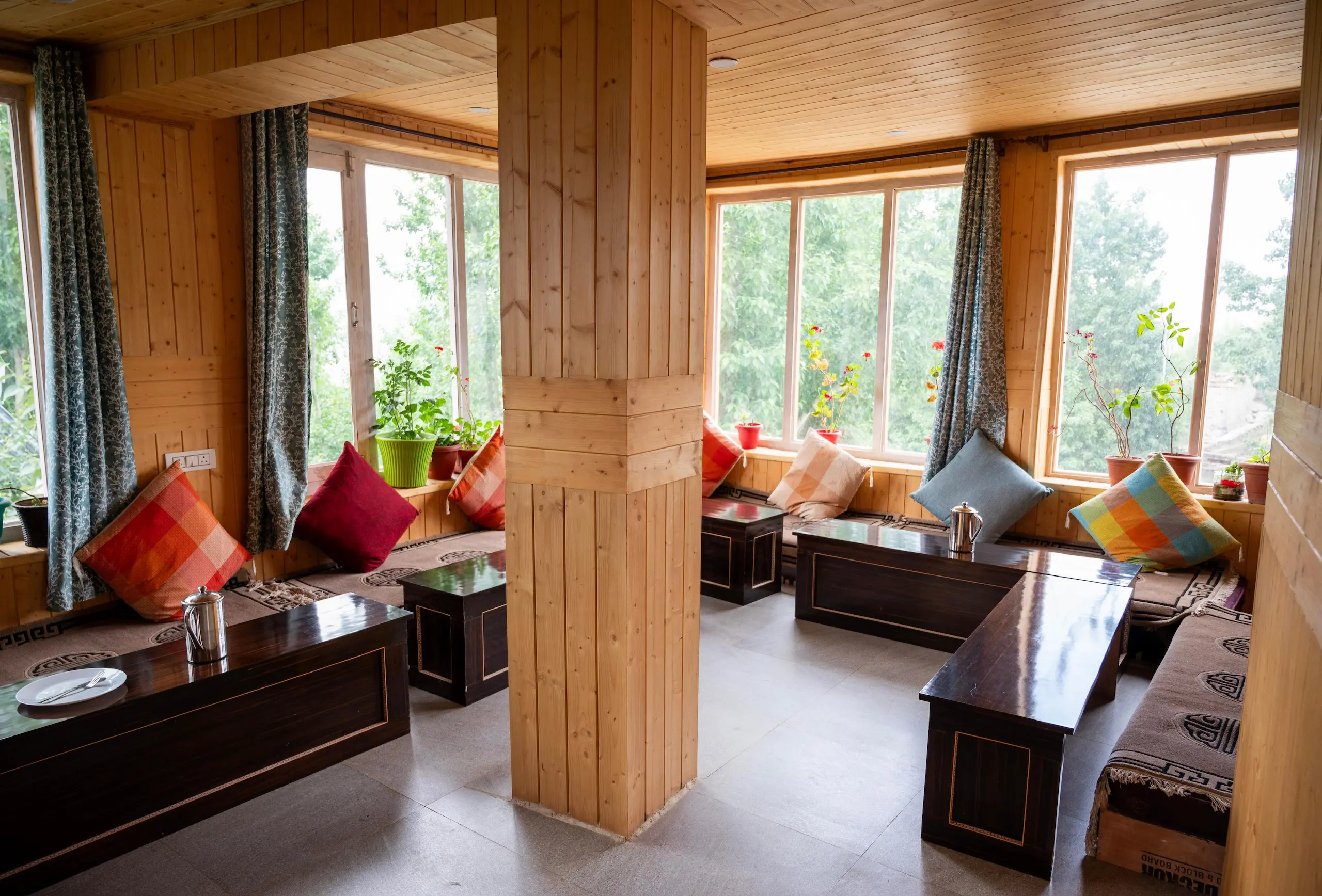
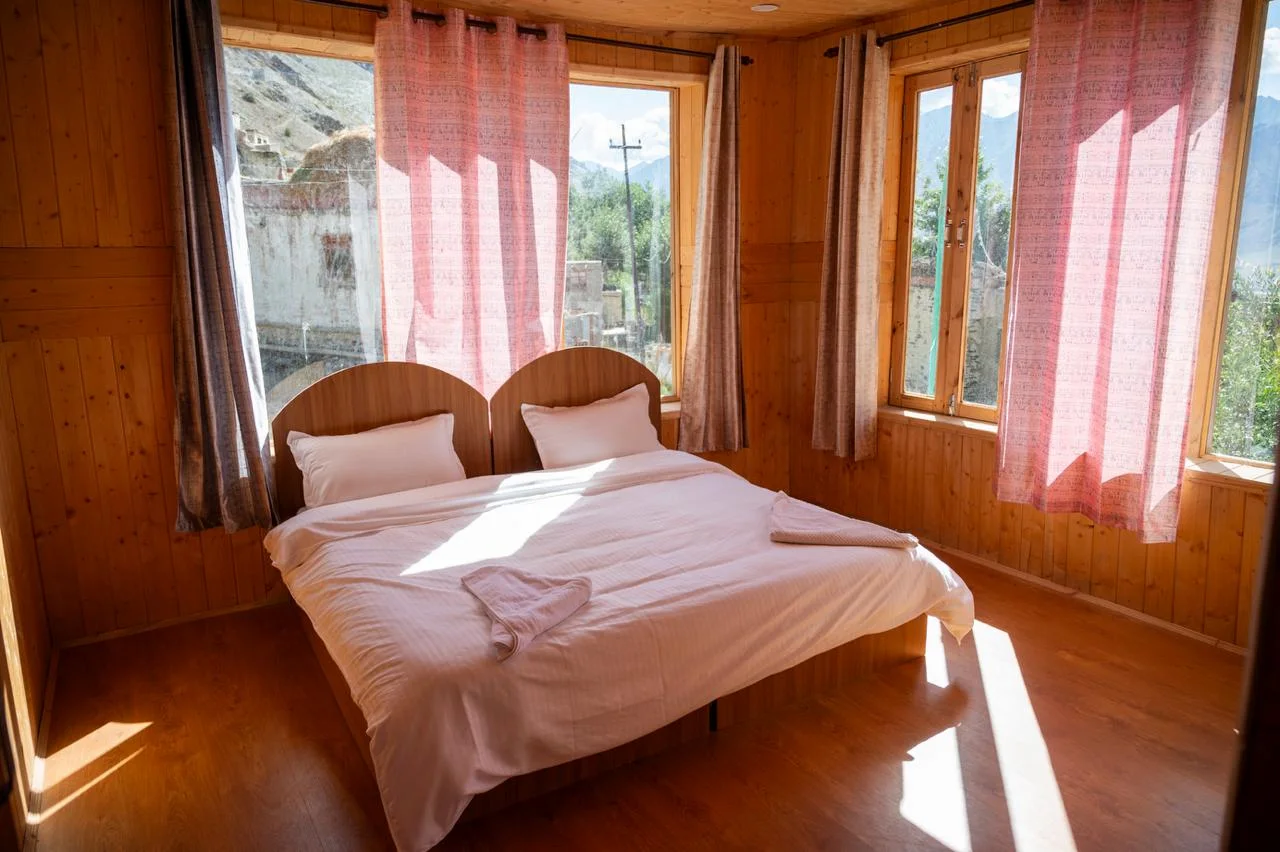
.webp)
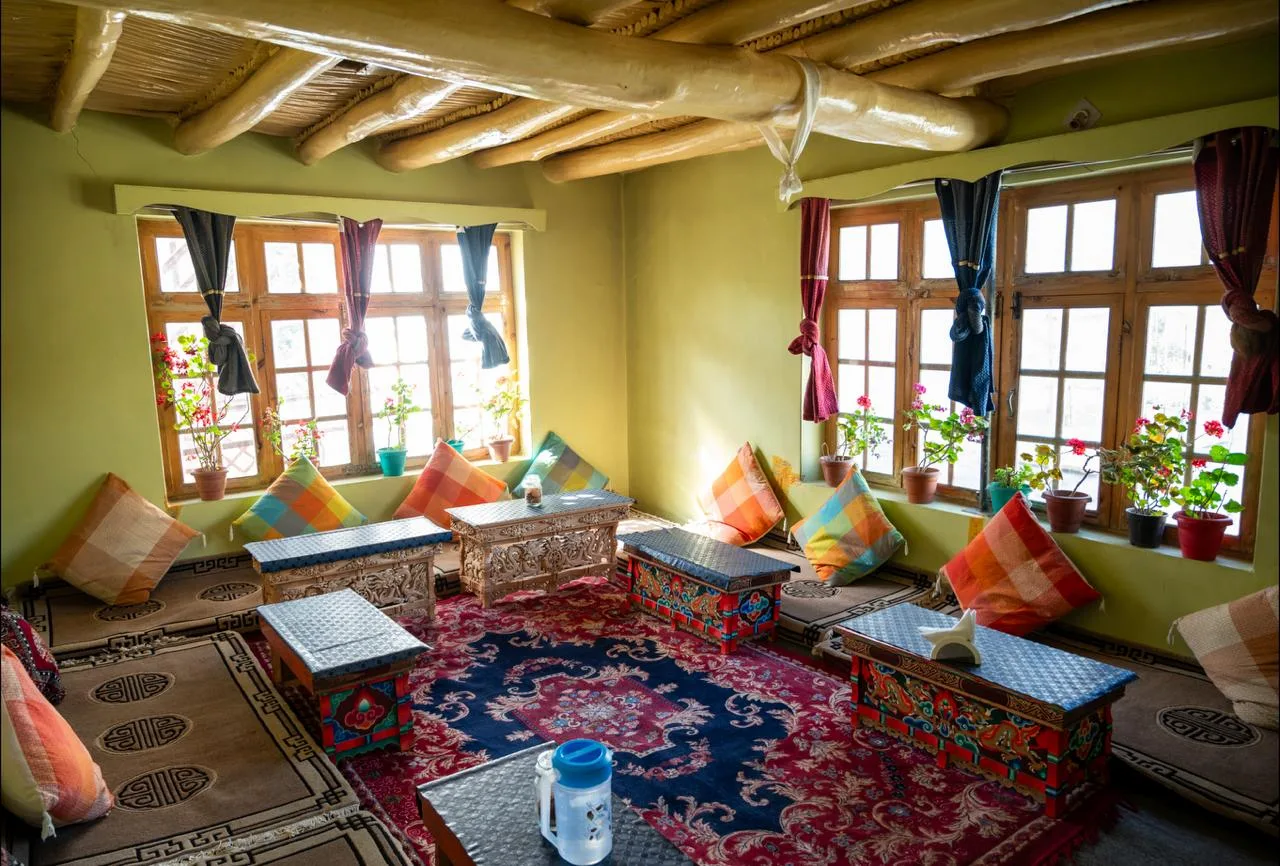
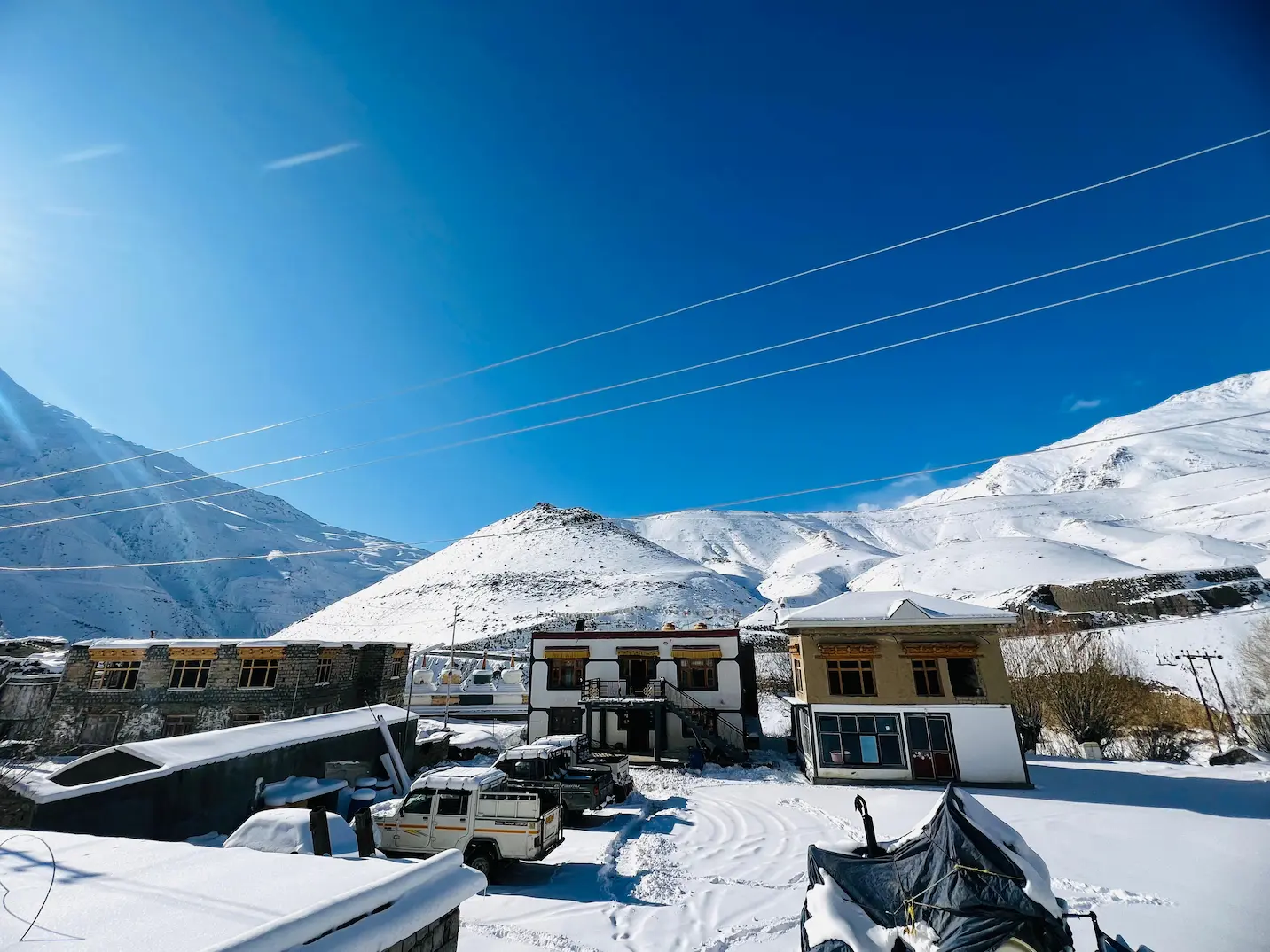
Purne is small village with two families and guesthouse run by family. Has attached Bath and toilet and external heating provided for winter.
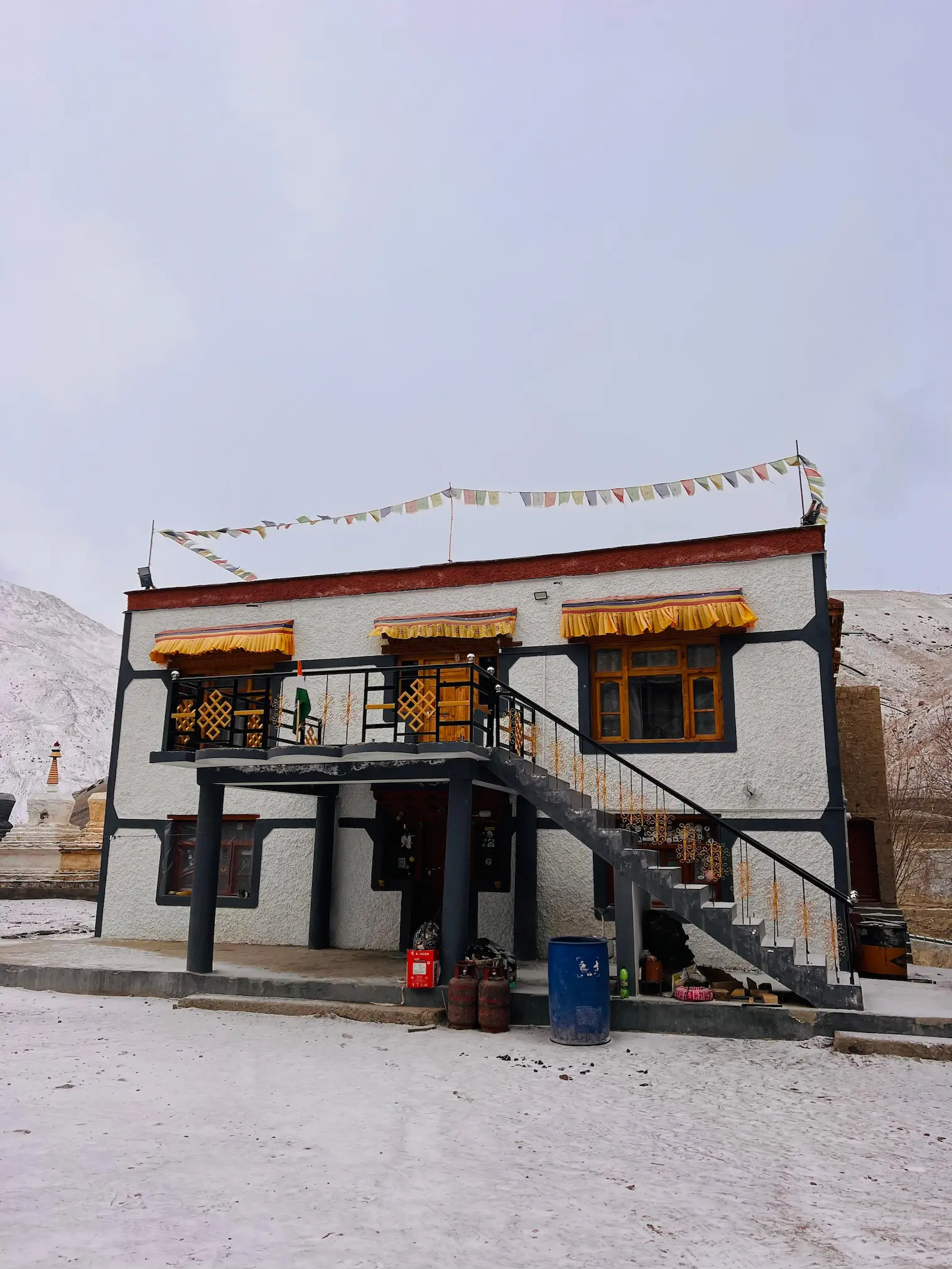
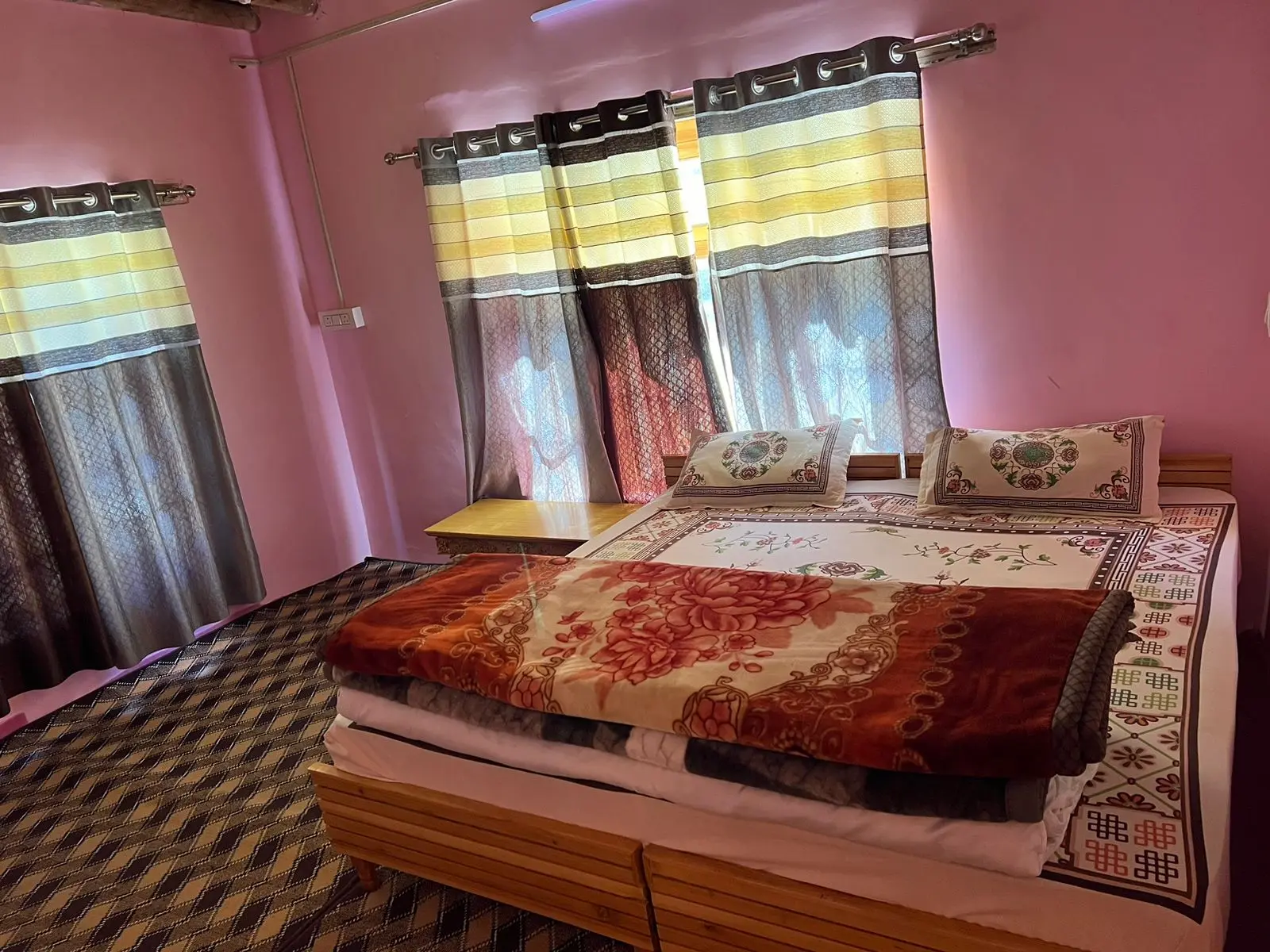
La Himalaya guesthouse is in the remote Rangdum region of the Suru Valley—often referred to as the gateway to Zanskar—accommodation options are famously basic and limited due to the area\'s extreme isolation and high altitude (approximately 4,000 meters). La Himalaya Restaurant and Guest House, which is often cited as the only permanent hotel-style accommodation in the village. This establishment provides essential lodging and meals for those making the long journey between Kargil and Padum, with rates often including breakfast and dinner. Other nearby alternatives include the Nun Kun Deluxe Camp, which offers seasonal bedded tents with private toilets, or very simple rooms provided by the Rangdum Monastery itself. These stays offer an authentic, albeit rugged, experience characterized by stunning Himalayan views and a complete disconnect from modern infrastructure.
D’ Meadows, Drass – Located at 10,800 ft in Drass Valley, this upscale hotel offers centrally-heated rooms with breathtaking views of the Ladakh Range, including Tiger Hill, Dumri Churei, and Manman peaks, ensuring a comfortable stay in the world’s second-coldest inhabited town.
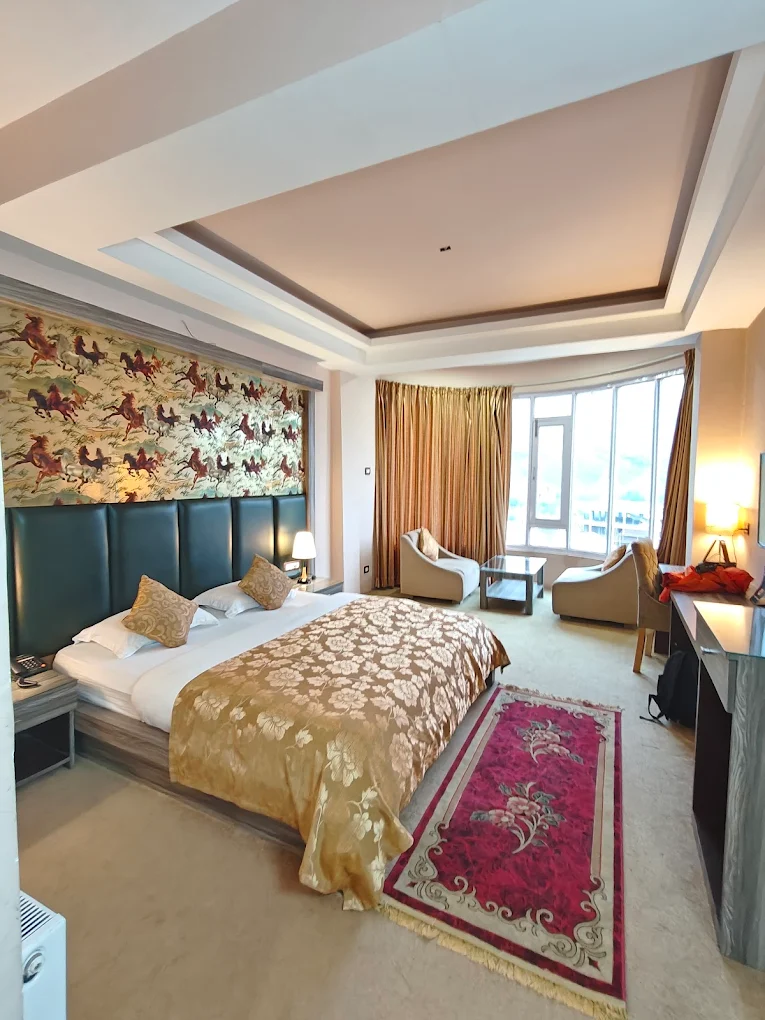
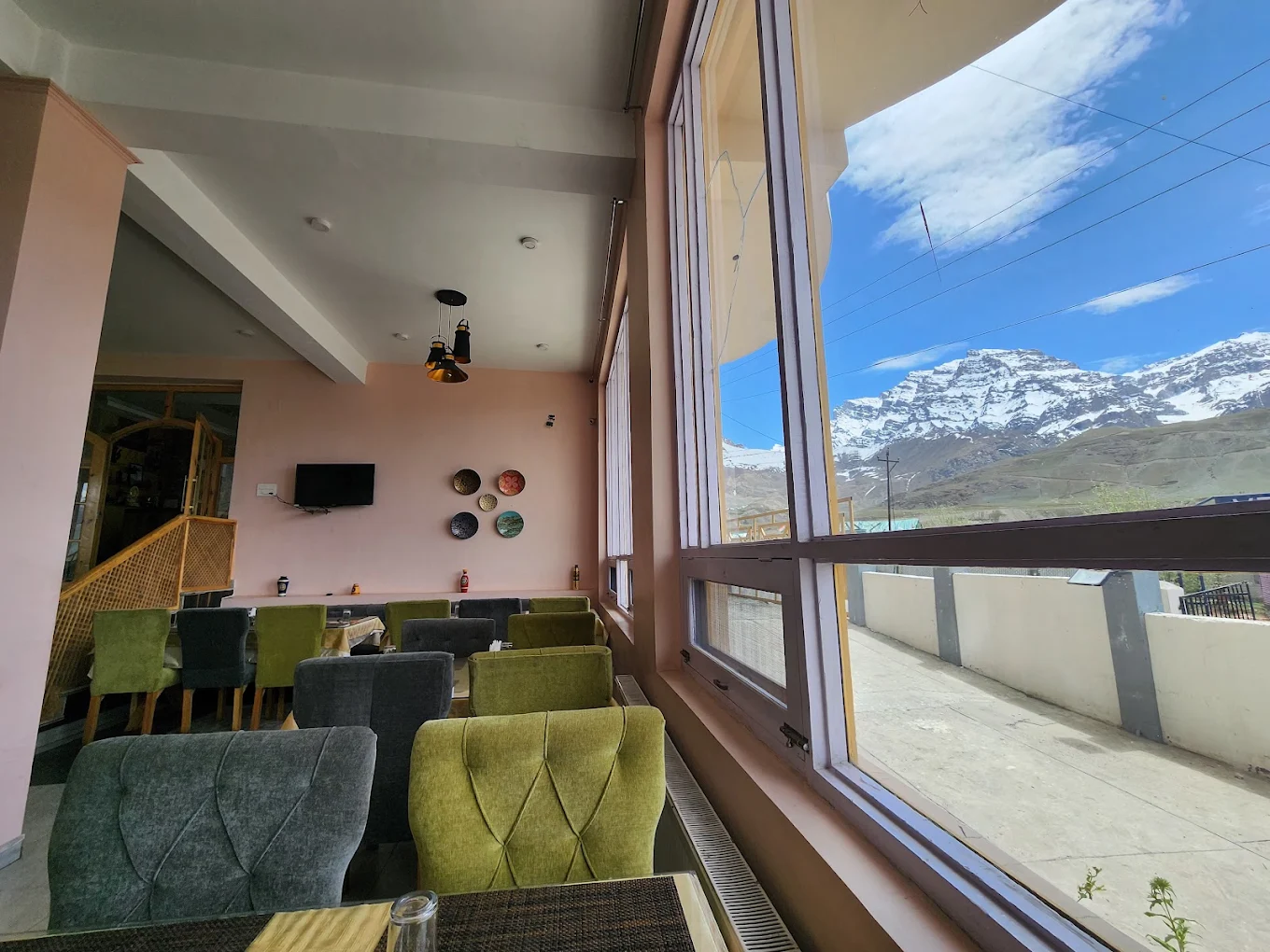
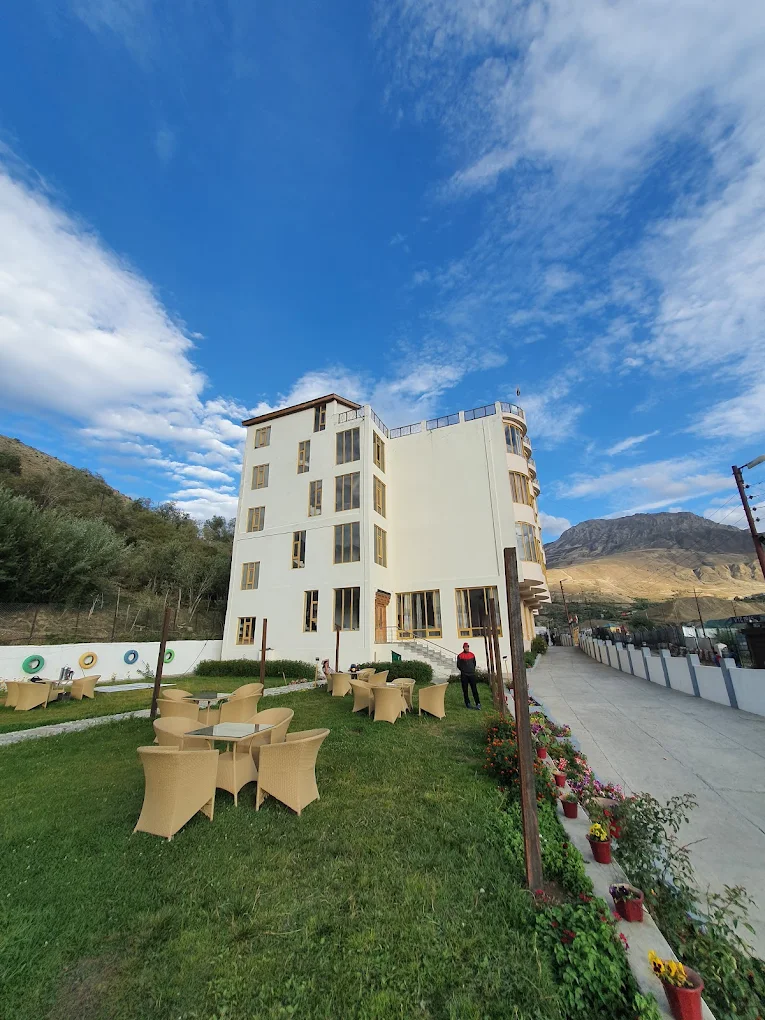
Hotel Aryan Residency is a 3-star deluxe hotel centrally located in Bema village within the Aryan Valley of Ladakh, positioned approximately 160 km from Leh and 65 km from Kargil. Set amidst vast apricot and apple groves, the property offers a peaceful and rejuvenating atmosphere where guests can enjoy views of the Indus River. The residency is run by a local Aryan family and features well-maintained rooms with modern bathroom fixtures, free Wi-Fi, and a restaurant serving organic meals prepared from their own farming land. Visitors can also experience unique cultural elements such as traditional Brokpa dance shows on demand or dine in an ancestral Aryan home to fully immerse themselves in the region\'s ancient heritage.
Payupa Guest House in Garkon village, Ladakh, offers an authentic stay in the Aryan Valley, located near the Himalayan Aryan Heritage Museum. Known as a family-run property, it provides comfortable rooms, local food, and views of the surrounding mountains and apricot orchards. It is a key, often the only, accommodation option in the area
| Start Date | End Date | Double | Single | |
|---|---|---|---|---|
| 20 September 2026 | 05 October 2026 | USD 4,900 Per person | USD 6,900 Per person | |
| 20 April 2027 | 05 May 2027 | USD 4,900 Per person | USD 6,900 Per person |
Note: If you want to customize your trip date please click here
 Hotel in Delhi with breakfast only.Domestic airfare from Delhi/Leh/Delhi by economy class.All accommodation in Ladakh with all meals.Guide and fixer Rashid [Myself].Photo session in Leh.Photo session in Zanskar.Inner line permits to restricted areas.Fees to monasteries and parks.Photography fee, gifts and fee for privilege excess to monastery, nunnery, nomads and local homes.1st aid kit and oxygen cylinders in cars, hotels, lodge and homestay.Bottled mineral water while traveling and at hotel /guesthouse or homestay filtered RO water.All airport transfers.All ground transport.
 International airfare.Visa and travel insurance.Main meals in Delhi.Tips and gratuities for driver / helper.Alcohol and beverages.Medical expenses beyond 1st aid and oxygen cylinders.Any other activities which is not mentioned in the itinerary.
Acclimatisation is essential and life-saving for any journey to Ladakh. Located in the high Himalayas, Ladakh sits at extreme altitudes where oxygen levels are significantly lower than at sea level. Leh, the main entry point for most travellers, is situated at approximately 3,600 meters (11,500 ft), making proper acclimatisation crucial before moving to higher regions.
Without adequate acclimatisation, travellers may experience Acute Mountain Sickness (AMS), with symptoms such as headaches, nausea, dizziness, and fatigue. In severe cases, AMS can develop into life-threatening conditions like High Altitude Pulmonary Edema (HAPE) or High Altitude Cerebral Edema (HACE).
To ensure safety, the Leh District Administration enforces a mandatory 48-hour rest period for all visitors arriving by air. This allows your body to gradually adjust to the altitude and reduces the risk of altitude-related illness. Skipping this crucial phase can significantly impact your overall experience and health during the expedition.
Important Acclimatisation Guidelines :
Proper acclimatisation ensures a safe, comfortable, and enjoyable experience in Ladakh, allowing you to fully focus on the wildlife, landscapes, and unique cultural encounters this expedition has to offer.
 Thick down Jacket with hood.Warm, windproof fleece upper and lower.Pair of snow/ski or insulated cold-weather hiking pants.Comfortable warm pants.Long-sleeved shirts.Warm gloves with inner liners.Warm hat which covers ears.Fleece neck gaiter.Few pairs of Wooden Socks.Hiking boots.Sport shoe for camp.Underwear.Warm sleep wear.Cash for discretionary gratuities.Water resistant day bag.Headlamp or small flashlight.Spare batteries.Sun glasses.Hand and foot warmers.Earplugs.Toiletries.Sunscreen and lip balm (at least SPF 50)
Choosing Elite Expedition India means embarking on a meaningful photography journey where your passion for visual storytelling meets deep cultural respect and conservation. We take you beyond crowded tourist spots into the unseen Ladakh, Spiti, and Himalayan regions for authentic portraits, intimate monastery access, and immersive experiences with local communities and nomadic tribes — creating powerful, ethical images that celebrate India's living heritage.

Travel with purpose into some of the world’s last wild places, where nature remains raw and untamed. Every expedition is thoughtfully designed to respect wildlife, support local communities, and contribute to conservation—ensuring your journey leaves a positive footprint long after the adventure ends.


