

Why Winter is Best for Snow Leopard Expedition in Ladakh
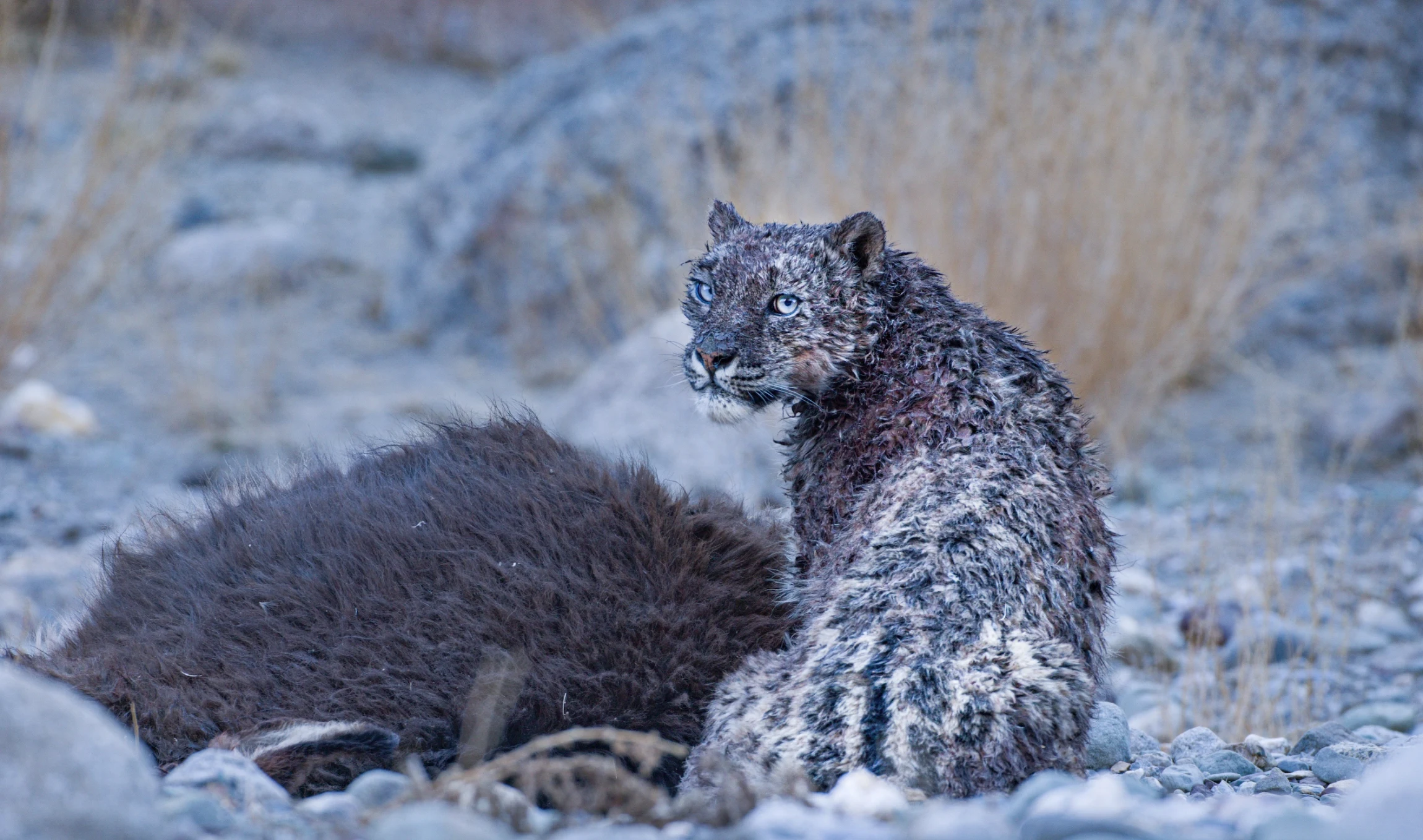
While the Himalayas are often seen as a summer destination, the true "Ghost of the Mountains" waits for the deep freeze to reveal itself. A snow leopard expedition in Ladakh during winter offers one of the rarest wildlife experiences on Earth. From November to April, the high-altitude wilderness transforms into a stage for one of nature’s most elusive spectacles. As the peaks become uninhabitable, the snow leopard descends, trading its mountain solitude for the lower valleys. For those brave enough to face the sub-zero chill, winter offers a rare, front-row seat to the life of a predator that remains invisible for the rest of the year.
The "Prey Follows the Snow" Rule
As heavy snow blankets the high peaks, herbivores like Blue Sheep (Bharal) and Ibex descend to lower elevations to find grazing land. The snow leopards, being tactical hunters, follow their food source down the mountain, bringing them within much closer range of human observation points. This is one of the key reasons why a Ladakh snow leopard tour in winter has a much higher chance of sightings.
Low Altitude Movement
During summer, these cats stay above 5,000 meters. In winter, they often drop to 3,000–4,000 meters. This lower altitude means:
- Less gruelling trekking for photographers
- Better oxygen levels for spotters
- High-activity zones near valley floors
For travelers planning a snow leopard photography tour, winter conditions make the experience significantly more accessible and rewarding.
High Visibility Against White
A snow leopard’s rosette pattern is perfect camouflage against grey summer rocks. However, in winter:
- Their dark shapes stand out against pure white snow
- Fresh snow makes tracking footprints (pug marks) much easier
- Spotters can follow "drag marks" from recent kills across open slopes
This natural contrast is one of the biggest advantages of a winter snow leopard expedition in Ladakh.
Mating Season Activity
Peak mating season occurs between February and March. This is the most "vocal" time for the cats:
- Males and females use loud mating calls that echo through valleys
- Increased movement as they search for partners
- Scent marking and territorial patrolling become frequent and visible
If you are wondering about the best time to see snow leopards in Ladakh, this period offers the highest activity levels.
Thick Winter Pelage
If you are looking for the "perfect" photo, winter is the only time to go. The leopards grow an incredibly thick, plush coat and a heavy, bushy tail to survive the sub-zero temperatures, making them look significantly more majestic than they do in their thinner summer coats.
Essential Gear for Winter Tracking
To survive the temperatures (which can drop to -30°C) and get the best shot during a snow leopard expedition, you'll need:
- Professional Optics: 8x42 or 10x42 binoculars and a high-quality spotting scope
- Camera Kit: A 400mm to 600mm telephoto lens to capture sightings from across valleys
- Extreme Cold Layers: Heavy down jackets (rated for -30°C), thermal base layers, and fleece mids
- Hand & Foot Warmers: Chemical heat packs to keep fingers nimble for camera shutters
- Spare Batteries: Cold drains power instantly; always keep spares tucked inside your inner jacket layers
- Sturdy Tripod: Essential for stabilising long lenses in high-altitude winds
Why Winter Conditions Make Spotting Easier
1. Zero Heat Haze (Atmospheric Clarity)
The Problem: In summer, sun-warmed rocks release heat, creating "heat waves" or "shimmer" in the air.
The Winter Advantage: Sub-zero temperatures keep the air stable and crisp.
The Result: You can crank up the magnification on a spotting scope to 60x or higher and see a crystal-clear image of a leopard's whiskers from miles away without any blurring.
2. High Contrast "Spotting"
Summer Camouflage: A leopard’s grey-yellow fur blends perfectly into the dry, brownish rocks of the "High Desert."
Winter Contrast: When the mountains are white with snow, the cat’s darker rosettes and silhouette stand out like a "thumbprint on a white sheet."
Visual Tracking: It is much easier for the eye to pick up movement against a static, bright white background.
3. "Snow Stories" (Pugmarks)
Permanent Trails: On dry summer ground, tracks are nearly impossible to find.
The White Canvas: In winter, a leopard’s heavy paws leave deep pugmarks in the snow.
Finding the "Fresh" Path: Spotters can follow these tracks to see exactly which cave or ridge the leopard moved toward in the last few hours.
4. Concentrated Search Areas
Limited Real Estate: In summer, leopards can roam anywhere up to the highest peaks.
The "Bottle-Neck" Effect: In winter, deep snow on the ridges forces leopards to use specific, lower-altitude "highways" (like frozen riverbeds or established goat trails).
Efficiency: Spotters don't have to look everywhere; they only have to monitor the few clear paths and lower ridgelines.
5. Predictable Kill Sites
Blue Sheep Clusters: Because prey animals (Bharal) huddle together in lower valleys to stay warm and find grass, the leopards stay close to these specific herds.
Vulture Activity: Scavenger birds are easier to spot against the winter sky, often leading spotters directly to a leopard guarding a fresh kill on the snow.
Plan Your Snow Leopard Expedition in Ladakh
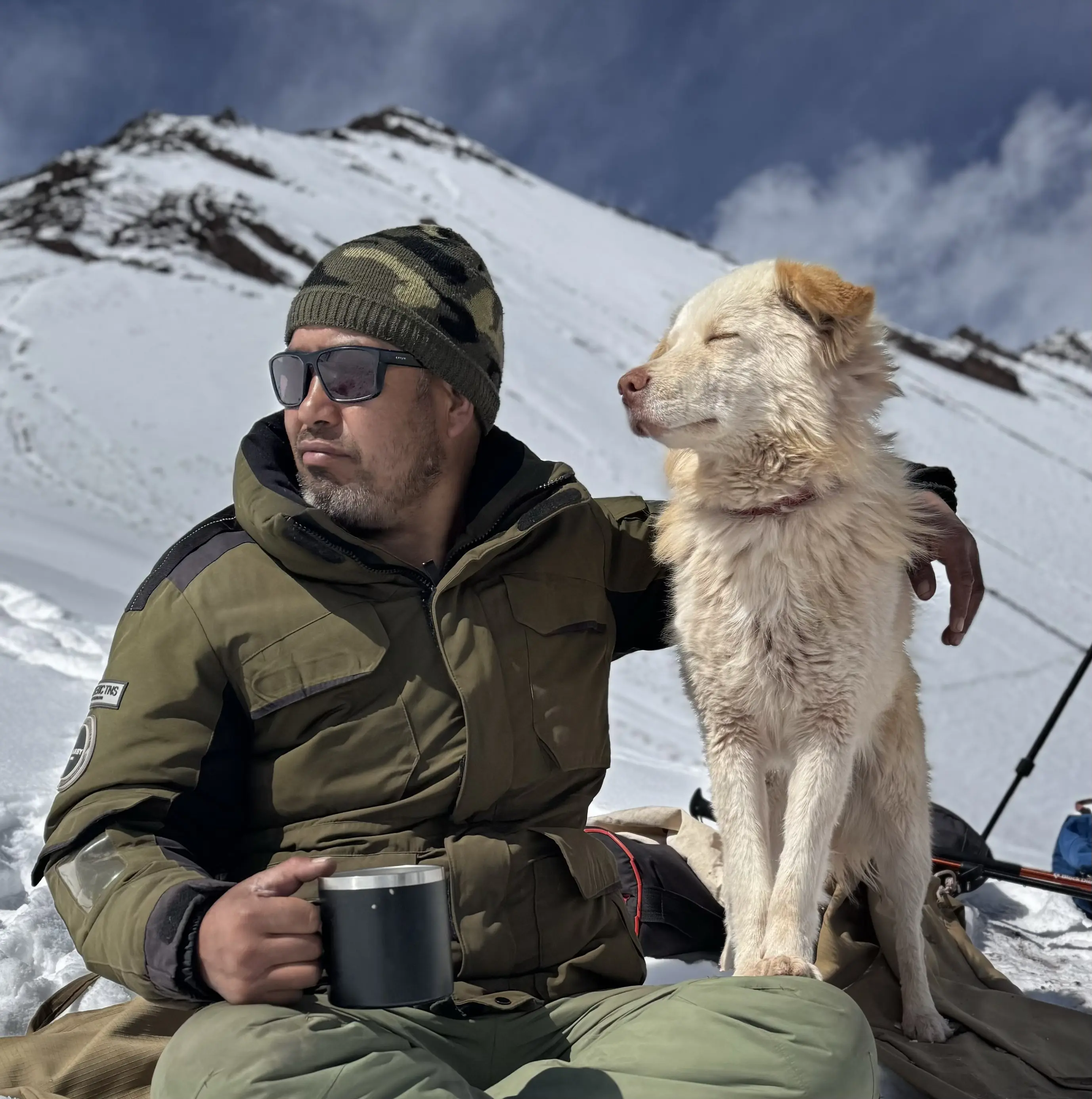
For those looking to experience this rare wildlife encounter, choosing the right local expertise makes all the difference. Our snow leopard expedition in Ladakh is led by experienced local trackers like Abdul Rashid, who understand the terrain, animal movement, and spotting patterns at an expert level.
Explore our guided Ladakh snow leopard tour and winter expeditions to witness the Ghost of the Mountains in its natural habitat.