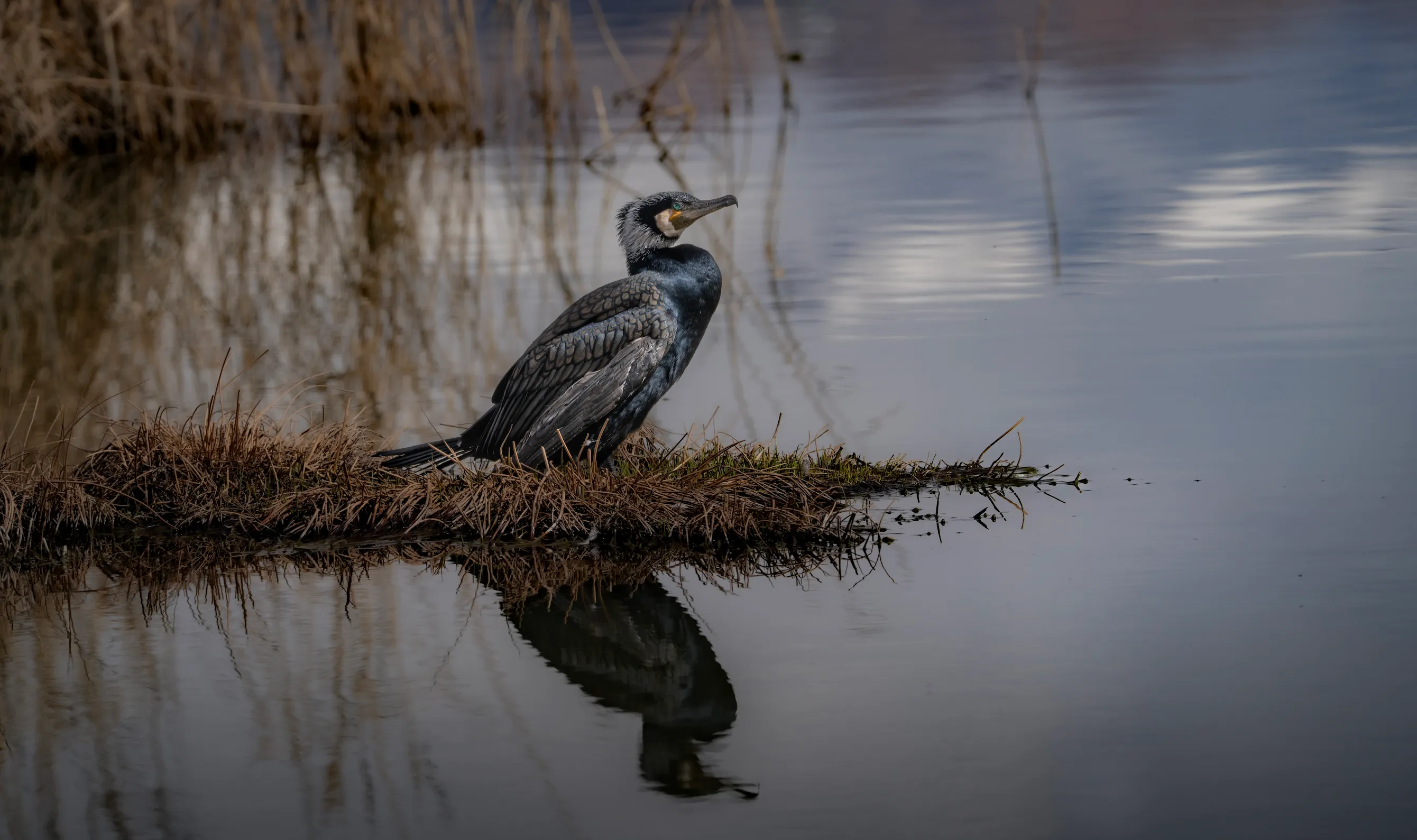

Birding in Ladakh – The High-Altitude Paradise for Birds
From the sacred wetlands of Changthang to the river valleys of Nubra and Suru, Ladakh is one of the most extraordinary birding destinations in the Indian Himalayas — home to species that exist nowhere else on Earth.
Ladakh, often called the Land of High Passes, is one of the most extraordinary birding destinations in the Indian Himalayas. Surrounded by cold deserts, alpine lakes, river valleys, and rugged mountains, Ladakh provides habitat to some of the rarest and most high-altitude bird species on Earth. From the wetlands of Pangong Tso and Tso Moriri to the rocky valleys of Drass, Nubra, and Changthang, the region attracts birdwatchers, wildlife photographers, and researchers from around the world.
 Why Ladakh & Rare Species
Why is Ladakh famous for birding?
Ladakh is famous for birding because of its unique high-altitude ecosystem and its location along important migratory routes of Central Asia. The region hosts a combination of Himalayan, Tibetan, and Central Asian bird species rarely seen elsewhere in India. Its remote landscapes, minimal urbanization, and diverse habitats — from icy wetlands and alpine meadows to rocky gorges and cold desert — make it one of the best birding regions in the Himalayas.
Which rare birds are found in Ladakh?
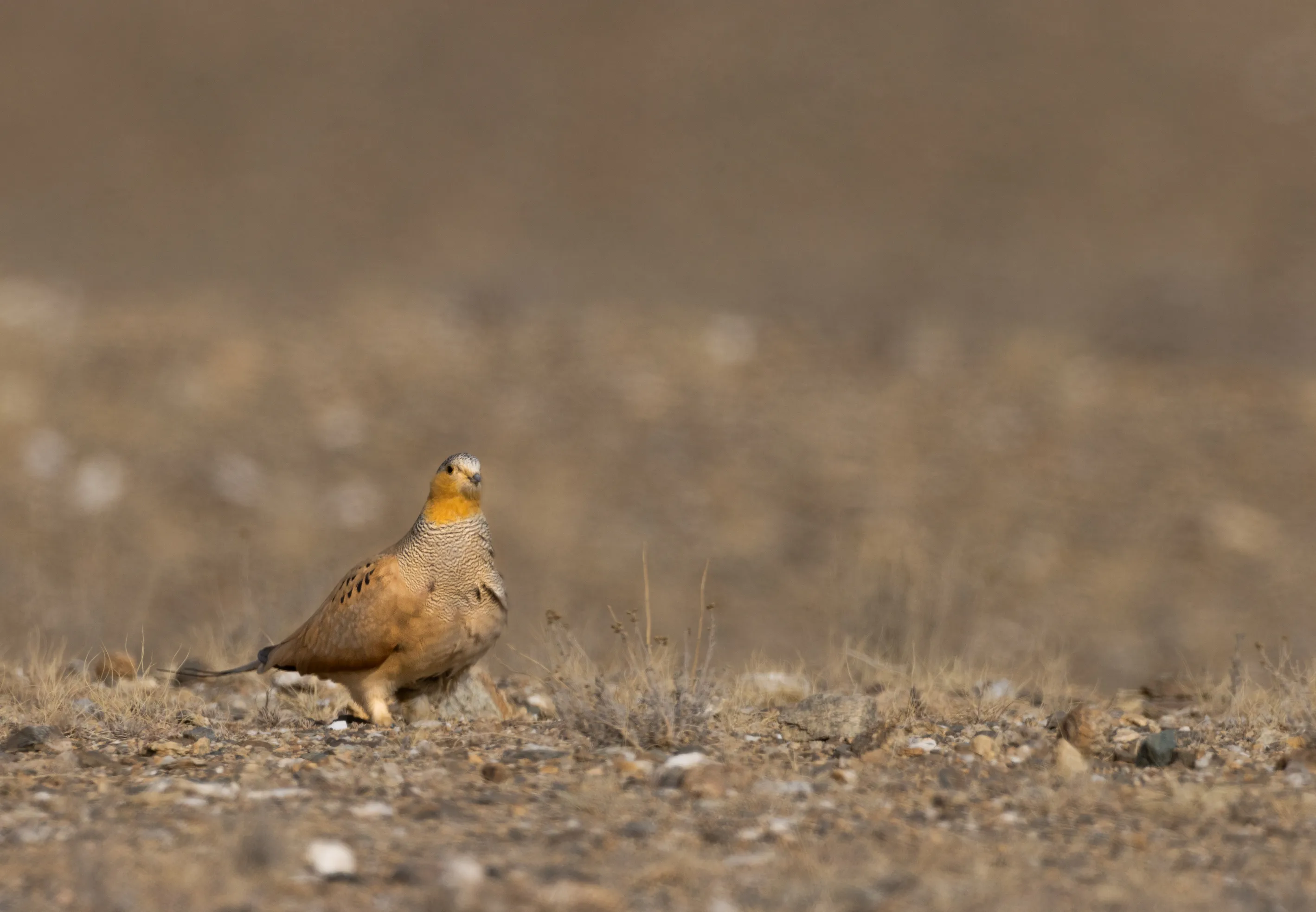
Ladakh is home to several iconic and rare bird species including the Black-necked Crane, Tibetan Snowcock, Himalayan Snowcock, Golden Eagle, Lammergeier, Chinese Rubythroat, Robin Accentor, Fire-fronted Serin, and the elusive Ibisbill, and many more. Wetlands support migratory species such as Bar-headed Geese, Brahminy Ducks, and Brown-headed Gulls during the breeding season.
How do birds survive the harsh climate of Ladakh?
Birds in Ladakh survive extreme cold and low oxygen levels through remarkable adaptations. Many species develop dense insulating feathers, efficient lungs, and high-altitude flight abilities. Migratory birds arrive during the short summer when lakes thaw and food becomes abundant, while resident species adapt by conserving energy and nesting in protected rocky terrain where snow and wind are less severe.
Best Locations, Species & Seasons
"Ladakh's wetlands are among the most important breeding grounds for high-altitude migratory birds in all of Asia. Our guides have watched these skies for over 15 years and know where to look at every season."
What are the best birding locations in Ladakh?
The best birding locations in Ladakh include Pangong Tso – Merak Village, Hanle, Changthang Wildlife Sanctuary, Nubra Valley, Suru Valley, and the Indus River wetlands. These habitats support waterbirds, raptors, alpine specialists, and migratory species across different elevations, offering a diverse and rewarding experience for birdwatchers at every level.
Why is the Black-necked Crane special in Ladakh?
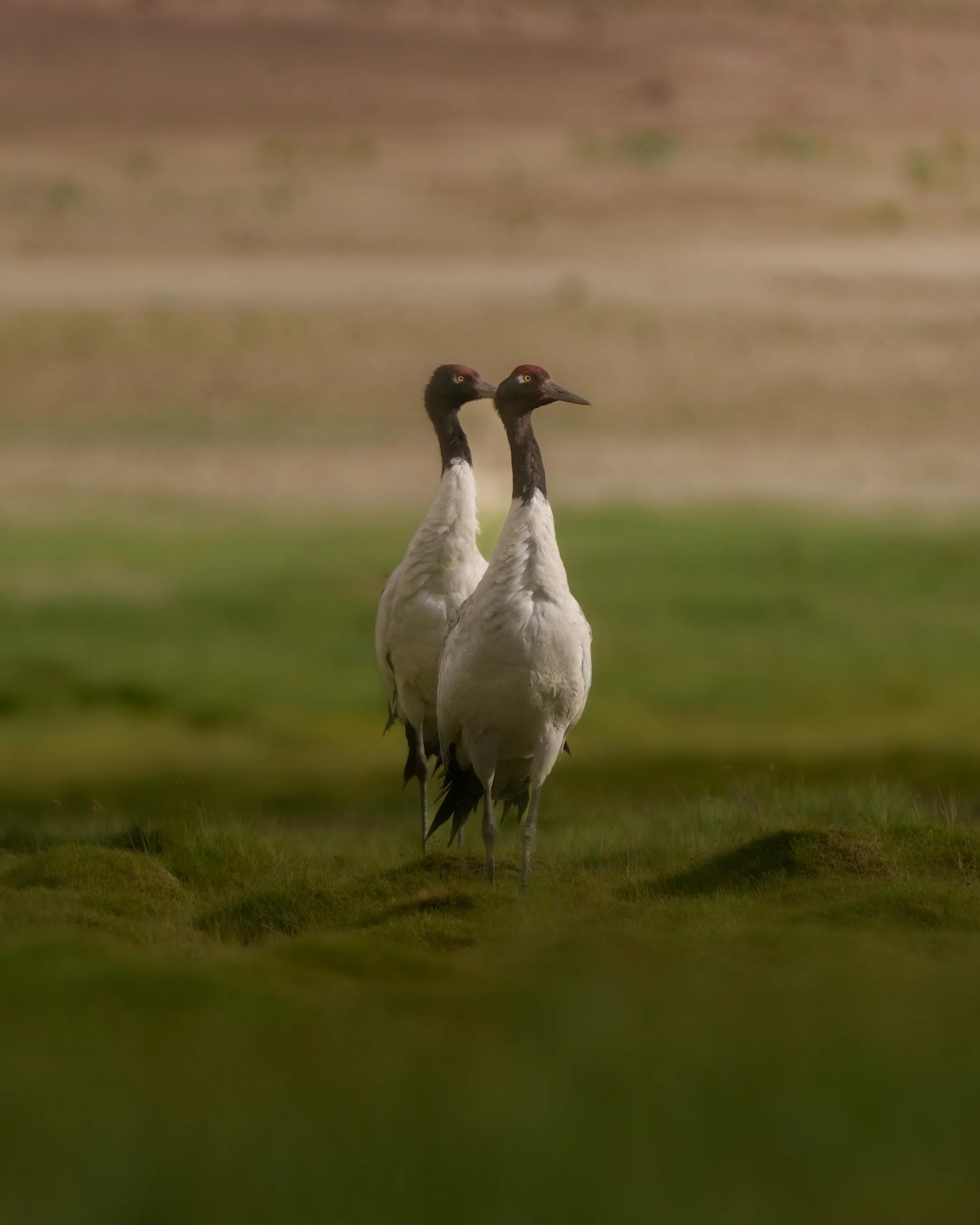
The Black-necked Crane is one of the rarest and most sacred birds of the Tibetan Plateau. In India, it breeds mainly in the wetlands of Changthang, Ladakh. These elegant cranes are considered symbols of peace and ecological balance, and their successful breeding in Ladakh highlights the importance of conserving high-altitude wetlands. Spotting them is considered one of the most special wildlife experiences the entire Himalayan region has to offer.
Which bird is known for the highest migration over the Himalayas?
The Bar-headed Goose is famous for being one of the highest flying birds in the world. During migration, it crosses the Himalayas at altitudes exceeding 7,000 metres, surviving in extremely low oxygen conditions that would incapacitate most other animals. Ladakh's lakes serve as crucial breeding and resting grounds for these remarkable birds, making the region an essential stop on one of the most extraordinary migratory journeys on Earth.
What is the best season for birding in Ladakh?
The best season for birding in Ladakh is from May to September. During this period, migratory birds arrive for breeding, wetlands remain unfrozen, and alpine valleys become biologically active with insects, plants, and prey. Early mornings and evenings are considered the most productive hours for bird photography and observation, when the light is soft and birds are most active.
Conservation & Responsible Birding
Why is bird conservation important in Ladakh?
Bird conservation in Ladakh is vital because the region's fragile ecosystem is highly sensitive to climate change, tourism pressure, habitat loss, and human disturbance. Protecting wetlands, alpine meadows, and river systems helps preserve breeding grounds for endangered and migratory species that depend on Ladakh's unique environment. As the climate warms, many high-altitude habitats are shrinking, making the protection of existing sanctuaries more urgent than ever.
At Elite Expedition India, 20% of our annual profits fund habitat monitoring, community education around bird-nesting zones, and support for local conservation rangers — ensuring that Ladakh's skies remain rich with life for generations to come.
Written by Arhaan a Professional Birding and Wildlife Guide
For more than 15 years, Elite Expedition India has been leading birding expeditions across the extraordinary landscapes of Ladakh. Every detail in this guide is based on real field experience, thousands of hours of observation, and a deep passion for Ladakh's extraordinary avian life.
Responsible • Ethical • Passionate • High Sighting Rate
Ready to witness rare birds in the wild?
Expert-led birding expeditions — small groups, high sighting rates, full conservation accountability.
Travel with purpose into some of the world’s last wild places, where nature remains raw and untamed. Every expedition is thoughtfully designed to respect wildlife, support local communities, and contribute to conservation—ensuring your journey leaves a positive footprint long after the adventure ends.