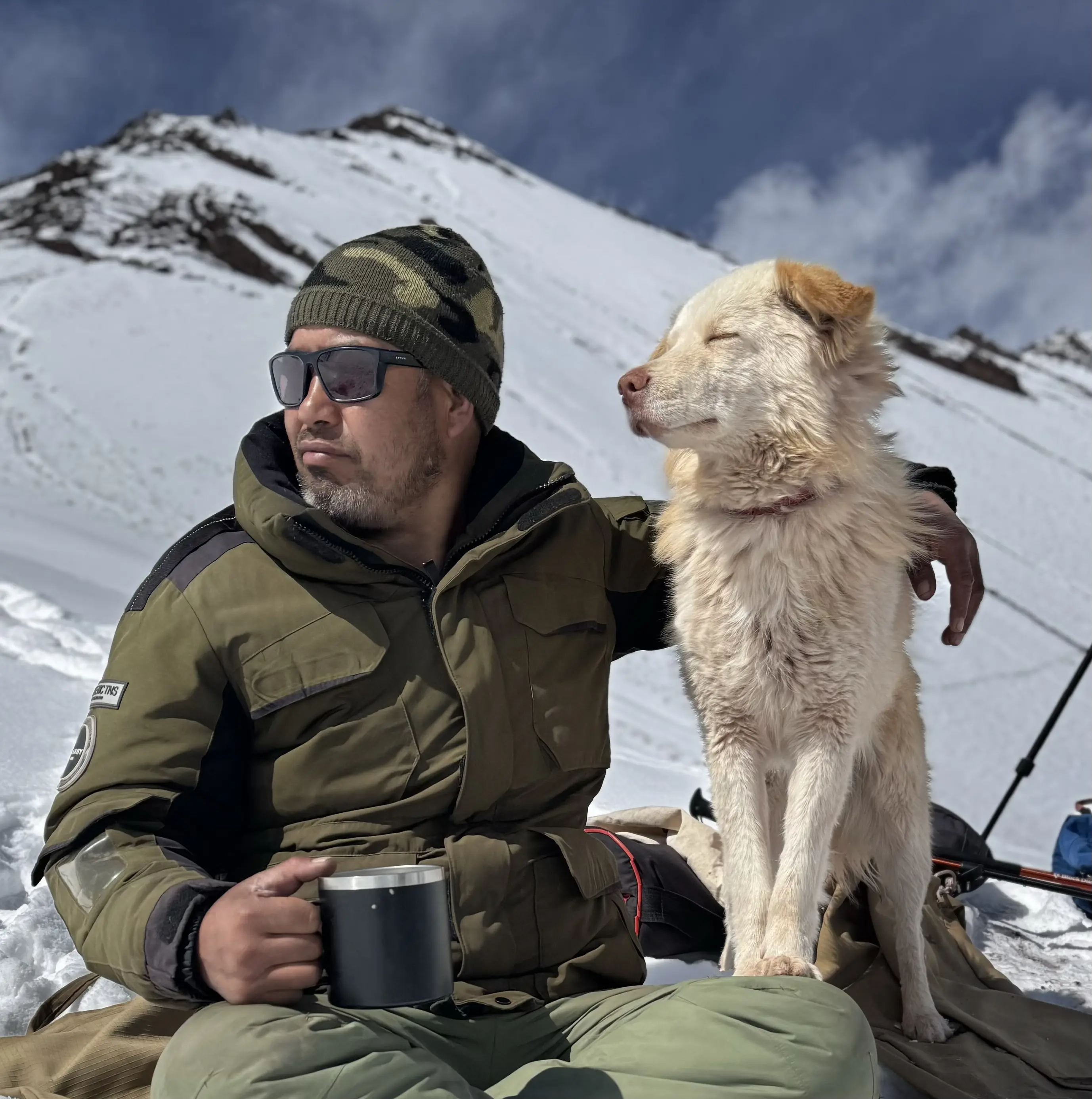
Stay with the People Who Share the Snow Leopard's Home
There are many ways to search for the elusive snow leopard in Ladakh, but few are as meaningful as staying with a local family inside the heart of its habitat.
At Elite Expedition India, we strongly believe that a snow leopard expedition should be more than simply finding a rare animal. It should also be about understanding the landscape, meeting the people who live alongside wildlife, experiencing their traditional way of life and most importantly, making sure that tourism benefits the communities who share their home with the snow leopard.
This is why we highly recommend our homestay-based Snow Leopard Expedition in Hemis National Park.
For photographers, wildlife enthusiasts and travellers who want a genuine Himalayan experience, a homestay offers something that a luxury wildlife lodge simply cannot provide: the opportunity to live inside the local community and become part of the landscape for a few days.
And when it comes to the snow leopard itself, there is an important point to understand:
A luxury lodge does not put you closer to the snow leopard.
The snow leopard lives in the mountains—not inside a lodge.
Wherever you stay, when a snow leopard is located, everyone has to travel into the same landscape to reach the sighting area. The animal does not choose its location according to where guests are staying.
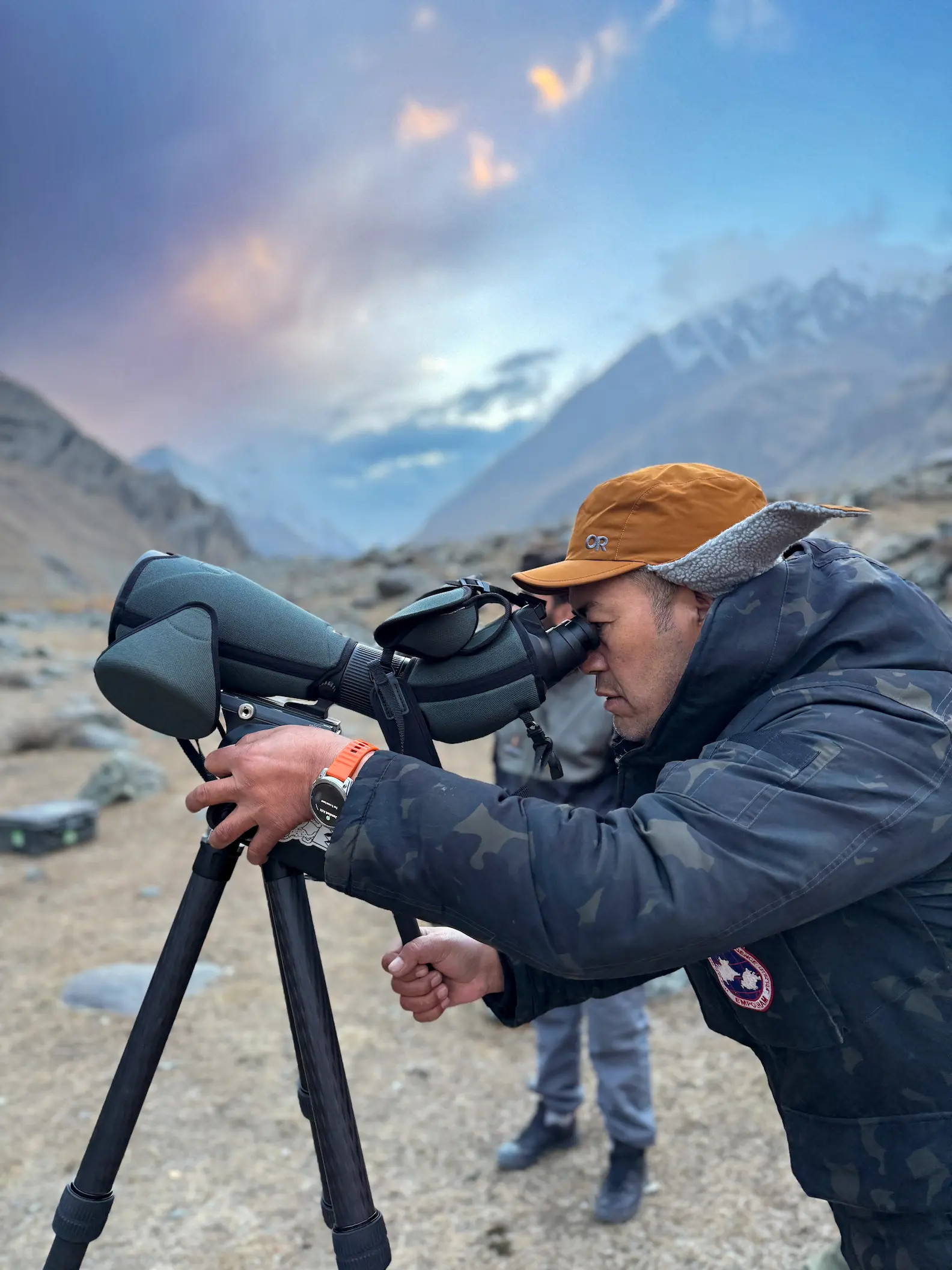
The real difference in a successful expedition comes from experienced local spotters, knowledgeable guides, understanding of the terrain, patience, field strategy, responsible wildlife practices and the ability to read the behaviour of the animal and its prey.
That is where the expertise of your expedition team matters most.
Why a Homestay Is the Better Choice for a Snow Leopard Expedition
1. Your Stay Directly Supports Local Families
Hemis National Park is not an empty wilderness. It is also the home of traditional Ladakhi communities who have lived in these high mountains for generations.
Families living in villages such as Rumbak have historically depended on livestock and agriculture in an extremely challenging environment. Living alongside predators such as the snow leopard can sometimes result in the loss of valuable livestock.
Community-based tourism provides another source of income.
When visitors choose a local homestay, money goes directly into the village economy. The family providing accommodation benefits from the guest's stay, while other local people can also benefit through guiding, porterage, transportation, food supplies and other tourism-related services.
This creates an important connection:
The snow leopard becomes an economic asset to the community rather than simply being seen as a threat to livestock.
Research and conservation organisations working in Ladakh have documented how homestay tourism can increase local people's stake in wildlife conservation and help reduce human–wildlife conflict. Some established homestay programmes have also directed a portion of income towards village conservation funds used for activities such as environmental clean-up, tree planting, maintenance of cultural sites and habitat-related initiatives.
By choosing a homestay, you are therefore not simply booking a bed.
You are helping create an economic reason for local communities to protect the wildlife living around them.
2. Tourism Can Help Create a Future for Snow Leopards
Conservation becomes stronger when local communities benefit from protecting wildlife.
This is particularly important in remote Himalayan regions where opportunities to earn a livelihood can be limited.
The snow leopard is an extraordinary animal, but for a family living at 4,000 metres or more, conservation must also make practical sense.
When a visitor comes to the village because of the snow leopard, spends several nights with a local family, eats local food and employs local guides and support staff, the value of the animal becomes visible to the community.
The equation becomes simple:
Healthy wildlife → visitors → local income → stronger community support for conservation.
This is one of the most powerful aspects of responsible wildlife tourism.
A well-managed homestay-based expedition can therefore become part of a larger conservation story—one where visitors, local communities and wildlife all benefit.
3. You Become a Guest, Not Just a Tourist
One of the greatest advantages of a homestay is the human connection.
Instead of returning to a conventional hotel room after a day in the mountains, you return to a Ladakhi family home.
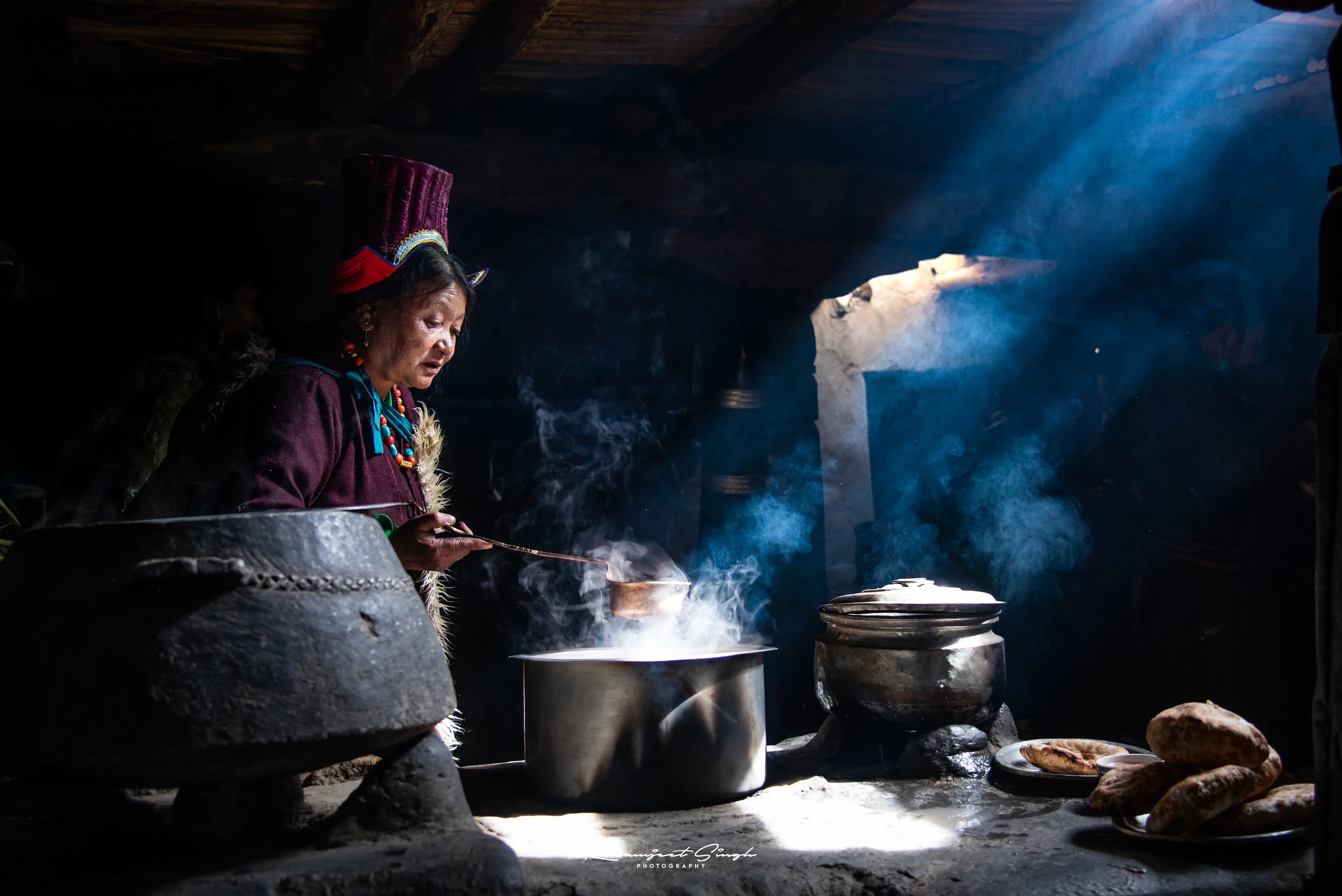
You can sit around the traditional heating stove, enjoy a cup of hot tea, talk with your hosts and learn about life in one of the world's most remote inhabited mountain environments.
You may learn how families survive the long winter, how livestock is managed, what crops are grown during the short summer, how people prepare traditional food and how generations of Ladakhis have adapted to life at high altitude.
For people photographers and environmental photographers, this is particularly valuable.
You are not simply photographing a landscape.
You are experiencing the human landscape of the Himalaya.
The established Himalayan Homestay model in Ladakh was specifically developed around sharing traditional village life, food and culture with visitors while generating income for local communities.
4. Comfortable Accommodation—Without Losing the Authentic Experience
Some photographers hesitate when they hear the word homestay because they imagine a very basic village room with limited facilities.
That is no longer necessarily the case.
The home-stays we use for our snow leopard expeditions have evolved considerably.
Our selected homes provide a warm, clean and comfortable environment, allowing you to rest properly after long hours in the field.
Depending on the particular homestay, facilities can include:
- Comfortable private or dedicated guest rooms
- Warm bedding and blankets
- Heating to keep you comfortable during the cold winter
- Attached bathroom and toilet
- Hot water facilities
- Clean and hygienic surroundings
- Comfortable dining areas
- Freshly prepared meals
- Tea and hot beverages
- Traditional Ladakhi food
- Western or Indian food where required
- A warm and welcoming family atmosphere
The idea is not to recreate a five-star hotel in the middle of the mountains.
The idea is to provide the comfort you genuinely need while preserving the character of a traditional Ladakhi home.
Modern homestay initiatives in Ladakh are also increasingly focused on improving quality, readiness and sustainability, with the UT Ladakh Tourism Department launching a Holistic Homestay Support Framework in 2026.

5. Excellent Food After a Long Day in the Mountains
Food is another important part of the homestay experience.
After spending several hours outside in freezing temperatures waiting patiently for a snow leopard, there is nothing better than returning to a warm home and enjoying a freshly cooked meal.
Homestay meals are generally prepared by the family and can include traditional Ladakhi dishes as well as familiar Indian and other dishes depending on the requirements of our guests.
You may experience local favourites such as:
- Thukpa
- Momos
- Khambir
- Rice and vegetables
- Dal and traditional Ladakhi preparations
- Freshly prepared soups
- Local breads
- Tea and hot beverages
The food is simple, fresh, nourishing and perfectly suited to the environment.
And there is something special about eating a meal prepared by a local family in their own home rather than eating in a large commercial dining room.
6. The Snow Leopard Does Not Care Where You Sleep
This is perhaps the most important point for wildlife photographers to understand. A luxury lodge may offer beautiful architecture, larger rooms, elaborate dining facilities and additional comforts. But none of these facilities changes where the snow leopard is going to be. The animal moves through its natural territory according to the availability of prey, weather, season, shelter and its own behaviour.
When a snow leopard is located several kilometres away, all serious wildlife photographers must leave their accommodation and go into the field.
Whether you slept in a luxury lodge or a local homestay, you are still going to be standing on the same mountain slope, looking through the same telescope or camera lens and waiting for the same animal.
Therefore, for a dedicated wildlife photographer, it is worth asking:
Would you rather spend your money on a more luxurious room—or put more value into the people, guides, spotters and local community who make the wildlife experience possible?
For us, the answer is clear.
7. Your Real Luxury Is Time in the Snow Leopard Habitat
A snow leopard expedition is not a conventional safari. There are no roads where you simply drive around looking for animals. The landscape is rugged, steep and vast.
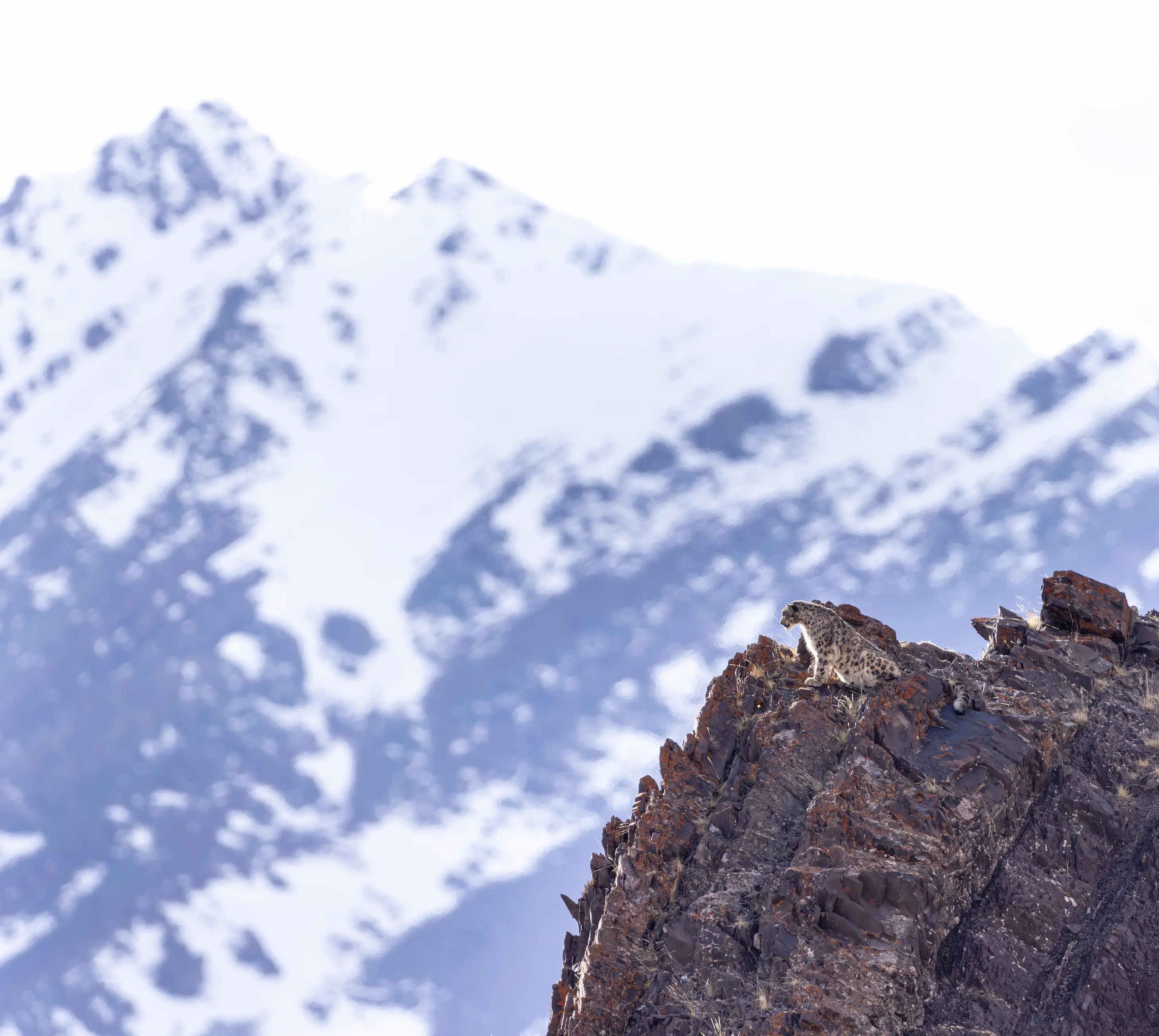
You may spend hours watching a mountainside through a spotting scope. You may walk across frozen terrain. You may wait in the cold. You may photograph Himalayan ibex, blue sheep, red-billed choughs, golden eagles or other wildlife while searching for the main prize.
And then, suddenly, someone whispers:
"Snow leopard."
The entire atmosphere changes.
Your guide and spotter point towards a distant mountainside.
You raise your camera.
And somewhere among the rocks, a perfectly camouflaged snow leopard appears.
That moment is the real luxury.
No five-star room can create it.
8. The Homestay Makes the Expedition More Authentic
A snow leopard expedition should not be limited to wildlife.
Hemis National Park offers an extraordinary combination of:
Wildlife + Landscape + Culture + People + Conservation
During your stay, you have the opportunity to experience all of these elements.
You wake up in a traditional Ladakhi village surrounded by mountains.
You walk out into the cold morning air.
You see prayer flags moving in the wind.
You hear the sounds of village life.
You meet people whose families have lived here for generations.
You photograph traditional homes, agricultural landscapes and local people.
Then you spend the day looking for one of the world's most elusive big cats.
At the end of the day, you return to the same village.
This creates a much deeper connection with Ladakh.
9. A Special Experience for Photographers
For professional and serious amateur photographers, homestays can actually add considerably to the photographic possibilities.
The obvious goal is, of course, the snow leopard.
But your camera can continue working even when the snow leopard disappears.
You can photograph:
People
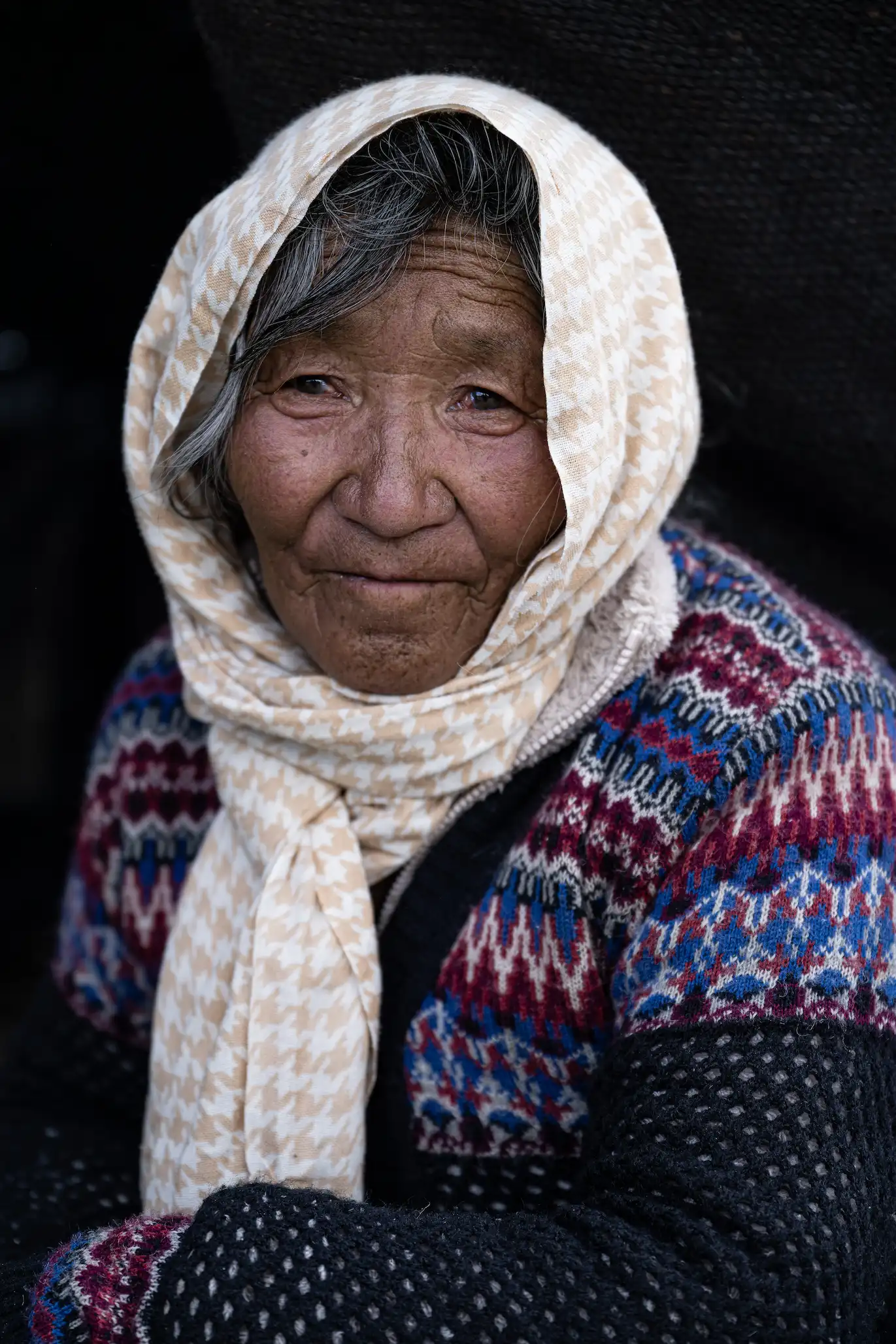
Portraits of local villagers, shepherds, farmers and families.
Environmental Portraits
People photographed within their homes, fields and dramatic mountain environment.
Culture
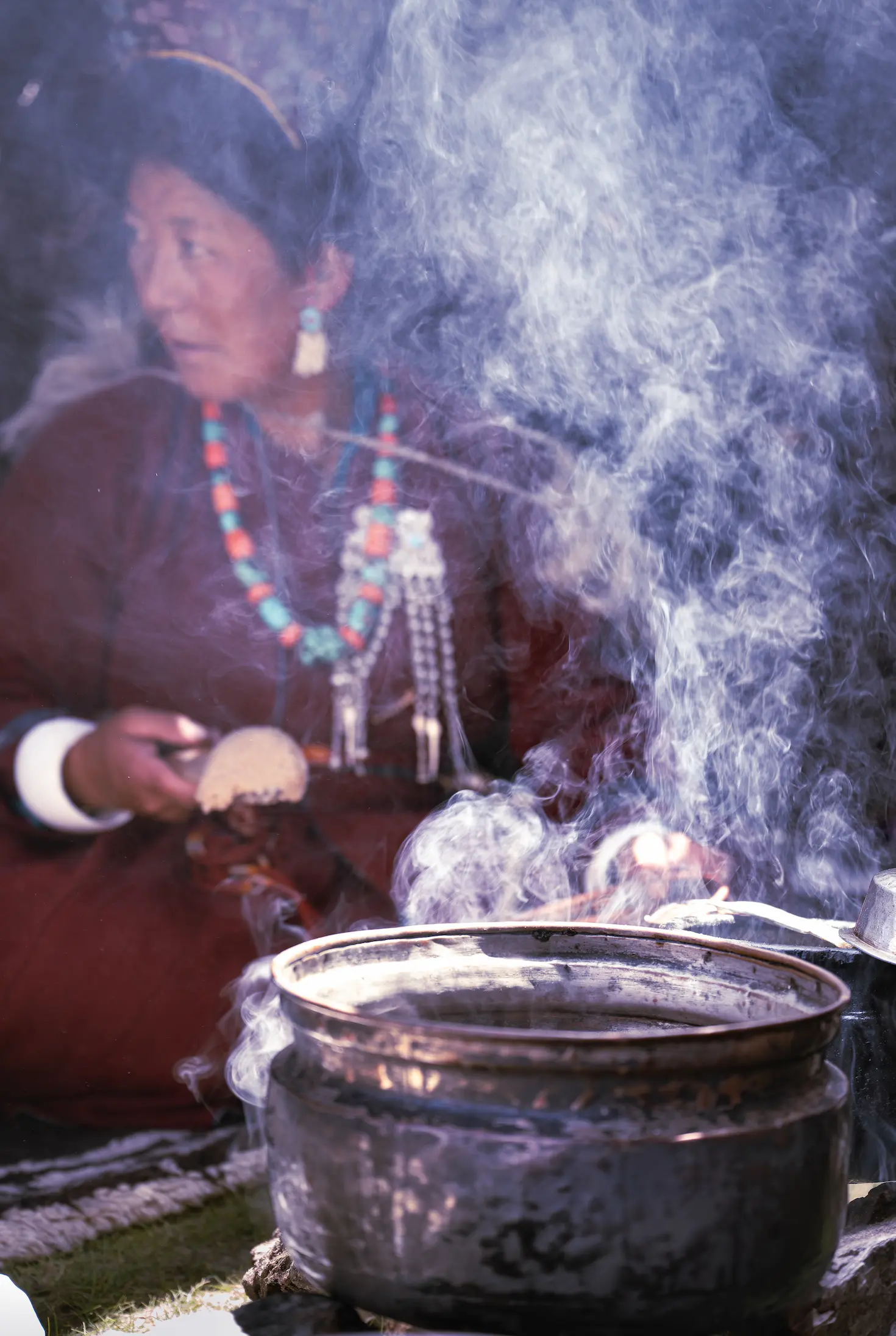
Traditional clothing, household objects, cooking, religious traditions and village life.
Architecture
Traditional Ladakhi houses, stone walls, prayer flags, stupas and village landscapes.
Wildlife
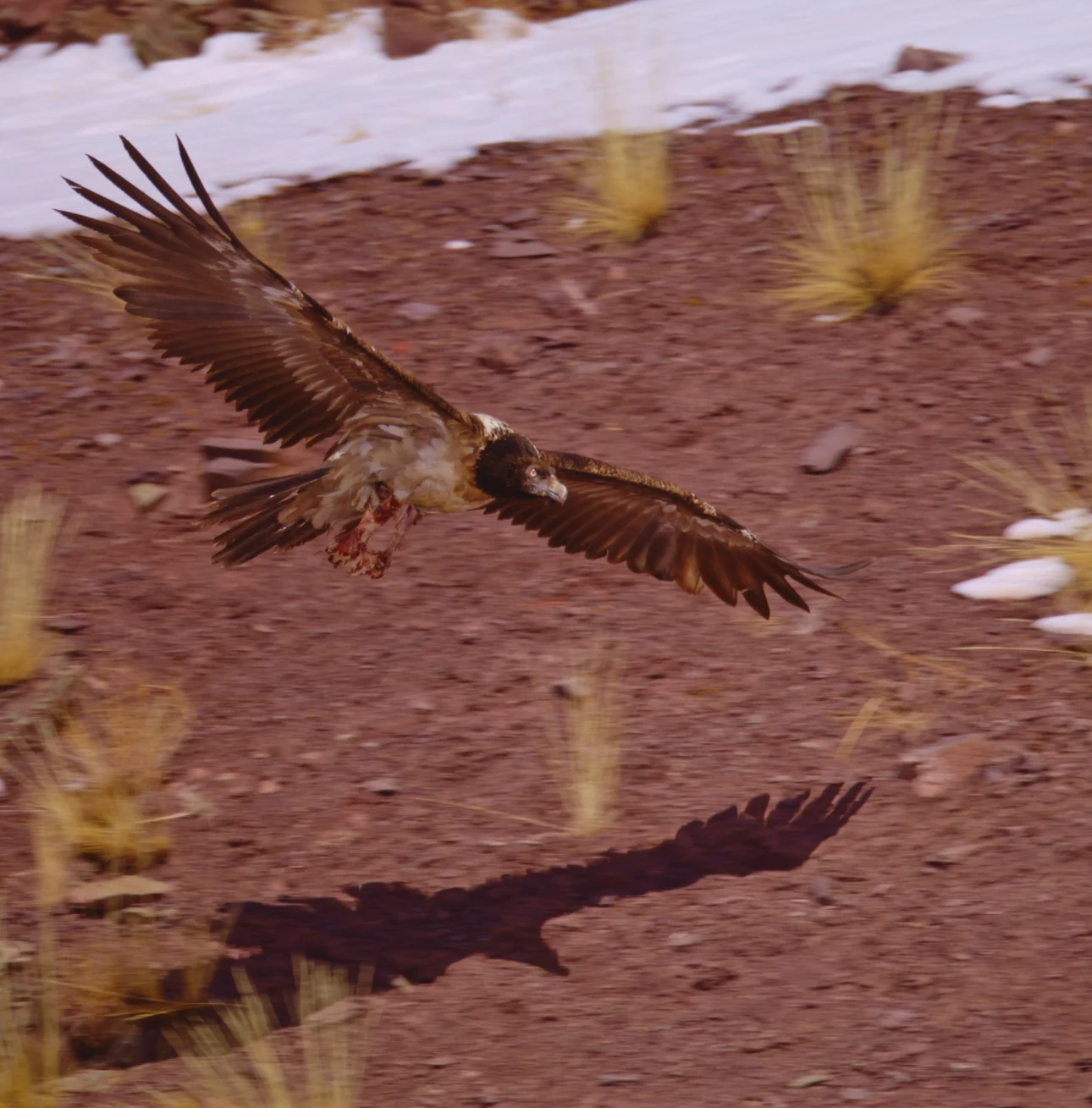
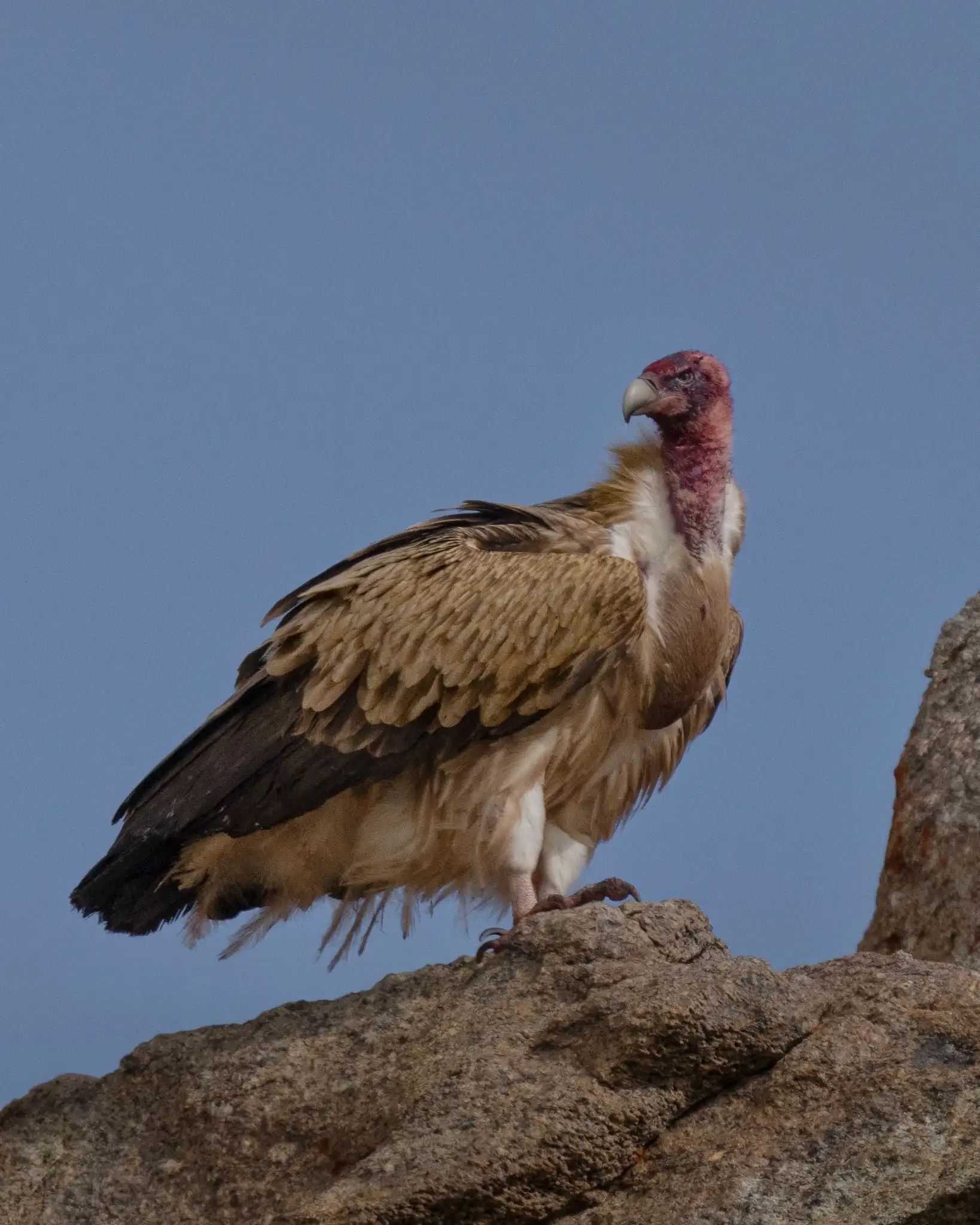
Snow leopard, Himalayan ibex, blue sheep, red fox, Tibetan wolf and high-altitude birds may all provide additional photographic opportunities depending on the season and location.
Landscapes
Snow-covered mountains, frozen streams, dramatic valleys, changing winter light and vast Himalayan panoramas. For a photographer, the homestay can therefore become a second photographic story within the snow leopard expedition itself.
10. A More Responsible Form of Wildlife Tourism
Responsible wildlife tourism should leave something positive behind.
If a visitor comes to a remote Himalayan village, stays in a locally owned home, eats locally prepared food and employs local people, a significant part of the tourism value remains within the community.
That is very different from a model where visitors simply pass through a village while most of their expenditure leaves the area.
Community-based tourism programmes in Ladakh were developed precisely to increase the participation and economic benefits of local households, while connecting tourism with conservation.
For us, this is an important part of responsible travel.

Homestay vs. Luxury Wildlife Lodge
|
Homestay Experience |
Luxury Wildlife Lodge |
|
Stay with a local family |
Stay in a commercial property |
|
Direct connection with the community |
More conventional hospitality |
|
Local food and home cooking |
Hotel/lodge-style dining |
|
Authentic Ladakhi atmosphere |
Luxury wilderness atmosphere |
|
Supports local household income |
Primarily supports the lodge operation |
|
Strong cultural interaction |
Limited community interaction |
|
Comfortable rooms and essential facilities |
Higher-end facilities |
|
Warm, personal hospitality |
Professional hospitality |
|
Same snow leopard habitat |
Same snow leopard habitat |
|
Same mountains and wildlife |
Same mountains and wildlife |
|
Field sightings depend on guides, spotters and animal movement |
Field sightings depend on guides, spotters and animal movement |
The choice ultimately depends on what kind of traveller you are. If your priority is a luxury hotel experience, a luxury lodge may be appropriate. But if your priority is wildlife, photography, conservation and authentic cultural experience, we believe the homestay is the more rewarding choice.


The Most Important Investment Is Not Your Room
When choosing a snow leopard expedition, we encourage guests to look beyond the accommodation.
Ask about:
- Who are the local guides?
- Who are the snow leopard spotters?
- How well do they know the terrain?
- How is wildlife approached?
- How is the expedition managed?
- How much time is actually spent in the field?
- How does the trip benefit local communities?
- Does the operator understand photography requirements?
- Is the expedition designed around wildlife rather than luxury accommodation?
These factors can have a far greater impact on your experience than the number of stars attached to your accommodation.
Why Choose a Homestay-Based Snow Leopard Expedition with Elite Expedition India?
At Elite Expedition India, our approach is simple:
We want you to experience the snow leopard, but we also want you to experience Ladakh.
Our homestay-based expeditions are designed for travellers who want to spend meaningful time in the snow leopard's natural environment while staying close to the local community.
We work with experienced local guides and spotters who understand the terrain, animal movements and changing conditions of the mountains.
For photographers, we understand that the expedition is not only about seeing the animal. It is about having the time, patience and field support necessary to make the most of every photographic opportunity.
And while the snow leopard remains the central focus, we want you to return home with much more:
photographs of the animal, photographs of the mountains, photographs of Ladakhi people, memories of village life and the satisfaction of knowing that your journey contributed to the local community.
Choose Conservation Over Luxury
A snow leopard expedition is a rare opportunity. You are travelling to one of the most remote and beautiful wildlife habitats on Earth to search for one of the planet's most elusive big cats. You can make that journey simply about getting a photograph. Or you can make it about something bigger.
By choosing a homestay, you become part of a model where wildlife tourism can support local livelihoods and conservation.
You sleep in a local home.
You eat local food.
You meet local people.
You employ local guides.
You experience the culture.
You explore the mountains.
And you search for the snow leopard in the same wild habitat that every expedition must ultimately reach.
The room may be simpler than a luxury lodge.
But the experience is richer.
The hospitality is warmer.
The connection is deeper.
And the contribution to the community is more meaningful.
Choose a homestay-based Snow Leopard Expedition with Elite Expedition India and experience Ladakh not as a visitor passing through, but as a guest of the mountains.
Come for the snow leopard. Stay for the people. Leave with a deeper understanding of conservation.
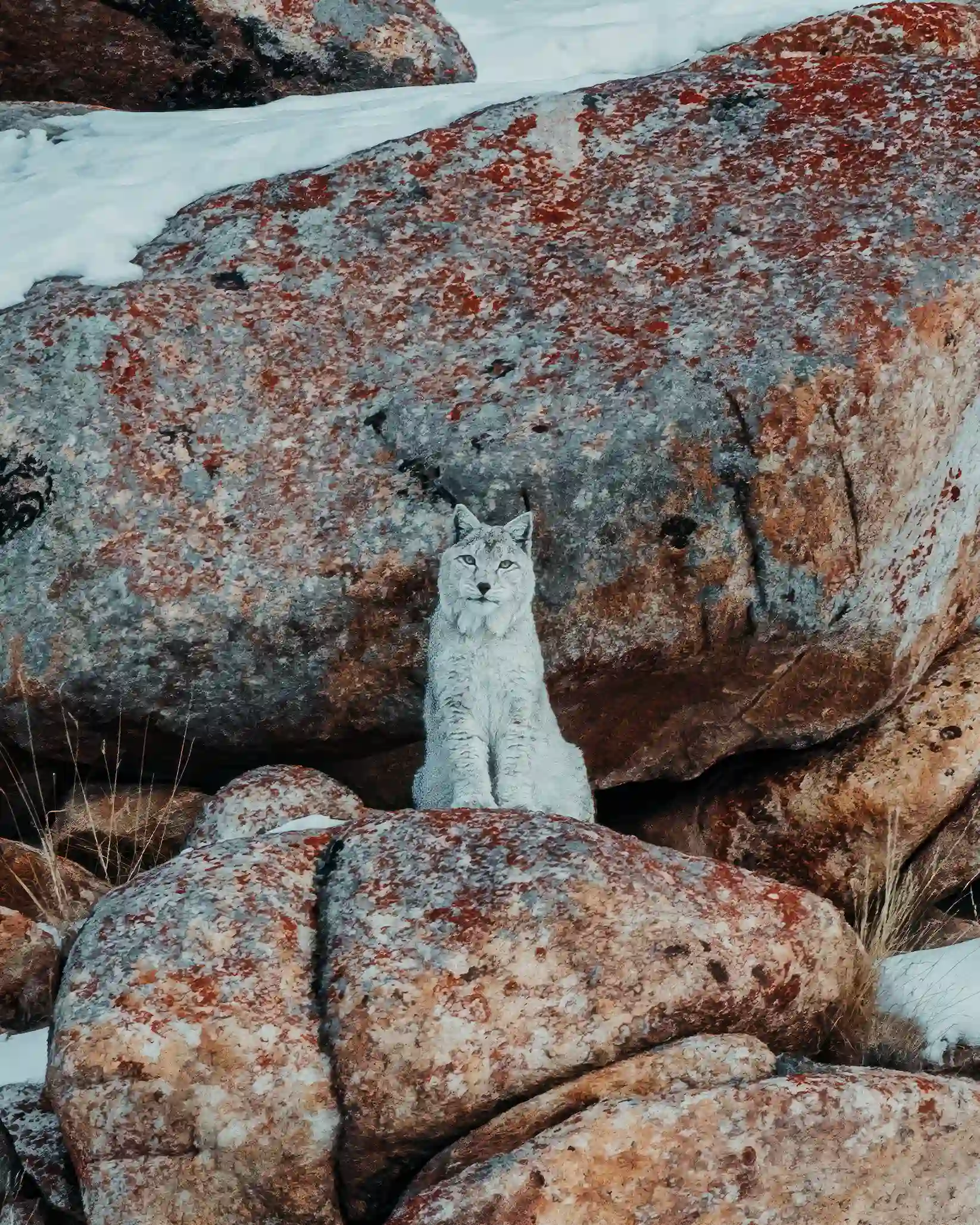

Your Snow Leopard Journey Can Help Protect the Place You Came to Photograph.
Join Elite Expedition India's Homestay-Based Snow Leopard Expedition in Hemis National Park.