Why Protecting Our Mountain Wildlife Matters More Than Ever
Ladakh is one of the last great wilderness regions of the Himalaya. With its vast mountains, deep valleys, high-altitude deserts and untouched landscapes, it is home to some of the world's rarest and most beautiful wildlife. The Snow Leopard, Pallas's Cat, Eurasian Lynx, Himalayan Wolf, Himalayan Brown Bear, Tibetan Wild Ass (Kiang), Blue Sheep, Himalayan Ibex, Tibetan Argali, Red Fox and many species of birds have survived here for thousands of years in one of the harshest climates on Earth.
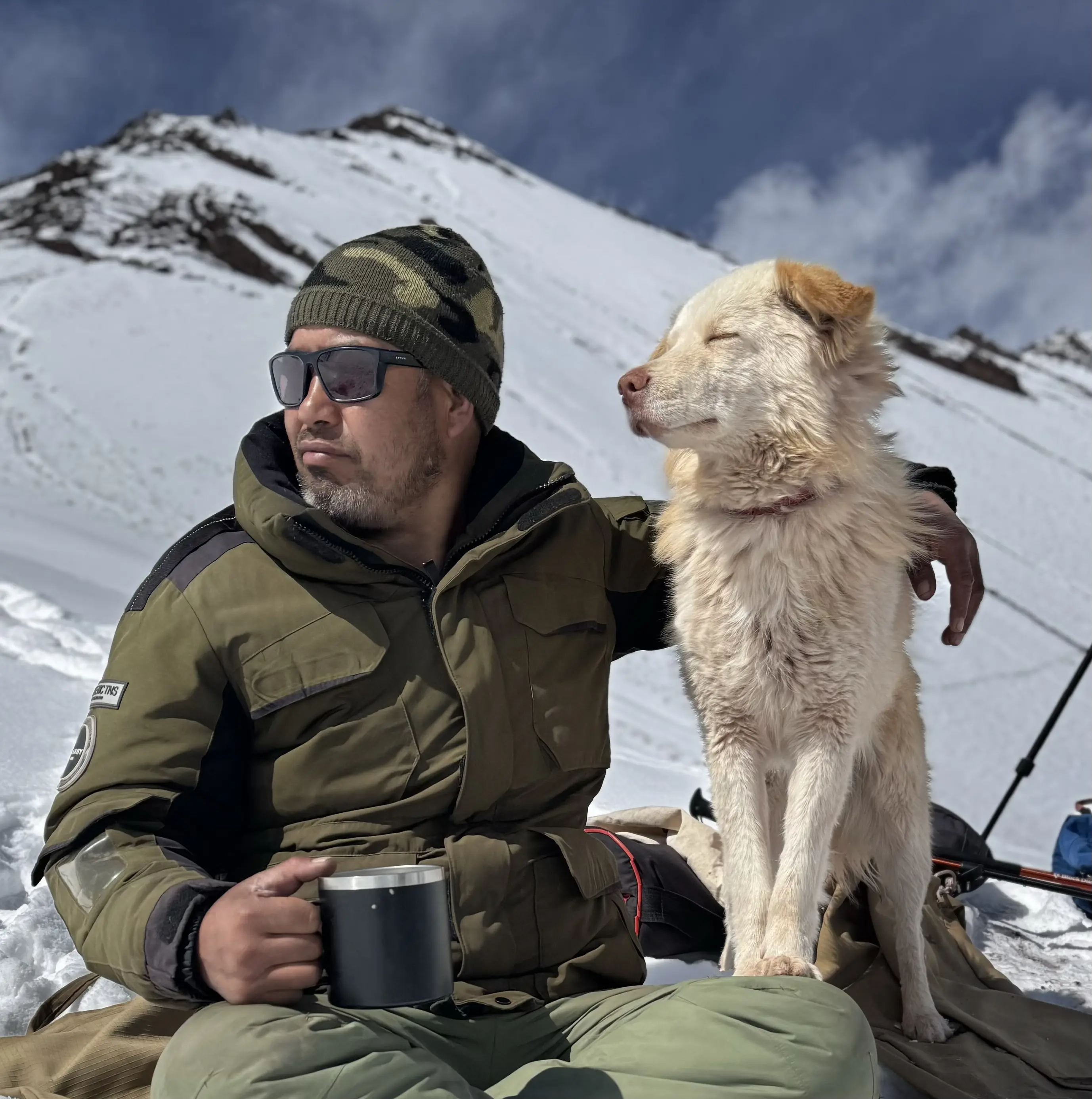
I was born and raised in Ladakh and for more than twenty years I have been guiding wildlife enthusiasts and photographers across these mountains. Every winter I spend months tracking Snow Leopards in Hemis National Park as well as other prime wildlife habitat and every summer I travel through Changthang, Nubra Valley, Zanskar, Mushkow Valley and many other remote areas searching for the wildlife that makes Ladakh so special.
Over these two decades, I have seen many encouraging changes. Local communities have become more involved in conservation, awareness has increased and responsible wildlife tourism has created new opportunities for people living in remote villages. However, I have also witnessed changes that deeply concern me. Many threats are growing every year and if we do not act now, the future of some of these incredible animals could be at risk.
A Delicate Mountain Ecosystem
Life in the Himalaya is never easy. Every animal must survive freezing winters, heavy snowfall, thin air and limited food. Nature has created a delicate balance where every species depends on another.
Blue Sheep and Himalayan Ibex provide food for Snow Leopards. Marmots and Pikas are important prey for Pallas's Cats and foxes. Healthy grasslands support herbivores, while clean rivers and wetlands provide water for all wildlife.
When one part of this balance is disturbed, the effects spread across the entire ecosystem.
Today this balance is under increasing pressure.
1. The Rapid Increase of Stray Dogs
Perhaps the biggest threat I have seen over the past twenty years is the rapid increase in stray dogs.
Years ago, stray dogs stayed mostly around villages and army camps. Today, they are found far from human settlements, even in remote valleys where only wild animals once lived.
Many of these dogs form packs. Working together, they chase wildlife over long distances until the animals become exhausted. Every year, they kill young Blue Sheep, Himalayan Ibex, Marmots, Pikas, hares and many ground-nesting birds.
Young Himalayan Brown Bears are also vulnerable if they become separated from their mothers. Pallas's Cats, which are naturally shy and small, are particularly at risk. Stray dogs can destroy dens, kill kittens or force these rare cats to abandon areas they have used for generations.
Even Snow Leopards and Eurasian Lynx are disturbed by packs of aggressive dogs, especially around villages where natural habitats overlap with human settlements.
Unlike wild predators, stray dogs depend largely on human waste for survival. Open garbage dumps, food left around tourist camps and poor waste management allow their numbers to grow quickly.
For a deeper understanding of this growing crisis and its impact on Ladakh’s fragile ecosystem, you can read our detailed article on Stray Dogs and Wildlife Conflict in Ladakh.
This problem cannot be ignored any longer.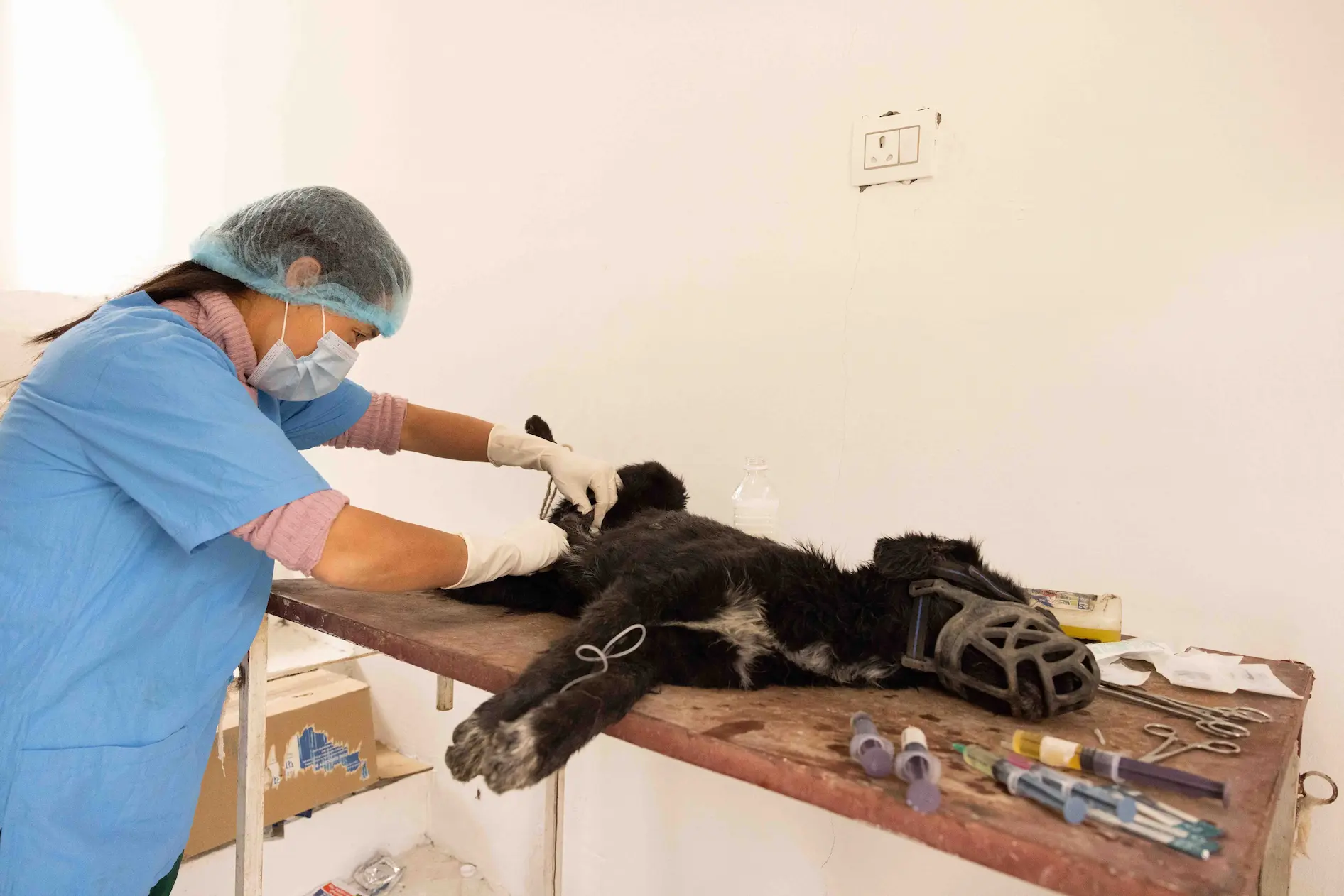
2. Habitat Loss and Expanding Human Activities
Roads, hotels, construction projects, mining, power lines and increasing traffic are reaching places that were once isolated.
Development is important for local communities, but it must be carefully planned.
Many animals require large, peaceful territories. Constant human activity causes stress, especially during breeding seasons. Female Himalayan Brown Bears need quiet valleys to raise their cubs. Snow Leopards prefer undisturbed cliffs where they can hunt naturally.
When habitats become fragmented, wildlife is forced into smaller areas, increasing competition for food and bringing animals closer to villages.
3. Climate Change Is Already Visible
Climate change is no longer something we talk about only in books.
Those of us who spend months in the mountains every year can clearly see the difference.
Winters are becoming shorter. Snowfall arrives later and often melts earlier. Some glaciers are shrinking. Streams that once flowed throughout the summer now dry up much earlier.
These changes affect plants first, then herbivores and finally predators.
Blue Sheep and Ibex depend on healthy alpine vegetation. Marmots rely on predictable seasons before entering hibernation. When food becomes scarce, predators must travel longer distances to find prey.
Climate change is changing the rhythm of life in Ladakh.
4. Human-Wildlife Conflict
Livestock farming remains an important source of income for many families in Ladakh.
Sometimes Snow Leopards, wolves or Brown Bears kill sheep, goats, or yaks. While this creates understandable frustration, retaliatory killing of predators harms conservation efforts.
Fortunately, many villages now use predator-proof corrals and Elite Expedition India also helped them building predator proof corrals with collaboration with Wild Himalaya Trust, livestock insurance and compensation programmes from Wildlife Department of Ladakh. These initiatives have reduced conflict significantly but more villages still need support.
Protecting wildlife should never come at the cost of local livelihoods. Conservation succeeds only when communities benefit alongside wildlife.
5. Uncontrolled Tourism
Tourism has brought jobs, income and global recognition to Ladakh. Wildlife tourism has also helped many local families earn a living while protecting nature.
However not all tourism is responsible.
Some visitors drive off-road across fragile grasslands, damaging vegetation that takes years to recover. Others approach wildlife too closely, hoping for better photographs.
Drones are sometimes flown over nesting birds or resting Snow Leopards, causing unnecessary disturbance. Plastic bottles, snack wrappers and food waste are occasionally left behind in remote valleys.
As wildlife guides, we have a responsibility to educate visitors.
A great wildlife photograph should never come at the expense of the animal's wellbeing.
6. Declining Natural Prey
Every predator depends on healthy prey populations.
Snow Leopards mainly hunt Blue Sheep and Himalayan Ibex.
Pallas's Cats feed on Pikas, voles and small birds.
Brown Bears eat roots, berries, insects, Marmots and occasionally larger animals.
When prey numbers decline because of habitat degradation, stray dogs, disease or competition with domestic livestock, predators struggle to survive.
Protecting prey species is just as important as protecting predators themselves.
7. Pollution and Waste
Plastic pollution is increasing in many parts of Ladakh. Garbage attracts stray dogs, crows, ravens and other scavengers. Wildlife may also consume plastic or become dependent on food waste. Keeping mountain valleys clean is one of the simplest but most effective conservation actions. Every visitor should leave the mountains exactly as they found them.
Why the Pallas's Cat Needs Special Attention
Among all the wild cats of Ladakh, the Pallas's Cat is perhaps the least understood. Its excellent camouflage makes it extremely difficult to find. Even experienced wildlife guides may spend weeks searching before seeing one. Unfortunately, this beautiful cat faces many threats.
It depends heavily on healthy populations of Pikas and small rodents. When these animals decline, the Pallas's Cat also suffers.
Stray dogs, expanding settlements and habitat disturbance place additional pressure on this already rare species.
Because sightings are uncommon, many people do not realise how vulnerable it truly is.
The Himalayan Brown Bear Needs Peace
The Himalayan Brown Bear is one of the rarest bear populations in the world. Unlike many other bears, it survives in cold, high-altitude landscapes with a short growing season. Females produce very few cubs and cub survival is naturally low. Even small increases in disturbance can affect breeding success. Protecting large, peaceful habitats is essential if this magnificent bear is to survive.
What We Can Do Together
Protecting Ladakh's wildlife is not only the responsibility of the government or conservation organisations. Every resident, guide, visitor, photographer and traveller has a role to play.
We can all help by:
- Supporting humane stray dog sterilisation programmes and improving waste management.
- Protecting important wildlife habitats from unnecessary disturbance.
- Practising responsible wildlife tourism and always keeping a respectful distance from animals.
- Never feeding wild animals or stray dogs.
- Carrying back all plastic and waste from the mountains.
- Supporting local communities that actively protect wildlife.
- Encouraging young people in Ladakh to value conservation and natural heritage.
- Continuing scientific research and long-term wildlife monitoring.
- Promoting ethical wildlife photography that puts animal welfare before photographs.
Responsible Wildlife Tourism Can Make a Difference
At Elite Expedition India, we strongly believe that tourism should contribute to conservation rather than harm it.
For more than two decades, we have worked closely with experienced local trackers, village communities and wildlife experts to offer ethical wildlife tours across Ladakh.
Our approach is simple:
- Respect every animal.
- Never disturb wildlife for photographs.
- Support local communities.
- Leave no trace in nature.
- Educate every guest about responsible wildlife viewing.
When tourism is managed responsibly, it creates jobs, supports conservation and gives local people a reason to protect the wildlife that shares their mountains.
A Personal Reflection
Every winter, when I stand quietly on a snowy ridge watching a Snow Leopard walk across the cliffs or when I see a Pallas's Cat appear for just a few seconds before disappearing among the rocks, I am reminded how precious these moments are.
The same feeling comes when I watch a Himalayan Brown Bear searching for food in the valleys of Drass or a Lynx silently moving across the mountains of Nubra , Warila and Changthang.
These animals have survived countless winters over thousands of years. Today, their greatest challenge is not the harsh climate—it is the growing pressure created by human activities.
I still believe there is hope.
Ladakh has become an inspiring example of community-based conservation. Many local people understand that wildlife is part of our culture, our identity and our future. Visitors from around the world are also helping by choosing responsible wildlife tourism and supporting ethical local businesses.
If we continue to work together—with respect for nature, care for local communities and responsibility towards future generations—we can ensure that the Snow Leopard, Pallas's Cat, Eurasian Lynx and Himalayan Brown Bear will continue to roam the mountains of Ladakh for many years to come.
The Himalaya has protected these animals for thousands of years. Now it is our turn to protect them.
Visit our wildlife tour packages