Hidden behind the mighty Himalayas, Upper Mustang is one of the last places in the world where centuries-old Tibetan Buddhist traditions continue almost unchanged. Isolated from the outside world until 1992, this former Kingdom of Lo remains one of Asia's most authentic cultural destinations. Every summer, the remote walled city of Lo Manthang comes alive during the spectacular Yartung Horse Festival, offering photographers an extraordinary opportunity to capture colourful traditions, skilled horse riders, ancient monasteries and the unique lifestyle of the people of Mustang.
With new roads, increasing tourism, and modern development gradually reaching the region, the character of Upper Mustang is changing year by year. For photographers who dream of documenting authentic Himalayan culture, there has never been a better time to visit.
Elite Expedition India specialises in small, expert-led photography expeditions designed specifically for photographers who want access beyond the ordinary tourist experience.
What is the Yartung Horse Festival?
The Yartung Festival is the most important celebration in Upper Mustang after the harvest season. The festival marks the end of summer and celebrates prosperity, community and the region's rich equestrian traditions.
For three exciting days, the fields below Lo Manthang transform into a vibrant arena where local horsemen dressed in traditional Tibetan clothing compete in thrilling horse races. Riders perform impressive displays of horsemanship while families gather wearing their finest traditional attire.
Unlike many festivals that have become commercialised, Yartung still belongs to the local community. It is a celebration where visitors witness genuine traditions rather than performances staged for tourists.
For photographers, every hour of the festival presents fresh opportunities—from dramatic action photography to intimate portraits and colourful cultural scenes.
Why Upper Mustang is a Paradise for Photographers
Few places in the Himalayas offer such incredible photographic diversity within a relatively small area.
One moment you are photographing ancient monasteries perched on dramatic cliffs and the next you are capturing horse races against a backdrop of colourful desert mountains.
Photography opportunities include:
- The thrilling Yartung horse races with dust, speed and traditional riders.
- Beautiful portraits of local men, women and children wearing centuries-old traditional clothing.
- Elderly villagers whose weathered faces tell stories of generations living in the Himalayas.
- Buddhist monks during morning prayers and monastery ceremonies.
- Ancient monasteries decorated with prayer flags, murals and butter lamps.
- Remote villages where daily life continues much as it has for centuries.
- Traditional stone houses with rooftop activities and village life.
- Tibetan architecture and narrow alleyways inside Lo Manthang.
- Nomadic families living on the high plateau with yaks, sheep and goats.
- Himalayan landscapes featuring colourful cliffs, eroded canyons and vast open valleys.
- Sunrise and sunset light transforming the barren landscape into shades of gold, red and orange.
- Night photography under some of the darkest skies in Nepal.
Every day offers opportunities for landscape photography, documentary photography, travel photography, portrait photography, cultural storytelling and street photography.


Why Upper Mustang is So Different
Upper Mustang lies in the rain shadow of the Himalayas, making it completely different from the green valleys found elsewhere in Nepal.
The landscape resembles the high-altitude deserts of Ladakh and Western Tibet rather than the lush Himalayan forests most travellers associate with Nepal.
At elevations between 3,000 and 4,200 metres, visitors experience dramatic canyons, colourful rock formations, wind-carved cliffs, ancient cave dwellings and endless open landscapes.
The region follows Tibetan Buddhism, and its language, architecture, clothing, traditions and lifestyle have remained remarkably well preserved because of decades of isolation.
Many villages still depend on farming and livestock, while ancient customs continue to play an important role in everyday life.
Portrait Photography Like Nowhere Else
Upper Mustang is one of the finest portrait photography destinations in the Himalayas.
The people are incredibly photogenic, with colourful traditional dress, handmade jewellery and deeply expressive faces shaped by life at high altitude.
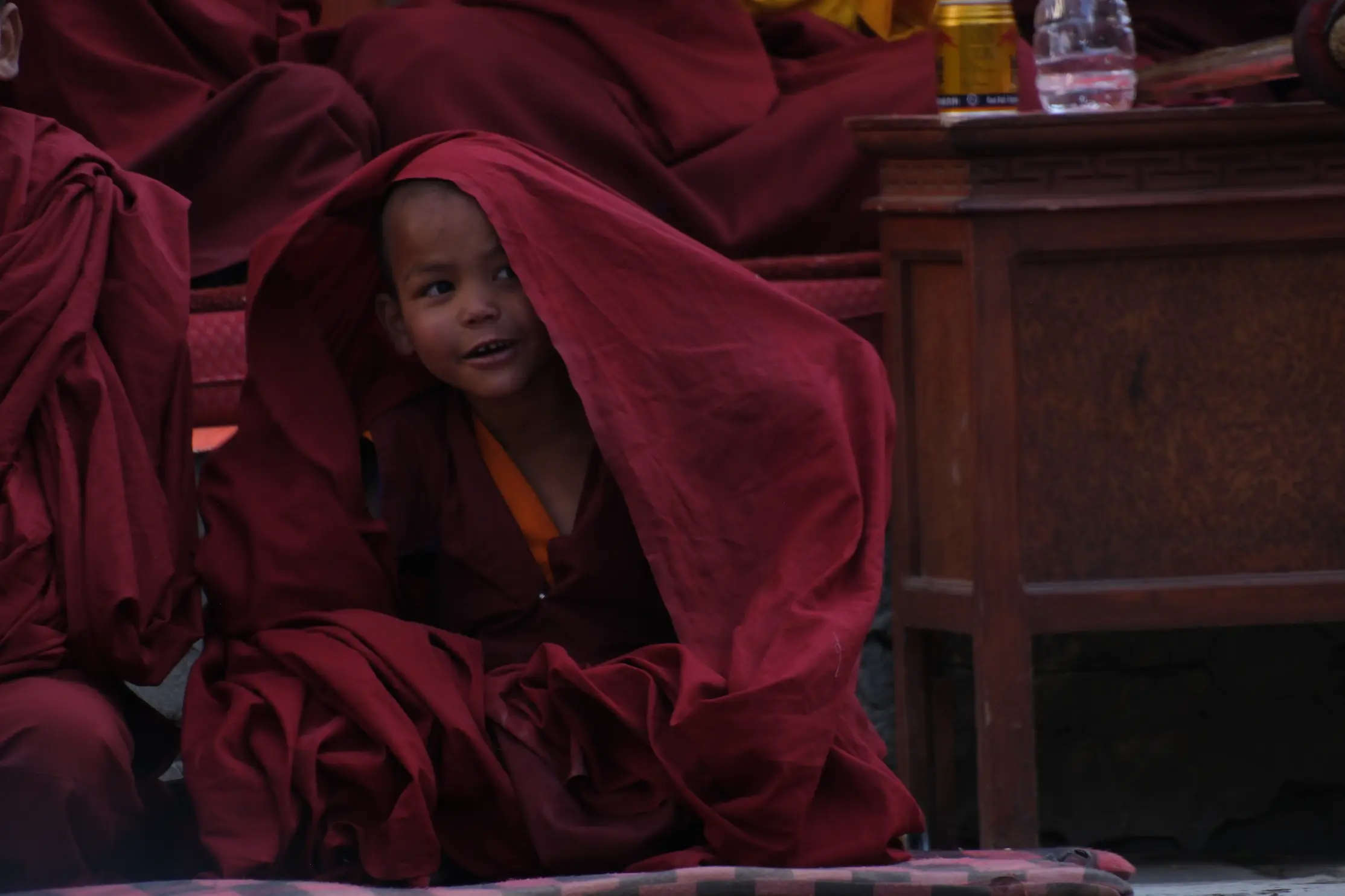
Children often wear traditional clothing during festivals, while elderly villagers happily share stories of their lives.
Because Elite Expedition India travels in small groups and spends time building relationships with local communities, photographers enjoy relaxed portrait sessions rather than hurried encounters.
Many of the best portraits happen naturally while sharing tea, visiting homes or simply spending time with local families.
Monasteries, Monks and Spiritual Photography
Upper Mustang is home to some of Nepal's oldest Tibetan Buddhist monasteries. These monasteries preserve ancient murals, scriptures, prayer halls and traditional ceremonies that have remained unchanged for centuries.
Photographers can capture:
- Morning prayers.
- Young monks studying Buddhist scriptures.
- Butter lamp ceremonies.
- Prayer wheels and chanting.
- Monastery architecture.
- Colourful festivals and rituals.
- Monastic life inside remote Himalayan communities.
Through our local connections, we arrange respectful visits that allow photographers to work quietly without disturbing religious activities.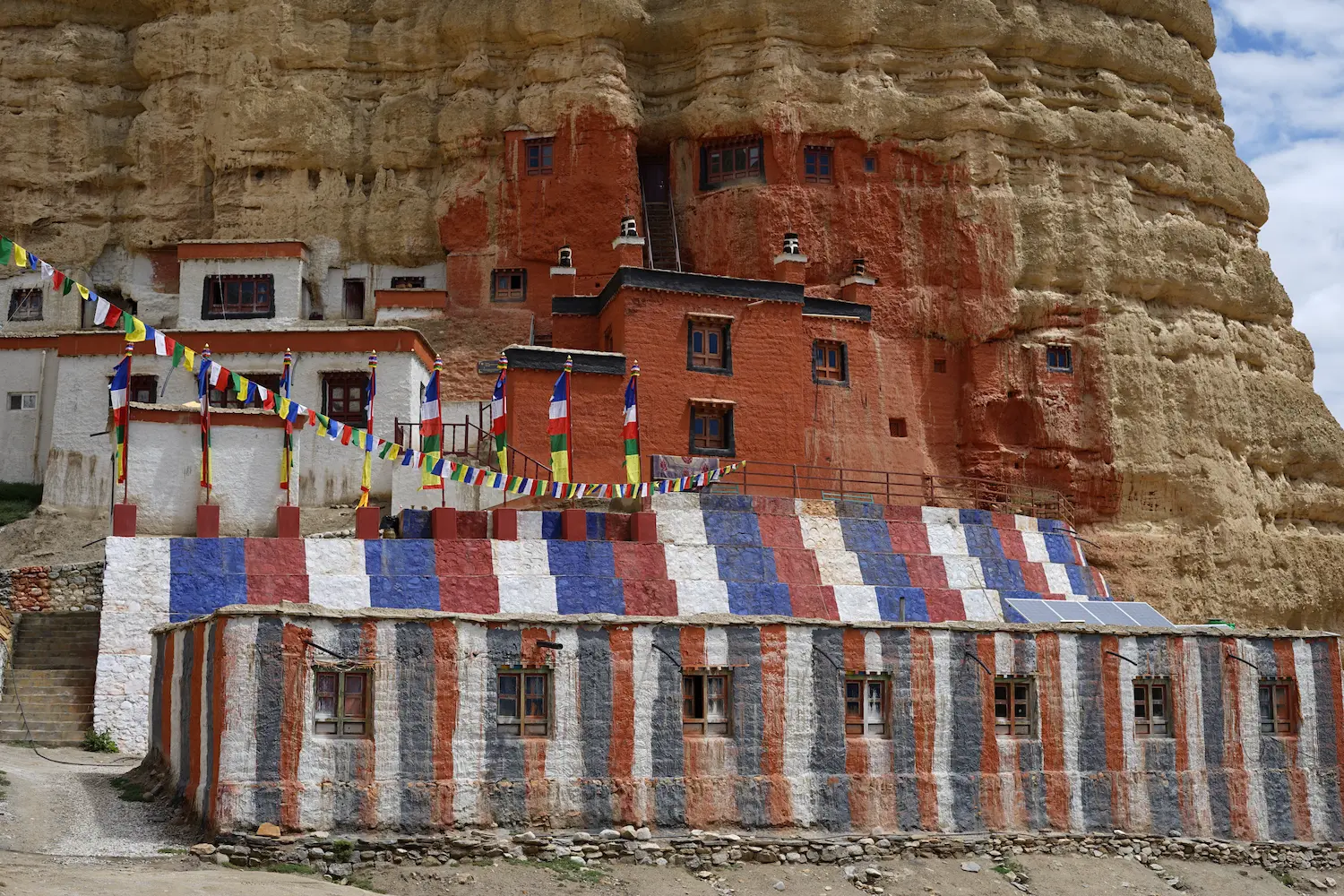

Experience the Real Mustang Beyond the Tourist Trail
The greatest photographs rarely come from standing where everyone else stands. Elite Expedition India designs photography journeys that focus on authentic experiences.
Depending on local conditions and permissions, photographers may have opportunities to:
- Visit traditional family homes.
- Spend time with local artisans.
- Meet village elders.
- Photograph nomadic communities.
- Observe daily farming activities.
- Visit remote monasteries.
- Explore hidden villages away from regular tourist routes.
- Capture authentic village life in natural settings.
These experiences create storytelling images that cannot be found in ordinary travel photography.
How to Reach Upper Mustang
Most international travellers first arrive in Kathmandu.
From Kathmandu, guests fly to Pokhara From Pokhra, the journey continues by four-wheel-drive vehicle through dramatic Himalayan landscapes following the Kali Gandaki Valley.
The drive passes through traditional villages including Kagbeni, Chele, Syangboche, Ghami, Tsarang and finally reaches the ancient walled city of Lo Manthang.
The journey itself is an unforgettable photographic experience, with countless stops for landscapes, monasteries, local life and mountain scenery.
Road Conditions
Roads into Upper Mustang have improved significantly over recent years. Although much of the route is now accessible by vehicle, many sections remain rough, dusty and unpaved. Travelling in a comfortable four-wheel-drive vehicle is highly recommended. The rough roads are more than compensated by spectacular scenery throughout the journey. Photography stops are frequent, making the drive an important part of the expedition rather than simply transportation.
Upper Mustang Permits
Upper Mustang is a restricted area and special permits are mandatory for all foreign visitors.
Travellers require:
- Restricted Area Permit (RAP).
- Annapurna Conservation Area Permit (ACAP).
These permits must be arranged through a registered trekking or tour operator. Elite Expedition India manages the complete permit process, allowing guests to focus entirely on photography and travel.
Acclimatization – The Key to a Safe and Enjoyable Upper Mustang Photography Tour
Upper Mustang lies at elevations between 3,000 and 4,200 metres (9,850–13,780 ft), with Lo Manthang situated at approximately 3,840 metres (12,600 ft). Although these altitudes are lower than many parts of Ladakh, visitors can still experience the effects of high altitude if they ascend too quickly without allowing their bodies time to adjust.
Proper acclimatization is one of the most important factors for enjoying a successful photography expedition. Headaches, fatigue, loss of appetite, disturbed sleep, nausea, and shortness of breath are common symptoms of Acute Mountain Sickness (AMS). While most cases are mild, they can become serious if ignored.
At Elite Expedition India, we carefully design our itineraries to allow gradual acclimatization. Instead of rushing directly to Lo Manthang, we spend time travelling through the lower villages of the Kali Gandaki Valley, allowing your body to adapt naturally as you gain altitude. This slower pace not only reduces the risk of altitude sickness but also provides excellent opportunities to photograph villages, monasteries, dramatic landscapes, and local life along the route.
To help your body acclimatize, we recommend the following:
- Spend at least one night in Pokhara before travelling to Mustang.
- Ascend gradually and avoid rushing to higher elevations.
- Drink plenty of water throughout the day and stay well hydrated.
- Avoid excessive alcohol and smoking during the first few days.
- Eat light, nutritious meals and maintain your energy levels.
- Walk at a comfortable pace and avoid strenuous activity immediately after arrival.
- Get adequate rest and sleep each night.
- Inform your tour leader immediately if you experience symptoms of altitude sickness.
Our experienced guides monitor every guest throughout the expedition and are trained to recognize the early signs of altitude-related illness. Your safety is always our highest priority, allowing you to focus on creating exceptional photographs while enjoying one of the Himalayas' most remarkable cultural landscapes.
When is the Best Time to Visit?
The Yartung Horse Festival usually takes place during late summer, generally in end August, although the exact dates follow the Tibetan lunar calendar and vary each year.
Because Upper Mustang lies in the Himalayan rain shadow, it remains one of the best destinations in Nepal during the monsoon season. This makes it an excellent choice when many other Himalayan trekking regions experience heavy rainfall.
Join Our Upper Mustang Yartung Horse Festival Photography Expedition
If you have always dreamed of photographing one of the last surviving Himalayan kingdoms before modernisation changes its identity forever, the Yartung Horse Festival is an experience unlike any other.
From dramatic horse races and ancient monasteries to colourful portraits, breathtaking landscapes and genuine cultural encounters, Upper Mustang offers one of the richest photography experiences anywhere in the Himalayas.
Join Elite Expedition India on a professionally led photography expedition and discover why this remarkable region continues to inspire photographers from around the world. Explore our detailed Upper Mustang Yartung Festival itinerary to see the full day-by-day journey, dates and inclusions.
Come not only to witness Upper Mustang — but to tell its story through your photographs.