Snow Leopard Tour in Ladakh, India: The Complete Guide to Snow Leopard Photography and Wildlife Expeditions
Discover the Ghost of the Mountains with Elite Expedition India
Ladakh, in the Indian Himalayas, is one of the most exciting destinations in the world for snow leopard photography and wildlife watching. Its rugged mountains, deep valleys, high-altitude landscapes and relatively open winter terrain offer excellent opportunities to search for the elusive snow leopard in its natural habitat.
At Elite Expedition India, we have spent decades exploring Ladakh's mountains, tracking wildlife and guiding photographers and wildlife enthusiasts through some of the region's most remarkable habitats. Our expeditions combine local knowledge, experienced naturalists, skilled wildlife spotters, professional optical equipment, reliable field vehicles and carefully selected accommodation to provide a well-organised snow leopard experience.
From the famous Hemis National Park and Ulley Valley to the remote Rong Valley, Sakti–Warila region, Gya–Meru region and the secluded Lungnak Valley of Zanskar, Ladakh offers a variety of landscapes and wildlife habitats for different types of expeditions.
Whether you are a professional wildlife photographer, a nature enthusiast or someone hoping to see a snow leopard in the wild for the first time, this guide will help you understand where snow leopards live, when to visit, how to reach Ladakh, what to expect in the field and how to prepare for your expedition.
1. Where Are Snow Leopards Found in the World?
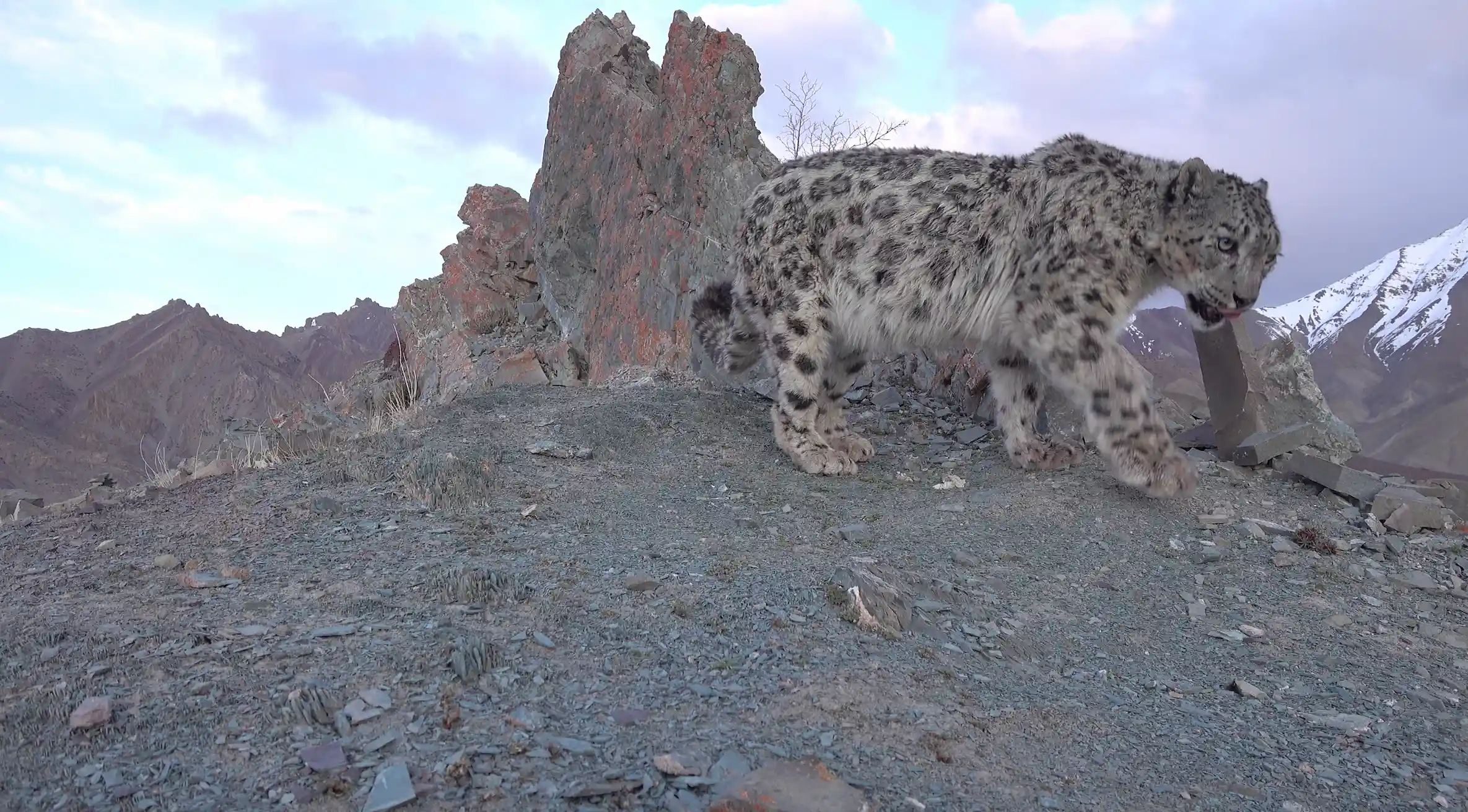
The snow leopard (Panthera uncia) is a large wild cat adapted to the cold, rugged mountains of Central and South Asia. It is commonly known as the Ghost of the Mountains because of its exceptional camouflage, solitary behaviour and ability to move almost silently across steep rocky terrain.
Snow leopards are found across 12 countries:
- India
- China
- Nepal
- Bhutan
- Pakistan
- Afghanistan
- Mongolia
- Russia
- Kazakhstan
- Kyrgyzstan
- Tajikistan
- Uzbekistan
Their range stretches across the Himalayas, Karakoram, Hindu Kush, Pamir, Tian Shan, Kunlun and other mountain systems of Central Asia. Snow leopards generally inhabit remote mountainous landscapes, often at elevations between 3,000 and 5,400 metres in the Himalayas. Their distribution and population vary considerably between countries and habitats.
The species is classified as Vulnerable on the IUCN Red List. Although exact population estimates remain uncertain, it is clear that habitat protection, healthy prey populations and cooperation with local communities are essential for its survival.
For visitors, the challenge is not simply travelling to a country where snow leopards exist. It is finding the right habitat, the right season and experienced people who understand how to locate these elusive cats without disturbing them.
Reference: Global Snow Leopard and Ecosystem Protection Program and Snow Leopard Trust.
2. Which Is the Best Place in the World for a Snow Leopard Tour?
Several countries offer snow leopard viewing opportunities, including India, Mongolia, Nepal and parts of Central Asia. The best destination depends on the travel season, accessibility, terrain, accommodation, available guides and the type of experience a visitor wants.
Ladakh has become one of the most recognised destinations for snow leopard photography because its winter wildlife habitats are accessible from Leh, and experienced local teams can organise dedicated expeditions across several valleys.
Why choose Ladakh for snow leopard photography?
- Access by air: Leh has an airport with scheduled flights connecting it with major Indian cities, particularly Delhi, subject to seasonal schedules and weather conditions.
- Several wildlife regions: Snow leopard habitat is spread across different valleys and mountain ranges, giving experienced teams options for planning their search.
- Winter wildlife viewing: During winter, snow leopards and their prey can sometimes be easier to locate against open mountain slopes.
- Experienced local spotters: Local wildlife spotters understand the terrain, animal movements, tracks and likely resting places.
- Photography opportunities: Long-distance views across mountain slopes often allow photographers to observe and photograph snow leopards without approaching them closely.
- Accommodation choices: Visitors can choose from hotels in Leh, comfortable wildlife lodges and village homestays near selected field areas. Check out our best-selling Snow Leopard Expedition Based on Homestay.
- Local cultural experiences: A snow leopard expedition can also introduce visitors to Ladakhi villages, traditional homes, monasteries and winter life.
- Multiple expedition styles: Ladakh can accommodate small-group tours, private photography expeditions, lodge-based stays and more remote camping-based experiences.
No destination can guarantee a wild snow leopard sighting on every trip. Even in well-known viewing areas, success depends on animal movements, weather, visibility, the time available and the work of the field team.
3. Why Ladakh Is an Excellent Destination for a Snow Leopard Expedition
Ladakh offers a combination of wildlife habitat, accessibility, local expertise and photography infrastructure that makes it particularly attractive for winter wildlife travel.
Easy access compared with many remote mountain destinations
Most visitors begin their journey in Leh, the main town and travel hub of Ladakh. Instead of spending many days travelling overland from a distant city, visitors can usually fly directly to Leh from a major Indian airport, with Delhi being a common starting point.
From Leh, several established snow leopard viewing areas can be reached by road. The actual journey depends on the selected valley, road conditions, snow and weather.
A choice of wildlife habitats
Ladakh is not limited to one snow leopard viewing area. The Hemis National Park region, Ulley Valley, Rong Valley, Sakti–Warila, Gya–Meru and other parts of the region offer different landscapes and field conditions.
This diversity is important because wildlife is unpredictable. A good expedition plan should consider several suitable habitats rather than depending entirely on one location.
Experienced local wildlife teams
Finding a snow leopard requires patience, careful observation and an understanding of animal behaviour. Local spotters may recognise a distant shape, a fresh track, a movement on a ridge or an interaction between prey and predator that an inexperienced observer could easily miss.
At Elite Expedition India, our approach is based on local knowledge, field experience and cooperation between guides, naturalists and spotters.
Comfortable accommodation and field support
Winter wildlife expeditions can be physically demanding. Warm accommodation, reliable transport, hot meals, suitable clothing and well-organised daily field support make a major difference to the overall experience.
Visitors can select an itinerary based on their comfort requirements, photography goals and preferred level of remoteness.
4. Best Time for a Snow Leopard Tour in Ladakh
The main snow leopard season in Ladakh runs from November to April, with January, February and March particularly popular for winter wildlife photography.
Each month offers different conditions, and the best choice depends on whether you prioritise snowy landscapes, accessible roads, longer field sessions or a quieter travel period.
November: The beginning of the snow leopard season
November brings colder temperatures and the transition into winter. The landscape becomes increasingly bare, and snow may begin appearing at higher elevations.
This can be an interesting period for wildlife enthusiasts who prefer fewer winter travel crowds. However, snow conditions and animal activity vary from year to year.
December: Winter wildlife and mountain scenery
December offers a more pronounced winter atmosphere. Snow may cover the higher mountain slopes, and wildlife photographers can enjoy dramatic contrasts between pale rock, snow and the surrounding landscape.
Visitors should prepare for cold mornings, shorter daylight hours and possible weather-related travel changes.
January: Excellent conditions for dedicated wildlife searches
January is one of the popular months for snow leopard expeditions. Cold weather, winter landscapes and the movements of mountain prey species create good opportunities for extended wildlife observation.
This is also a time when experienced spotters are particularly valuable, as long periods of scanning and waiting are often necessary.
February: A favourite month for snow leopard photography
February is a particularly attractive month for photographers. Snow-covered slopes, clear mountain views on suitable days and active wildlife searches can provide memorable photographic opportunities.
Our February expeditions are designed around regular field sessions, professional optical equipment and access to suitable viewing areas.
March: Winter wildlife with changing light and conditions
March continues to offer good snow leopard opportunities. Daylight gradually increases, and the changing season can create varied photographic conditions.
Snow cover depends on the particular valley and the weather that year. Some areas may remain snowy while others become more exposed.
April: The transition towards spring
April marks the transition towards spring, although high-altitude valleys can remain cold and snowy. Snow leopard searches may still be productive, depending on local conditions and animal movements.
Visitors travelling in April should discuss their preferred dates and target regions with their expedition operator before booking.
Our recommendation: For a dedicated snow leopard photography trip, consider January to March. November, December and April can also be suitable, depending on the type of landscape and experience you are seeking.
5. The Best Snow Leopard Habitats in Ladakh
One of Ladakh's greatest advantages is the variety of wildlife landscapes available. Elite Expedition India organises expeditions in established viewing areas as well as selected remote valleys, depending on the season, conditions and guests' requirements.
A. Hemis National Park
Hemis National Park is one of Ladakh's best-known snow leopard landscapes and a major destination for winter wildlife enthusiasts.
Located in the eastern Ladakh region, the park contains rugged mountains, steep rocky slopes, deep valleys and high-altitude habitat supporting snow leopards and their prey. The park is also known for blue sheep, or bharal, which are an important prey species.
During winter, snow leopard searches often focus on mountain slopes and rocky areas where spotters can scan for animals from suitable vantage points.
Why visit Hemis National Park?
- A recognised snow leopard habitat.
- Opportunities to observe snow leopards and mountain prey species.
- Scenic high-altitude landscapes suitable for wildlife photography.
- Access to village homestays and accommodation in the wider region.
- A strong choice for visitors seeking a classic Ladakh snow leopard expedition.
Elite Expedition India plans field sessions around the conditions in the Hemis region, working with local spotters and naturalists to identify promising viewing locations.
B. Ulley Valley
Ulley Valley is another well-known snow leopard viewing region in Ladakh. Its mountain slopes, rocky ridges and relatively open terrain offer suitable conditions for long-distance scanning.
The wider Ulley area is especially attractive to photographers who want to observe wildlife in a natural mountain setting while staying in a village-based accommodation environment.
Photography opportunities include:
- Snow leopards resting or moving along rocky slopes.
- Blue sheep on steep mountain faces.
- Golden eagles and other mountain birds.
- Wide landscape photographs showing the scale of the Trans-Himalayan environment.
Ulley is often included in winter itineraries, particularly during the middle and later part of the snow leopard season. Actual wildlife activity should always guide the daily search plan.
C. Rong Valley
Rong Valley offers another option for wildlife exploration in Ladakh. Its rugged terrain and mountain slopes provide habitat for snow leopards and other high-altitude wildlife.
The value of exploring areas such as Rong lies in having alternatives to the busiest viewing locations and being able to plan according to current field information.
For photographers, a remote valley can offer a different visual experience, including expansive landscapes, quiet field sessions and the opportunity to observe wildlife behaviour in a less developed setting.
Access, accommodation and the amount of time required should be confirmed when planning a specific Rong Valley expedition.
D. Sakti–Warila Region
The Sakti–Warila region is another area considered for snow leopard searches in Ladakh. It combines mountain terrain, rocky slopes and remote sections of the eastern Ladakh landscape.
This region can be useful for visitors looking for an itinerary that combines wildlife observation with varied mountain scenery.
Possible photographic subjects include:
- Snow leopards against rocky mountain backgrounds.
- Blue sheep and other mountain wildlife.
- Snow-covered ridges and high-altitude landscapes.
- Golden eagles and other birds of prey.
Wildlife movements are not restricted to a tour operator's preferred location. Our field planning must therefore remain flexible and respond to current conditions.
E. Gya–Meru Region
The Gya–Meru region offers further opportunities to explore Ladakh's high-altitude wildlife landscapes. The surrounding mountains and valleys form part of the wider environment in which snow leopards and their prey occur.
This area may suit travellers interested in exploring less familiar sections of Ladakh rather than following only the most widely promoted viewing routes.
A successful expedition depends on selecting appropriate observation points, allowing enough time for scanning and avoiding unnecessary disturbance to wildlife.
F. Lungnak Valley, Zanskar: A Remote Snow Leopard Photography Experience
For wildlife photographers looking for a quieter and more remote experience, the Lungnak Valley in Zanskar offers a very different atmosphere from the established snow leopard viewing areas around Leh.
Elite Expedition India offers specially planned private expeditions in this remote region for photographers who want to spend time in a secluded mountain landscape, away from the regular concentration of wildlife-tourism groups.
Lungnak is known for its dramatic mountain scenery, remote settlements and winter conditions. Depending on the weather and elevation, the valley and surrounding slopes can receive substantial snowfall, creating the possibility of striking snow leopard photographs in snowy mountain landscapes.
Why consider a private Lungnak Valley expedition?
- A remote setting for photographers seeking solitude.
- Opportunities to explore snow-covered mountain landscapes.
- A private itinerary tailored to individual photographic goals.
- Time to concentrate on field observation without following a large group itinerary.
- A chance to experience the quieter side of Zanskar in winter.
The attraction of Lungnak is not simply the possibility of seeing a snow leopard. It is also the experience of working in a remote Himalayan environment, where weather, terrain and wildlife shape each day.
This expedition requires careful planning because winter access can be difficult, road conditions can change and facilities are more limited than in the Leh region. Snowfall and snow leopard sightings cannot be guaranteed. Private departures should be arranged well in advance after discussing access, accommodation, transport and contingency plans with Elite Expedition India.
6. Why Choose Elite Expedition India for Your Snow Leopard Tour?
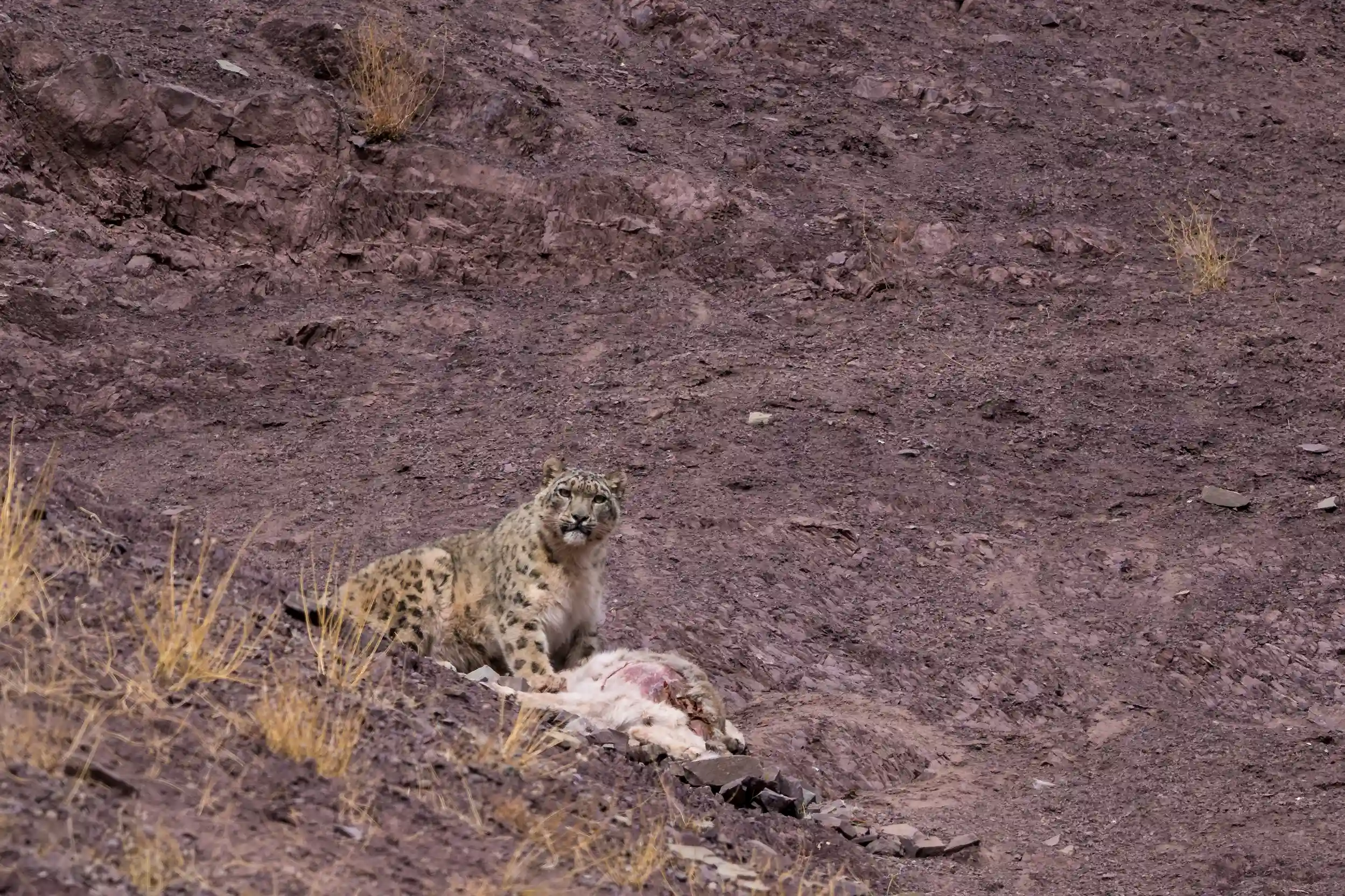
A snow leopard expedition involves much more than driving into the mountains and hoping to find an animal. It requires local knowledge, experienced field staff, reliable equipment, patience and the ability to organise long winter days in challenging conditions.
Elite Expedition India is a Ladakh-based expedition company specialising in wildlife, landscape and cultural photography. Our team brings decades of experience in the region and a practical understanding of its mountain environments and local communities.
Experienced local naturalists and wildlife guides
Our naturalists and guides help guests understand snow leopard behaviour, prey species, habitat, tracking signs and the wider Trans-Himalayan ecosystem.
Rather than concentrating only on sightings, we aim to explain the natural history of the region and help visitors appreciate the environment in which these animals live.
Experienced snow leopard spotters
Local spotters are an essential part of a snow leopard expedition. Their familiarity with mountain slopes, animal movements and local terrain can be invaluable when searching vast landscapes.
They work with the guide and naturalist to scan suitable areas, communicate observations and help guests locate wildlife at a responsible viewing distance.
Field experience built over decades
Experience matters when conditions are difficult. Cold temperatures, changing visibility, remote roads and long periods without a sighting require patience and good organisation.
Our field approach is built around preparation, cooperation and adapting the daily plan to the conditions.
Small groups and private photography tours
We organise expeditions for wildlife photographers and enthusiasts who want a more focused experience. Private departures can be planned around specific dates, preferred habitats, photography requirements and accommodation choices. You can also customise your tour to suit your interests.
Small groups also make it easier to coordinate field sessions and share equipment comfortably.
Professional optical equipment
Long-distance observation is central to snow leopard photography. Elite Expedition India uses professional spotting scopes, including Swarovski BTX systems with a 95 mm objective lens, to help guests observe animals across distant mountain slopes.
Our planned equipment arrangement is one spotting scope shared between two guests, allowing both participants to observe wildlife while keeping field sessions organised.
Availability of specific equipment should be confirmed when booking.
Toyota Hilux 4-wheel-drive vehicles
Our expedition transport includes Toyota Hilux four-wheel-drive vehicles selected for winter field travel and access to suitable viewing areas.
Comfortable, capable transport is particularly important when carrying winter clothing, camera equipment, spotting scopes, tripods and other field essentials.
All vehicle movements remain subject to road access, weather and local safety conditions.
Carefully selected accommodation
A warm and comfortable place to rest is an important part of a winter expedition. We select accommodation according to the itinerary, availability, comfort requirements and proximity to the chosen wildlife region.
Depending on the route, guests may stay in hotels in Leh, comfortable lodges or village homestays. Remote expeditions may involve simpler facilities and additional logistical requirements.
Personalised service and field coordination
We understand that photographers may have different needs from general wildlife travellers. Some prefer to photograph behaviour and landscapes, while others want to spend long periods observing a particular animal.
Our team works to accommodate these interests through appropriate planning, field coordination and practical advice.
Our goal is to provide a professionally organised wildlife experience, with experienced local people, appropriate equipment and thoughtful hospitality throughout the journey.
7. Accommodation for Snow Leopard Tours in Ladakh
Accommodation can have a major influence on the comfort of a winter expedition. The most suitable option depends on the wildlife region, length of stay, budget and level of comfort required.
Hotels in Leh
Leh offers a range of hotels, from comfortable mid-range properties to higher-end accommodation. Staying in Leh at the beginning of a trip provides time to rest after the flight, adjust to the altitude and prepare equipment before travelling into the field.
Wildlife lodges
Selected wildlife lodges like (chemday house) and guesthouses provide convenient access to certain viewing areas. Their facilities vary, so guests should confirm heating, hot water, meals, bathroom arrangements and power availability before booking.
Village home-stays
Home-stays offer an opportunity to stay closer to local communities and experience Ladakhi hospitality. Some have comfortable rooms, private bathrooms and good meals, although standards vary by property.
Staying in a homestay can also help direct tourism income towards local families.
Accommodation for remote Zanskar expeditions
Accommodation in remote valleys such as Lungnak may be more limited, particularly in winter. It is important to discuss the available facilities, heating, food, electricity, road access and emergency arrangements before confirming a private departure.
At Elite Expedition India, we match accommodation to the route and guests' requirements rather than assuming that every location offers the same level of comfort.
8. What Is a Typical Day on a Snow Leopard Expedition?
Every day depends on wildlife activity and weather, but a typical field day follows a flexible routine.
Early morning: After breakfast, the team travels to suitable observation points. Spotters and guides begin scanning the mountain slopes with binoculars and spotting scopes.
Morning wildlife search: Guests spend time observing ridges, rocky outcrops and areas where snow leopards or prey species may be present. When an animal is located, the team helps guests observe it from an appropriate distance.
Lunch and warming breaks: Depending on the location and weather, guests may return to the vehicle or a nearby shelter for a warm drink, lunch and a short rest.
Afternoon field session: The search continues according to wildlife activity, visibility and remaining daylight. The team may change observation points if the conditions suggest another area is more promising.
Evening: Guests return to their accommodation, review their photographs and discuss the day's sightings and plans for the next morning.
Snow leopard expeditions involve considerable waiting and repeated scanning. Some days may provide remarkable sightings, while others may be spent searching without finding the animal. Patience is essential.
9. Photography Equipment for a Snow Leopard Tour
A snow leopard may be visible only as a small shape on a distant mountain slope. The right equipment helps photographers make the most of these opportunities.
Recommended camera equipment
- A camera body suitable for wildlife photography.
- A telephoto lens, commonly in the 600 mm range or longer.
- A second camera or versatile zoom lens for wider environmental photographs.
- Extra batteries, as cold weather reduces battery performance. Learn how to protect your camera gear in –25°C weather.
- Multiple memory cards and a reliable backup system.
- A sturdy tripod or monopod where appropriate.
- Lens cloths and protection against snow, dust and condensation.
A long lens is useful, but it is not the only important consideration. Autofocus performance, image stabilisation, handling in cold weather and the ability to work comfortably for long periods all matter.
Swarovski BTX spotting scopes
A professional spotting scope allows guests to observe a snow leopard from far away, even when the animal is difficult to see with the naked eye.
Elite Expedition India uses Swarovski BTX spotting scopes with 95 mm objective lenses. Our planned ratio of one scope between two guests helps provide shared access during field sessions.
Guests should remember that a spotting scope is primarily for observation. Photographing through a scope requires compatible equipment and suitable technique.
Clothing and personal field equipment
Winter conditions can be severe, particularly during early mornings and extended observation sessions.
Bring:
- A warm down jacket and insulated trousers.
- Thermal base layers and fleece or wool mid-layers.
- Insulated, waterproof winter boots.
- Warm gloves, with thinner gloves for camera handling.
- A warm hat and neck covering.
- Sunglasses and sun protection.
- A reusable water bottle or insulated flask.
- Personal medication and any prescribed altitude-related medication.
- A small daypack for camera accessories and essentials.
Elite Expedition India can advise guests about suitable clothing and equipment before departure.
10. Altitude, Acclimatisation and Physical Preparation
Leh is situated at approximately 3,500 metres above sea level, and some wildlife observation areas are higher. Visitors arriving from low elevations should take altitude seriously, even if they are fit and experienced travellers.
We recommend allowing time to acclimatise before beginning demanding field activities.
During the first day or two, guests should rest, drink fluids regularly, avoid strenuous exercise and follow appropriate medical advice. The itinerary should be adjusted if anyone develops symptoms of altitude illness.
Common symptoms can include headache, nausea, dizziness and unusual tiredness. Severe breathlessness at rest, confusion, difficulty walking or worsening symptoms require urgent medical assessment and possible descent.
A snow leopard expedition does not normally require technical climbing, but it may involve walking on uneven ground, standing outdoors in cold weather and spending long periods at altitude. Guests should discuss relevant medical concerns with a qualified doctor before travelling.
11. Medical Facilities, Emergency Planning and Connectivity
One advantage of starting a snow leopard expedition in Leh is access to established town services, including medical facilities. However, medical resources become more limited in remote valleys, and winter travel can delay access to treatment.
Elite Expedition India plans itineraries with the route, weather and available services in mind. Guests should discuss emergency procedures and travel insurance before departure.
Medical facilities
Leh has hospital and medical services, but remote wildlife areas do not have the same level of immediate care. A field team cannot replace professional medical treatment, and guests should carry their personal medication and disclose important medical requirements before the trip.
Air ambulances and emergency evacuation
Air ambulance or medical evacuation services may be available through specialist providers, depending on weather, aircraft availability, landing conditions and operational restrictions. They should never be assumed to be immediately available but we can accommodate in normal commercial flights which operates moreqthen 8 flights everyday in winter season.
Road evacuation may be the practical option in many situations. Guests should confirm that their travel insurance covers high-altitude travel, winter activities and emergency evacuation in remote areas.
Mobile connectivity and internet
Connectivity varies between Leh and remote valleys. Mobile networks and data services may be available in some settlements but weak or unavailable in field locations.
Guests should prepare for periods without a reliable signal and keep important travel and emergency details accessible offline.
12. Wildlife Ethics and Responsible Snow Leopard Photography
Seeing a snow leopard in the wild is a privilege. Responsible tourism should protect the animal, its habitat and the people who live alongside it.
At Elite Expedition India, wildlife observation should be carried out with respect for the animal and its natural behaviour.
Important principles include:
- Maintain a respectful distance and follow the field team's instructions.
- Never approach a snow leopard simply to obtain a closer photograph.
- Avoid surrounding or blocking an animal's movement.
- Do not shout, whistle or make noises to attract its attention.
- Never use bait to create a photograph.
- Avoid disturbing prey animals or other wildlife.
- Do not reveal sensitive wildlife locations publicly without considering conservation risks.
- Follow local regulations and protected-area requirements.
- Respect local residents, private property and village customs.
Long-distance photography using spotting scopes and telephoto lenses allows guests to appreciate wildlife without needing to move close to the animal.
Responsible tourism also recognises the role of local communities, whose livelihoods and cooperation are important for long-term wildlife conservation. Learn how Elite Expedition India supports wildlife conservation in Ladakh.
13. Other Wildlife You May See in Ladakh
Although the snow leopard is the main attraction, Ladakh supports a remarkable variety of wildlife.
Depending on the region and season, guests may encounter:
- Blue sheep (bharal): Important prey for snow leopards, often seen on steep rocky slopes.
- Asiatic ibex: A wild goat adapted to rugged mountain terrain.
- Tibetan wolf: A high-altitude predator found in parts of the wider Ladakh landscape.
- Eurasian lynx: Another elusive wild cat that may be present in suitable habitats.
- Pallas's cat: A small wild cat associated with high-altitude steppe environments.
- Red fox: A versatile predator found in several Ladakh habitats.
- Golden eagle: A powerful bird of prey often seen soaring over mountain slopes.
- Himalayan griffon: A large vulture that uses mountain updrafts to search for food.
- Bearded vulture: Also known as the lammergeier, it is adapted to mountain environments.
Wildlife sightings vary and no species other than those actually encountered should be promised as part of a particular departure.
14. How to Reach Ladakh for a Snow Leopard Tour
By air
Leh is the usual starting point for a snow leopard expedition. Scheduled flights connect Leh with major Indian cities, especially Delhi, although schedules and services can change according to the season and airline operations.
For winter travel, we recommend allowing flexibility in your arrival and departure plans because snow wind and other weather conditions can cause flight delays or cancellations.
By road
Road access to Ladakh is seasonal and can be affected by snow, landslides and severe winter conditions. For a winter snow leopard expedition, flying to Leh is generally the most practical option for visitors travelling from outside the region.
Arrival and acclimatisation
We recommend planning at least one full acclimatisation day in Leh before beginning intensive wildlife searches. Longer acclimatisation may be appropriate depending on individual health and the itinerary.
Elite Expedition India can help coordinate airport transfers, accommodation, field transport and the onward journey to the selected wildlife region.
15. How Many Days Do You Need for a Snow Leopard Tour?
The right duration depends on your objectives, chosen region and travel schedule.
Short expedition: Around 5–7 days may suit visitors with limited time, although a shorter trip leaves less flexibility if weather or wildlife activity is unfavourable.
Standard expedition: Around 8–10 days provides more time for acclimatisation, wildlife searches and possible changes of viewing area.
Extended photography expedition: Around 10–14 days or longer allows a more flexible approach, with additional time to explore different habitats and wait for suitable photographic opportunities.
Private remote expedition: A trip to Lungnak Valley or another remote region requires a tailor-made schedule based on winter access, accommodation and contingency arrangements.
These are general planning guidelines rather than guarantees of a sighting. The more time available, the greater the opportunity to respond to changing conditions, but no trip duration can guarantee success.
16. Is a Snow Leopard Tour Suitable for Beginners?
Yes. A snow leopard expedition can be suitable for first-time wildlife travellers, provided they understand the conditions and are prepared for cold weather and high altitude.
You do not need to be a professional photographer or a mountaineer. Many guests join simply because they want to experience the animal in its natural habitat.
However, participants should be comfortable spending time outdoors in cold conditions and understand that wildlife observation requires patience.
Photographers with long lenses may have an advantage in making detailed images, but binoculars and spotting scopes also allow guests without specialised camera equipment to enjoy the experience.
17. What Does a Snow Leopard Tour Cost?
The cost of a snow leopard expedition depends on several factors:
- Number of days and nights.
- Group size or private departure.
- Accommodation category and room arrangements.
- Number and type of field vehicles.
- Naturalist, guide and spotter arrangements.
- Spotting scopes and other equipment included.
- Meals, airport transfers and local transport.
- Remote-region logistics and additional travel days.
- Seasonal demand and the selected travel dates.
A private expedition in a remote valley may cost more than a shared group departure because of dedicated transport, field staff and additional logistical requirements.
When comparing tours, guests should check what is included rather than choosing solely on the advertised price. A well-organised expedition should clearly explain its accommodation, meals, transport, equipment, guiding arrangements, exclusions and emergency procedures.
Elite Expedition India offers customised snow leopard expeditions according to guest requirements. Contact our team for a detailed quotation for your preferred dates, group size and accommodation level.
18. How to Choose the Right Snow Leopard Tour Operator
Before booking, consider the following questions:
- Does the operator have genuine experience working in Ladakh's winter wildlife habitats?
- Are experienced local spotters and naturalists part of the field team?
- Is the itinerary flexible enough to respond to wildlife movements?
- What spotting scopes and field equipment are provided?
- How many guests share each spotting scope?
- What type of vehicles will be used?
- Is the accommodation suitable for winter conditions?
- Are meals, hot drinks and field support included?
- Does the operator explain altitude risks and emergency arrangements?
- Does it follow responsible wildlife-viewing practices?
- Is there enough time for acclimatisation?
- Are the inclusions, exclusions and cancellation conditions clearly stated?
These details can make a substantial difference to your comfort, photography opportunities and overall experience.
19. Why Book Your Snow Leopard Expedition with Elite Expedition India?
At Elite Expedition India, we combine local knowledge, wildlife experience and practical field support to organise snow leopard expeditions across Ladakh. Discover why wildlife photographers choose Elite Expedition India.
Our services include:
- Decades of experience exploring Ladakh and guiding wildlife expeditions.
- Local naturalists, guides and experienced spotters.
- Expeditions across several recognised snow leopard habitats.
- Private photography tours and customised itineraries.
- Professional Swarovski BTX 95 spotting scopes, subject to confirmation.
- A planned one-scope-per-two-guests arrangement.
- Toyota Hilux four-wheel-drive expedition vehicles.
- Carefully selected hotels, lodges and homestays.
- Support with airport transfers, accommodation and local logistics.
- Guidance on winter clothing, camera equipment and acclimatisation.
- Dedicated planning for remote private expeditions in Lungnak Valley, Zanskar.
We understand that a snow leopard trip is often a long-awaited journey for wildlife photographers. Our aim is to provide the field support, local knowledge and preparation needed to make the experience rewarding, whether you are visiting Ladakh for the first time or returning to explore a different habitat.
We do not promise a guaranteed sighting. Instead, we focus on preparing well, working with experienced local people, using appropriate equipment and spending time in suitable wildlife habitats.
20. Frequently Asked Questions About Snow Leopard Tours in Ladakh
Where is the best place to see snow leopards in Ladakh?
Hemis National Park and Ulley Valley are among the best-known snow leopard viewing areas. Rong Valley, Sakti–Warila, Gya–Meru and other suitable regions may also be considered depending on the season and wildlife activity.
What is the best month for a snow leopard tour in Ladakh?
January, February and March are popular months for snow leopard photography. November, December and April can also offer opportunities, depending on weather, snow conditions and animal movements.
How many days should I spend looking for snow leopards?
An expedition of 8–10 days is a useful starting point for many visitors. A longer trip provides more flexibility, especially for photographers or travellers wishing to explore remote areas.
Can I see snow leopards in the wild in Ladakh?
Yes, wild snow leopards are observed in Ladakh, and organised winter expeditions offer opportunities to search for them. However, sightings are never guaranteed, even in established viewing areas.
Do I need professional camera equipment?
No. Professional camera equipment is not essential. Guests can enjoy the experience using binoculars and spotting scopes, while photographers can bring telephoto lenses to make the most of distant sightings.
Are spotting scopes provided?
Elite Expedition India uses professional Swarovski BTX spotting scopes with 95 mm objective lenses. Our planned arrangement is one scope shared between two guests. Please confirm equipment availability for your specific departure.
Is a snow leopard tour physically difficult?
Most expeditions involve road travel, scanning mountain slopes and some walking on uneven ground. The principal challenges are altitude, cold weather and long field sessions rather than technical mountaineering.
Is Leh safe for high-altitude travel?
Many visitors travel to Leh successfully, but altitude illness is a real risk. Allow time for acclimatisation, recognise symptoms and follow medical advice. Anyone with concerning symptoms should seek medical assessment.
Are there good hotels and lodges for snow leopard tours?
Yes. Leh has a range of hotels, and several wildlife regions have lodges, guesthouses or homestays. Facilities vary by location, particularly in remote winter areas, so confirm the details before booking.
Can I book a private snow leopard photography tour?
Yes. Elite Expedition India offers customised departures for photographers and wildlife enthusiasts. Itineraries can be discussed according to dates, group size, accommodation preferences and target regions.
Can I visit a remote snow leopard habitat in Zanskar?
A private expedition to Lungnak Valley can be arranged subject to winter road access, weather, accommodation and logistical feasibility. Because the region is remote, additional planning and flexibility are important.
What should I wear on a snow leopard expedition?
Bring insulated winter clothing, thermal layers, waterproof winter boots, warm gloves, a hat and sunglasses. The team can advise you on suitable clothing based on your travel dates and field itinerary.
Can children or older travellers join?
This depends on their health, altitude tolerance, mobility and ability to cope with cold weather. Families and older travellers should discuss the itinerary and medical considerations before booking.
What happens if the weather is bad?
Field activities may be adjusted, postponed or moved to another suitable area if conditions allow. Flight delays, road closures and limited visibility are possible during winter, so flexible travel arrangements are advisable.
21. Book Your Snow Leopard Tour in Ladakh
A snow leopard expedition is an opportunity to experience one of the world's most remarkable mountain predators in its natural environment. The journey involves far more than a photograph: it is about reading the landscape, learning from local experts, observing wildlife patiently and experiencing the winter mountains of Ladakh.
Whether you are interested in Hemis National Park, Ulley Valley, the wider Rong region, Sakti–Warila, Gya–Meru or a private expedition into the remote Lungnak Valley of Zanskar, Elite Expedition India can help you plan a trip suited to your interests.
With experienced local guides and spotters, professional optical equipment, four-wheel-drive transport and carefully selected accommodation, we work to make your snow leopard expedition as well organised and rewarding as possible.
Start planning your snow leopard photography expedition with Elite Expedition India.
Visit Elite Expedition India to explore our wildlife tours or contact our team to customise your snow leopard expedition in Ladakh.
Travel with local knowledge. Explore responsibly. Experience the Ghost of the Mountains.